
The Vikings believed that every person’s fate – Urdr in Old Norse or Wyrd in Old English — was established at birth, when their life string was cut to measure by one of the Norns, the Norse Fates. Even the gods were subject to destiny, which is why they cannot escape their ultimate destruction as foretold in the Ragnarök prophecy. While some moments in time, such as a person’s death, could not be changed, Norse magic worked by pulling on the strings of fate to force change. Viking witches, called Völva, achieved this using Seidr magic, which saw them take on the role of Norns to both see and shape the future.
Who Are the Norns Who Spin Fate in the Norse Cosmos?
Just as Greek religion had goddesses of fate known as the Moirai, Norse mythology had similar goddesses, the Norns. While what we know about these female divinities is fragmentary, they seem to have been much more powerful than their classical counterparts.
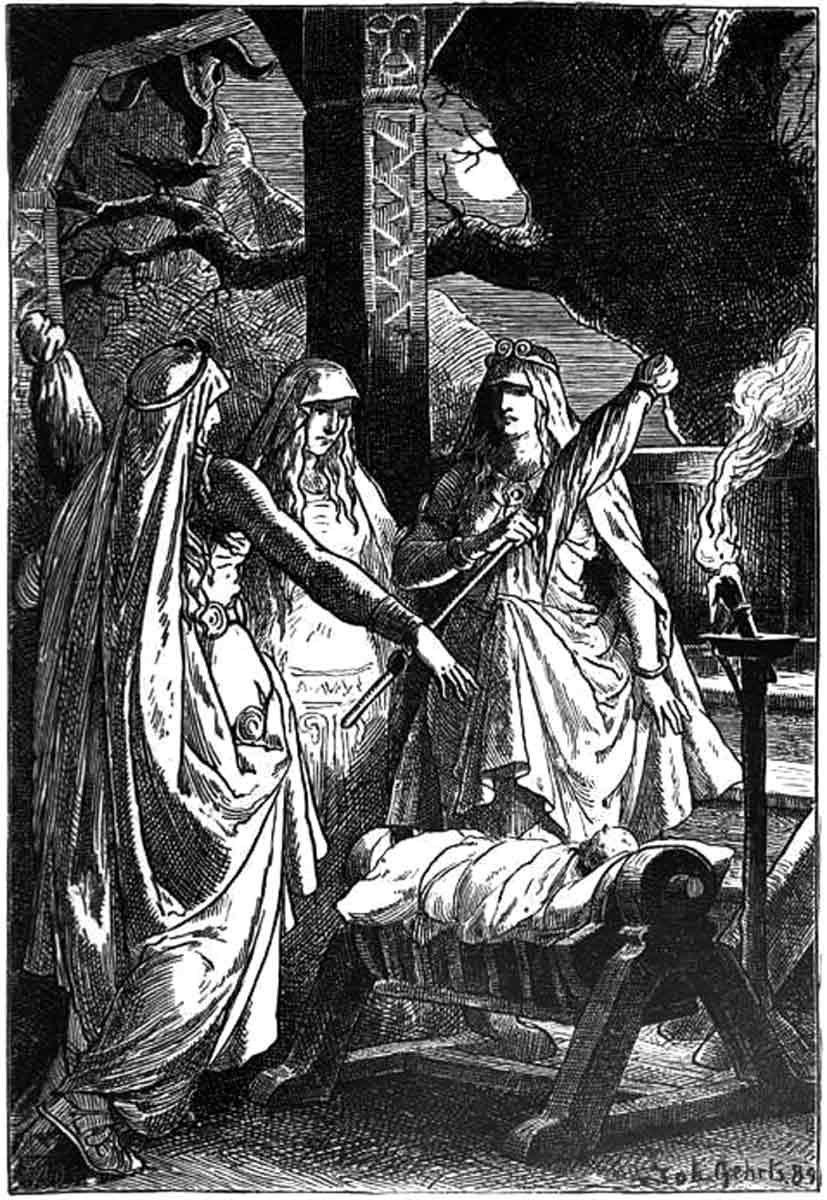
There were many Norns, and each race of beings in Norse cosmology – the gods, giants, elves, dwarves, and mankind – had their own Norns. According to the description in the Fáfnismál (13), this quantity is necessary as the Norns must be present at all births. They are said to arrive at birth and cut the life thread of the new soul, which they then spin into the greater tapestry of destiny (Helgakviða Hundingsbana I 2-4).
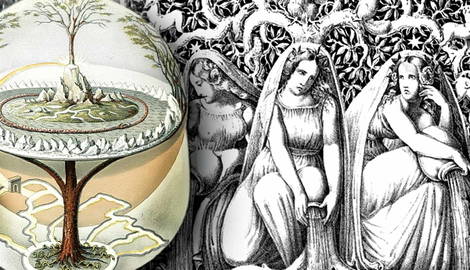
But in addition to these many Norns, there were three principal Norns. These sisters live at the Well of Urdr (Well of Fate) at the base of the world tree Yggdrasil, where they control fate. They are sometimes described as weaving fate on a loom, and at other times writing it into the bark of Yggdrasil with the runes (Völuspá 20). It is also said that the runes are inscribed on their fingernails (Sigrdrífumál). It is said that they water from the well to nourish the Yggdrasil and prevent it from rotting, suggesting that the backbone of the universe is also the backbone of destiny.
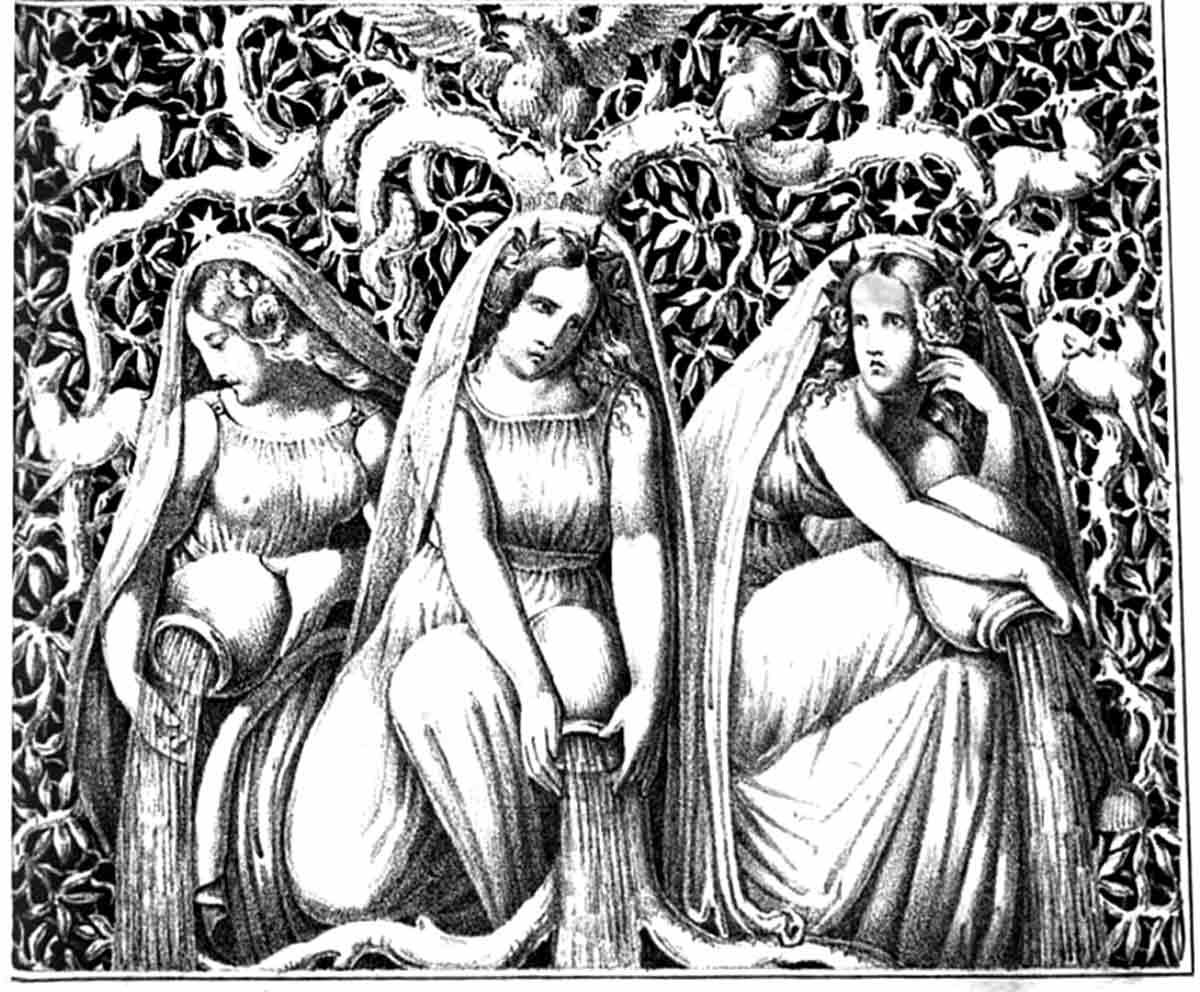
These three Norns are probably responsible for the broader destiny of the Norse cosmos rather than individual destiny, and interestingly, they are described as jotun (giants) rather than gods (Völuspá 8). Their arrival at the Well of Urdr is described as ending an earlier era of peace for the gods.
These three sister-Norns are individually named. The eldest is Urdr, which means “what once was.” The term is used interchangeably for fate and death, suggesting that death was considered the ultimate fate. The middle sister is Verdandi, meaning “coming into being,” and therefore the present. The term can also mean birthing, suggesting a link between birth and the start of one’s fate. The youngest sister is Skuld, “that which shall be.” Her name is also a word for debt, carrying the connotation that a person is answerable for their future.
The Norse Soul & Why Fate is Inescapable in the Viking Mindset
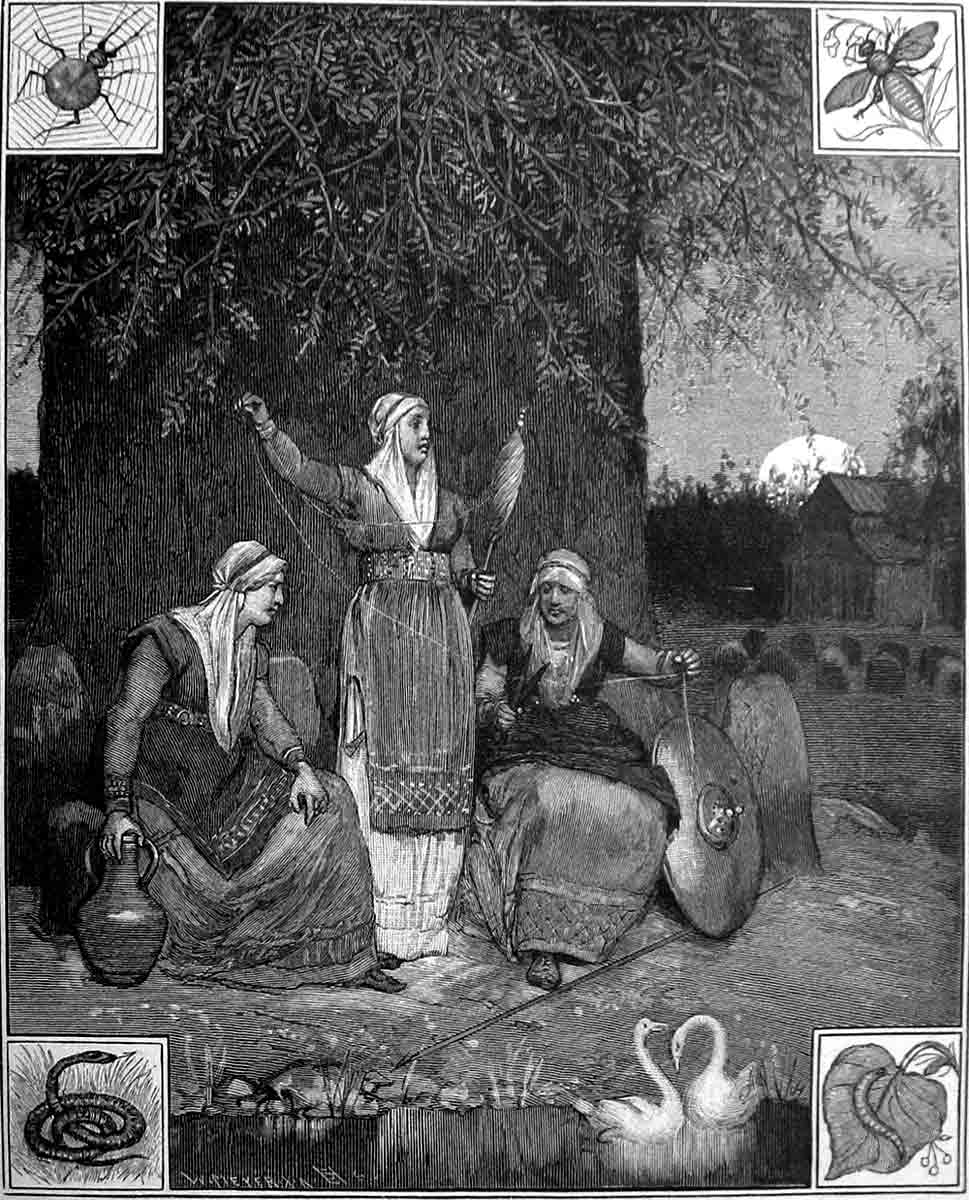
Descriptions of fate and the Norns suggest that destiny was considered pre-determined and inescapable in the Viking mindset. The moment of death was considered fixed and was often referred to as the judgment of the Norns. The Vikings also sometimes blamed fate for other things. For example, in theHelgakviða Hundingsbana II, Helgi blames the Norns for the fact that he must kill Sigrun’s father and brother to be able to marry her.
Moreover, while an individual’s life string was cut at their birth, the path of their destiny already began to be formed before they were born. This relates to the idea of the Norse soul, elements of which were inheritable. There were four elements to the Norse soul according to folklorist Groenbech: the Hamr (shape or skin), Hugr (mind or personality), Hamingja (luck or fortune), and Fylgja (follower). The last two were more important to a person’s fate.
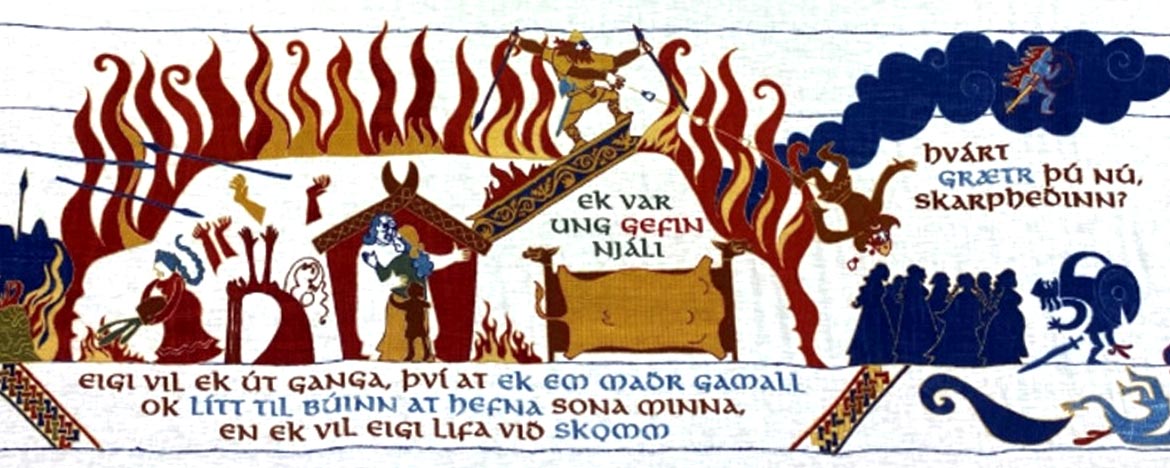
The Hamingja was a person’s luck, which was not random, but was something tangible that could greatly influence their success in life, almost like the favor of the gods. It could also be strengthened, weakened, inherited, or even transferred to other people. One’s actions, positive or negative, could influence their Hamingja. In Njáls saga, Njal has a strong Hamingja, which is why he is wise and commands respect, but it is affected by the course of events recounted in the saga. The sagas also make it clear that the Hamingja is, at least in part, inherited. This is why the sagas almost always begin with an account of the great deeds of the ancestors of the hero, as they are highly relevant to the hero’s story.
Even more important to destiny is the Fylgja, which is a personal spirit that accompanies someone throughout life. They are sometimes described as taking animal form, which can reflect the character of the person. However, they were even more often described in a human female who sometimes appears to warn about the future. In Njáls saga, the Fylgja often manifests in dreams or visions to provide warnings. For example, a Fylgja warns that a house will burn down. In Egils saga, Egil encounters his daughter’s Fylgja, described as a large, grim-looking woman, which is an omen of her impending death. In these descriptions, the Fylgja seem like personalized Norns.
Seidr Magic Could Change Fate in the Norse World
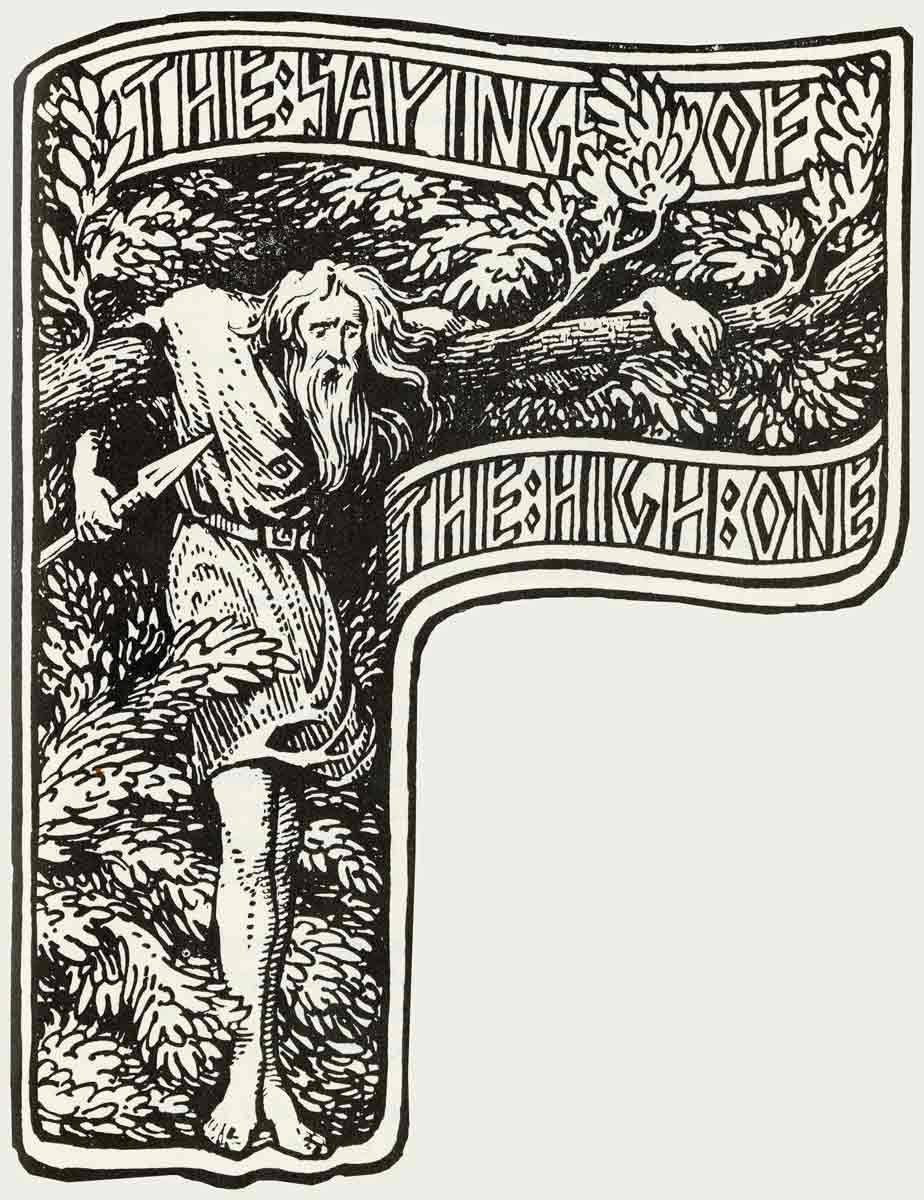
In the Reginsmal, the dwarf Advari, who is robbed of all his treasure by trickster Loki, blames fate for this cruel predicament. He then curses a precious ring stolen by Loki to bring ruin to whoever owns it. With this curse, he is influencing someone else’s fate, reflecting the Norse belief that magic worked by changing destiny.
While we usually refer to Norse magic under the umbrella term of Seidr, there were several different types of magic in the Norse world. Perhaps the best-known today is rune magic. According to mythology, Odin hung himself from Yggdrasil for nine days and nights, pierced by his own spear. Staring into the depths of the tree, he learned the secrets of the magical runes, which he then shared with mankind (Hávamál 139-140).
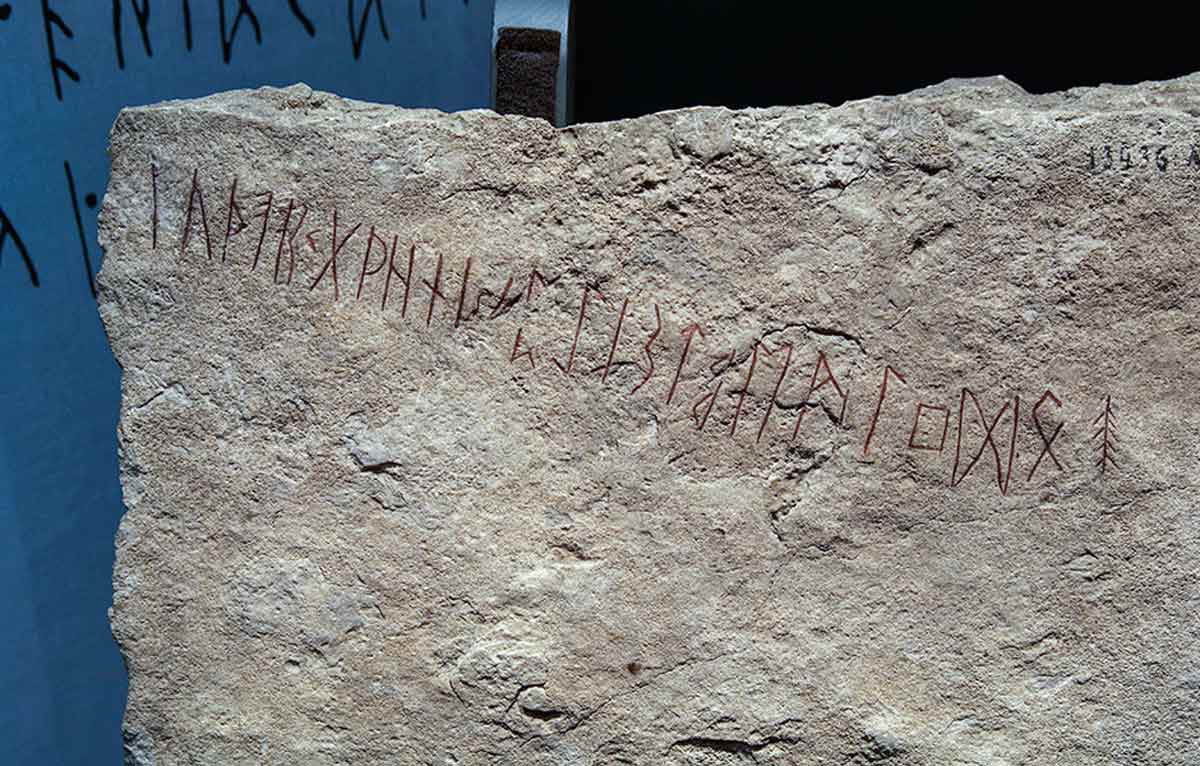
The implication, although not specifically stated, is that he was staring down into the Well of Destiny, where the Norns use the runes. This connects rune magic with changing destiny. Rune magic is often mentioned in the sagas and is usually associated with educated men. A few examples of what appear to be magical runic inscriptions and marks also survive.
These should not be confused with the galdrastafir runic staves found in Icelandic grimoires, which date to much later and clearly show the influence of Christian magical traditions. However, it is noteworthy that the galdrastafir include very few healing runes, perhaps reflecting Norse ideas about destiny and death.
Volva Witches as Spinners of Destiny in Viking Belief
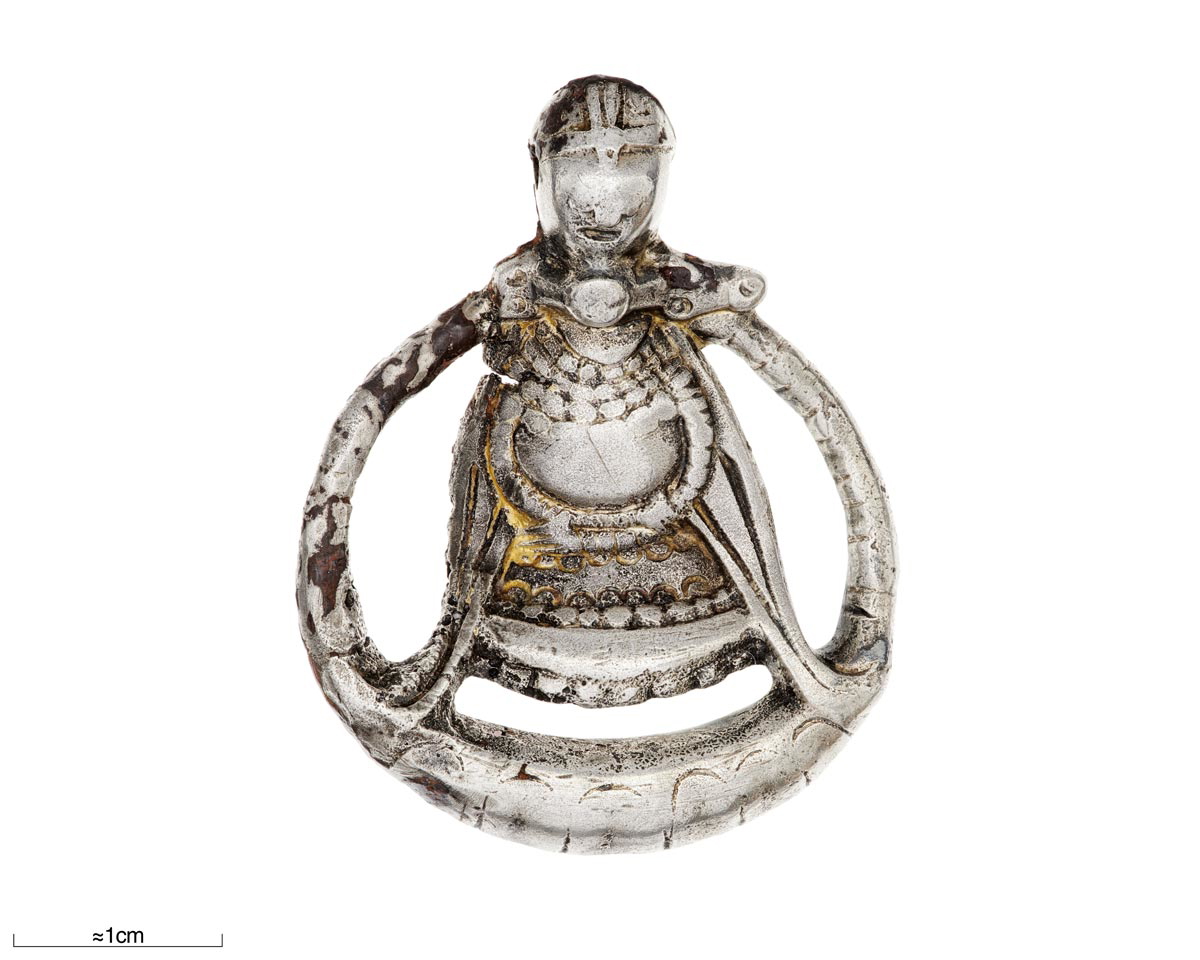
In contrast, Seidr magic is specifically associated with women. According to Norse mythology, the Vanir goddess Freyja was a master of Seidr magic. When she moved to Aesir as a hostage following the Aesir-Vanir War, she taught Seidr to Odin. This was considered unusual, and in the Lokasenna, Loki even makes fun of Odin for learning such a feminine art. This taboo does not seem to have bothered the leader of the Aesir gods, who would famously do anything for knowledge, even plucking out his own eye for a drink from the Well of Wisdom.
In the human world, Seidr magic was almost exclusively the domain of women, specifically witches called Völva. This name means “wand-wed,” referring to the distaff wands used in spinning. This makes Seidr both a feminine art and links it back to the Norns, who spun fate. Nevertheless, most Seidr rituals also seem to have involved singing magical enchantments. In one story, Thor gets a rock stuck in his head, and he visits the Völva Groa, who sings a magical enchantment, or galdr, as part of a healing ritual (Skáldskaparmál).
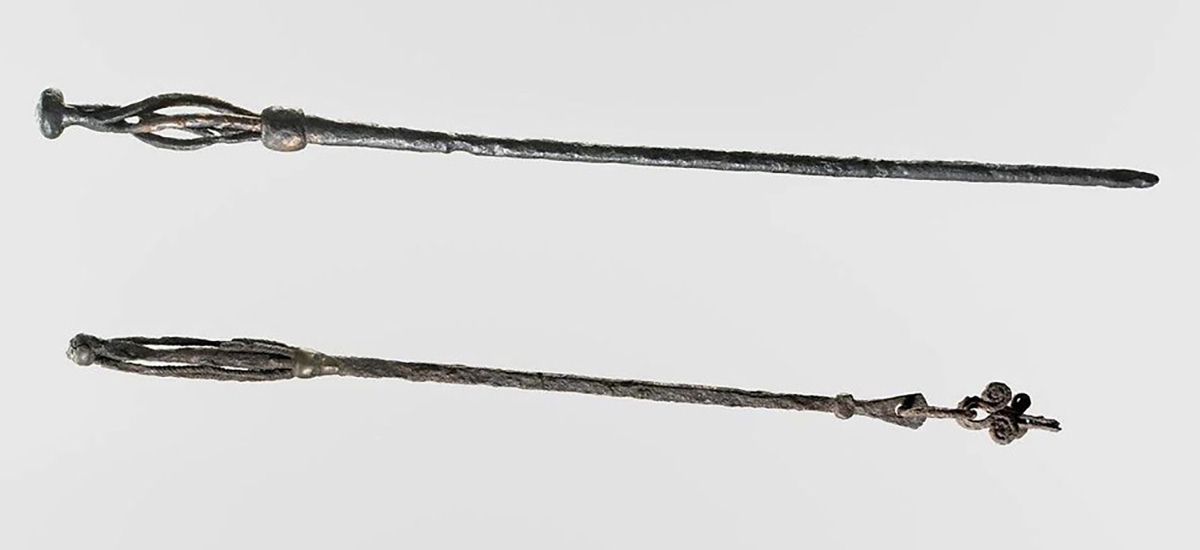
In the human world, Völva lived outside normal society as independent women. However, they would visit towns and farmsteads offering their services. They were always welcomed and treated with the utmost respect. For example, in the Saga of Erik the Red, we meet a Völva named Thorbjorg who traveled around Greenland. Her clothing and possessions are described in detail, allowing the woman buried at Frykat in Oland, Denmark, to be identified as a Völva. Among other things, she was buried with a distaff.
In Erik’s hall, Thorbjorg is treated with great respect. She was served a special dinner of goat’s milk and an assortment of animal hearts, and she is allowed to speak with whomever she pleases, regardless of social rank. While this is special treatment, it also marks her out as “other.”
To do her work, the Völva is escorted to a special high seat which has been made comfortable for her with goose-down pillows. She needs a chorus of women to function as her backup singers. They will sing the galdr that will allow her to reach the state of ecstasy to work her magic. In the story, there are no women in the area who know the chant except for a young woman called Gudrid, who learned them from her mother. But she is now a Christian and does not want to participate. In the end, she is convinced.
The Völuspá and the Inescapable Destiny of the Gods
While the Völva are associated with various types of magic, they are principally considered seeresses and therefore can provide information about someone’s fate or destiny. This, combined with their strong association with the distaff, suggests a strong connection with the Norns. Spells conducted to raise storms or create love could be seen as changing fate, therefore giving the Völva access to the power of the Norns.
But while magic, whether it be rune magic of Seidr, could impact some aspects of destiny, other aspects, such as the moment of someone’s death, seem to have been seen as fixed points that could not be moved.
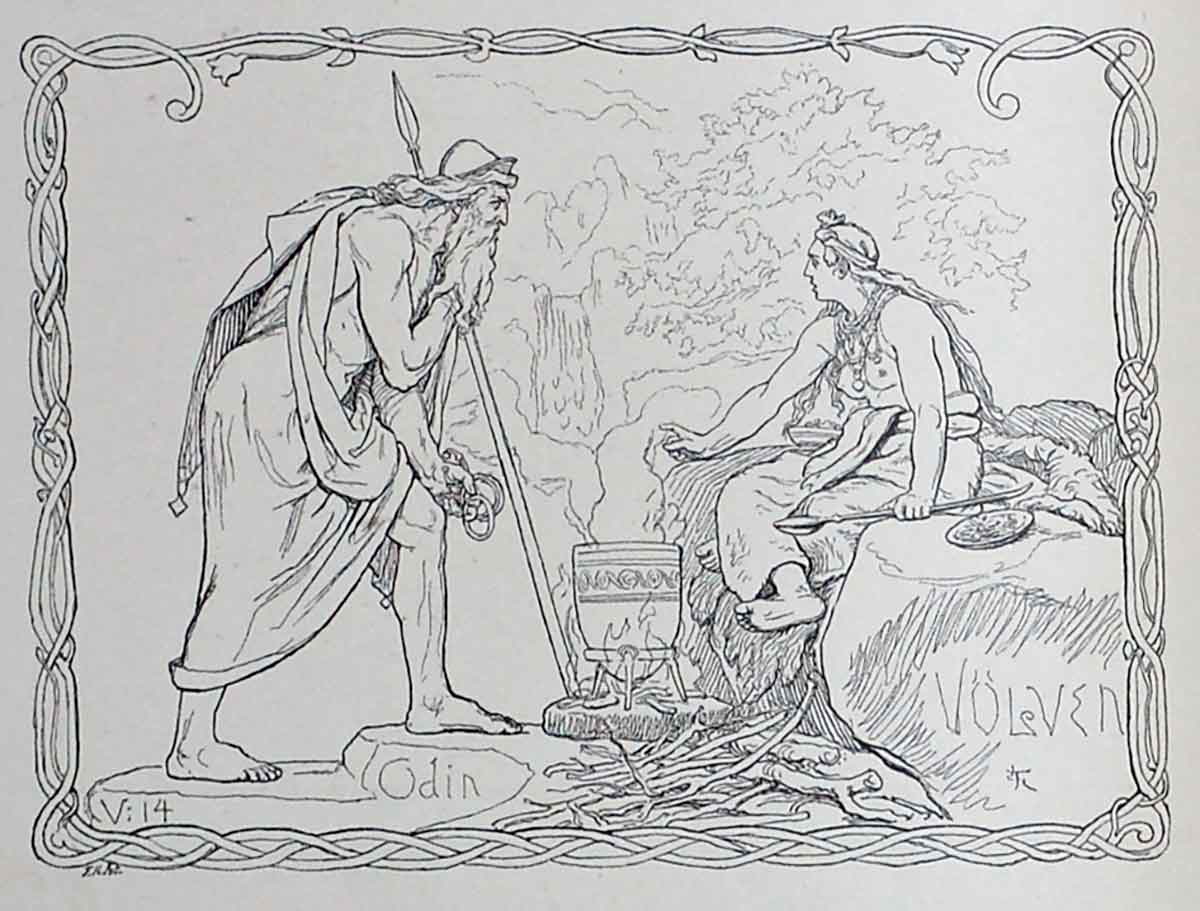
Nowhere is this clearer than in the Ragnarök prophecy, which is the prophecy that describes the Norse apocalypse and the deaths of most of the gods. It is recounted in the Völuspá, which means prophecy of the Völva. To learn about fate, Odin uses his magic to speak with a dead Völva, who is explicitly described as being a giantess. She describes herself as being born before the gods and remembering the universe when it was still unformed. She tells Odin the history of existence, starting with creation, current events, and then the future in the form of the Ragnarök prophecy.
The implication of Odin’s interaction with the seeress is that Ragnarök is a fixed point in destiny that cannot be changed. But the story also honors the bravery of the gods who will fight with honor despite knowing the end is inevitable, because that is the only way to face fate.
The Web of Wyrd as a Symbol of Norse Fate
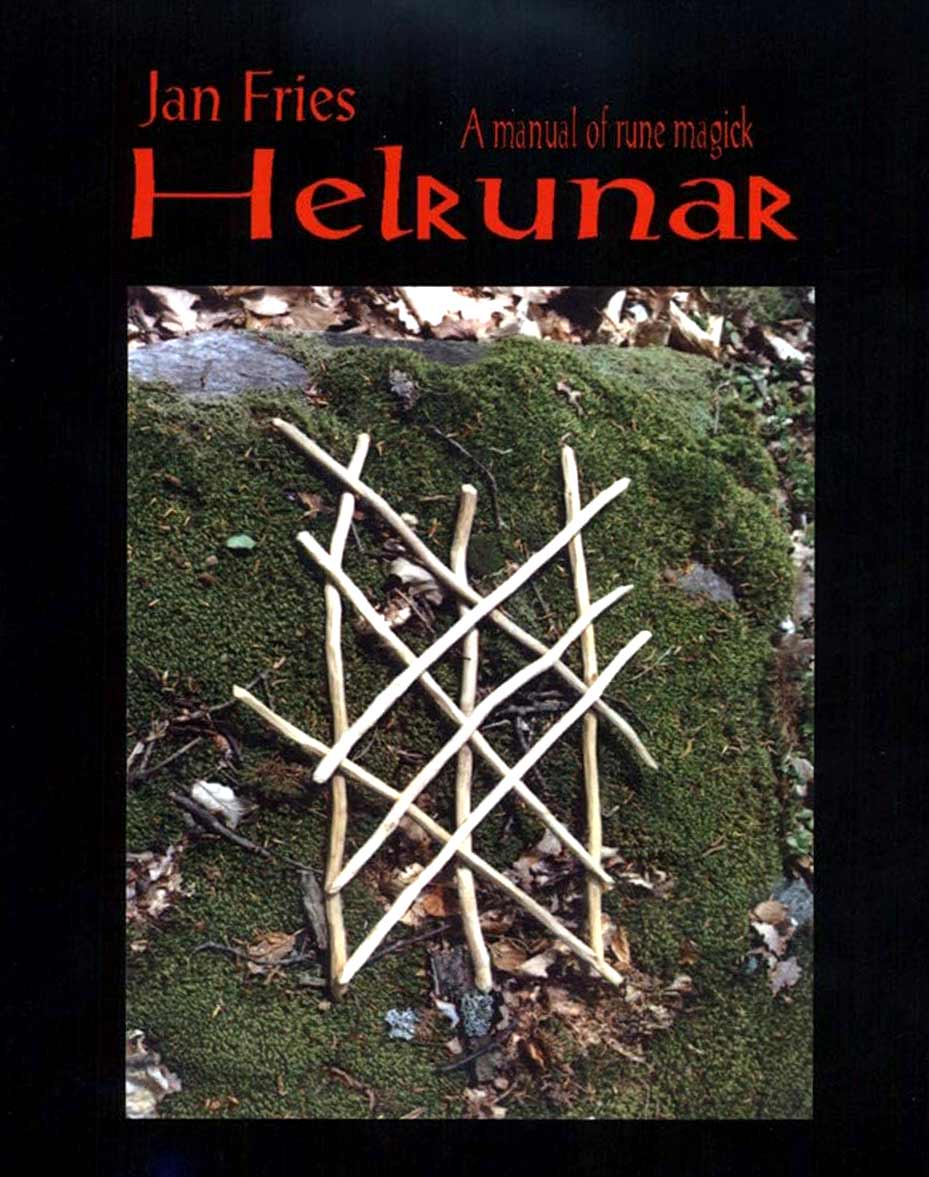
The Web of Wyrd (the Old English version of Urdr), a symbol of nine interlocking lines forming a woven web, is often referred to as the Norse symbol of fate. Some people say that all the Younger Futhark runes can be traced within it. While it is a compelling symbol, it does not belong to the Viking age, and no examples of the symbol survive from that time. It comes from modern occultism.
The earliest known depiction of the Web of Wyrd, also sometimes called Skuld’s Net, dates is in a 1993 text by the German occultist Jan Fries called Helrunar: A Manual of Rune Magick. He does not name the symbol or describe its purpose. He may have come across the symbol in his engagement with 19th century ritual magic groups. He was influenced by Aleister Crowley’s Ordo Templi Orientis.
It was first called a web by author Graham Butcher in 1995 in Stav: The Fighting System of Northern Europe. He specifically says that it represents the unseen web that holds existence together. It became the Web of Wyrd later, but it is unclear who coined the term. It seems to have been borrowed from a fictional work by Brian Bates from 1983 The Web of Wyrd: Tales of an Anglo-Saxon Sorcerer. Nevertheless, the symbol has become popular in modern occultism, linked to both Norse and Anglo-Saxon traditions.