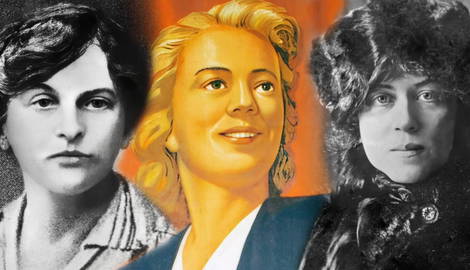

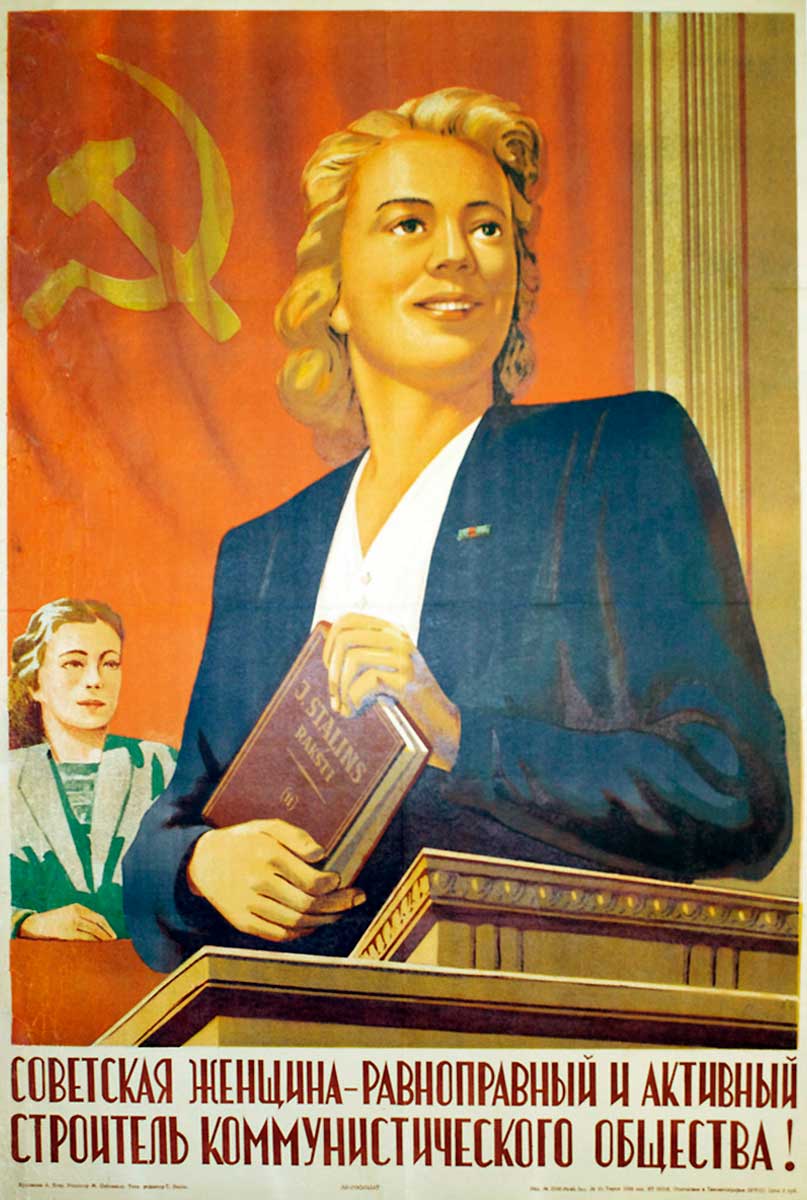
Article 122 of the Soviet Union’s constitution, created after the Russian Revolution, stipulated: “Women in the USSR are accorded equal rights with men in all spheres of economic, state, cultural, social, and political life.” Between 1923 and 1920, the number of female workers increased by 430,000. During the Soviet era, pioneer soviet women would demonstrate remarkable achievements in politics, labor, education, culture, and science.
1. Nadezhda Krupskaya (1869-1939): The First Soviet Woman in Education
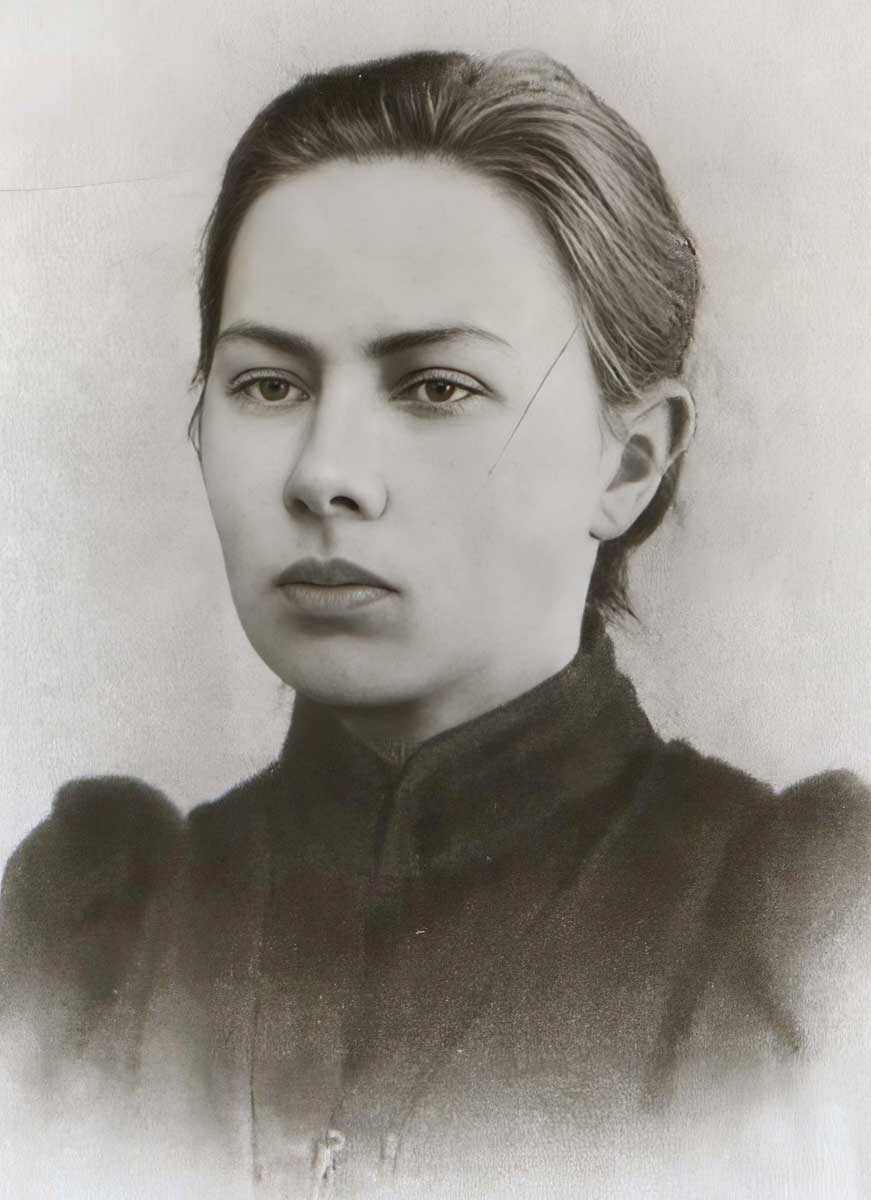
Nadezhda Krupskaya has been overshadowed as a devoted revolutionary, educationalist, and essayist by the figure of revolutionary Vladimir Lenin, the founder and first head of government of Soviet Russia. In popular perception, she became known simply as “Lenin’s wife.” Thus, it might come as a surprise that Nadezhda Krupskaya was actively involved in the revolutionary struggles for the cause of communism.
Together with Vladimir Lenin, in 1897, Tsarist Russia sent her into exile in remote Siberia, where Nadezhda passionately worked with her husband on Lenin’s major treatise, The Development of Capitalism in Russia (1899). However, The Woman Worker, Nadezhda’s first pamphlet created in Siberia in 1899, is still the earliest Marxist document that tackles the socioeconomic conditions and denial of women’s rights in Tsarist Russia. Nadezhda Krupskaya called for women to fight for equality alongside male workers. In particular, the pamphlet read: “The woman worker is a member of the working class, and all her interests are closely tied to the interests of that class.”
Following the end of their exile in 1901, Nadezhda Krupskaya and Vladimir Lenin relocated to Western Europe to lead the Russian Marxist Movement abroad. There, Nadezhda Krupskaya played a pivotal role in establishing, producing, and distributing the Marxist newspaper Iskra, “The Spark.” Its motto was “A single spark can start a prairie fire.”
Nadezhda became the secretary of the Iskra group, in charge of a vast and codified correspondence, aiming to form vital links between the revolutionary underground in Russia and Russian emigrés abroad. This tedious work significantly contributed to the formation of the organizational framework for the Russian socialist movement, which would later lead to the Russian Revolution.
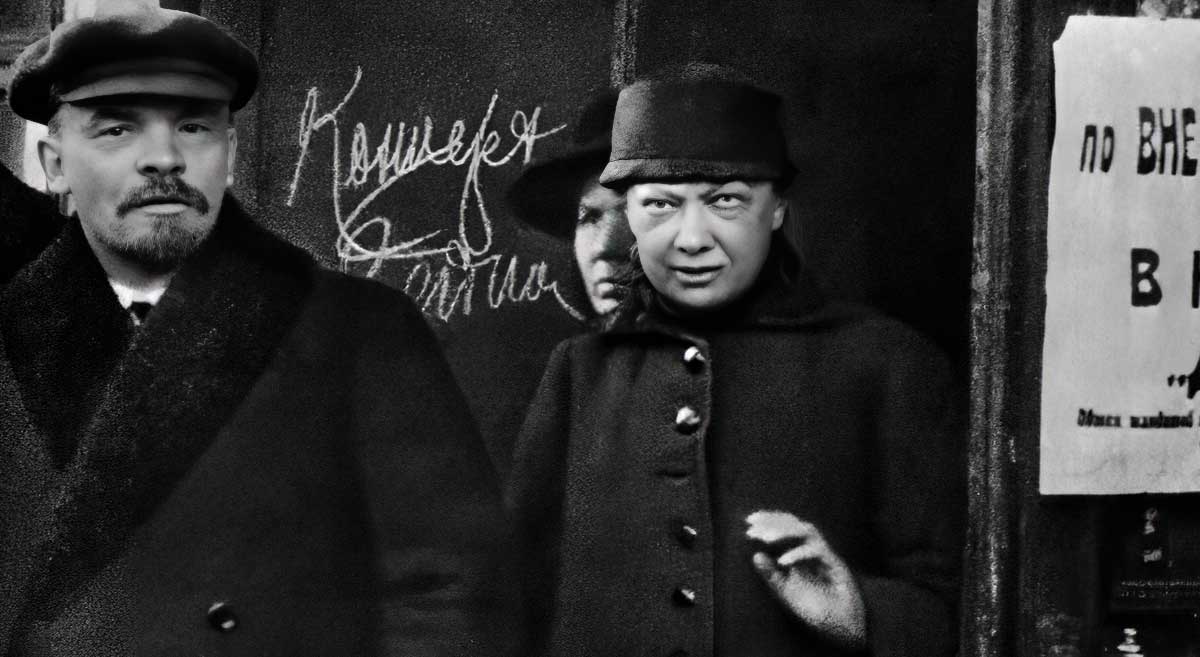
Following the successful Russian Revolution in 1917, Nadezhda became Deputy Commissar to Anatoli Lunacharsky, the People’s Commissar of Education and Enlightenment. In this role, she developed the Soviet library classification system. From 1920, she worked in various positions and was responsible for education and literacy in Soviet society.
She served as the Deputy Minister of Education of the Soviet Union from 1929 until she died in 1939, playing a key role in founding the Communist youth organizations Komsomol (the Russian abbreviation for Vsesoyuzny Leninsky Kommunistichesky Soyuz Molodyozhi) and the Pioneers (All-Union Lenin Pioneer Organization). Komsomol was the youth division of the Communist Party, shaping young Soviets into loyal communists through ideological education, military training, and labor projects. The Pioneers was intended for younger children and instilled communist values through school activities, patriotic programs, and social work.
Her sociopolitical life was full of obstacles and opposition from the ruling party and its leader, Joseph Stalin, especially after the death of Vladimir Lenin. Nadezhda Krupskaya spent her final years knowing that Stalin’s regime had either physically eliminated or morally broken many of her fellow revolutionaries. In 1939, Russian revolutionary and Bolshevik leader Leon Trotsky wrote her epitaph: “With profound sorrow we bid farewell to the loyal companion of Lenin, to an irreproachable revolutionist and one of the most tragic figures in revolutionary history.”
2. Inessa Armand (1876-1920): The First Soviet Feminist
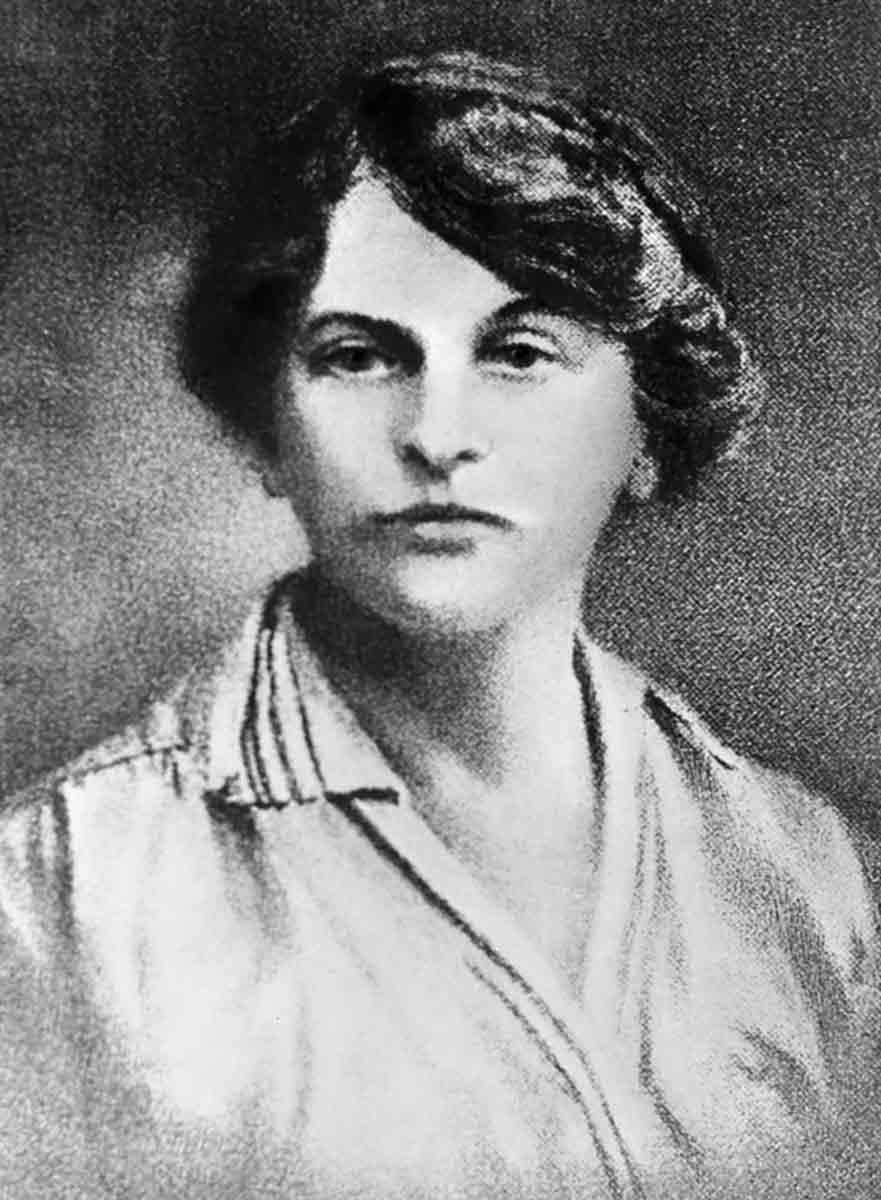
Inessa Armand’s work and struggles for women’s rights were widely censored and suppressed by the ruling elite of the Socialist Party. Inessa Armand was born in 1876 in Paris, France. While in Paris, she joined the charitable work to assist impoverished women. In the early 1900s, Inessa relocated to Sweden to study feminism under Ellen Key, a well-known Swedish feminist and social reformer. Soon, Inessa Armand joined the French Socialist Party, and when she arrived in Moscow, Russia in 1904, she became a member of the Russian Social Democratic Party.
In Moscow, as chair of the Moscow Society for the Improvement of the Situation of Women’s Commission on Education, Inessa took an active role in matters affecting women. Armand was arrested by Tsarist authorities as a result of her social activism; she was eventually forced to relocate to Europe, where she met Vladimir Lenin.
Lenin was fascinated by Inessa’s intelligence, organizational skills, and fluency in four languages. In 1914, he chose Inessa to represent him at the International Socialist Bureau in Brussels, Belgium.
Armand believed that progress and the establishment of a socialist society were the only ways to achieve women’s emancipation. She also believed that women had a crucial role in the revolutionary fight against capitalism. In this sense, Inessa’s vision of the emancipation of women workers had a different ideological background from the formal and legal equality of women, which were the primary concerns of Western feminism at that time.
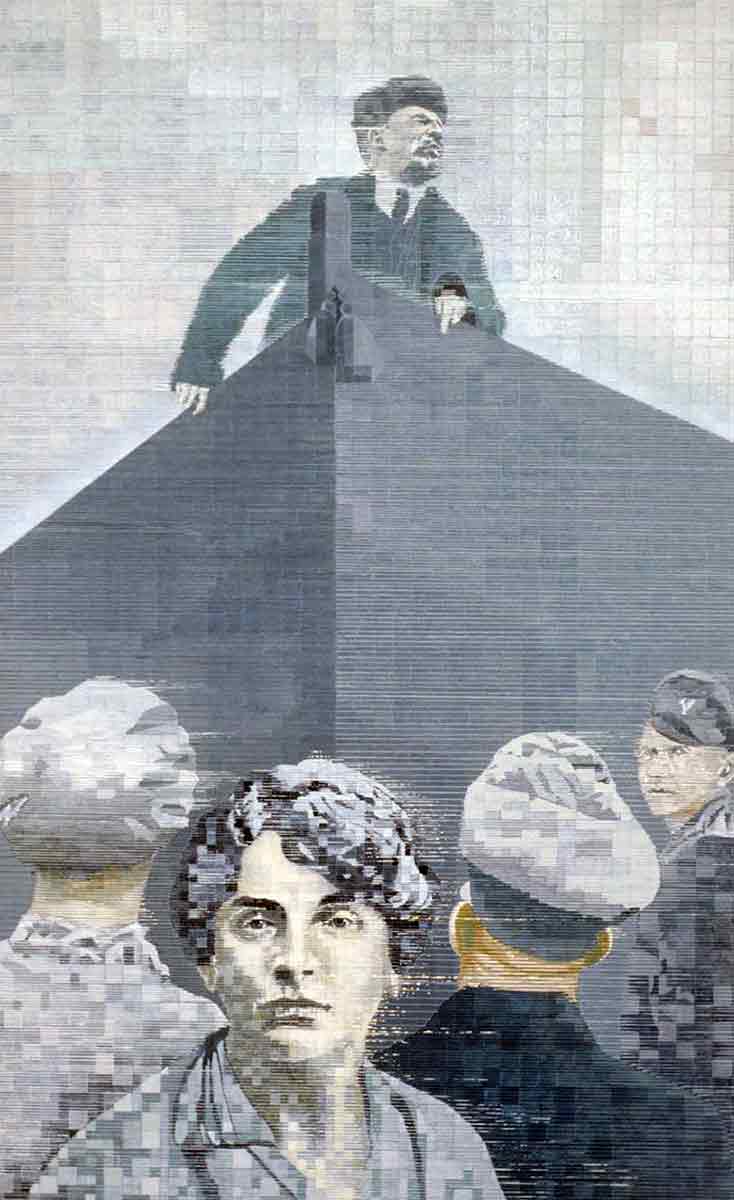
To achieve this aim, Armand, along with her like-minded colleagues, established the Women’s Congress in 1918 following the successful completion of the Russian Revolution. In 1919, the congress obtained official support from the Bolshevik leadership and became known as Zhenotdel (the women’s department of the Russian Communist Party). Under the guidance of Inessa Armand, the Zhenotdel would play a critical role in advocating for women’s equality within trade unions and the Communist Party.
In 1914, she became editor of the women’s section of the magazine Pravda and proved instrumental in launching the theoretical Bolshevik journal The Woman Worker.
Although not widely known for her dedication to socialist ideals and women’s rights, after the October Revolution in 1917, Armand became the most powerful woman in Moscow. In 1920, she chaired the First International Conference of Communist Women. Inessa died in 1920 due to health complications.
3. Valentina Tereshkova (1927- ): The First Woman in Space
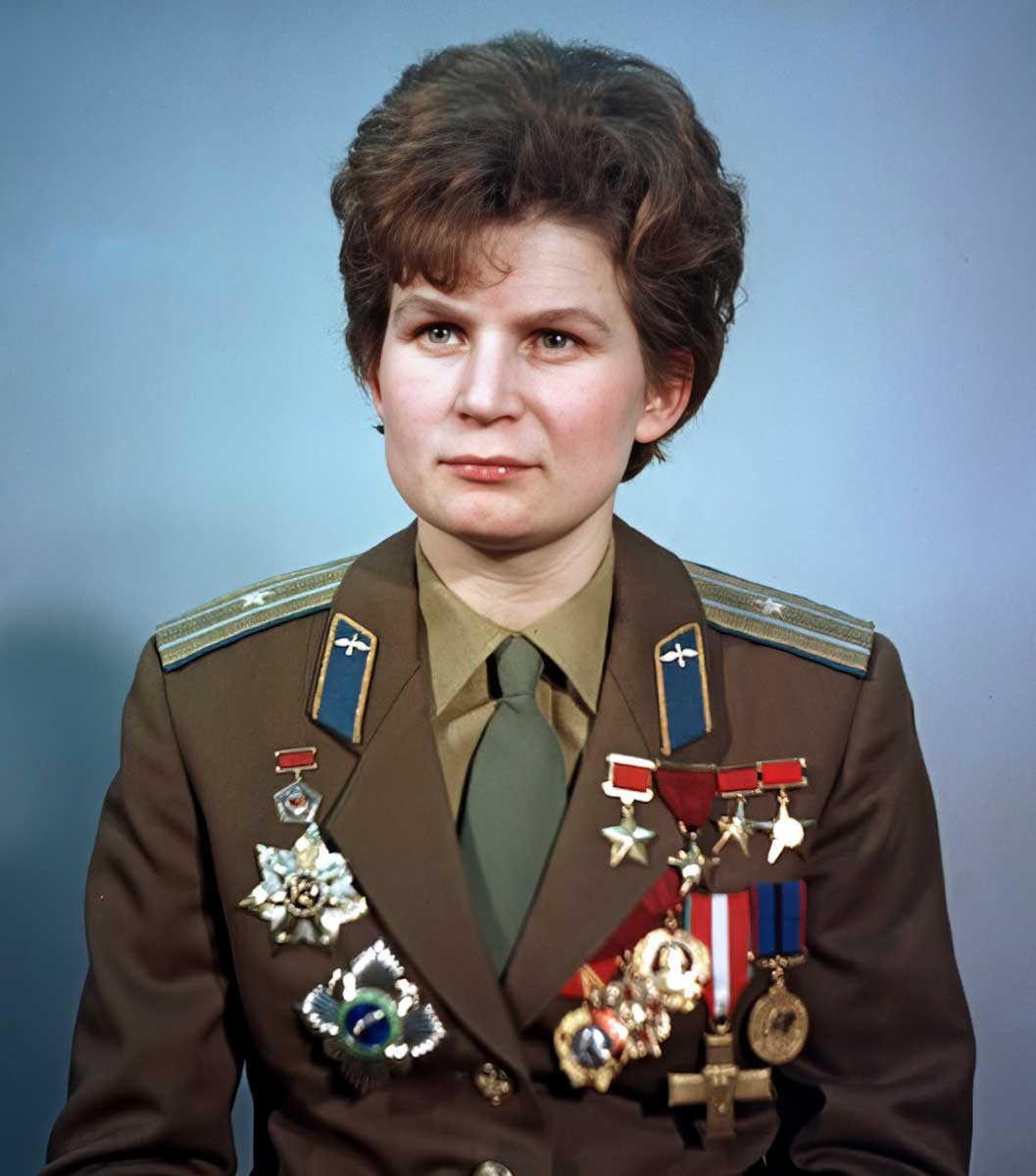
Valentina Tereshkova became the first woman to travel in space on June 16, 1963, aboard the Vostok 6 spacecraft. Born to a peasant family on March 6, 1927, in the village of Bolshoye Maslennikovo in central Russia, Tereshkova spent most of her youth working in a textile factory with her mother. During this period, she joined the local skydiving and parachutist club. When given the opportunity, she appealed to the Soviet Space Program Committee and was chosen from more than 400 candidates.
Tereshkova underwent 18 months of intensive training at the Soviet Air Force and joined the ranks at the age of 24, becoming the youngest woman to fly in space. The Soviet television and other mass media outlets broadcasted Tereshkova inside the space capsule while she addressed the Prime Minister of the Soviet Union, Nikita Khrushchev.
After the successful space mission, Tereshkova received several prestigious medals and held high-level political positions both inside the Soviet Union and globally. In 1966, she became a member of the World Peace Council.
Despite the remarkable start, the gender gap in the space program did not shrink with Valentina Tereshkova. Another 19 years would pass until the second Soviet woman, cosmonaut Svetlana Savitskaya, would travel to space in 1982.
4. Lyudmila Pavlichenko (1916-1974): “Lady Death” of the Red Army
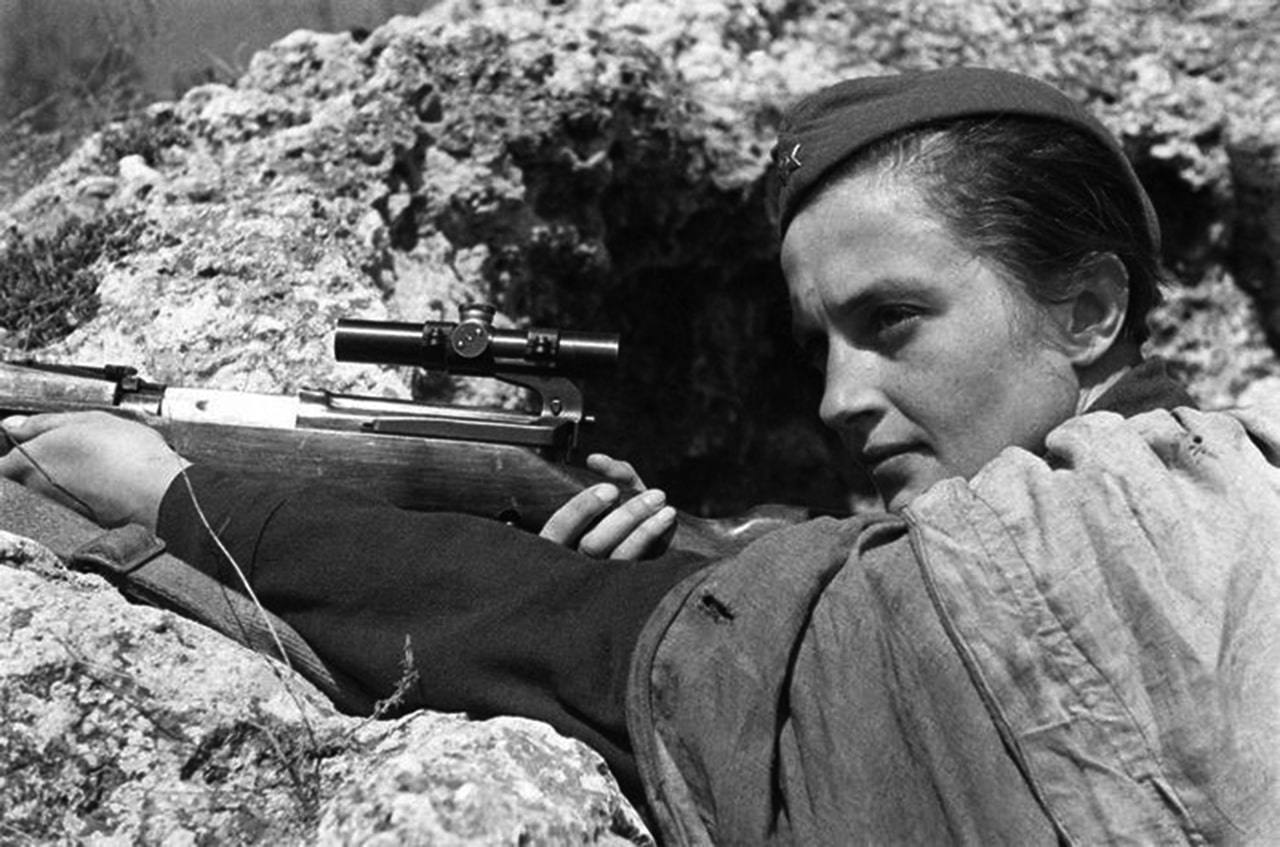
Lyudmila Pavlichenko, born July 12, 1916, in Belgorod, Russia, is regarded as the most successful female sniper in history. In her youth, she joined a shooting club and became an accomplished sharpshooter. In 1937, Pavlichenko enrolled at Kyiv University to study history and attended a Red Army sniping school.
When Nazi Germany invaded the Soviet Union in 1941, Lyudmila was among the first to volunteer at her local recruiting office of the army. Initially, she was appointed to serve as a nurse, but using her background in shooting, she eventually managed to join the infantry. Lyudmila Pavlichenko did not need much time to prove her exceptional abilities in the field. During the Siege of Odessa (August 8 to October 16, 1941), she recorded 187 kills. In the Siege of Sevastopol (October 30, 1941 to July 4, 1942), she killed about 200 Nazi soldiers.
For these achievements, in June 1942, the Soviet Union leadership promoted her to lieutenant and assigned Lyudmila to train other snipers. At the time, she was only 25. To help the Allies form a second front against Nazi Germany, Lyudmila was moved to North America the same year. During this period, the President of the United States, Franklin D. Roosevelt, and the first lady, Eleanor Roosevelt, received her in the White House. Lyudmila became the first Soviet citizen to visit the White House.
After World War II ended, Pavlichenko completed her studies and continued her career as a historian. She later joined the Soviet Navy as a research assistant.
Lyudmila Pavlichenko was the first recipient of the Hero of the Soviet Union award, the highest honor in the Soviet military, out of 2,000 women shooters in the Red Army. There are 309 confirmed kills on Pavlichenko’s record, which makes her one of the most successful snipers in modern warfare.
5. Anna Akhmatova (1889-1966): The First Soviet Poet to Gain International Recognition
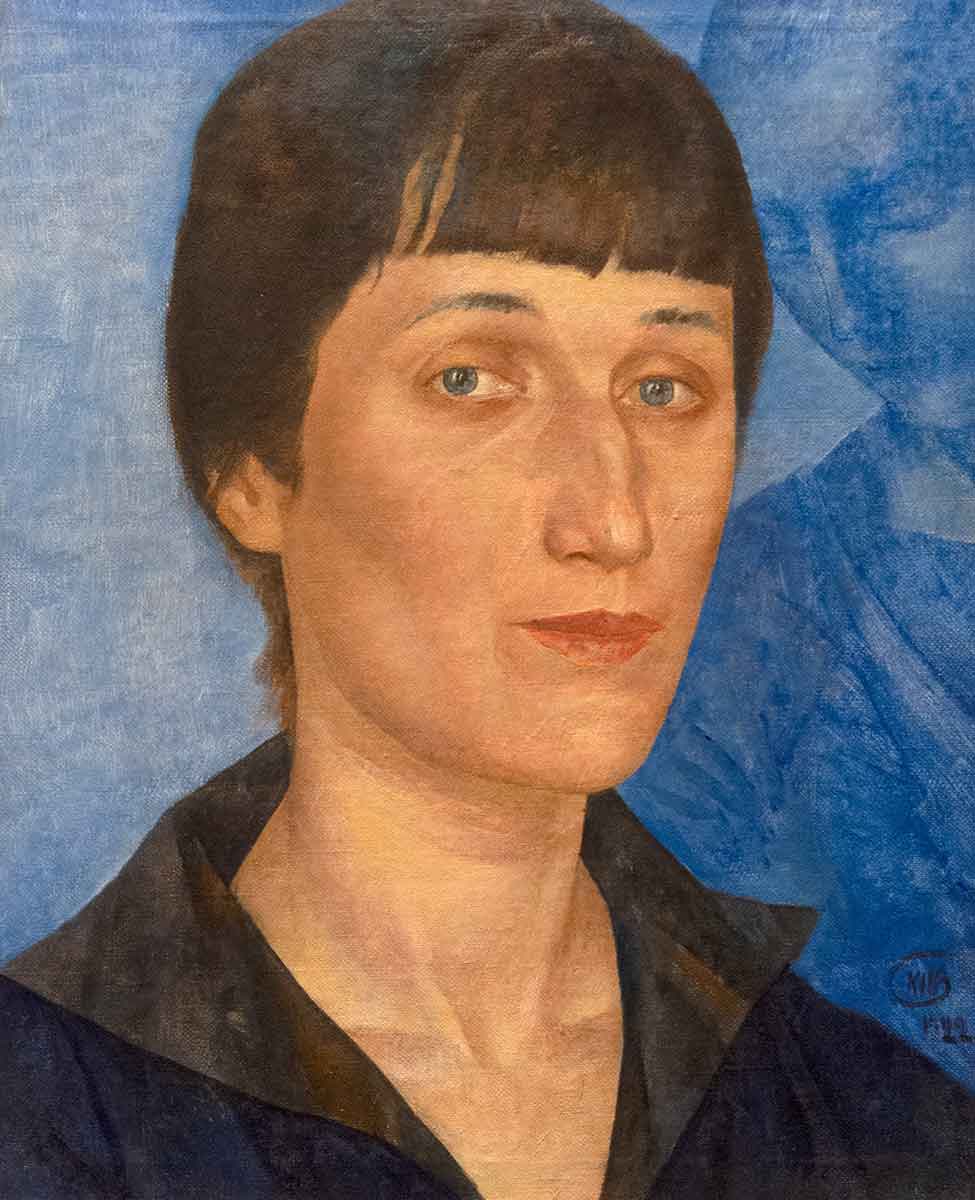
Anna Akhmatova is one of the most famous Russian poets, whose work continues to be admired to this day. Her contemporary Marina Tsvetaeva referred to her as “All of Russia’s sweet-voiced one”—a reference to Akhmatova’s ability to articulate the feelings of an entire nation. As one of Russia’s greatest poets, Akhmatova touched on the themes of love, loss, and political repression. Her most accomplished works are Requiem (not fully published until 1987) and Poem Without a Hero (1967), which are artistic representations of the Stalinist terror.
Born in Odessa in 1889, Anna Andreevna Gorenko decided to write under a pseudonym after her father, a naval engineer of modest bourgeois origin, forbade her from shaming his family by becoming a “decadent poetess.” Her maternal Tatar roots inspired the poet’s literary pseudonym: Anna’s grandmother claimed to be a descendant of Khan Akhmat, who, in turn, had Genghis Khan as an ancestor.
Akhmatova’s life and work are vivid evidence of the horrors that haunted the 20th century. She survived two wars, a revolution, and the blockade of Leningrad. She also witnessed the deportation, imprisonment, and murder of her closest friends and family members.
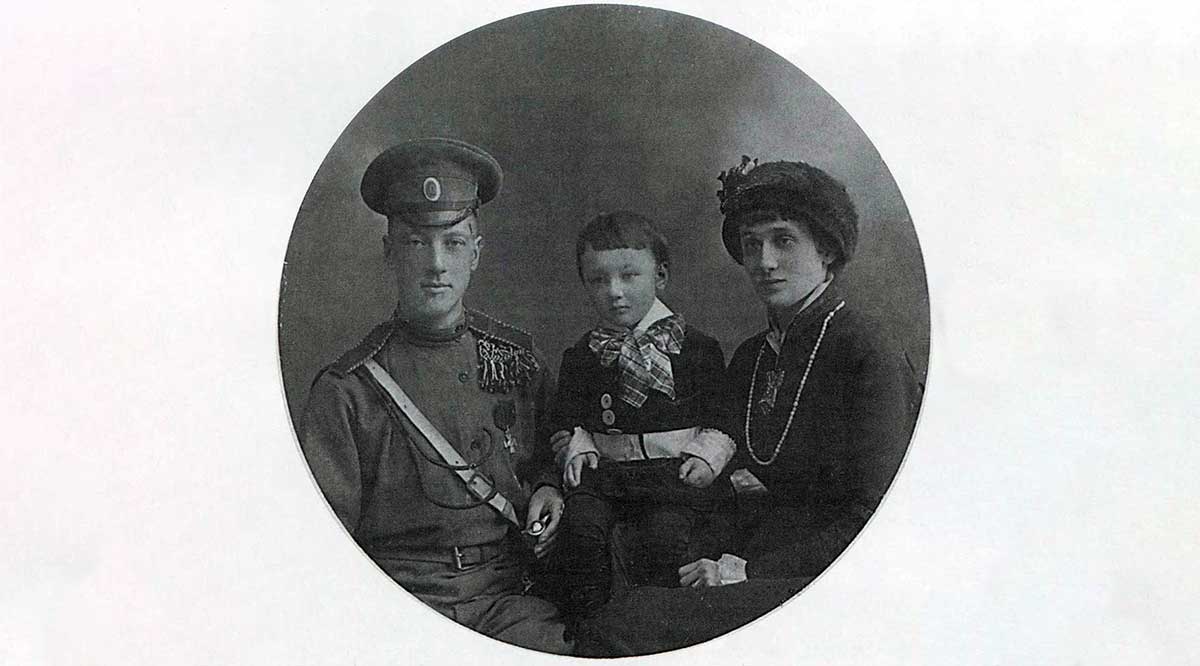
The repeated arrests of Akhmatova’s son, Levi, and his eventual sentence to exile in the Gulags, forced the poet to give up writing, as Anna feared that her poetry would cause more harm to her son. Her difficult situation then was compounded by an unofficial ban on her work. Later, Akhmatova would write that “motherhood is a bright torture. I was not worthy of it.” As a result, she chose to remain silent for almost twenty years.
Isaiah Berlin, the first secretary of the British embassy, described Anna Akhmatova as a “tragic queen,” due to the artistic repression from the Soviet government and her tremendous personal loss.
In 1965, Anna Akhmatova received the Etna-Taormina prize and an honorary doctorate from Oxford University.
6. Alexandra Kollontai (1872-1952): The First Woman Diplomat in the Soviet Union
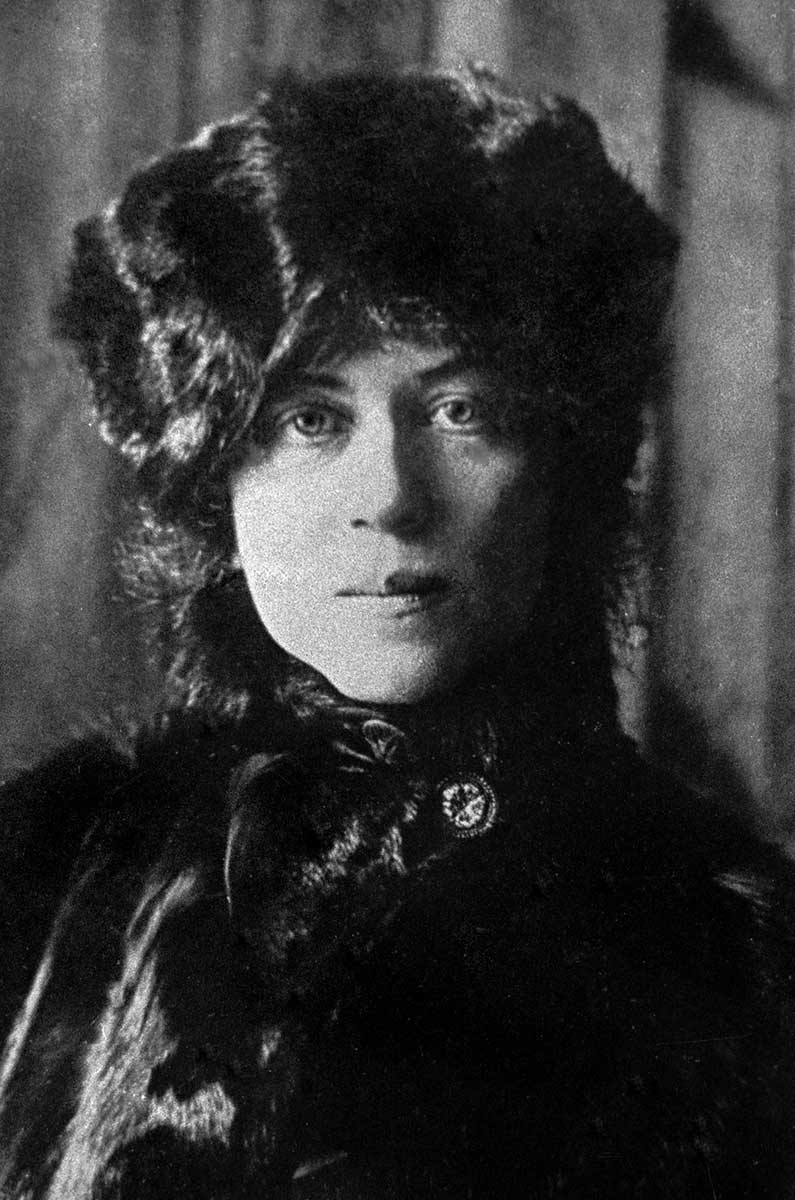
Alexandra Kollontai was the first woman ambassador in the world and the People’s Commissar of Public Charity in the Soviet Union. She was born into a wealthy noble family and had access to a good education, speaking several foreign languages from a very young age.
In 1898, Alexandra relocated to Switzerland and enrolled at Zurich University before moving to Great Britain, where she joined the workers’ movement. Between 1905 and 1907, Alexandra actively participated in the first Russian Revolution, forming close ties with Vladimir Lenin. She ultimately joined the Bolsheviks in 1915.
In the early 1920s, Alexandra asked the Soviet authorities to be assigned diplomatic work. Considering her close ties with the European socialist movements and her working experience in the post of secretary of the International Women Secretariat under the Communist International, she was eventually appointed as the commercial representative of the Soviet Union in Norway and Sweden. Alexandra remarked:
“Naturally this appointment created a great sensation since, after all, it was the first time in history that a woman was officially active as an ‘ambassador.’ (…) Nevertheless, I set myself the task of effecting the de jure recognition of Soviet Russia and of re-establishing normal trade relations between the two countries which had been broken by the war and the revolution. (…) On February 15, 1924, Norway in fact recognized the USSR de jure.”
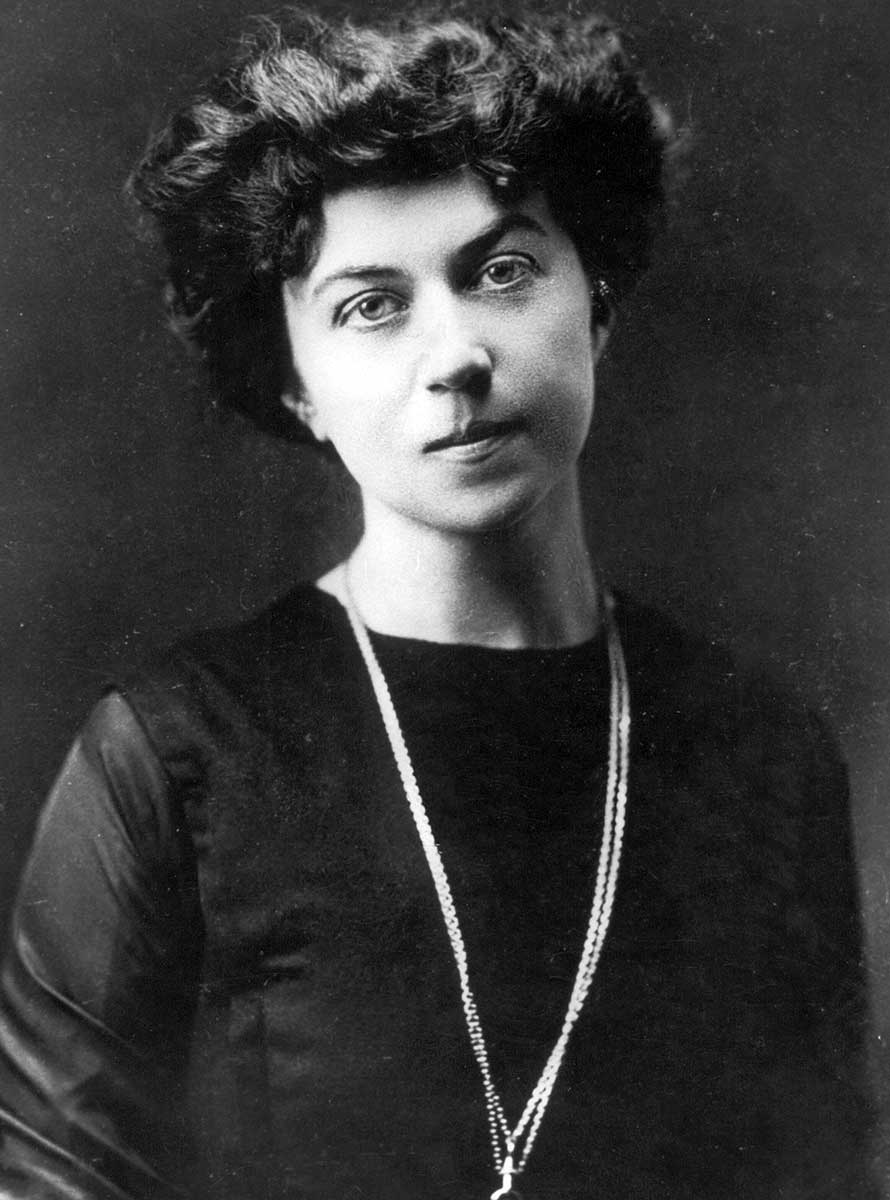
From 1926 to 1927, she also worked in Mexico to support the close relations between the Soviet Union and the North American country. In 1930, Alexandra Kollontai was appointed ambassador to Sweden and became a member of the Soviet delegation in the League of Nations. Until 1945, Alexandra played an important role in regulating Soviet-Scandinavian relations during the Soviet-Finnish War (1939-1940) and negotiated the 1940 Soviet-Finnish peace treaty.
By 1945, Alexandra was forced to resign due to health complications. However, she continued working as an advisor to the Soviet Union’s Ministry of Foreign Affairs.
7. Zoya Kosmodemyanskaya (1923-1941): People’s Hero
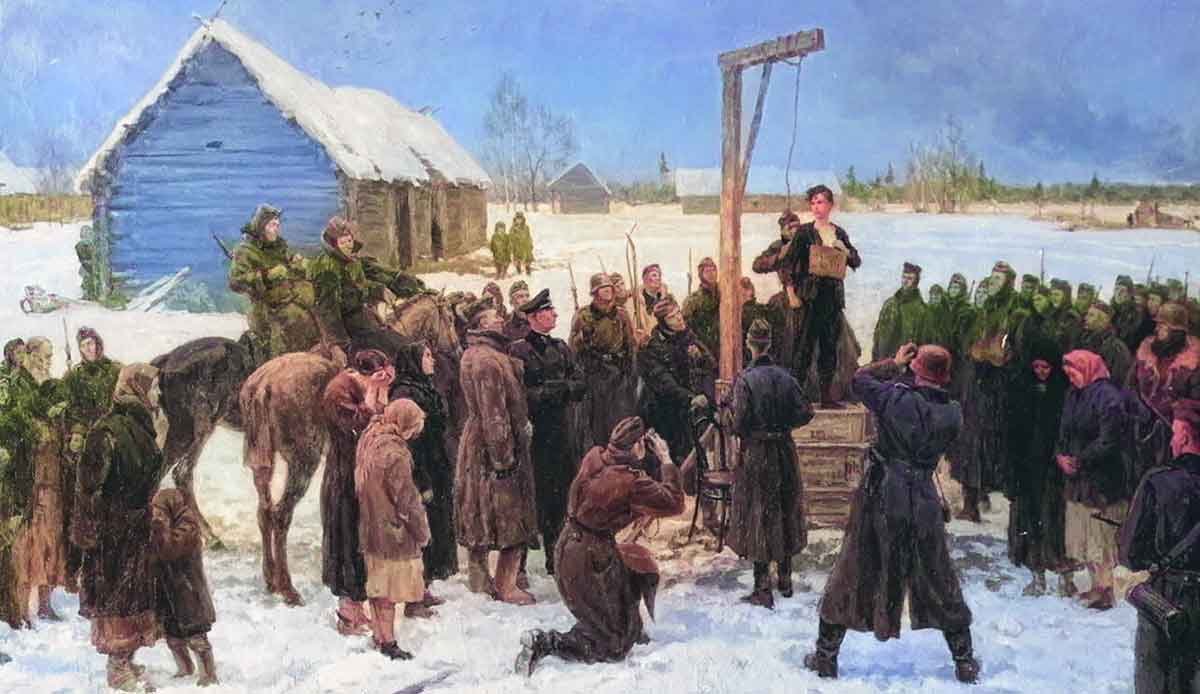
Zoya Kosmodemyanskaya was only 18 years old when Nazi Germany invaded the Soviet Union in June 1941. Still in school, Zoya quit her studies and joined a guerrilla group in October 1941.
To curb the Nazi invasion, the Soviet Union ordered fire to be set to the territories occupied by the Nazi forces. The personnel needed to execute such an order was enlisted from the military unit N 9903, one of the most secret units in the Red Army. Zoya Kosmodemyanskaya ended up being among these recruits.
Before being captured by Nazi forces near the village of Petrisheva on November 27, she managed to disrupt the German field telephone wire, set fire to the German troop quarters, and destroyed a 20-horse enemy stable.
The Nazi soldiers tortured her for two days in an attempt to get her to disclose strategic information. Kosmodemyanskaya was eventually hanged publicly. In her last act of courage, she shouted in front of the assembled crowd:
“Comrades, why are you so sad? I am not afraid to die, I am happy to die for my people […] You are going to hang me, but I am not the only one. There are more than 200 million of us, you can’t hang us all. My comrades will avenge my death. Germans, surrender before it is too late. Victory is ours.”
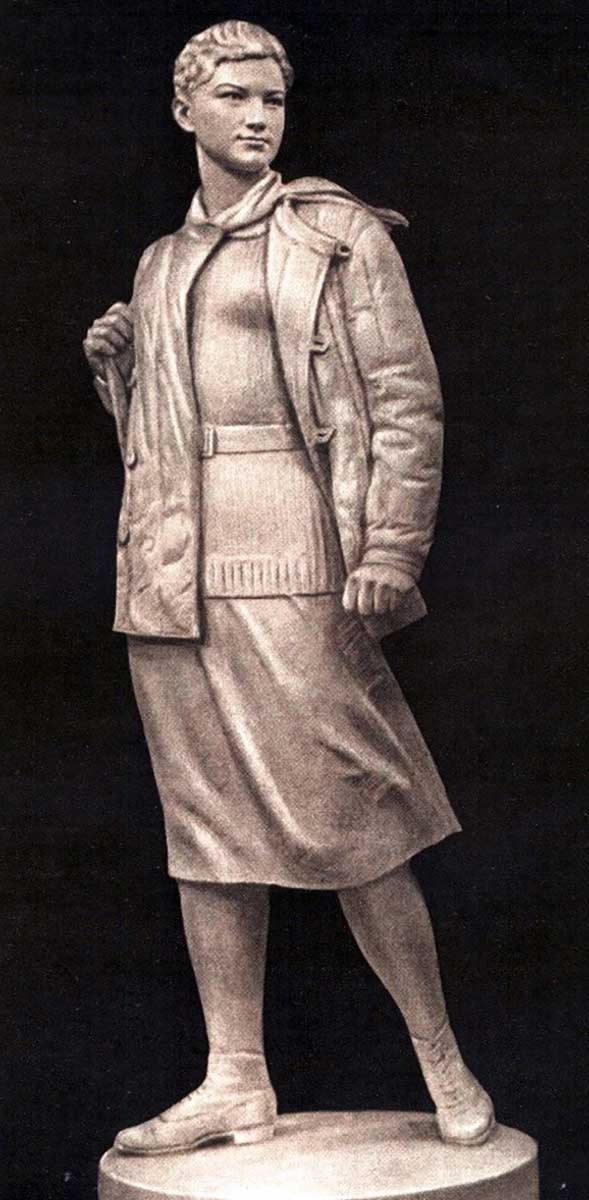
The public execution of a young partisan woman resonated with the war-torn Soviet citizens. In February, journalist Pyotr Lidov published an article in the state-affiliated newspaper Pravda, inspiring the leader of the Soviet Union, Joseph Stalin, to make her a symbol of the role of women during the “Great Patriotic War” against Nazi Germany.
British historian Antony Beevor remarks in his famous book Berlin: The Downfall 1945: “A great number of Komsomol members still carried newspaper cuttings with a photograph of Zoya Kosmodemyanskaya, the young partisan ‘tortured to death by Germans.’ Many wrote ‘for Zoya’ on their tanks and aircraft.”
Joseph Stalin posthumously awarded Zoya Kosmodemyanskaya the title Hero of the Soviet Union. She was the first woman to receive the award.
8. Natalya Gorbanevskaya (1936-2013): Soviet Woman Dissident & Poet
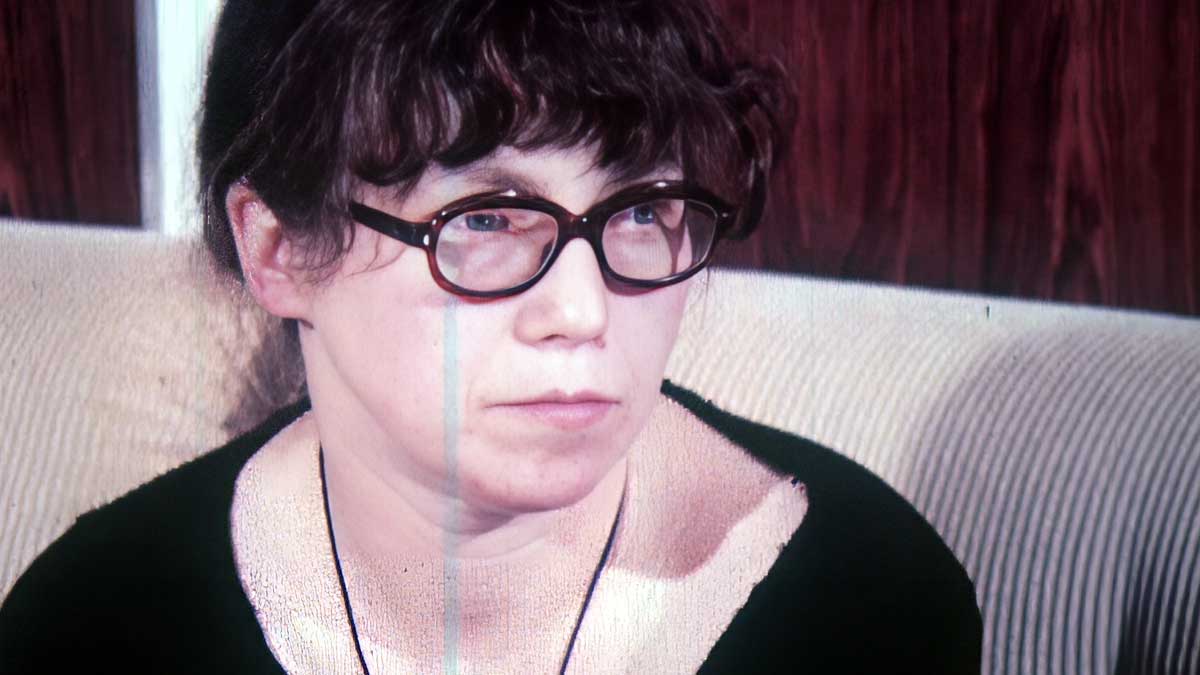
Natalya Gorbanevskaya was a Russian poet and civil rights activist born in September 1936, in Moscow, Russia. In the early 1950s, she was expelled from the Moscow State University due to her political activities related to reading dissident literature and resistance to Soviet censorship. Eventually, Natalya Gorbanevskaya earned a philosophy degree from Leningrad State University and, up until the early 1960s, worked as a translator, librarian, and technical writer.
Despite starting writing in the 1920s, her most notable works are from the 1960s and 1970s, when Natalya actively engaged in civil activism. In August 1968, when the Soviet Union invaded Czechoslovakia, she was one of eight activists who protested in the Red Square. She was carrying her three-month-old son in desperation.
In December 1969, she was detained by the Soviet authorities for taking part in this protest. She spent three years in a mental health facility, which was a common punishment for dissidents. After her release, she relocated to Paris, France.
During this period, she wrote a book called Noon (1970) about the demonstrations and subsequent trials in the Soviet Union. The book was published later as Red Square at Noon in France, the UK, Mexico, and the United States. In Paris, she worked as a correspondent for Radio Free Europe/Radio Liberty and editor of Russian-language publications.
Gorbanevskaya, the legend of the dissent movement, was often hailed as a hero. However, she would object, “I’m not a hero. I’m just an ordinary person.”