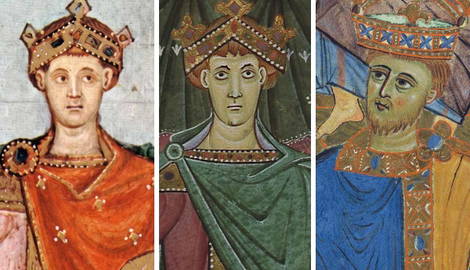

Otto the Great bequeathed a daunting legacy to his successors, but also the potential to build a great empire in the heart of Latin Christendom. This article will explore how the Ottonian Dynasty, the successors to the kingship of East Francia and the Holy Roman Empire, fared…
The Legacy of Otto the Great
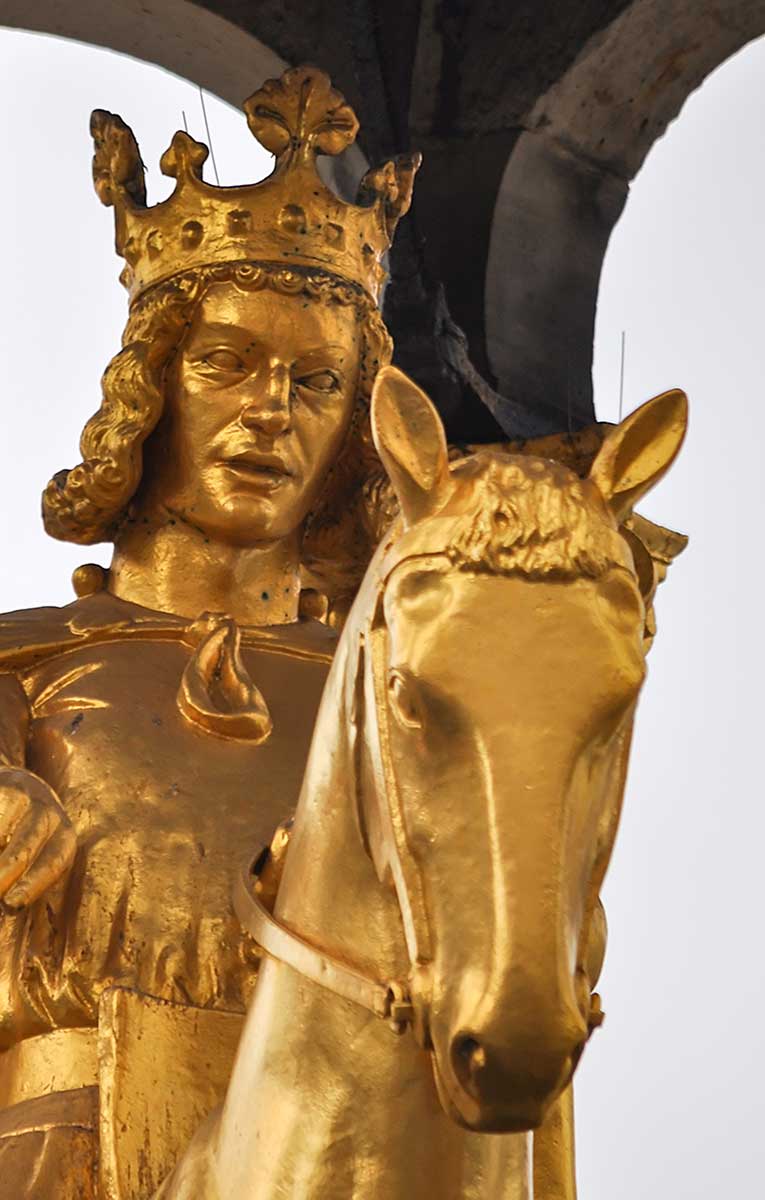
The Ottonian Dynasty was founded under Henry I, King of East Francia, a formidable and effective ruler. However, it takes its name from his son Otto I, whose 37-year reign saw an epic triumph over the Hungarians at the Battle of Lechfeld and an imperial coronation in Rome, earning him the sobriquet “the Great.”
Whilst dynastic succession was beginning to entrench itself in the kingdom of East Francia, it is important to remember that the imperial title was not something that could be easily passed from one ruler to another. The last emperor before Otto had been from a completely different dynasty, the Carolingians, and had died 38 years before Otto’s coronation. The title of emperor was thus something that had to be fought for and was a struggle to maintain. This was an important theme for the later Ottonian rulers.
Otto himself had to fight for many years to gain effective control over Italy, and this allowed him to grant his son the imperial title in 967. Otto had his son crowned as co-emperor whilst he was still alive in order to guarantee his son’s imperial authority. Otto deployed the same tactic with the East Frankish crown, coronating his son as co-king in 961.
Otto II: The Successor
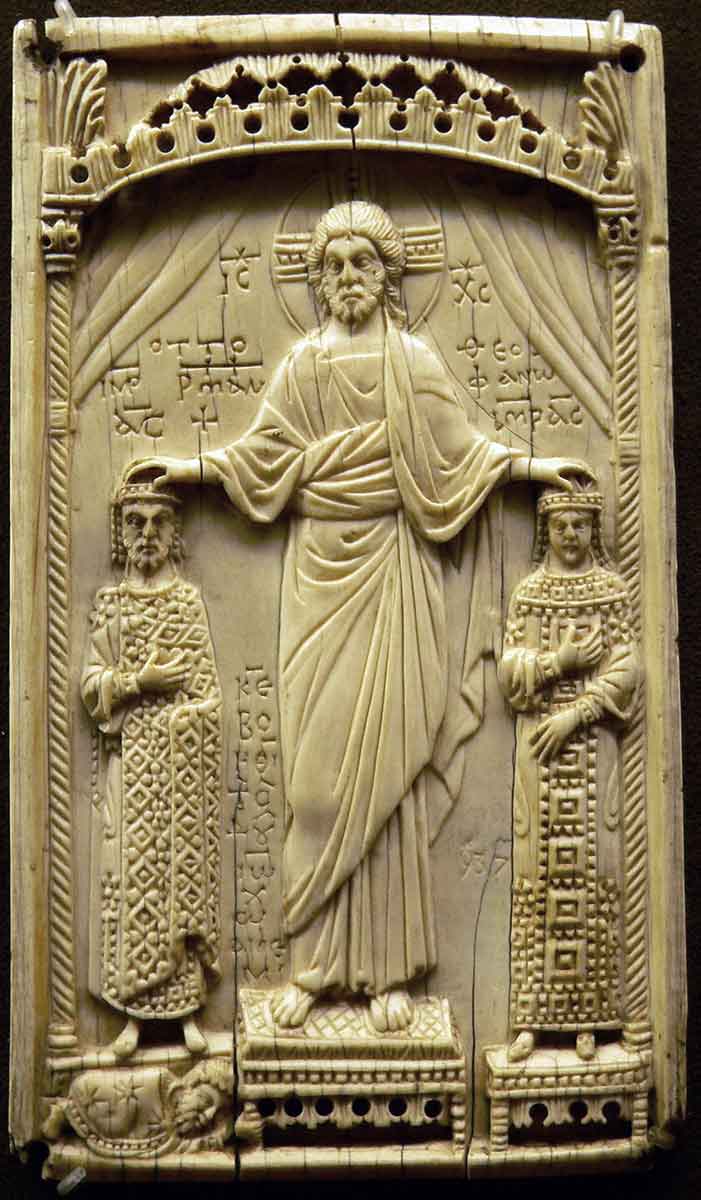
On the death of his father, Otto II was 18 years old. He was well educated; his education had been closely supervised by his mother, Adelheid. Though the fact of Otto’s succession had been clear for many years, he was still formally elected as king by the nobility of East Francia in May 973.
The death of Otto the Great left his wife, the Empress Adelheid of Italy, in a powerful position at court. Indeed, Otto II’s reign would be dominated in many ways by the two women who were closest to him: his mother Adelheid and his wife, the Empress Theophanu, a Byzantine princess. Theophanu was the niece of the Byzantine Emperor John I. She was well-liked by Otto the Great, who ensured she was crowned as co-empress in Rome in 972. She would clash fiercely with Queen Adelheid, who possessed great power in Italy and Burgundy.
Otto faced dynastic issues early in his reign. Bavaria had been ruled since 947 by a branch of the Ottonian Dynasty, the scion of whom was Henry, the rebellious brother of Otto the Great. Henry had passed his duchy to his son, also called Henry, who took after his father in being a restless and disruptive family member. In late 973, Henry demanded to be named Duke of Swabia after the death of the childless duke. Otto refused, naming another family member instead. Henry was incensed and began to conspire with the Duke of Poland against the King.
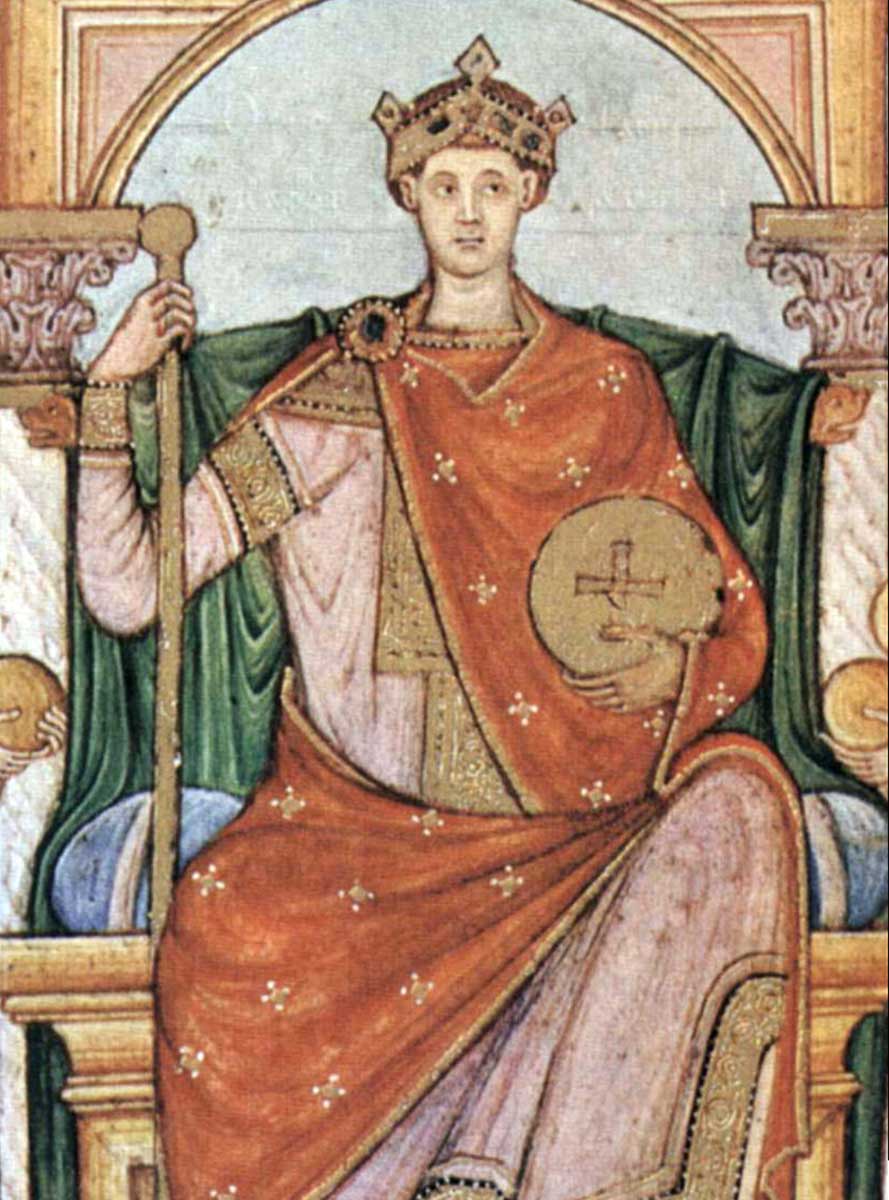
Whilst Otto I had shown leniency when dealing with quarrelsome relations, Otto II arrested Duke Henry as soon as he heard of the plotting. Henry’s escape in 976 precipitated armed rebellion in the southern duchies of Bavaria and Swabia.
Henry also managed to inflame some disturbances within Saxony itself. Though Saxony was the home of the Ottonian Dynasty, many Saxon nobles had long been discontented with the Italianization of the Ottonians. Otto the Great had spent many years of his reign in Italy, and Otto II himself had spent more of his upbringing in Italy than in Germany.
Otto II eventually put down the revolt. He then deposed Henry and totally reorganized the southern duchies of his realm. In his decisive defeat of the rebels, Otto showed a greater decisiveness and power than even his father had during the many revolts in his reign. Yet Otto’s decisiveness made him enemies, and this was not lost on the King of France.
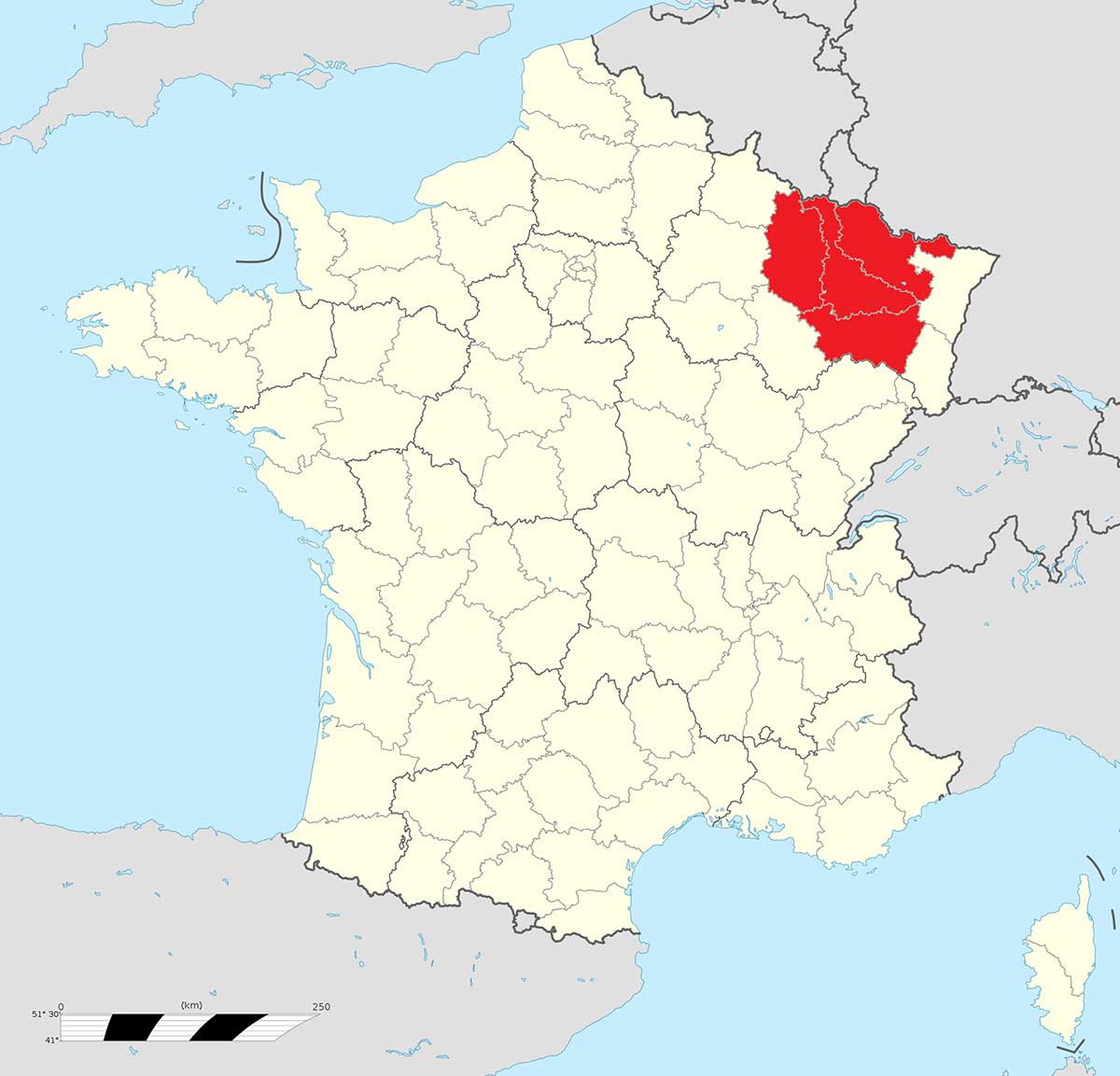
The territory of Lorraine straddled the border of modern-day France and Germany, and, just as in the 20th century, it was claimed by the rulers of France and Germany alike. Sensing discontent with Otto’s harsh rule, King Lothair launched an invasion of the territory, marching his army as far as Charlemagne’s imperial capital of Aachen, sacking the city. Otto and Theophanu had to escape the city to avoid being captured.
The King of France at this period controlled only a small area of territory around Paris, and was a relatively inconsequential ruler next to the emperor. Otto was thus deeply embarrassed by the episode at Aachen and took revenge by launching a raid deep into France and pillaging the countryside. Otto failed to capture any towns or bring any West Francian vassals to his side, and his baggage train was captured by Lothair on his way back into East Francia. A peace was signed between the two rulers in 980.
Otto had brought stability to his western border. But the days of Otto the Great, when the king of West Francia was subordinate to the eastern emperor, were at an end, and the French rulers began to see themselves as equals to their eastern rivals.
After this treaty, Otto began to focus his attention on Italy. With typical directness and energy, Otto and Theophanu marched into Rome in 981 in order to defend the pope against the encroachments of rival noble families. On this trip, Otto, Theophanu, and Adelheid reconciled and celebrated Christmas together.
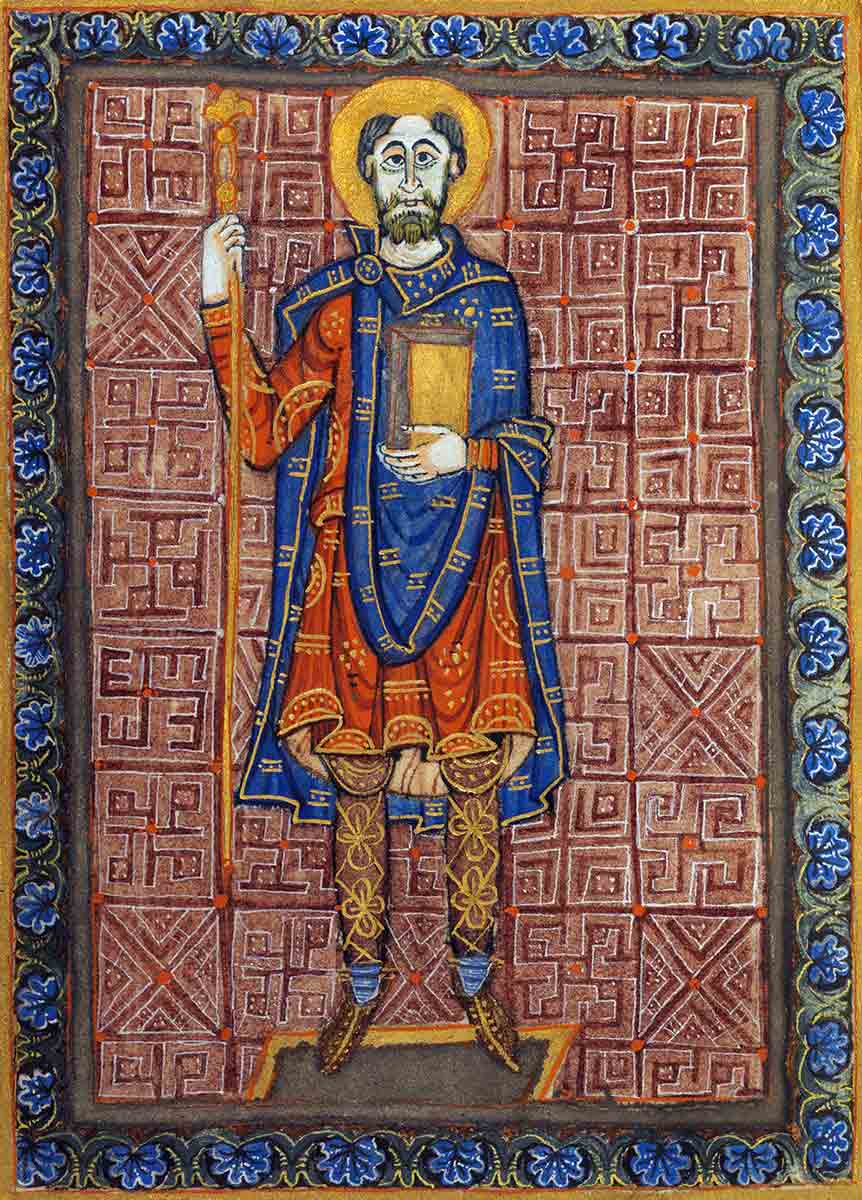
However, the recklessness of Otto II became evident in his policy towards southern Italy. Whilst his father had forged and maintained a careful alliance with the Byzantines south of Rome, Otto II was determined to control the entire peninsula. He was influenced in this by Theophanu, who was hostile to the Imperial dynasty that had assassinated her uncle John I.
Otto’s assault against the Byzantine holdings was successful, capturing the Duchy of Salerno. But he also had to contend with the other power with influence in southern Italy, which was the Fatimid Caliphate, operating from the island of Sicily. Otto suffered a severe defeat at the hands of Fatimid forces in July 982, having to flee on a ship to escape the battle.
Otto was determined to renew his efforts, yet in the spring of 983, he received news from Germany of an enormous Slav revolt east of the Elbe and an attack by the Danes from the north.
There was an even greater danger to Otto lurking in Rome itself: the ever-present threat of disease, which the city was unusually prone to due to the swamps that surrounded it. In December of 983, Otto II succumbed to malaria and died at the age of 28.
Otto III: Imperial Renovation
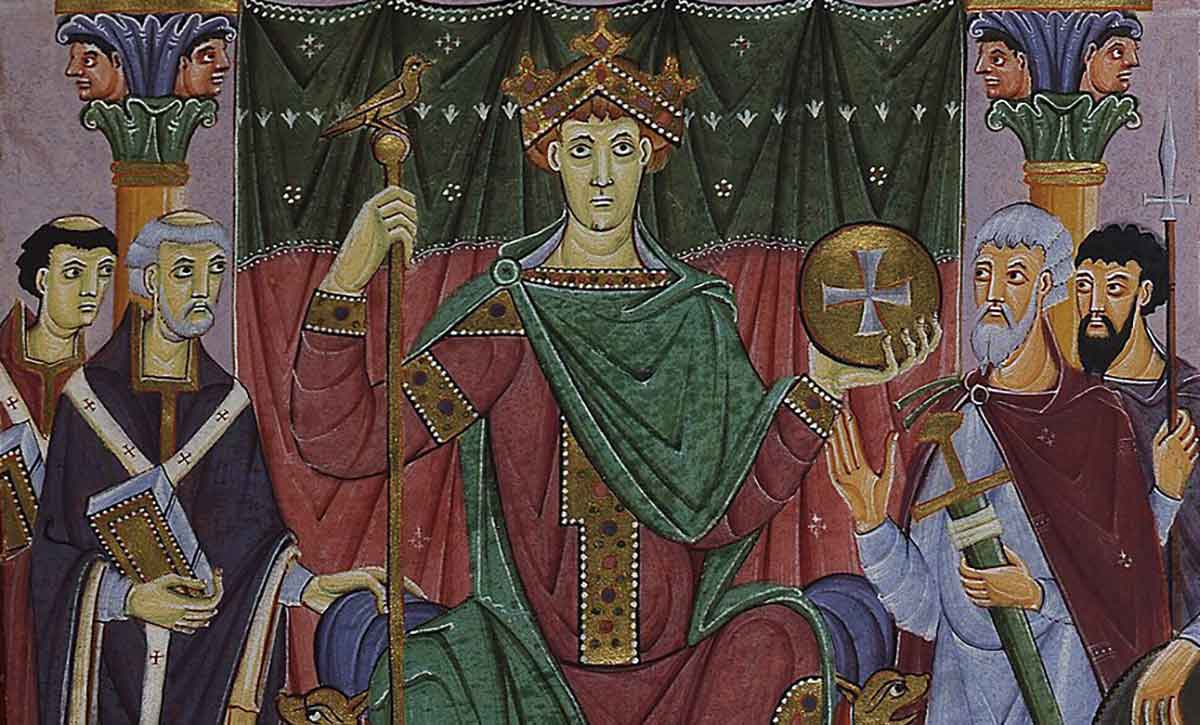
Like Otto II, Otto III had been crowned as king whilst his father was still alive. In fact, he had been crowned in Aachen in the same month that Otto II perished in Rome. However, whilst Otto II was 18 upon his accession to sole rulership, Otto III was a boy of just three. This meant that the boy-king required a regency to rule on his behalf. The nobles of East Francia decided that Otto’s closest male relative should become his guardian. Whilst this was a conventional decision, it is made more remarkable by the fact that Otto’s closest male relative was Henry, the former Duke of Bavaria, who had rebelled against Otto II and spent the previous decade in captivity.
Otto’s mother, Theophanu, was seemingly a better choice for the guardianship of her son, yet the German nobles viewed her with suspicion as an outsider, and with a Slav revolt on the eastern frontier, they were eager for a proven warrior to take command of the realm. However, Henry was determined to claim the throne for himself, and after taking possession of the young Otto, he set about drumming up support for his own claim.
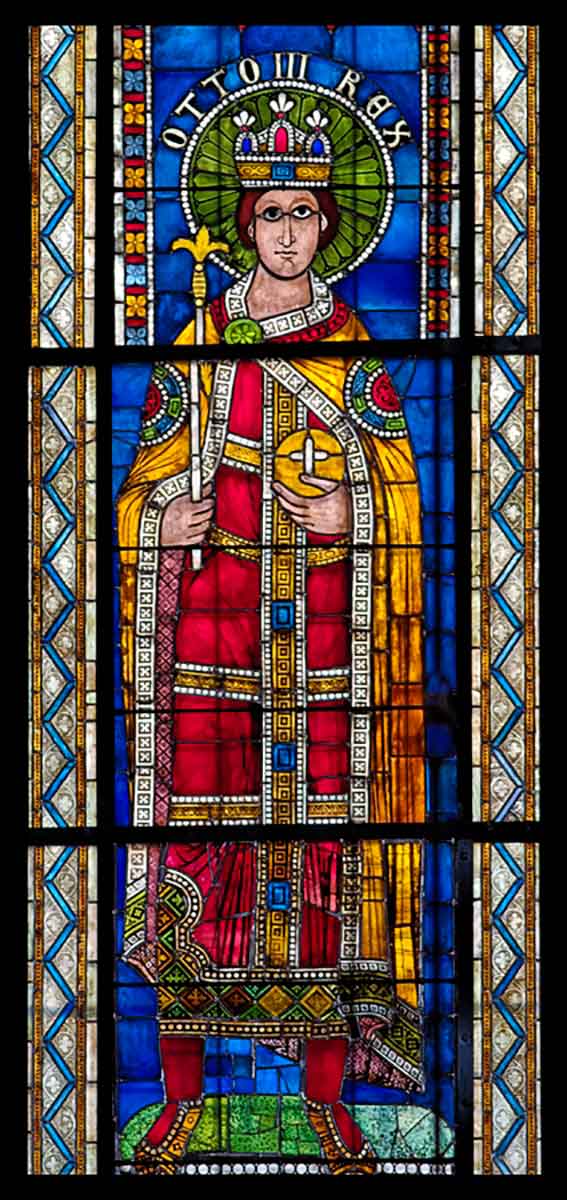
Theophanu had not given up her claim to the regency, and after leaving Rome, she gathered support amongst many nobles in southern Germany. Seeing his support fading away and not wanting to risk civil war, Henry relinquished the infant king to the charge of Theophanu, who now became regent of the realm.
Theophanu skillfully navigated the crises on the borders, forging peace with the rulers of Bohemia, Poland, and West Francia and restoring order to the northern border. Theophanu’s leadership, continued after her death by Otto’s grandmother Adelheid (the great survivor of the Ottonian dynasty), ensured that Otto III would come into his realm with his authority in East Francia and Italy mostly undiminished, despite losses on the Eastern border after the Slav revolt of 983. Otto’s coming of age in 994 saw the end of Adelheid’s involvement in high politics.
Otto assumed royal power at an assembly at Sohlingen in September 994. Right away, he demonstrated vaulting ambition and a flair for the dramatic. He announced his intention to march on Rome and demand the imperial crown (Otto II had not crowned his son as emperor during his lifetime) and stated his intention to marry a Byzantine princess. The young Otto was highly educated, and contemporary sources depict him as a compelling and fascinating personality.
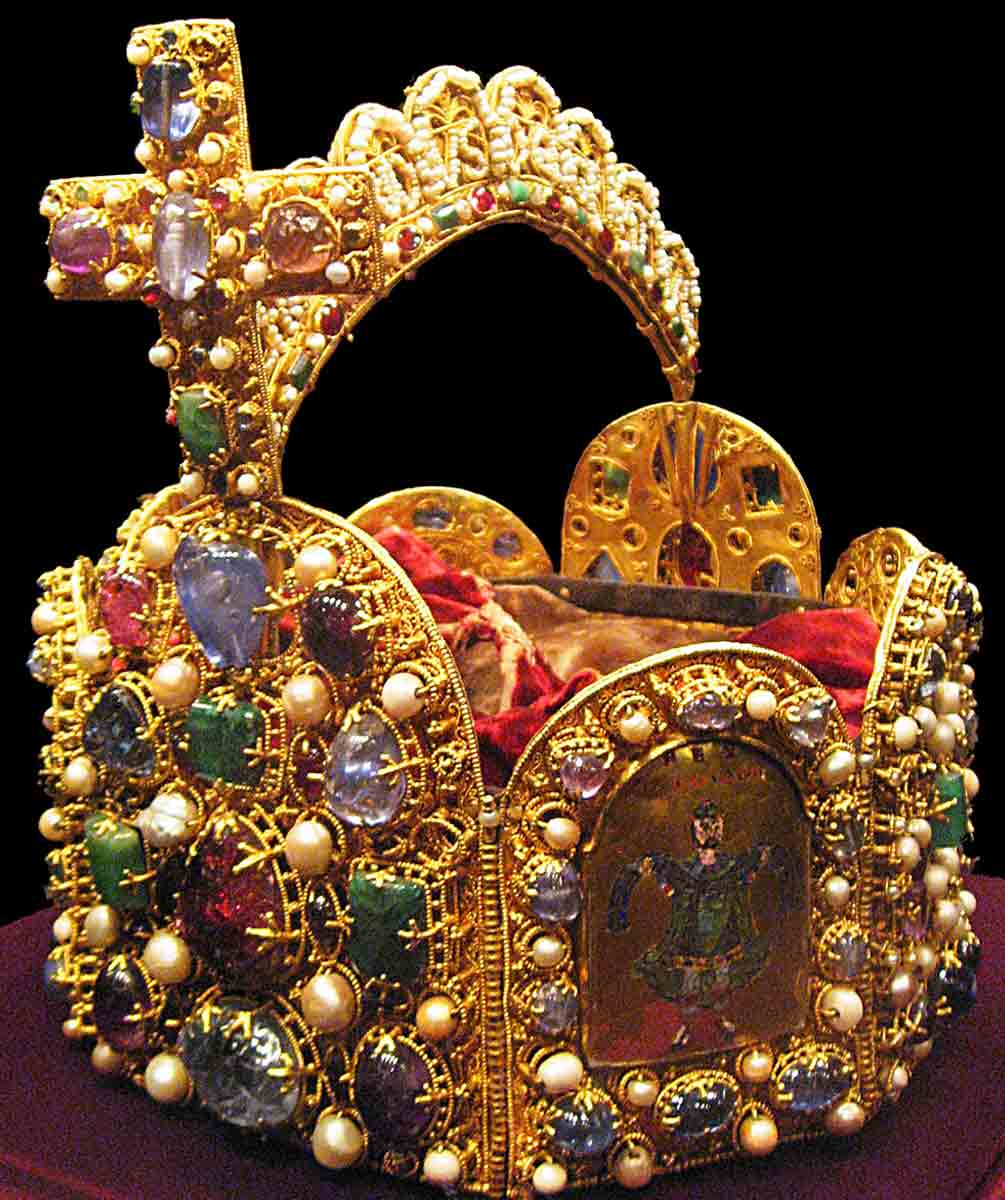
In 995, Pope John XV appealed to the young king for help against his many enemies in Italy, and Otto seized this opportunity to march south in 996. The pope died before Otto arrived in Italy, thus presenting him with the opportunity to appoint the next pontiff. Otto caused shock by appointing his cousin Bruno, a 24-year-old German and close adviser to the king, to the holy see.
A few days later, the new Pope Gregory V crowned Otto III as emperor in Rome. Never before had pope and emperor been so united. Following his coronation, Otto III adopted a new title: Romanorum imperator augustus. This symbolized Otto III’s desire for a much closer relationship with Rome than his father or grandfather had. Otto wanted to fuse Rome and its church into his imperial domains.
Otto returned to Germany in the winter of 996 and oversaw the baptism of King Stephen of Hungary, the first Christian ruler of a people who had been raiding the German lands 40 years earlier. Yet, as his grandfather Otto the Great had discovered, Rome was a tempestuous city that would not easily bow to the imperial will. In 997, the Romans declared the elevation of Gregory V invalid and set up a rival pope. Otto III descended on Rome in the winter of 997 and had the rival pope mutilated and deposed.
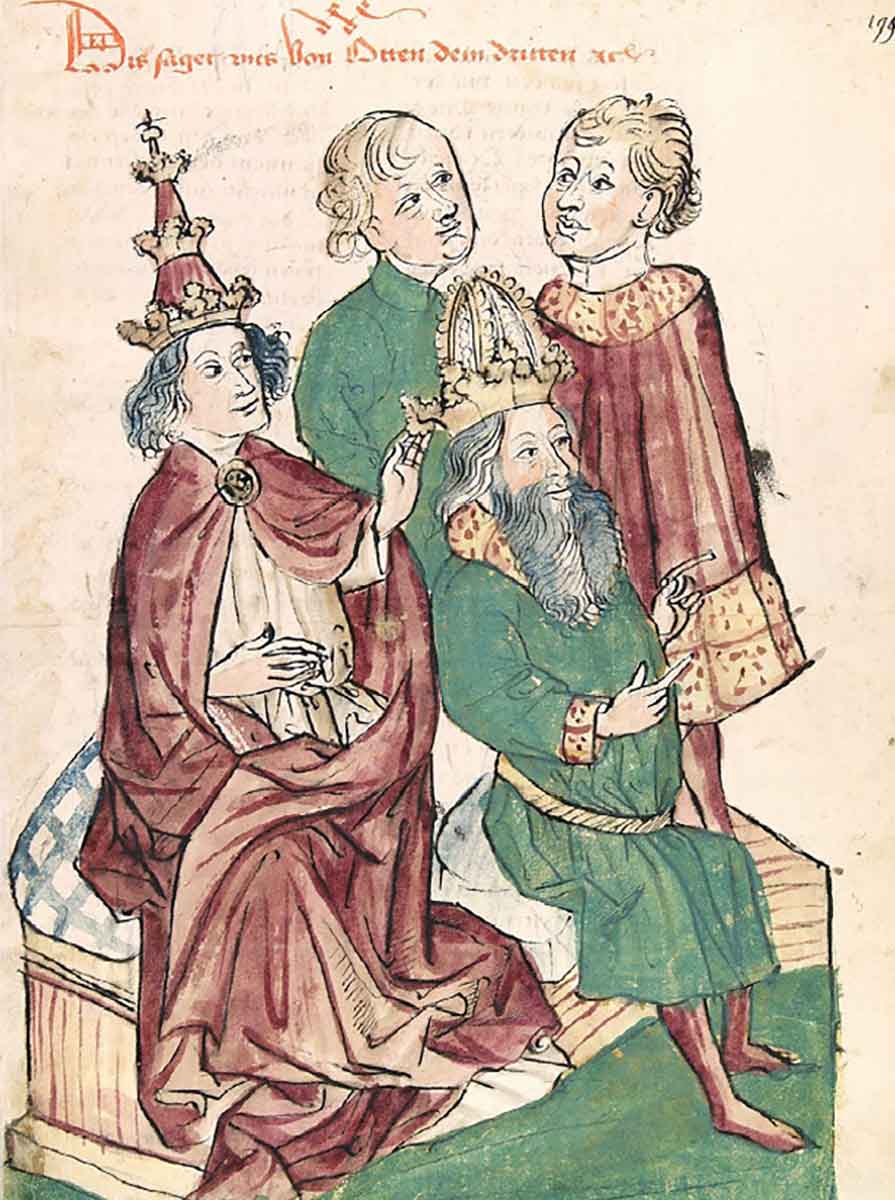
Otto now made Rome the administrative capital of his Empire. He was determined to follow the imperial examples of ancient Rome and of the Byzantines in the performance of his rule and in the customs and rituals of his court. Otto had a palace constructed on the Palatine Hill, the palatial site of the Roman emperors of old. Otto gave his administrators and military commanders Byzantine titles.
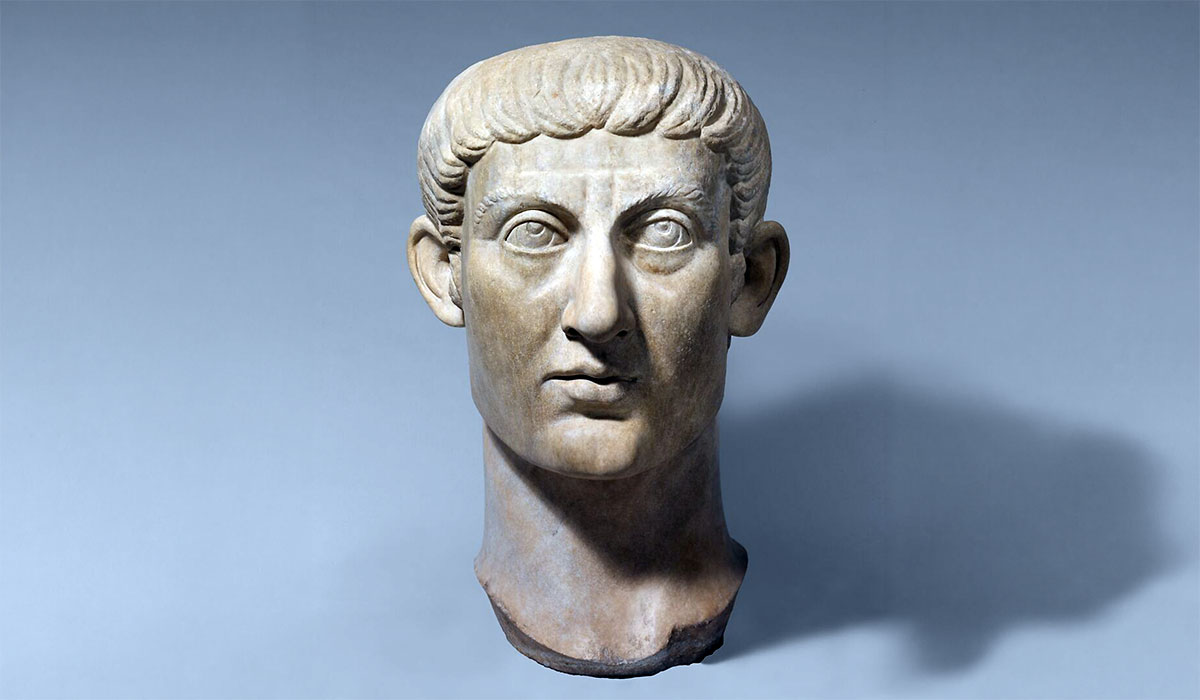
Residing in Rome and allying himself closely with the pope were central to Otto’s desire to fuse the authority of the Roman church with that of the Emperor. When Gregory V died in 999, Otto appointed another close ally to the papal throne, who took the name Sylvester II. It was no coincidence that the 4th-century Sylvester I had been bishop of Rome alongside Constantine the Great, the first Christian Emperor. Otto was proclaiming himself to the world as the new Constantine.
The death of the German chancellor, the king’s chief advisor, in 998, gave Otto III the opportunity to unite the chancelleries of Italy and Germany into a single office. This meant that the two realms would no longer be treated as separate administrative entities, but as a united empire. To this same end, Otto reshaped his relationship with the Duke of Poland, bringing Poland into the sphere of the empire through a lavish ceremony with the Polish duke Boleslaw.
Otto was a deeply spiritual man. Alongside Imperator Augustus, he proclaimed himself “servant of the Apostles” in his official titles. He went on pilgrimage frequently, where he would dress in rags and walk barefoot for miles, and he fasted regularly and wore a hair-shirt.
After spending time in Poland and Germany, Otto III returned to Italy in the year 1000, where he had to deal with yet more rebellions in Rome and various Italian towns. It was in the midst of sorting out the situation in Italy that Otto suddenly fell ill in January of 1002 and died at the age of just 21. It is likely that he died of Malaria, just as his father did after spending so much time in Rome. He left no children behind him, and his dream of imperial renovation would die with him.
Henry II: The Saintly Emperor
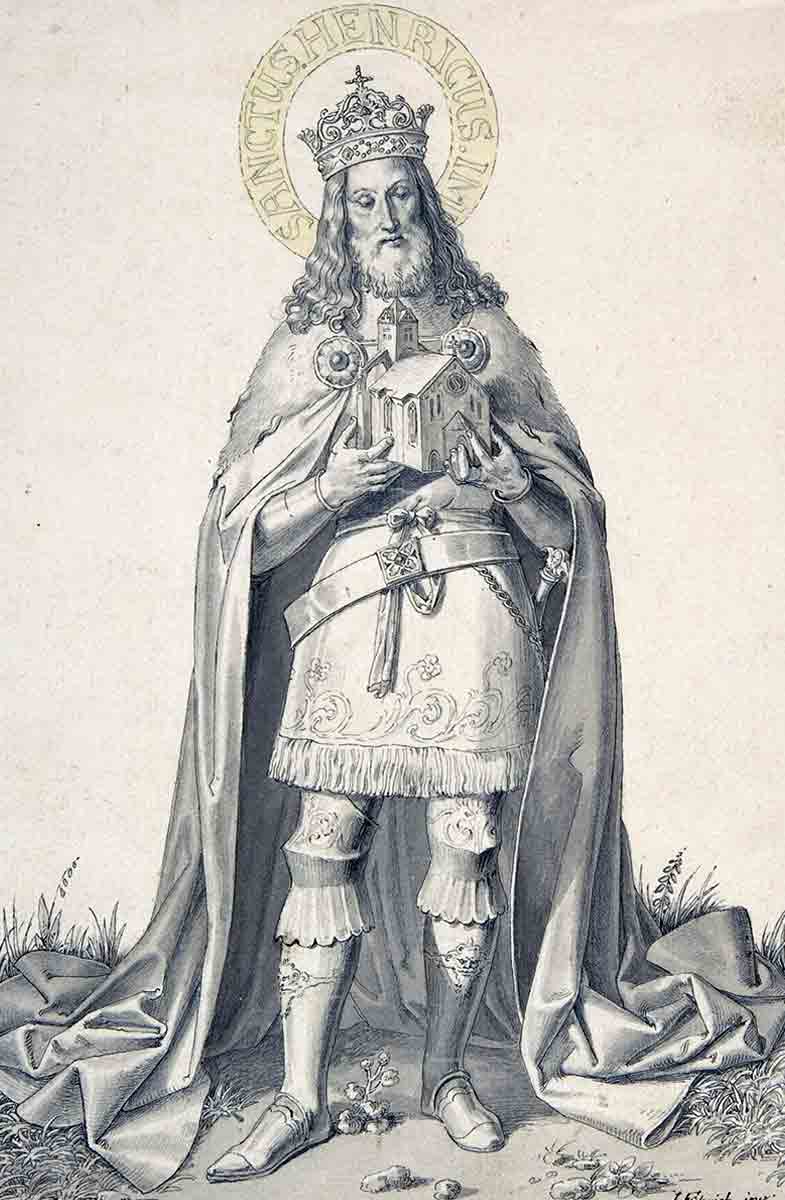
Henry was from a branch of the Ottonian Dynasty from which troublemakers had long sprouted. His grandfather was the rebellious Duke Henry of Bavaria, whilst his father was the equally rebellious Duke Henry II of Bavaria. Henry was an appealing choice as king, not only for his ancestry but for his age. He was 29 when he was anointed and crowned in Mainz Cathedral.
Otto III’s dream of restoring the greatness of the Roman Empire was in tatters. Rome had expelled all German influence, whilst the Italians had risen up and elected a new king of Italy. Yet unlike his predecessors, Henry II was intent on strengthening his kingship within the German lands first and foremost, and was determined not to get dragged into the quagmire of Italian politics.
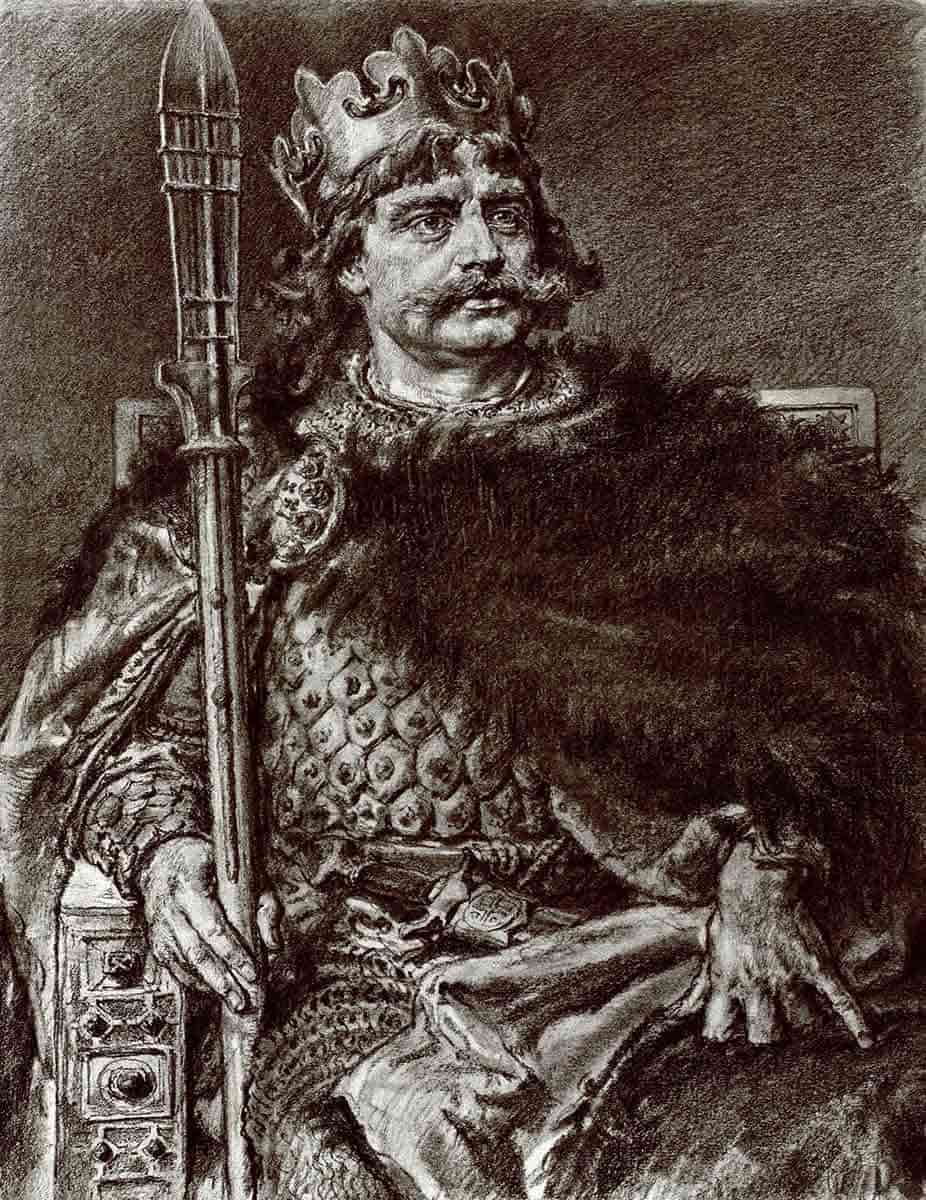
To secure his power in Germany, Henry first set about restoring order to the ever-problematic eastern border. Duke Boleslaw of Poland was not loyal to Henry II, as he was to Otto III, as he disputed the former’s succession. Boleslaw had taken control of German territories west of the Oder River.
Boleslaw came to the German city of Merseburg to negotiate a peace in 1002. Negotiations went well and a compromise was agreed, but on his departure from Merseburg, Boleslaw was ambushed by a group of knights and barely escaped with his life. The Polish leader blamed Henry II and declared war. Whether Henry was involved in the attempt on Boleslaw’s life is disputed by historians.
Boleslaw was an increasingly powerful ruler of an increasingly coherent Polish state, and in 1003, he conquered Bohemia as well. With such a powerful foe on his eastern border, it is unsurprising that Henry spent much of his reign at war with Boleslaw. War raged until 1013, with Henry forced to make a compact with the pagan Slavs to aid him against Boleslaw. Attempts at peace were made in 1013, but this soon broke down and war resumed until 1018, when a lasting peace was constructed. Neither Henry nor Boleslaw was comfortable with each other, but both realized that neither could destroy the other.
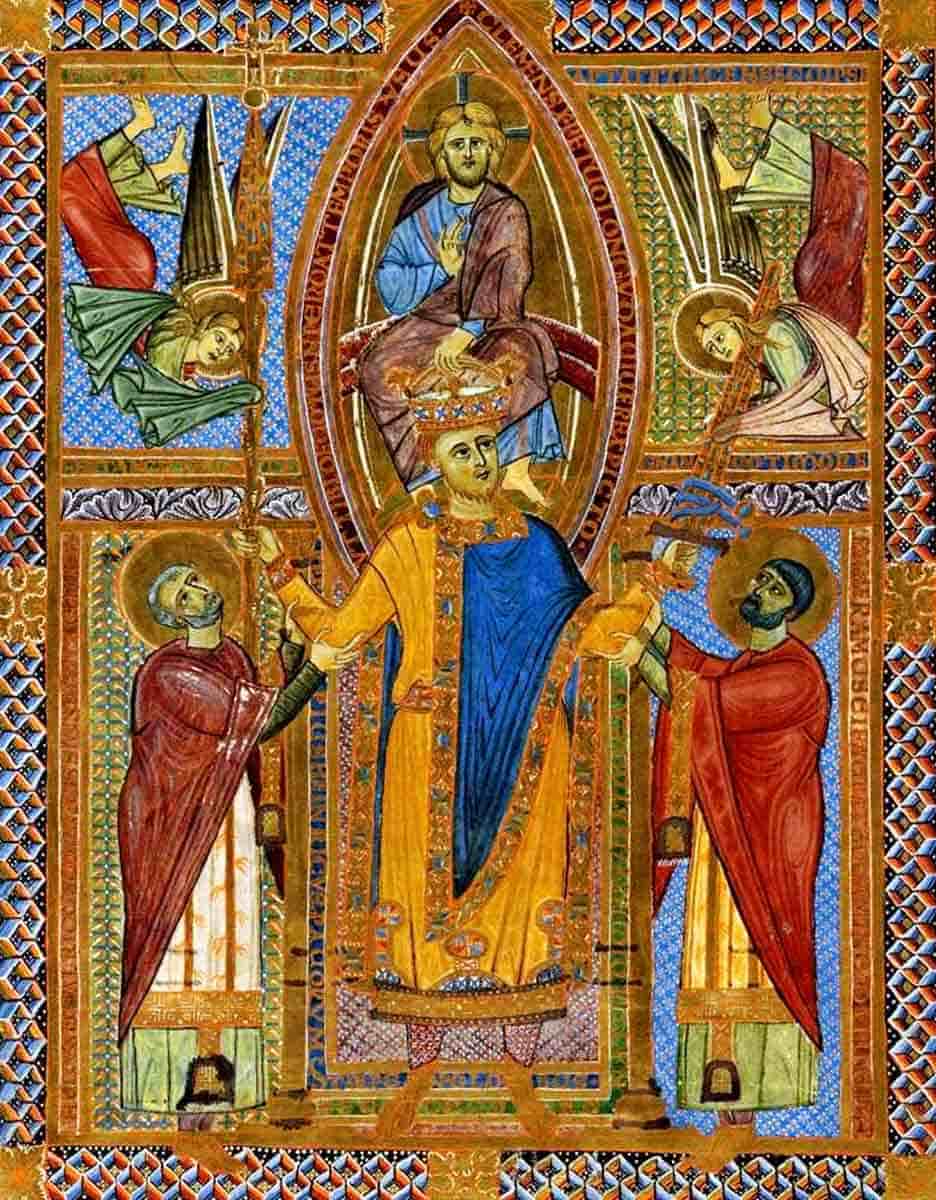
Henry saw more success in his approach to Italy. In 1004, he stormed into northern Italy to reassert Ottonian authority and was crowned as King of Italy. Yet Henry was determined not to get dragged into the Italian quagmire, and he spent most of his reign in Germany, attending to the eastern border.
Yet, by 1012, Henry’s authority in Germany and Italy needed a boost, since a “king” could not wield the same authority as an “emperor.” Henry used the brief respite in the Polish wars of 1013 to lead an expedition to Rome, where he was crowned as emperor in February 1014. Twelve years into his kingship, Henry II was finally an emperor like his predecessors.
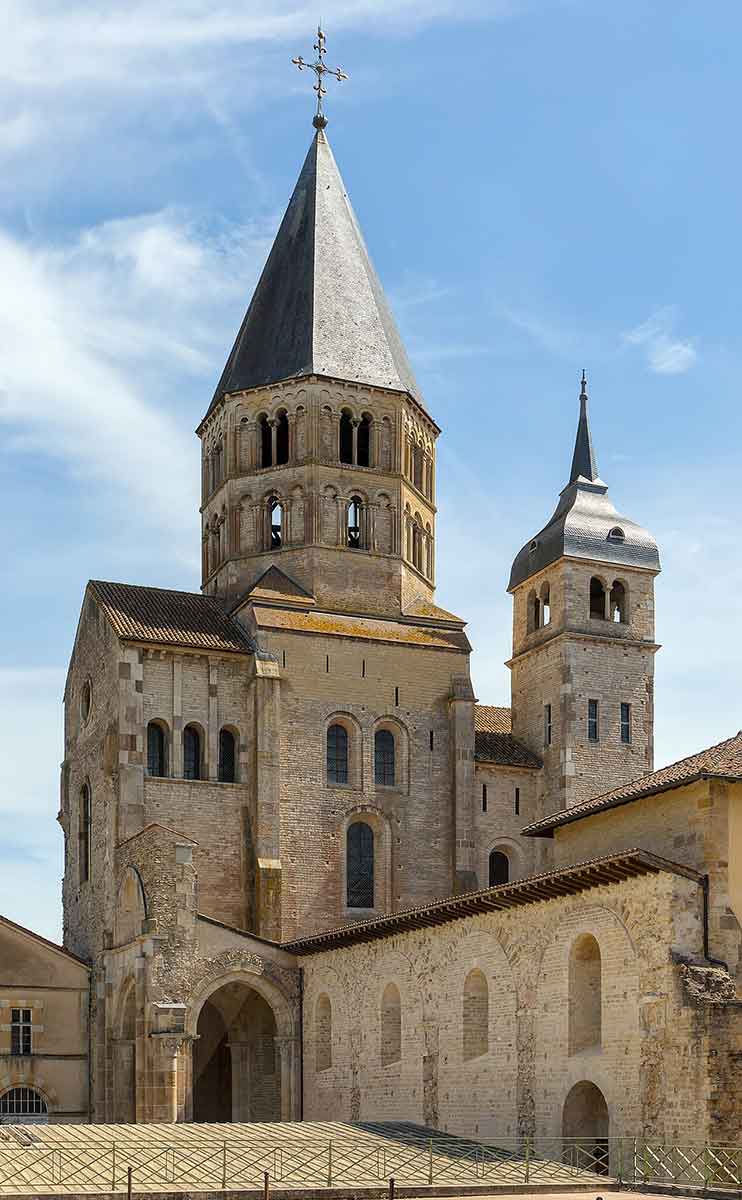
Like Otto III, Henry II was a deeply pious man. Henry’s piety manifested itself as a passion for reform of the Church, and this would prove to be Henry’s most important legacy. He was a ruler who had as much of an eye towards the spiritual realm as to the temporal. Henry was determined to transform his kingdom into the House of God.
He set about reforming the Church at every level, encouraging priestly celibacy and attempting to stamp out simony (paying for a church office). His reforming zeal was aimed at monasteries as well as the church hierarchy, where he forged strong connections with the Cluniac reformers.
Henry surrounded himself with bishops and promoted the most talented theologians to prominent positions at his court. Within his realm, it was Henry, and not the pope, who was the ultimate authority on all church matters. With the pope’s authority being so weak at this time, Henry became the dominant figure in the Western Latin church.
Henry’s church reforms would have two immense consequences for the future. One was that his reforming zeal would soon infect Rome, where churchmen nominated by Henry would commence a program of reform that would sweep the Roman Church and ultimately all Latin Christendom, leading to the meteoric rise of the Papacy in the following centuries.
The second consequence was that Henry’s authority over church matters would lead the reforming popes to seek separation from the emperors and to assert their own authority over the Church. This road would lead ultimately to Canossa in 1077 with Henry II’s distant successor, Emperor Henry IV, begging for Pope Gregory VII’s forgiveness in the snow.
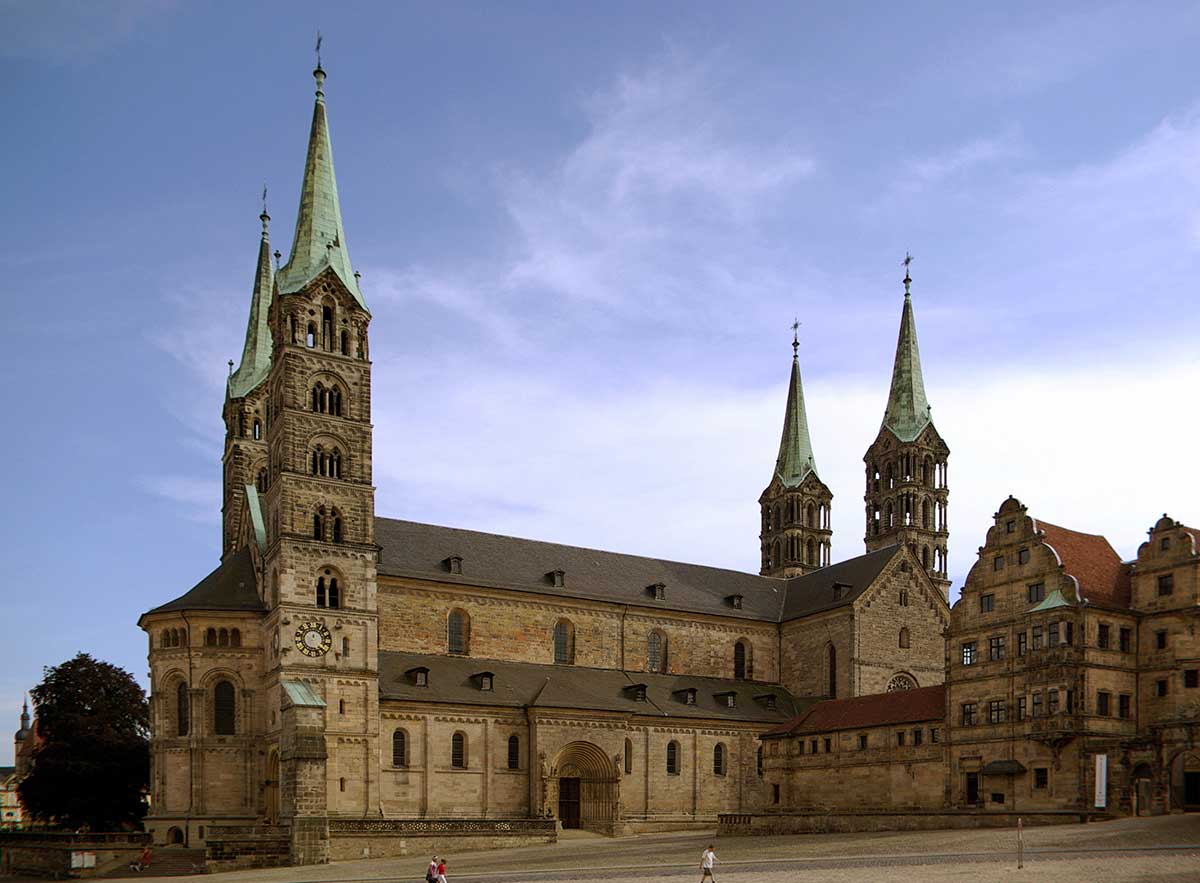
Henry died in July of 1024 and was buried in the cathedral of Bamberg. Henry had no children, and the Ottonian Dynasty ended with him, having ruled in the German lands since 919. He was succeeded by Conrad II, who initiated the Salian Dynasty. Henry was canonized as a saint by Pope Eugenius III in 1147.