Should we separate the artist from the art? What should we do when famous artists commit crimes? Should museums take their artworks down? Or should we tolerate them because they lived in different times? Can we appreciate an artwork only for its aesthetic qualities? Scholars, museum professionals, and the public have posed these questions about many Western artists and their artworks. The idea of canceling them looms over them as museums try to deal with their complicated past.
Famous Artists Under Scrutiny
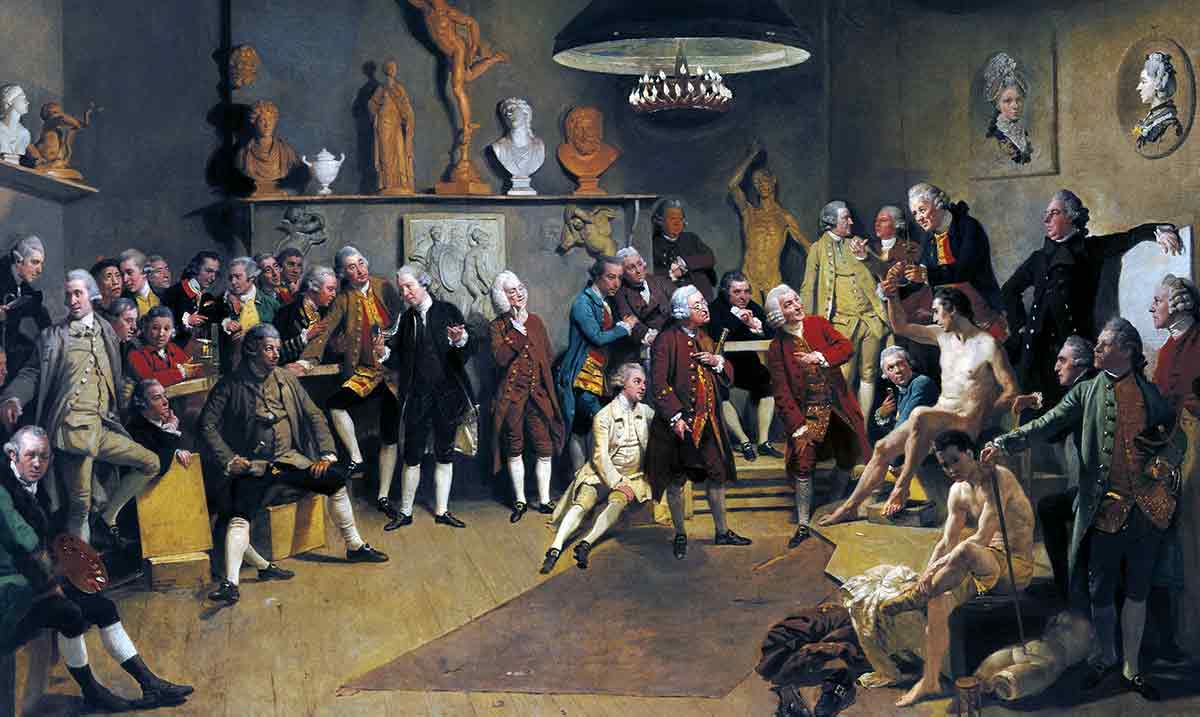
Today, more than ever, museums and universities work to diversify the art history canon. This consists of an agreed group of artists who impacted the evolution of art the most, and we often call them the “Old Masters.” Not surprisingly, the overly European, white, heterosexual, cis-gender, and able-bodied men dominate this selection. While scholars and museums add artists from underrepresented groups, they address matters of colonization and systemic discrimination. Inevitably, Western artists from the canon have come under scrutiny for sharing racist, xenophobic, misogynistic, homophobic, ableist, and more prejudices.
Art historical research has evolved, too. Now, scholars do not only look for the stylistic characteristics and symbolism of a piece of art, but they also go deeper. They analyze economic factors, art market, patronage, gender roles, race, medium, semiotics, and politics. This information sheds light on the artistic process and reveals harsh and uncomfortable truths about the past. To avoid cancelation, some people believe we could separate the art from the artist and focus solely on the aesthetic qualities of a piece.
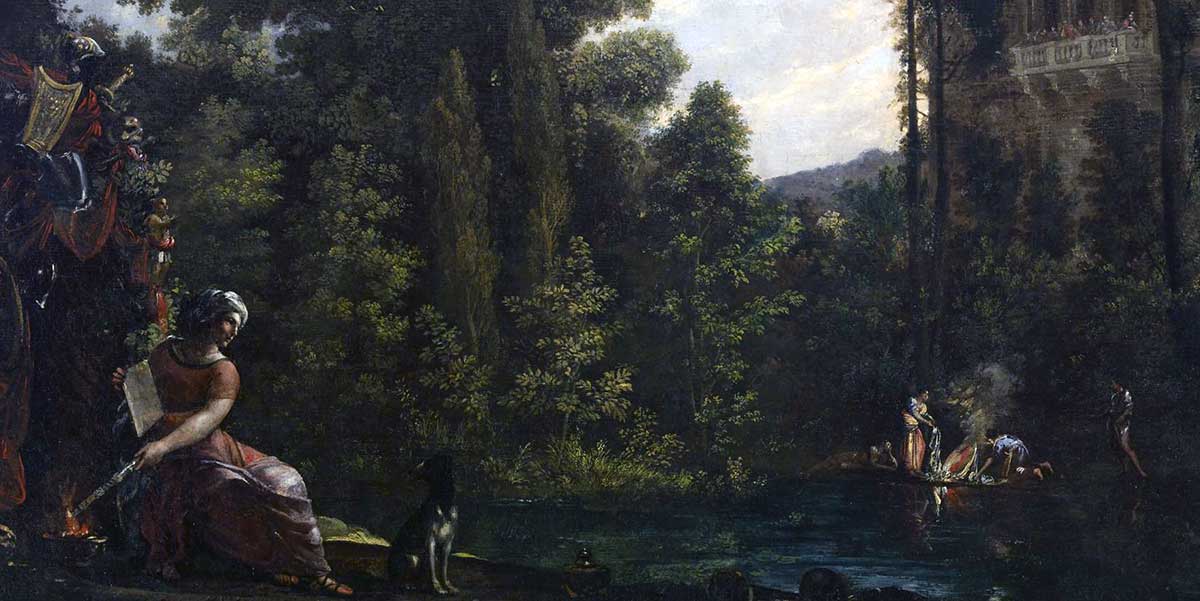
An example of this dilemma is Agostino Tassi, the rapist of Artemisia Gentileschi. He was a landscape and seascape artist from the late Mannerist movement in Italy. While he is not widely famous, his paintings and sketches form part of prestigious collections like the Metropolitan Museum of Art in New York and the Capitoline Museums in Italy.
Similarly, Gentileschi’s father, Orazio, is remembered as an acclaimed painter even though he was more concerned about his own reputation than the violence committed to her daughter. Do these actions outweigh their talent? Could we simply appreciate the landscape above? And do Gentileschi’s religious paintings have the same impact if he could not even show compassion for his own daughter?
How Much of an Artist Is in Every Masterpiece?
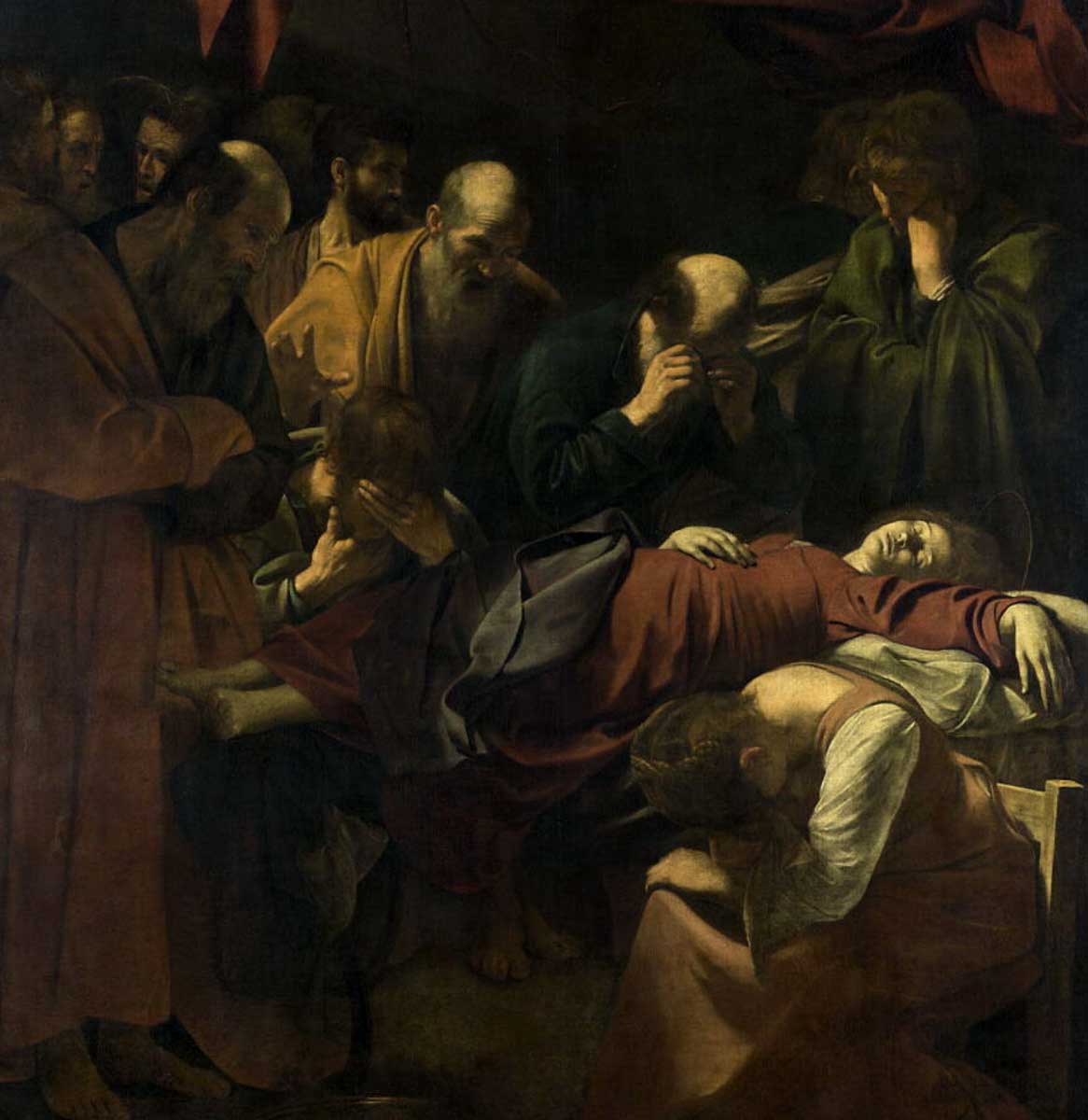
We like to think that art is the sole product of an artist’s creativity, but for centuries, art production depended on patrons. The Church, governments, powerful families, aristocrats, and monarchs were the only ones sufficiently wealthy to commission most of the masterpieces we see today in museums. Their money granted them power over the execution of artworks. Surviving contracts vary from very flexible ones to extremely detailed instructions from the patron. Therefore, a painting could be the combined vision of multiple agents, and without evidence, it is difficult to identify where one contribution ends and the others begin. Even if we could, we cannot just ignore one corner of a painting and focus on the rest.
The Aesthetic Alibi
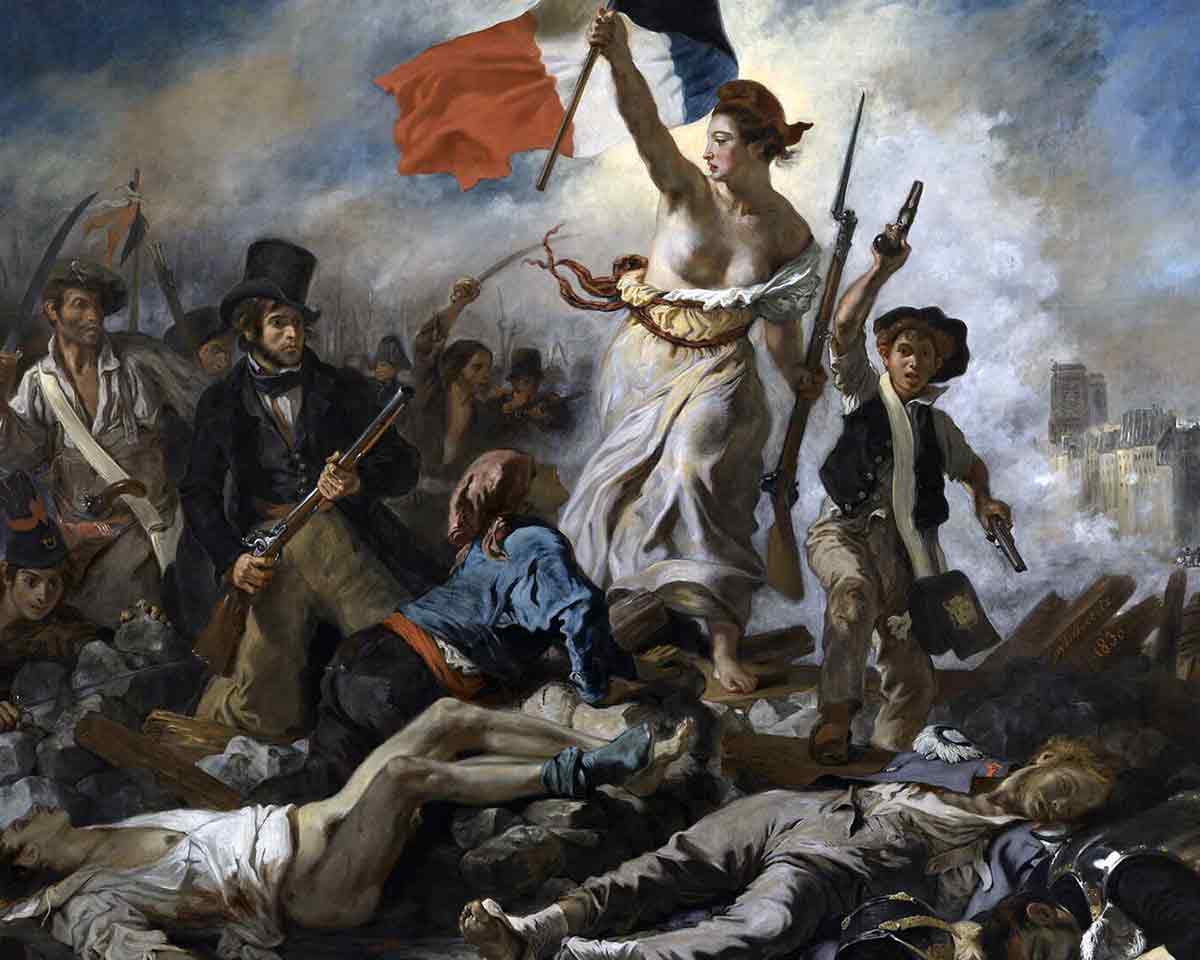
In 1992, Martin Jay published a column titled The Aesthetic Alibi in which he defended artistic freedom as “a special case of freedom of speech, which raises it to a more purified level […] what would be libelous or offensive in everyday life is granted special dispensation.”
Moreover, he argued that art is in its own sphere, far from the rest. In this context, art and its makers are exempt from non-aesthetic criticism. Another interesting thing to point out is that Jay showed concern with the censorship in regimes like the USSR, Nazi Germany, and Khomeini’s Iran. For example, he mentions how French people protected art connected with the aristocracy during the Revolution and stored it in the Louvre. Emily Griffin from the Sotheby’s Institute of Art argued that this alibi immunizes artists from judgment by non-aesthetic rules. It also serves as an excuse for Western museums to ignore the demands from antineutral activists for a revision of the art history canon.
The Case of Paul Gaugin
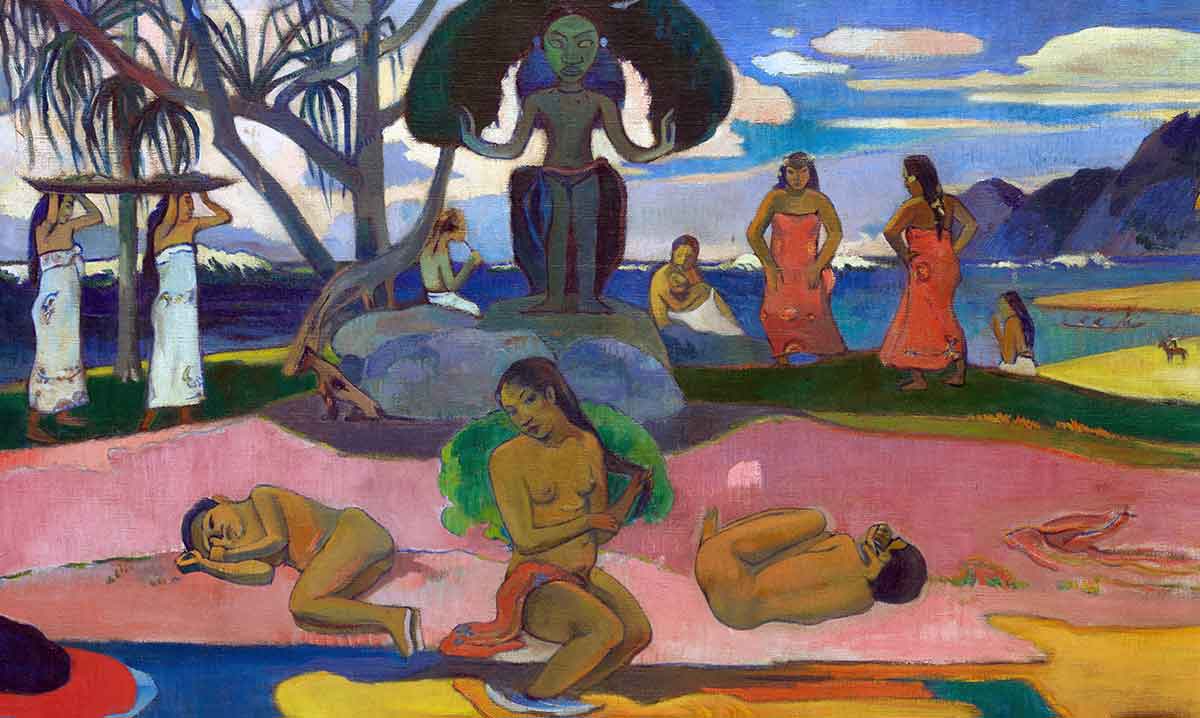
Today, Paul Gaugin is one of the most important Post-Impressionist painters. However, in 1891, he left his wife and children in France and traveled to the island of Tahiti in search of new inspiration for his primitivist art. Primitivism rejected the academic rules of perspective and proportion that ruled European art since the Renaissance. In turn, it opted for an idealized depiction of the exotic world, free from the burdens of civilization. Ironically, his paintings became a reflection of the colonial violence he and his French co-nationals inflicted on native populations.
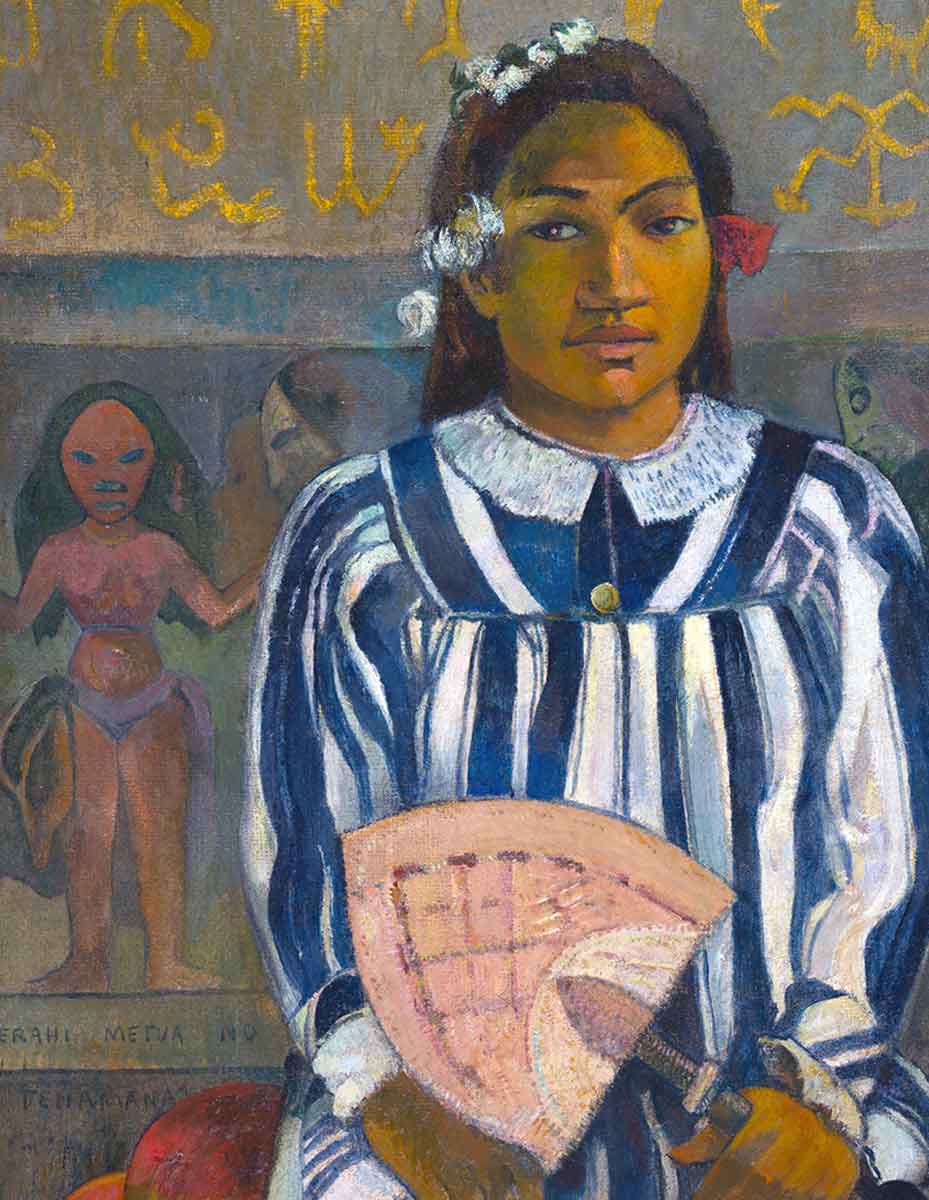
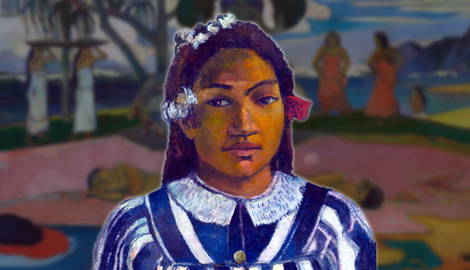
Gaugin titled the painting above Merahi metua no Tehamana (meaning Tehamana Has Many Parents or The Ancestors of Tehamana). The girl in the striped dress was Teha’amana, a 13-year-old Tahitian girl who Gaugin married. Another of his paintings titled Manaò tupapaú (Spirit of the Dead Watching) from 1892 shows her lying naked on a bed. He oversexualized her when she was only a child and enhanced racist and misogynistic stereotypes about women of color. It is hard to separate the artist from the art when they are so intertwined. It is more difficult to separate Gaugin from his non-aesthetic context because the motivations behind his art resulted from an environment of racism, sexual violence, and misogyny.
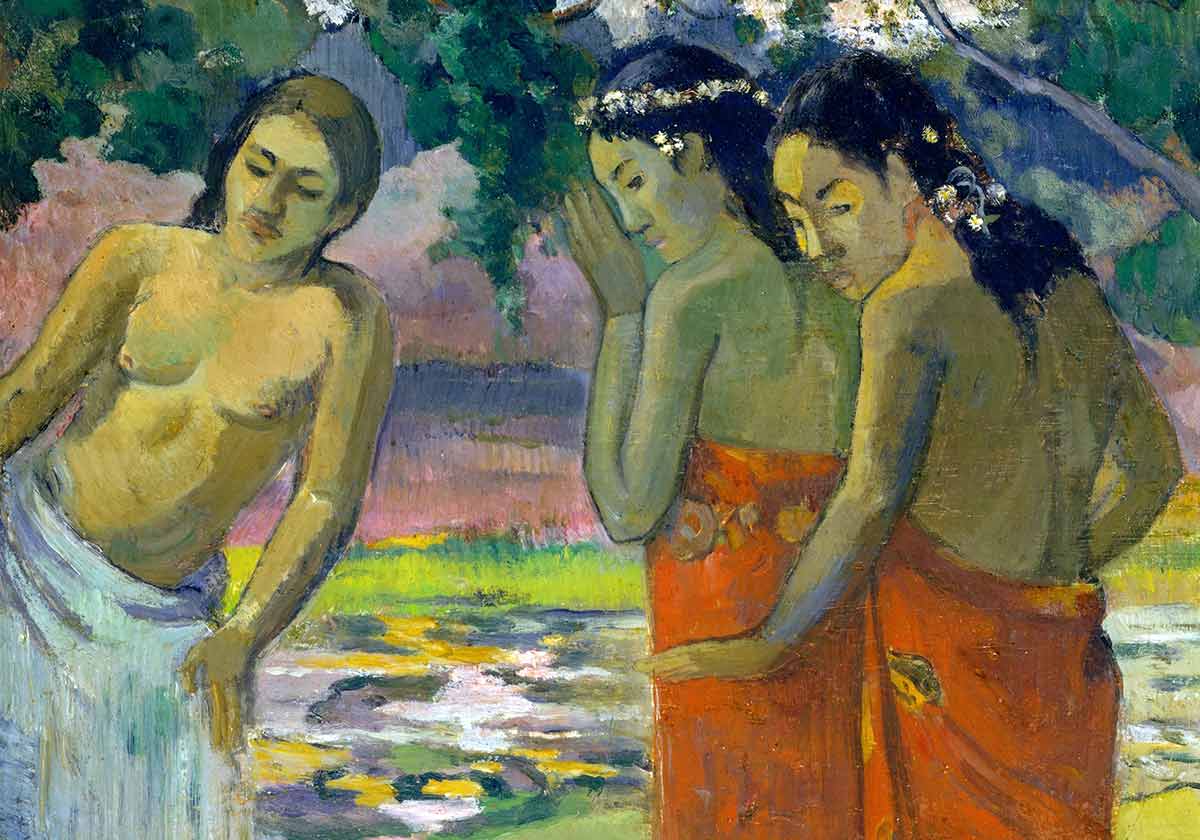
The National Gallery addressed this issue during an exhibition titled The Credit Suisse Exhibition: Gauguin Portraits in 2019. The curators added contextual information about his paintings from Tahiti. Co-curator Cornelia Homburg mentioned during a talk how Gaugin took advantage of French colonialism, as well as local beliefs. In Tahiti, as in many cultures around the world, adult men could have relationships and marry young girls without judgment.
Even when the added context only existed in a portion of the exhibition, certain people criticized it. On November 23rd, 2019, Steve Cuozzo from the New York Post wrote,
“This is what art appreciation has come to: a PC prism through which a painting, a work of literature or even a popular song must be scrutinized for racism, sexism, gender bias or just plain hurt feelings […] I thought most human beings turned to art not for ideological hectoring but for the joy of beauty and insight into the human condition — whether from Dante, Shakespeare or Springsteen.”
To him, the exhibition at the National Gallery should never have addressed Gaugin’s controversial behaviors and should have let people appreciate the art simply for its beauty.
Famous Artists Are Just the Tip of the Iceberg
The case of Gaugin illustrates how personal artworks can be, making it impossible to separate them from their author. The artworks become explicit reflections of their behavior and mindset. Moreover, separating the art from the artist goes further than ignoring the immoralities or crimes of the artists. These men existed in a context that informed their vision of the world and actions. If Gaugin abused a native girl, it was because he could; the same goes for Tassi, Gentileschi, and countless others.
Those who believe we shall only care for the aesthetic qualities of a painting also pretend to turn a blind eye to the message of those paintings, no matter how offensive they may be. Think about Teha’amana’s painting. Why did our society think that a painting of a brown girl naked in bed represented a pleasing image? Or Balthus’s paintings of young girls in sexually suggestive poses?
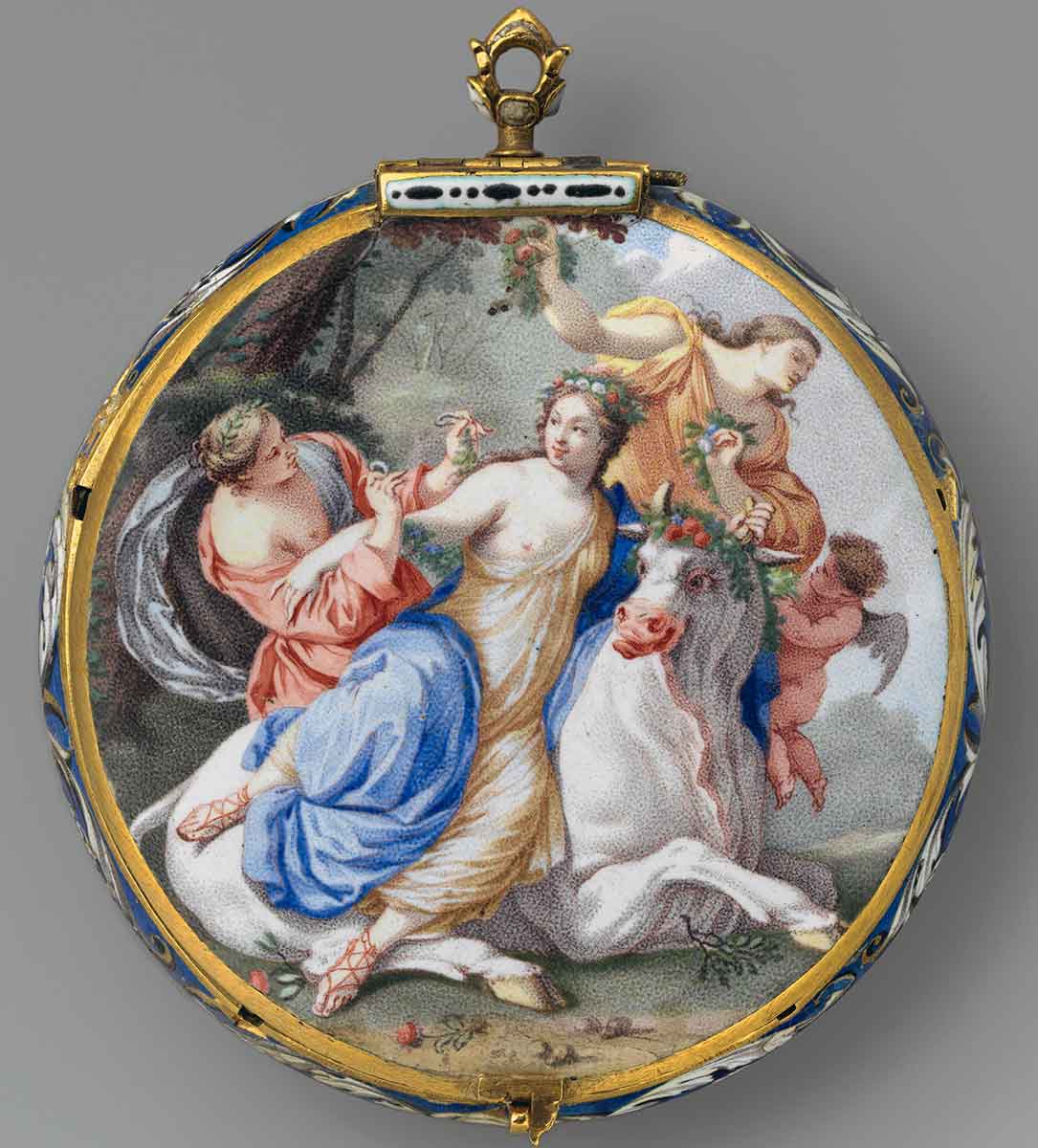
Macushla Robinson participated in the podcast Tiny Sparks. Investigating the Business of Doing Good in 2021, in an episode titled For This Art Curator, the Aesthetic is Political. There she talked about her upcoming book Rape in the MET Museum. She noted that the Metropolitan Museum of Art contained 181 works of art titled or described as rape in their database. Some of them consist of mythological paintings where gods abduct women to have illicit sexual relations. According to her,
“Art history has traded on stories on rape to create drama, to set up opportunities to paint nude women and to display the mastery of the artist over his subject.”
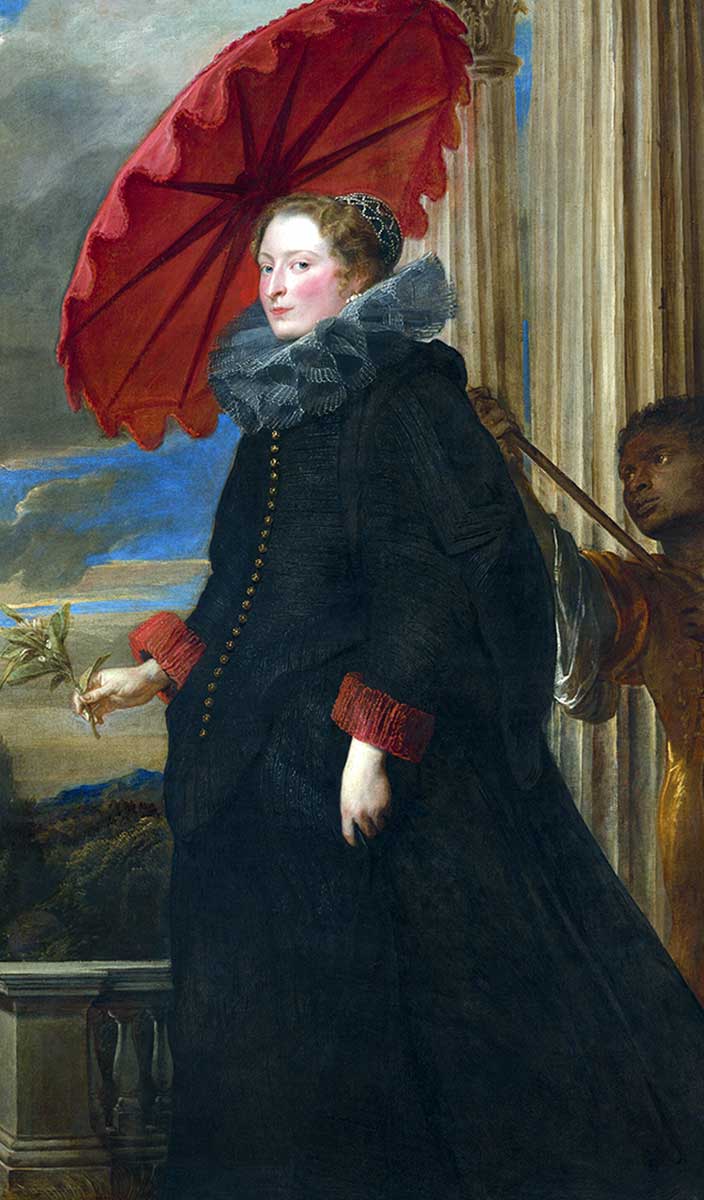
If we turn to people of color, we could try the same exercise Robinson did with the words servant or slave. For instance, the Golden Age of Dutch Art featured Black people in the background of noble families’ portraits, as did in other European countries. As for people from the Middle East, Orientalism depicted cultures as pre-modern people and over-sexualized, brown-skinned women.
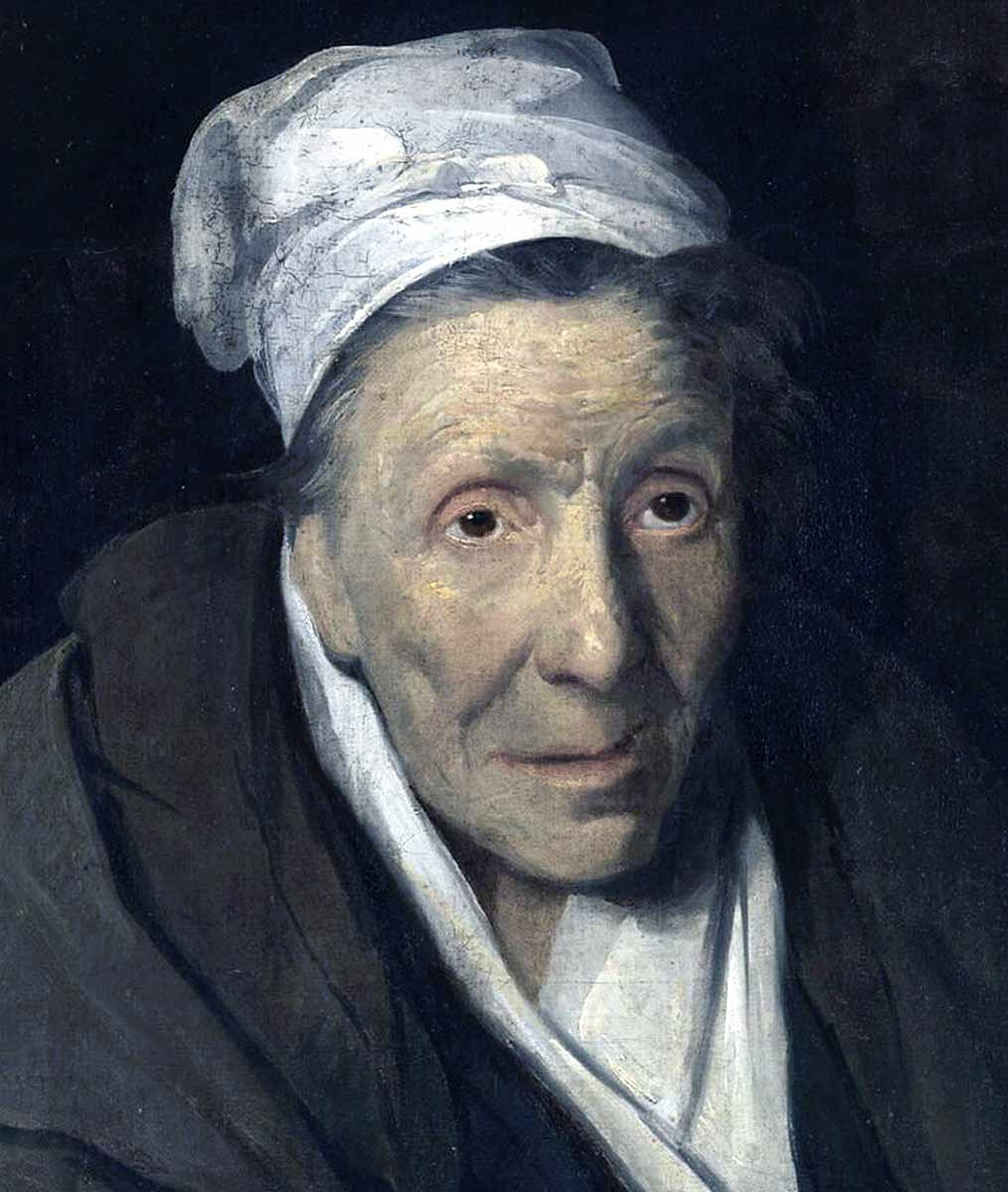
Disabled people were an object of cruel portrayals. By praising perfect proportions and athletic bodies, people with physical impairments were far from the idea of beauty in art. Often, they appear as freakshows. They reflect ableist beliefs that blamed disabilities on sins or curses. For example, the theme of Christ healing the blind reinforced the idea of sickness in need of fixing. A museum can work to be as accessible as possible to its visitors with automatic doors, ramps, audio guides, and braille translations, but the artworks may still portray ableist thinking. And what about mental health reflected in Théodore Gericault’s portraits of people in asylums?
Problematic Famous Artists and Their Art
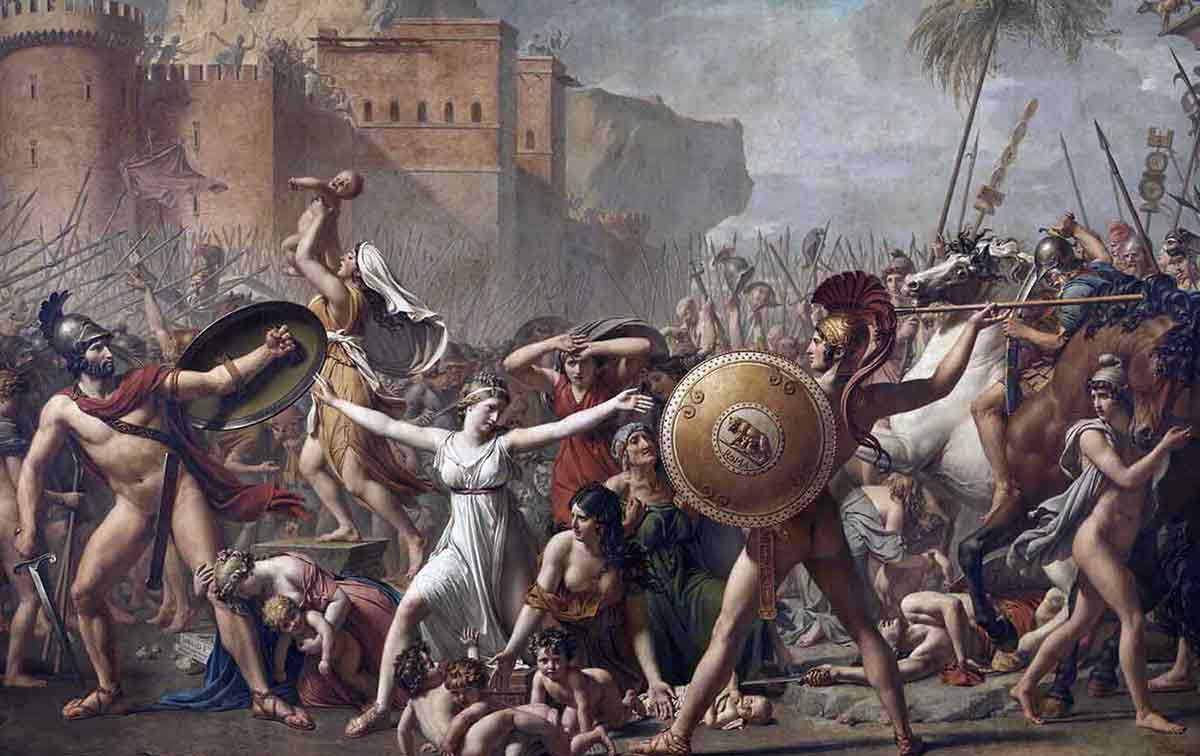
Separating the art from the artist is a long-going debate, and it will be for decades. This is not exclusive to art history. Everywhere, in pop culture, entertainment, sports, and even science, we ask if people’s actions outside their work should affect their work. It might be best to go case by case, but the reality is that art is not isolated. It is part of our societies and a reflection of them.
What is beautiful to one culture depends on historical context; therefore, separating the aesthetic values of an artwork also involves ideologies and politics. These are the issues museums and scholars must examine when planning an exhibition or a research paper. Hiding the names of artists will not fix anything, but neither will ignoring their problematic past. Museums have also changed. Instead of being the authoritative institutions of the past where people ought to receive information, they need to be places for thinking, discerning, and discussing. The exhibition on Gauguin at the National Gallery is a good example of this balance. They provided verifiable facts and extended an invitation to the public to think critically, evaluate the information, and make their own judgment.