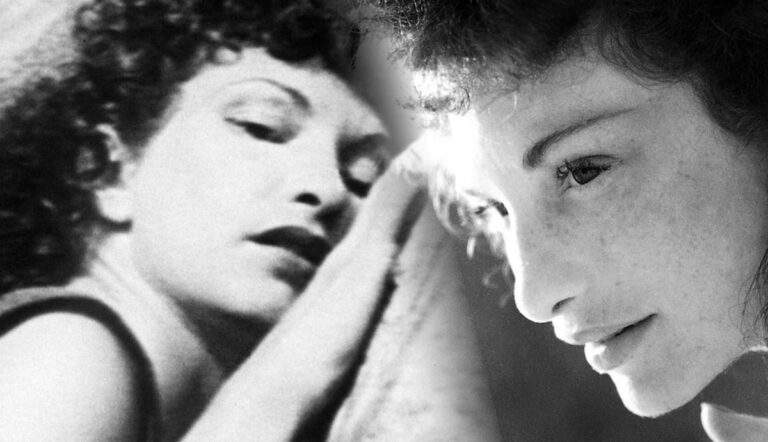
Maya Deren was an experimental filmmaker. Her films explore psychology, identity, and protofeminism in a world still reeling from World War II.
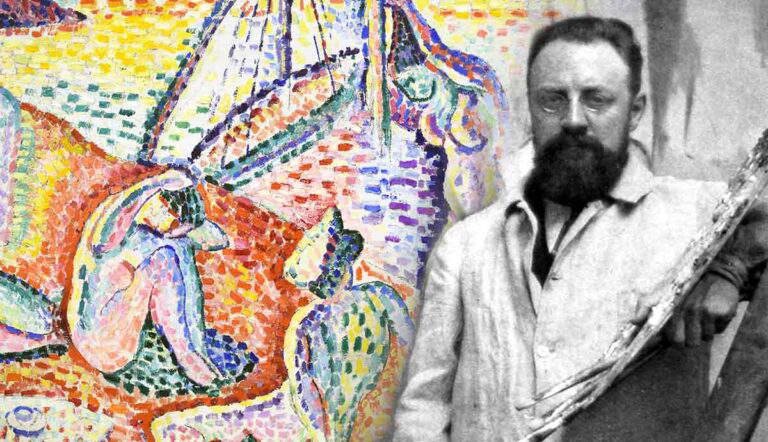
Held by some to have instigated a revolution in his subsequent art, Henri Matisse’s Notes of a Painter was a consolidation of his earlier aims.
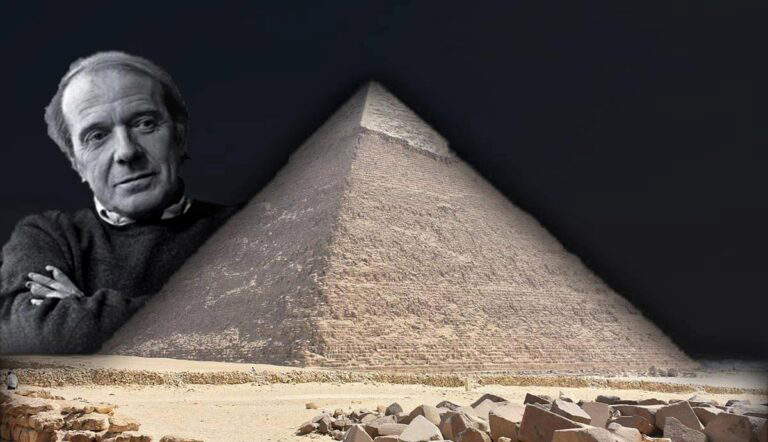
Gilles Deleuze offers an original examination of Egyptian art in terms of its creative effort to withstand the destructive effect of time.
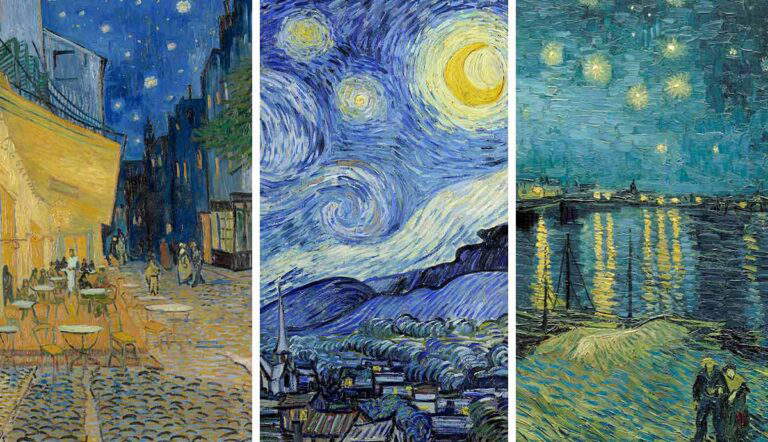
Vincent van Gogh (1853–1890) was a Dutch Post-Impressionist painter whose expressive brushwork and vivid colors revolutionized modern art history.
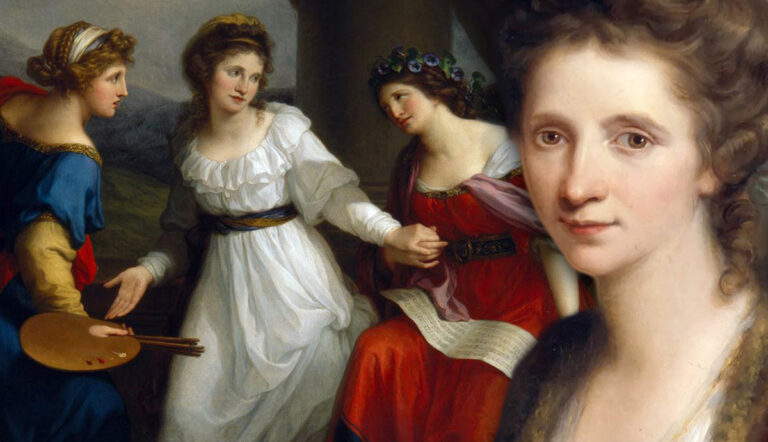
Angelica Kauffman was a child prodigy, a renowned portraitist, and an 18th-century European celebrity.
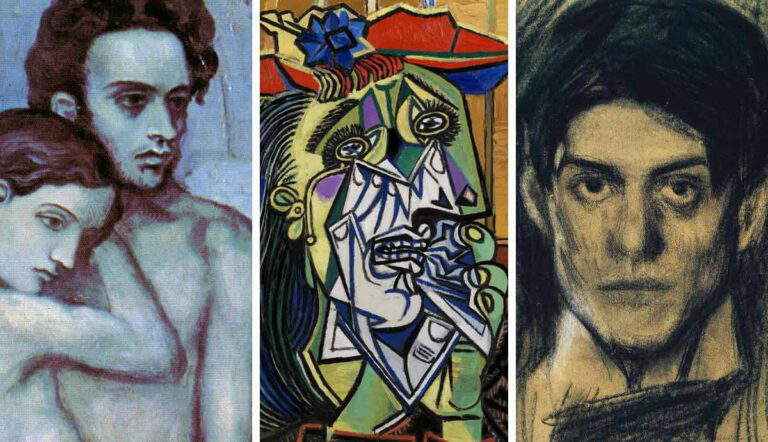
Pablo Picasso (1881-1973) was a Spanish painter who cofounded Cubism and revolutionized modern art through iconic works like Guernica and Les Demoiselles d'Avignon.
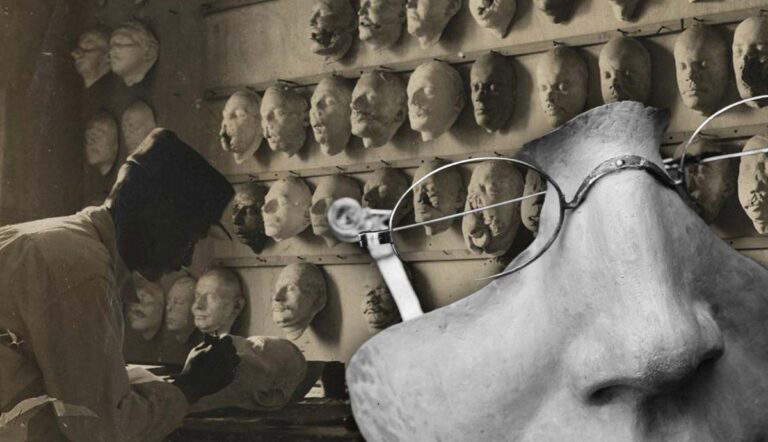
Anna Coleman Ladd was a Neoclassical sculptor from the US who made facial prosthetics for soldiers injured in World War I.
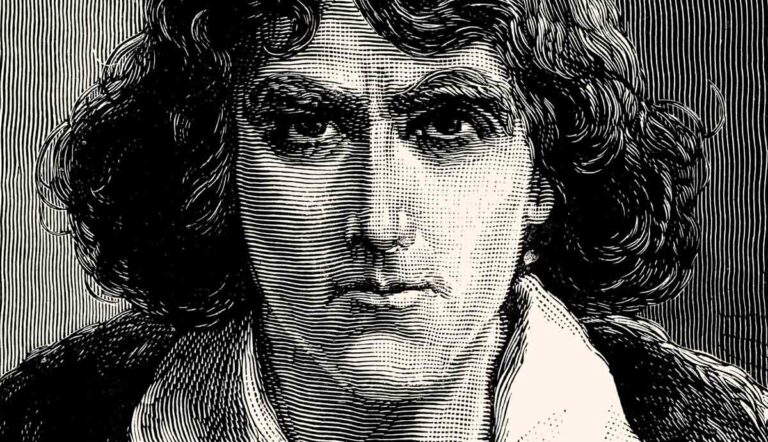
What do sphinxes and tombstones have in common? Silence, proverbially—though not when the two came together after the death of Oscar Wilde.