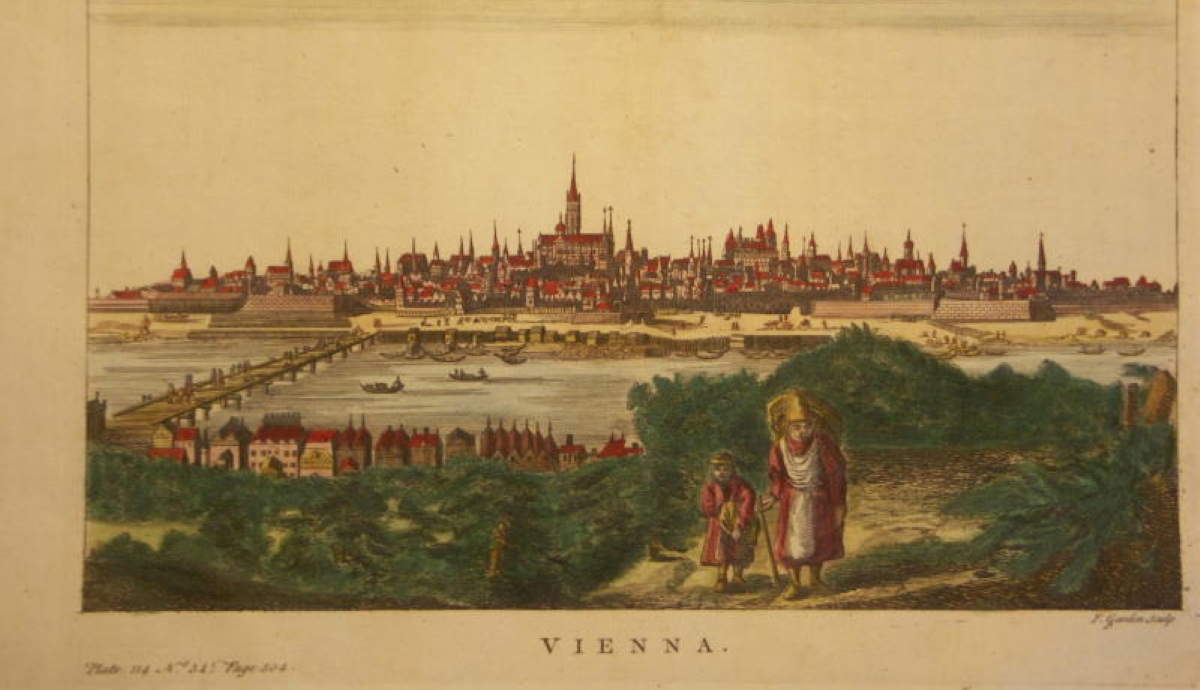
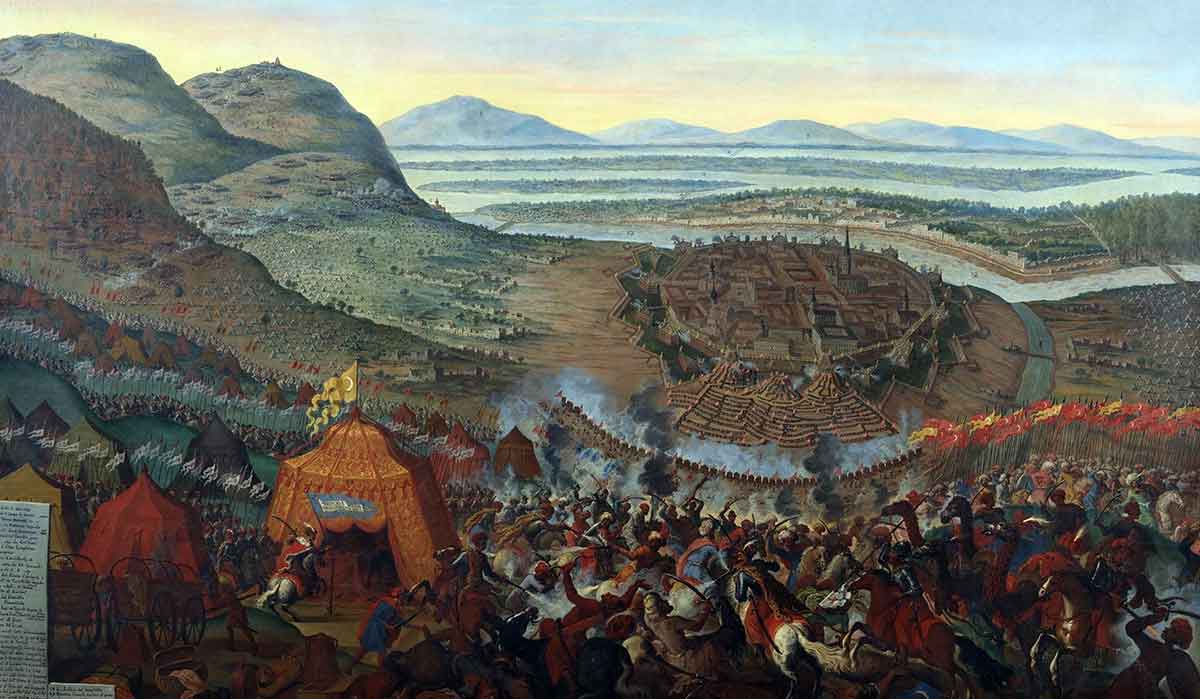
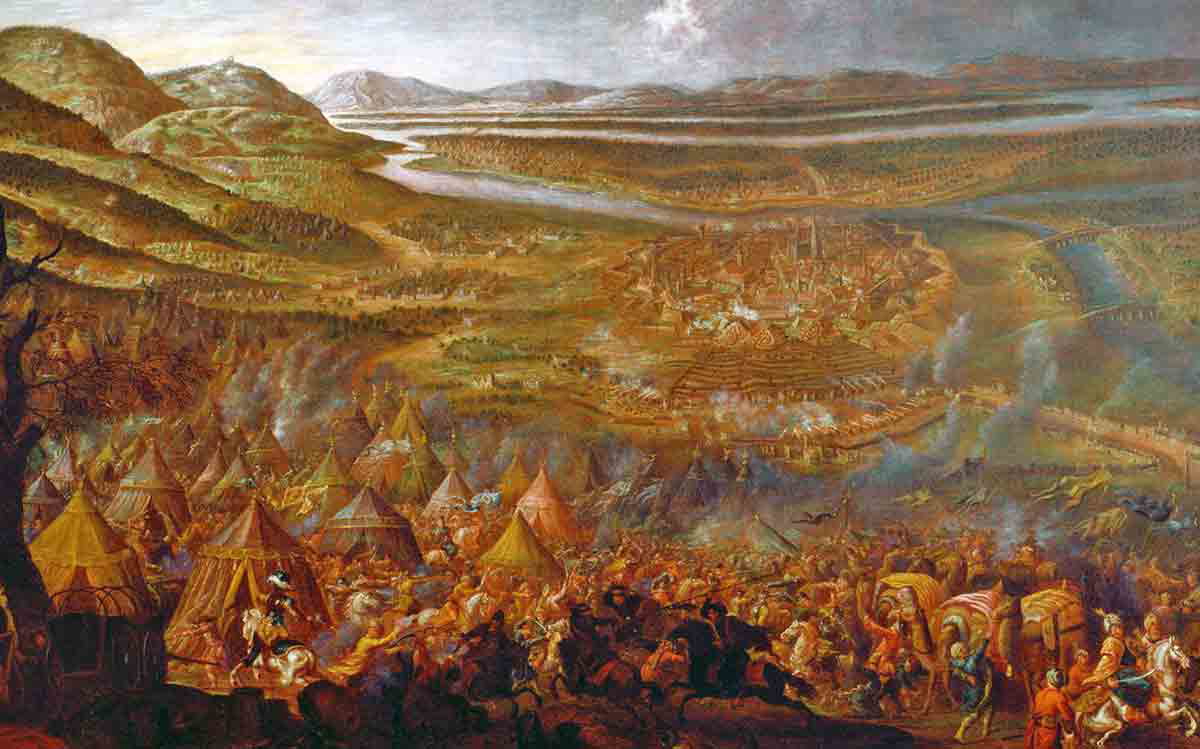
On September 12, 1683, at Mount Kahlenberg near the Austrian city of Vienna, Ottoman forces clashed with those of the Holy Roman Empire, the Habsburg Monarchy, and the Polish-Lithuanian Commonwealth. Vienna’s strategic location along trade routes from the Eastern Mediterranean to Germany made it a target of Ottoman interest. The combined forces, led by King John III Sobieski of Poland, managed to lift the Ottoman siege, safeguarding Vienna and shifting the balance of power in Europe.
The Road to Vienna and the Ottoman Drive Westward
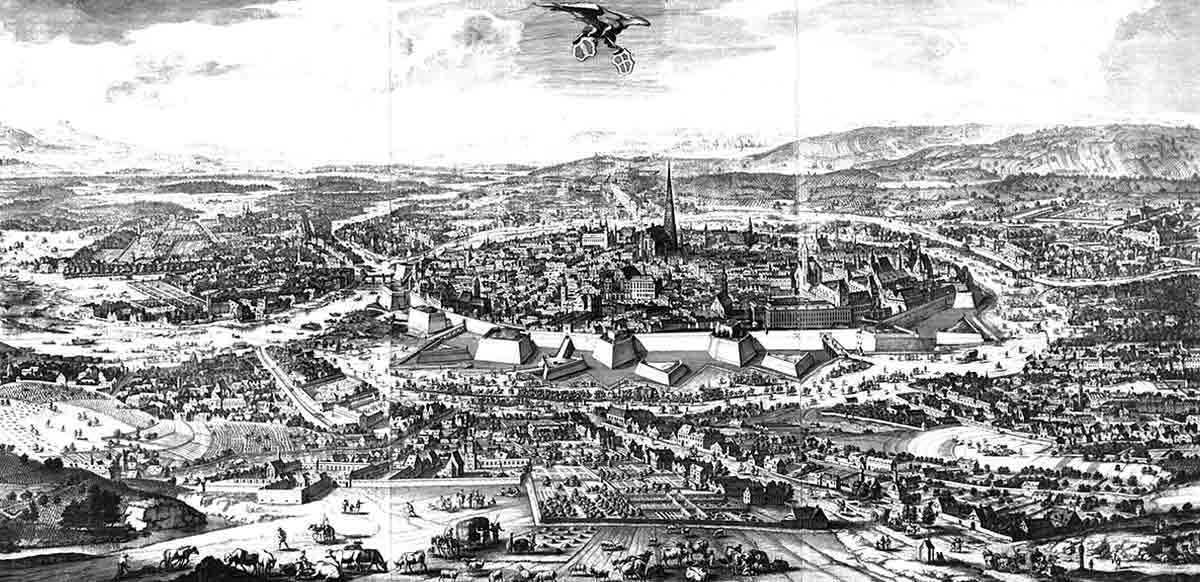
The Ottoman Empire‘s first attempt to capture Vienna took place in 1529. The Ottoman Empire, under the leadership of Sultan Suleiman I, had successfully expanded on the European continent by taking control of Belgrade in 1521 and most of Hungary in 1526. Sultan Suleiman I planned to lay siege to Vienna, the capital of the Habsburg Austrian Empire
The choice of Vienna was dictated by Suleiman’s aspiration to weaken Habsburg influence over its possessions, including Royal Hungary, a part of the Kingdom of Hungary that largely remained under Habsburg control following the death of King Louis II in 1526. Bringing Royal Hungary under his control would give the Ottoman forces significant leverage for further expansion in Europe. However, due to the harsh weather conditions (extreme cold and wind), the first 20-day siege of Vienna failed.
The period between the 1520s and 1650s, also known as the Sultanate of Women, when women wielded unprecedented power in internal and external affairs, saw the decline of the Ottoman Empire. There were tensions and reciprocal attacks between Ottoman and Habsburg forces. The power balance shifted when, in 1656, Köprülü Mehmed Pasha became Grand Vizier of the Ottoman Empire, putting an end to the Sultanate of Women.
In 1669, under his leadership, the Ottomans successfully concluded the Cretan War and captured the island. Then, in 1672-1676, led by Sultan Mehmed IV, the Ottomans defeated Poland and Ukraine, taking control of Podolia and significantly expanding their presence on the European continent.
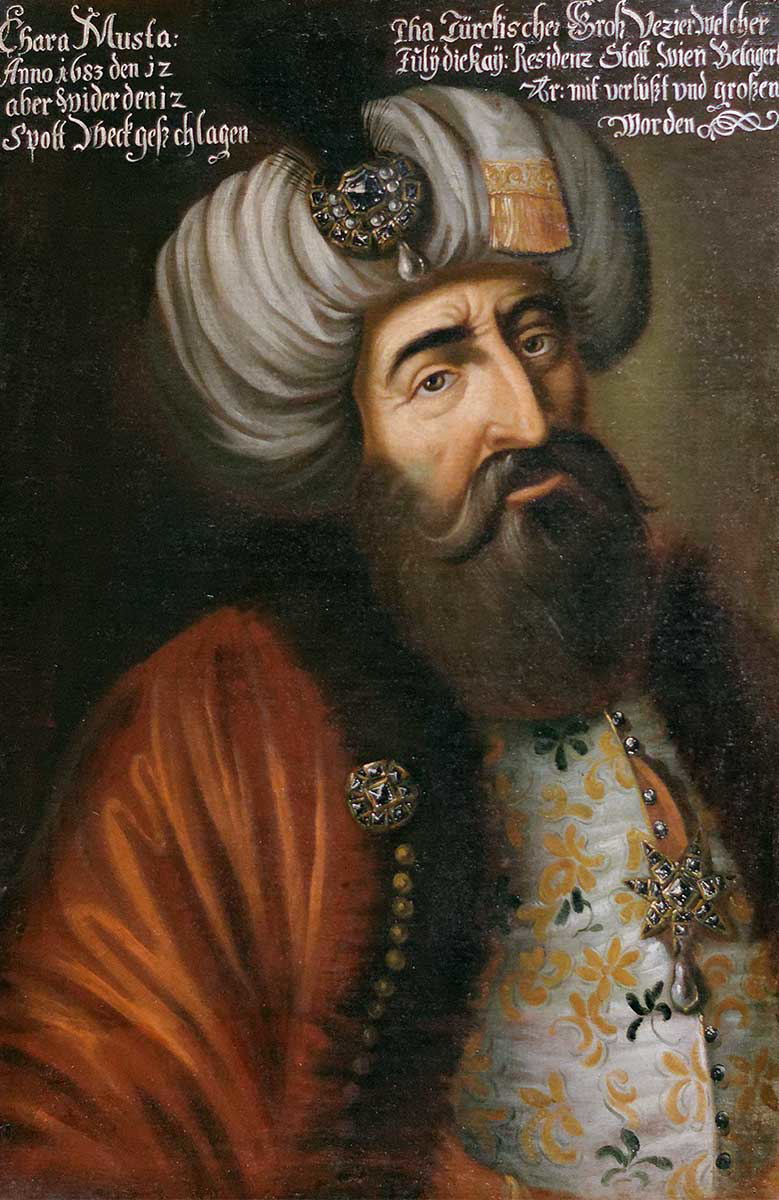
On November 3, 1676, Kara Mustafa Pasha, a clever but overly ambitious politician and commander, took over as Grand Vizier of Mehmed IV. By 1683, the Pasha set out to conquer Vienna. His objectives were to expand Ottoman power in Central Europe to restore the empire to its former glory, increase his personal prestige, and bring a Muslim empire into the heart of the Christian world.
Inside the Besieged City and the Race Against Time
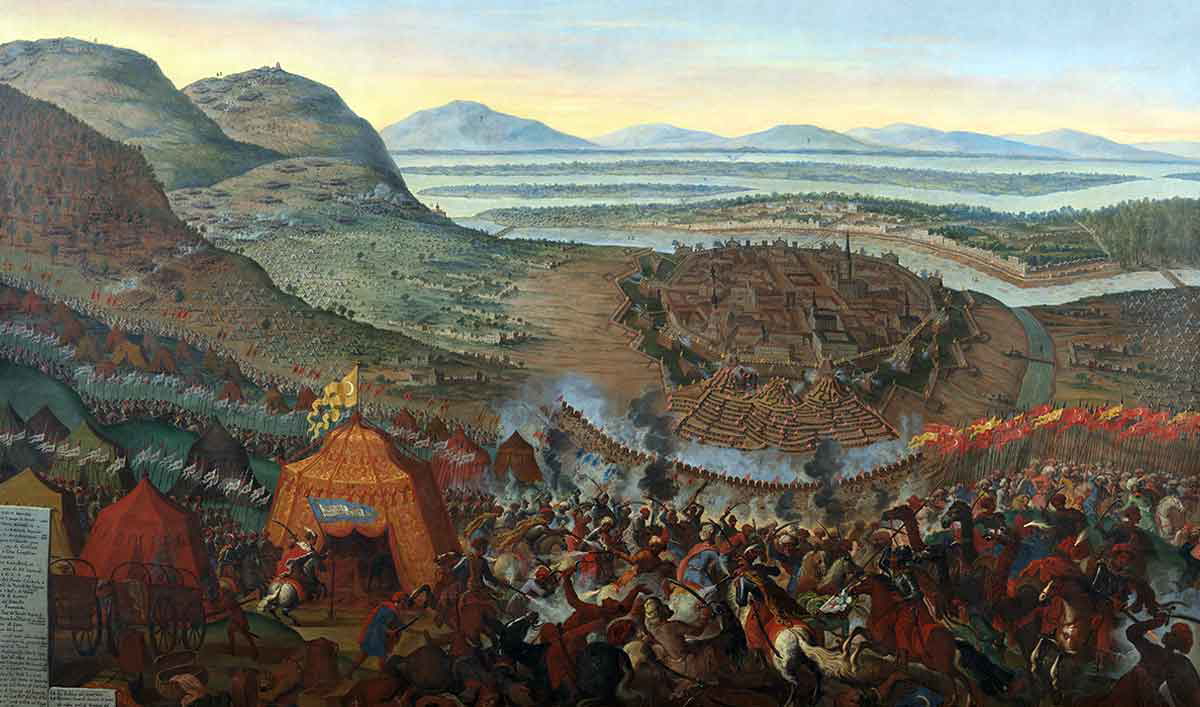
On July 14, 1683, Kara Mustafa Pasha, with an Ottoman force of around 100,000 men, approached Vienna and demanded the city’s surrender. At this time, Vienna had about 22,500 soldiers under the command of Ernst Rüdiger von Starnheimberg. Von Starnheimberg refused the demand, stating: “Let him come; I’ll fight to the last drop of blood.”
Vienna was considered one of the most heavily defended European cities at that time, and the Ottomans decided not to attack it directly. Instead, Kara Mustafa Pasha opted to begin the brutal second siege of Vienna.
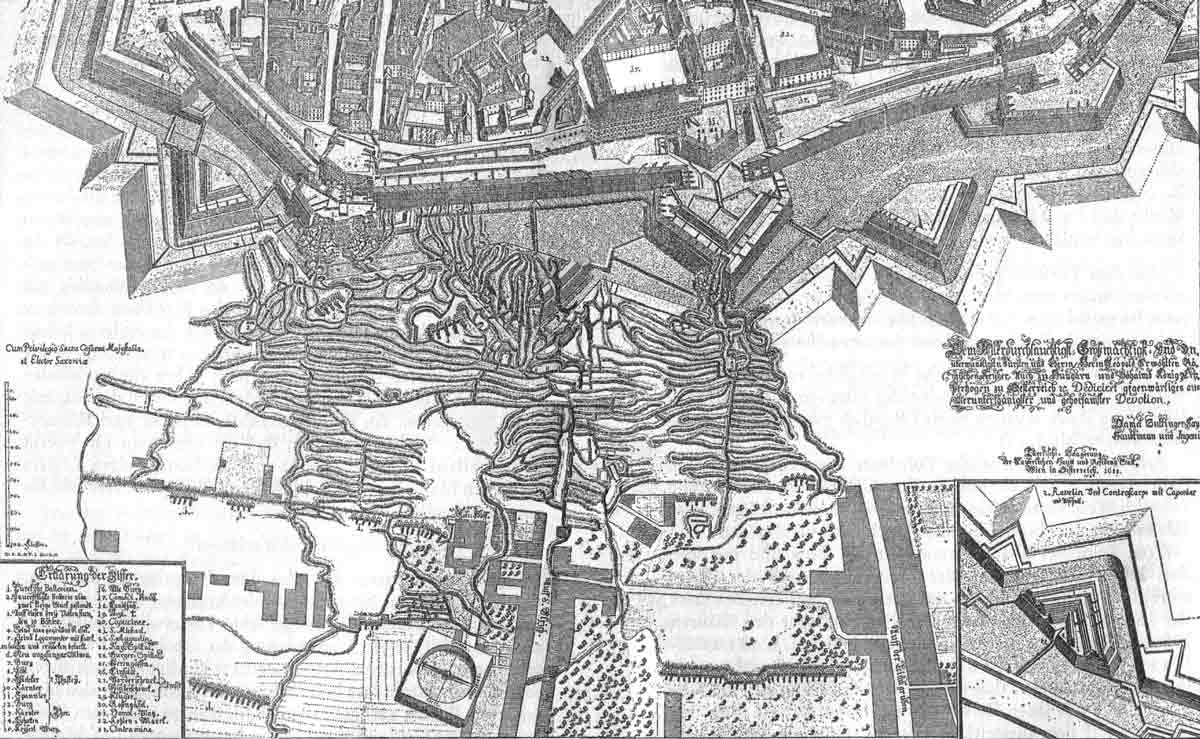
As the Ottoman soldiers surrounded Vienna, tunnels were dug into the city’s walls. Roads and bridges were blocked, leaving the city in a state of starvation and unsanitary conditions as sewage, rubble, and corpses littered the streets and disease spread uncontrollably. By September, most of the Vienna fortress was demolished, and the remaining population was on the verge of starvation. Without assistance from the European powers, the city would inevitably fall.
Meanwhile, the Ottoman Army also faced significant setbacks. With declining morale and enduring harsh conditions, it is estimated that up to 25% of the Ottoman army simply deserted to Austria.
King John III Sobieski and the Formation of the Holy League
To answer Vienna’s plea for help, the Holy League, a coalition of Christian states formed in 1571 to counter the Ottoman Empire’s expansion into Europe, worked urgently to gather its forces.
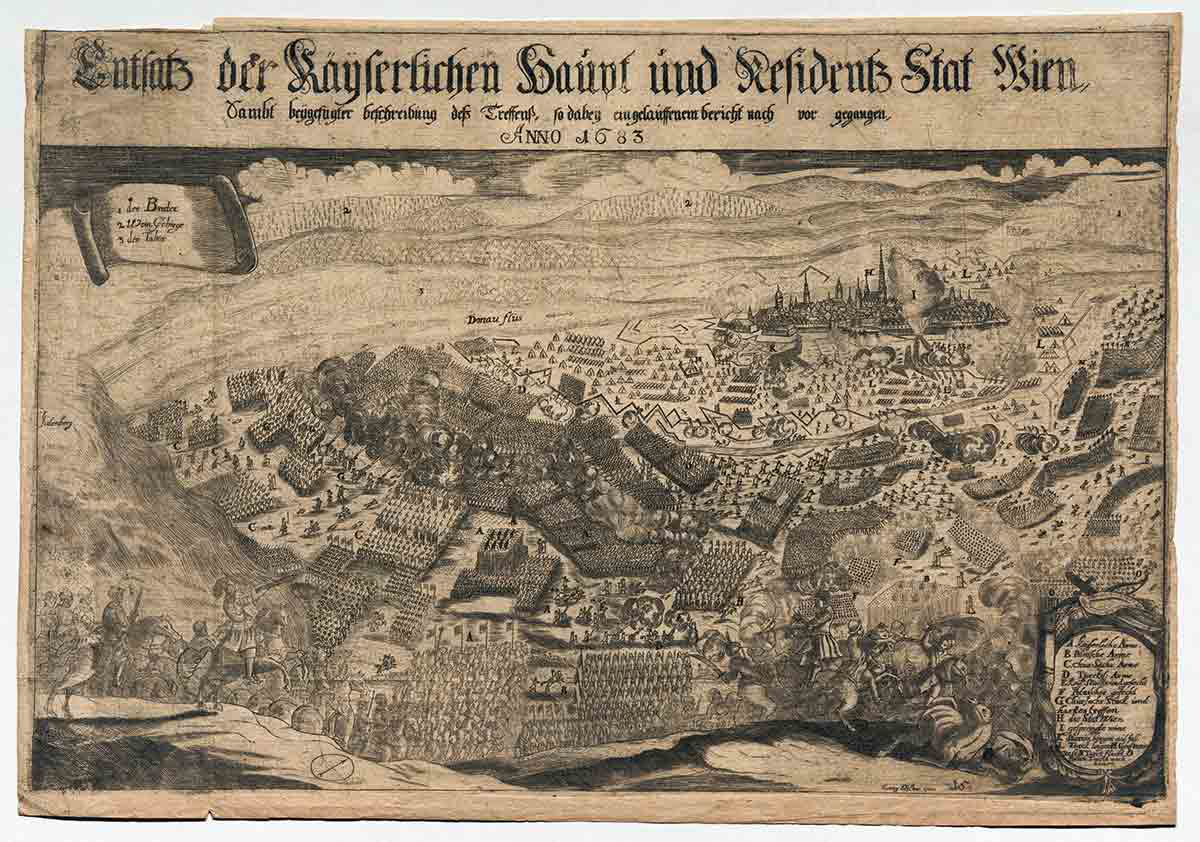
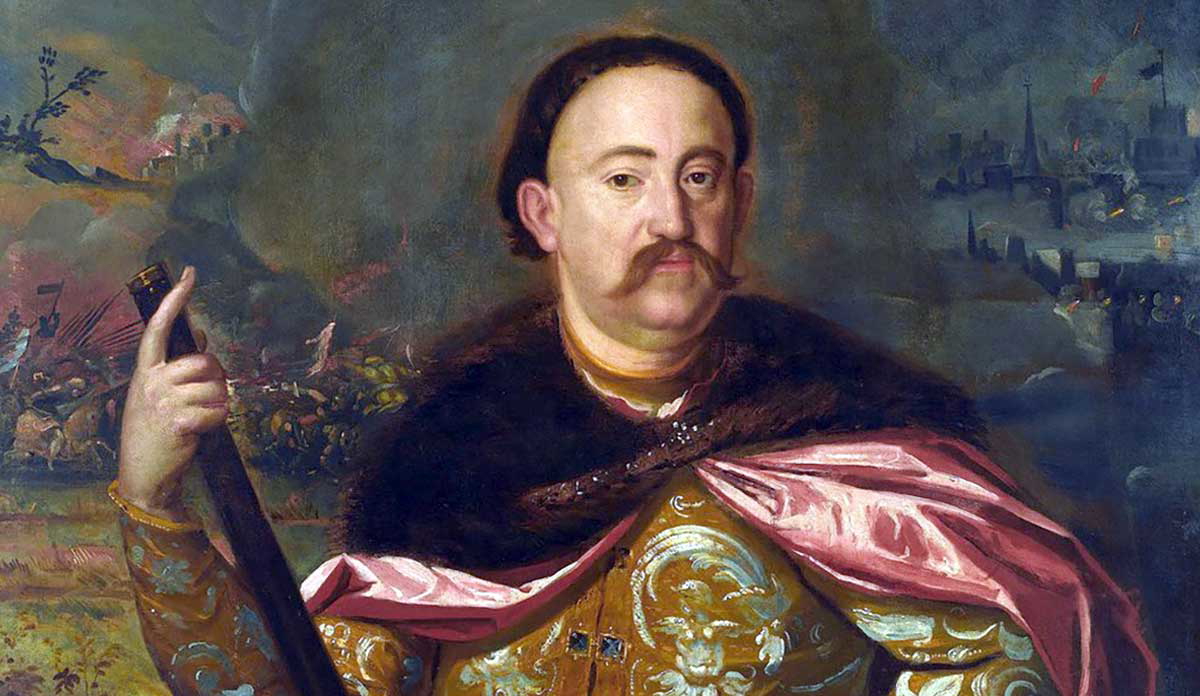
The coalition army, under the leadership of the Polish King John III Sobieski, was soon formed. Upon approaching Vienna, the coalition army consisted of soldiers from the Polish-Lithuanian Commonwealth, holding the right flank, and the Holy Roman Empire (Austria) under Charles of Lorraine, forming the left wing. Soldiers from various German states, including Bavaria, Saxony, Franconia, and Swabia, stood in the center. Even Pope Innocent XI called on France’s King Louis XIV to aid Vienna, though unsuccessfully.
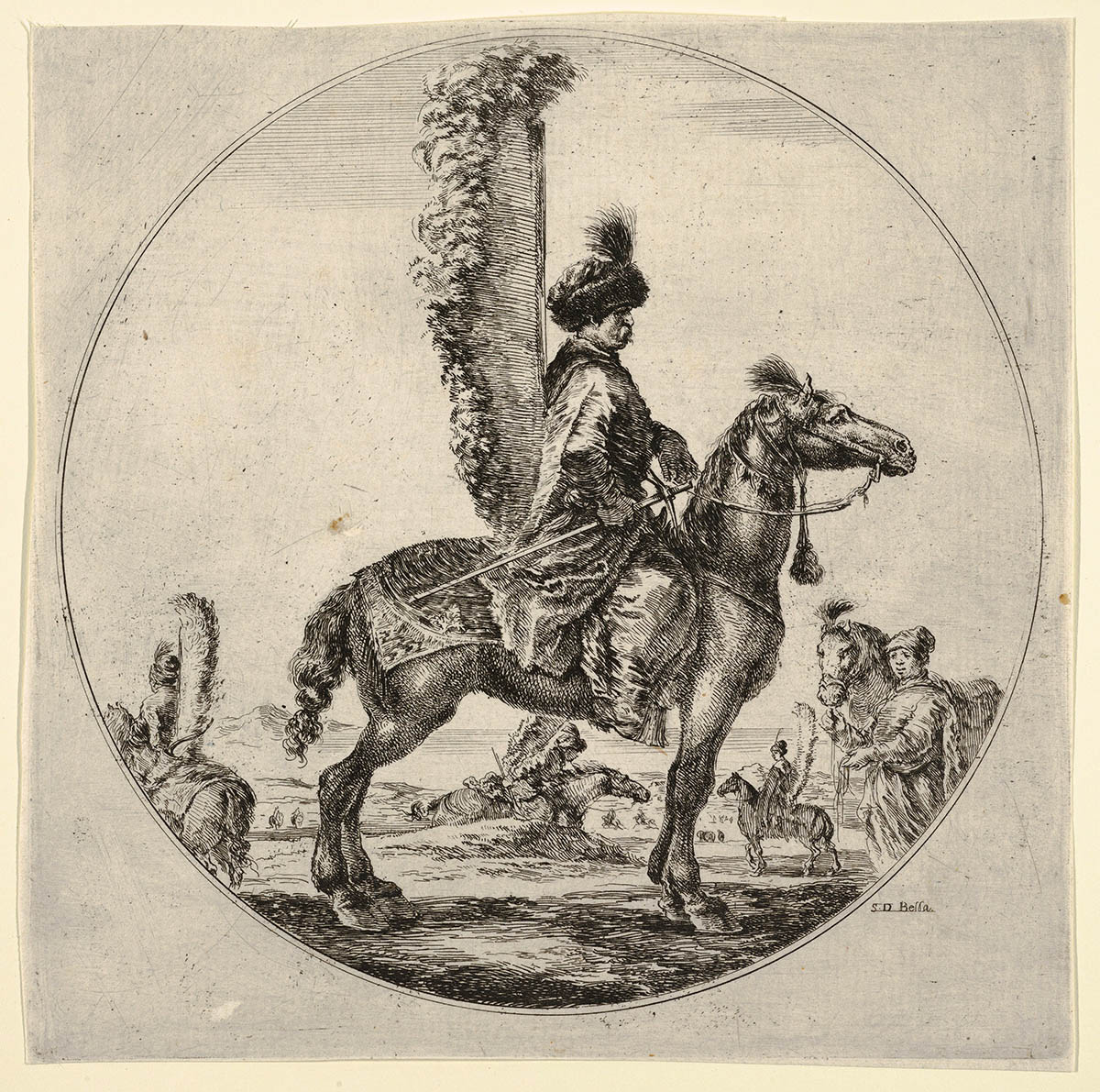
Sobieski, with a force of around 20,000, including roughly 3,000 elite Winged Hussars, crossed the Danube River, 30 km from Vienna, on September 6, 1683. Polish Winged Hussars were heavy cavalry of the Polish-Lithuanian army, widely known for their “wings” attached to their saddles.
The entire army, a symbol of a rare and momentous Christian alliance, consisted of about 65,000 soldiers. Even though the combined forces were multilingual, Sobieski and his team of leaders managed to overcome the language barrier and prepared the army for a decisive battle against the Ottoman forces. The momentous Battle of Vienna was about to unfold.
September 12, 1683: The Thunderbolt That Shattered the Siege
By September 12, 1683, the anti-Ottoman forces had begun preparing for the attack. Grand Vizier Kara Mustafa Pasha refused to halt the siege. He was confident that Vienna was on the brink of falling, although he knew the well-prepared forces of the Christian coalition were approaching.
Around 4 am on September 12, the Ottoman Empire launched a preemptive attack to disrupt the allies’ full mobilization and build pressure inside the city. The German and Austrian units took the brunt of the attack and showed strong resistance. As planned, Charles of Lorraine took position on the left while the German infantry stood in the center and bravely withstood continued Ottoman attacks. The defenders within Vienna also launched counterattacks, adding further pressure to the Ottoman army.
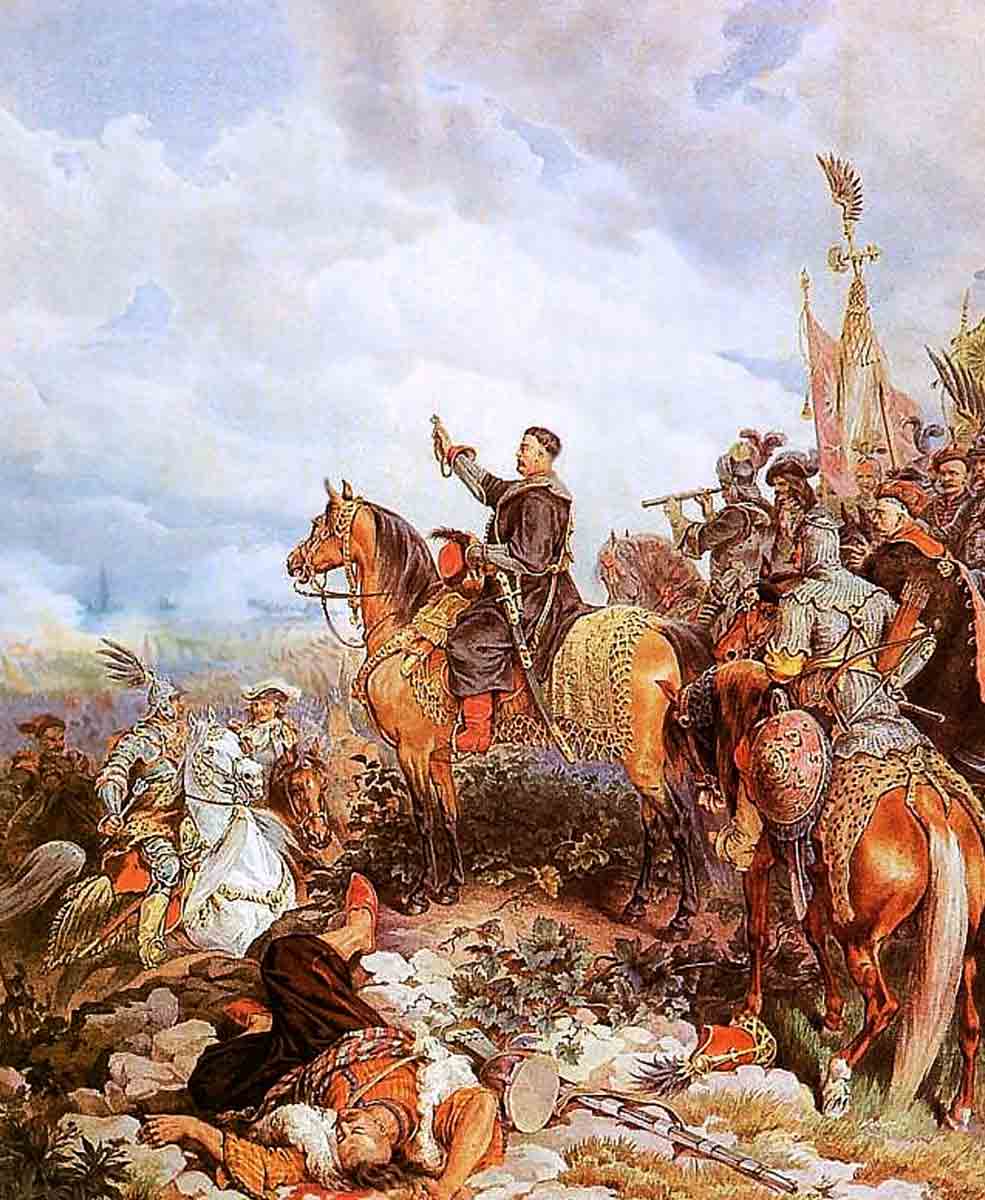
By noon on September 12, the allied forces controlled the strategically important villages of Nussdorf and Heligenstadt. By the afternoon, the Ottoman soldiers’ morale had broken down. Months of siege, harsh conditions, and malnutrition, coupled with the realization of their enemies’ well-organized opposition, demotivated the soldiers. Late in the afternoon, as King Sobieski led a massive cavalry charge from the Kahlenberg Heights, the Ottoman soldiers began to retreat. Polish-Lithuanian cavalrymen, led by the Polish Winged Hussars, crashed into the Ottoman right flank. Using shock charge tactics, they successfully broke the Ottoman lines.
Along with the Winged Hussars, the Lipka Tatars made a significant contribution to the success of the Polish army. Wearing a sprig of straw to distinguish themselves from the Tatars fighting on the Ottoman side, they also successfully managed to break the lines of an already tired and disoriented Ottoman enemy.
This final move broke the Ottoman lines, and many abandoned their camps, artillery, and even the Grand Vizier’s tent. Kara Mustafa Pasha retreated to Belgrade, where he ordered the mass execution of his military commanders, in large numbers, symbolizing a desperate attempt to avoid the responsibility for the loss. Later, Sultan Mehmed IV dismissed Kara Mustafa from his post and ordered his execution.
Vienna was saved. John III Sobieski, echoing Julius Caesar, proclaimed the victory with the following words: “Veni, vidi, Deus vicit” (I came, I saw, God conquered).
How Defeat at Vienna Permanently Shifted the Balance of Power
The Ottoman Empire’s unsuccessful attempt to capture Vienna catalyzed its decline and eventual expulsion from Central Europe. After the Battle of Vienna, Pope Innocent XI initiated the creation of a renewed and formalized anti-Ottoman Holy League, composed of the Holy Roman Empire, headed by Habsburg Austria, the Venetian Republic, Poland, and Lithuania. In 1686, the Russian Empire joined the league, the first time Russia had joined a European alliance.
The Great Turkish War of 1683-1699, which followed the Battle of Vienna, was a series of intense territorial conflicts between the Ottoman Empire and the Holy League. In 1686, the city of Buda in Hungary was liberated, and the Christian coalition liberated Belgrade in 1688. The Second Battle of Mohács, also known as the Battle of Harsány Mountain, in August 1687, resulted in the complete expulsion of the Ottomans from Hungary. With the active involvement of the Russian Empire, during the Crimean War (1687-1688) and Azov campaigns (1695-1696), Russia’s Tsar Peter the Great acquired control of Azov, a port city located in southern Russia.
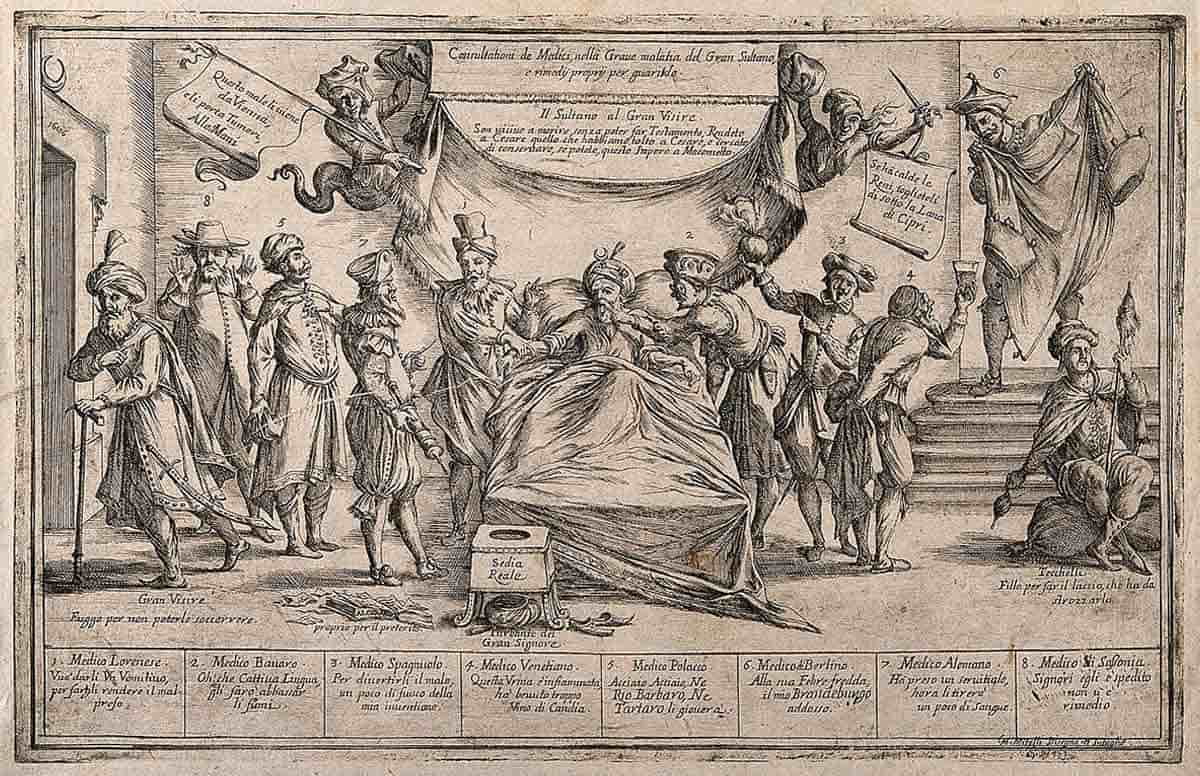
The turning point came during the Battle of Zent (now Senta, Serbia) in 1697, where the members of the Holy League defeated Ottoman forces. Following the victory, Austria emerged as a key European power.
The hostilities ended in 1699, and the Treaty of Karlowitz was signed on January 26. The treaty is also widely known as “The Austrian treaty that saved Europe.” According to the agreement, the Ottoman Empire ceded Hungary to Austria, Poland acquired Podolia and parts of Ukraine, while Azov went to the Russian Empire. The signing of the treaty marked the first time that the Ottoman Empire lost key European possessions, bringing to an end its four centuries of expansion in Europe (1299-1683).
The Battle of Vienna not only ensured the safety of Vienna but also changed the balance of power on the European continent by setting the stage for the liberation of the Ottoman Empire’s annexed territories in Central and Eastern Europe. It successfully showcased the power of unity and strategic thinking of the leading powers, which reshaped the course of European history.