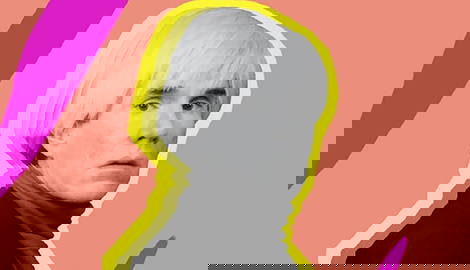

Andy Warhol (1928-1987) started as a commercial illustrator in the Mad Men era before breaking into the art scene by turning supermarket packaging into museum masterpieces. While the king of Pop Art became the center of New York’s most elite social circle, he was also instrumental in moving fine art away from something that strictly belonged to the elite. His art centered on bringing mass-market consumerism, Hollywood glamour, and industrial silkscreen printing into fine art galleries.
From Pittsburgh Roots to New York Commercial Success
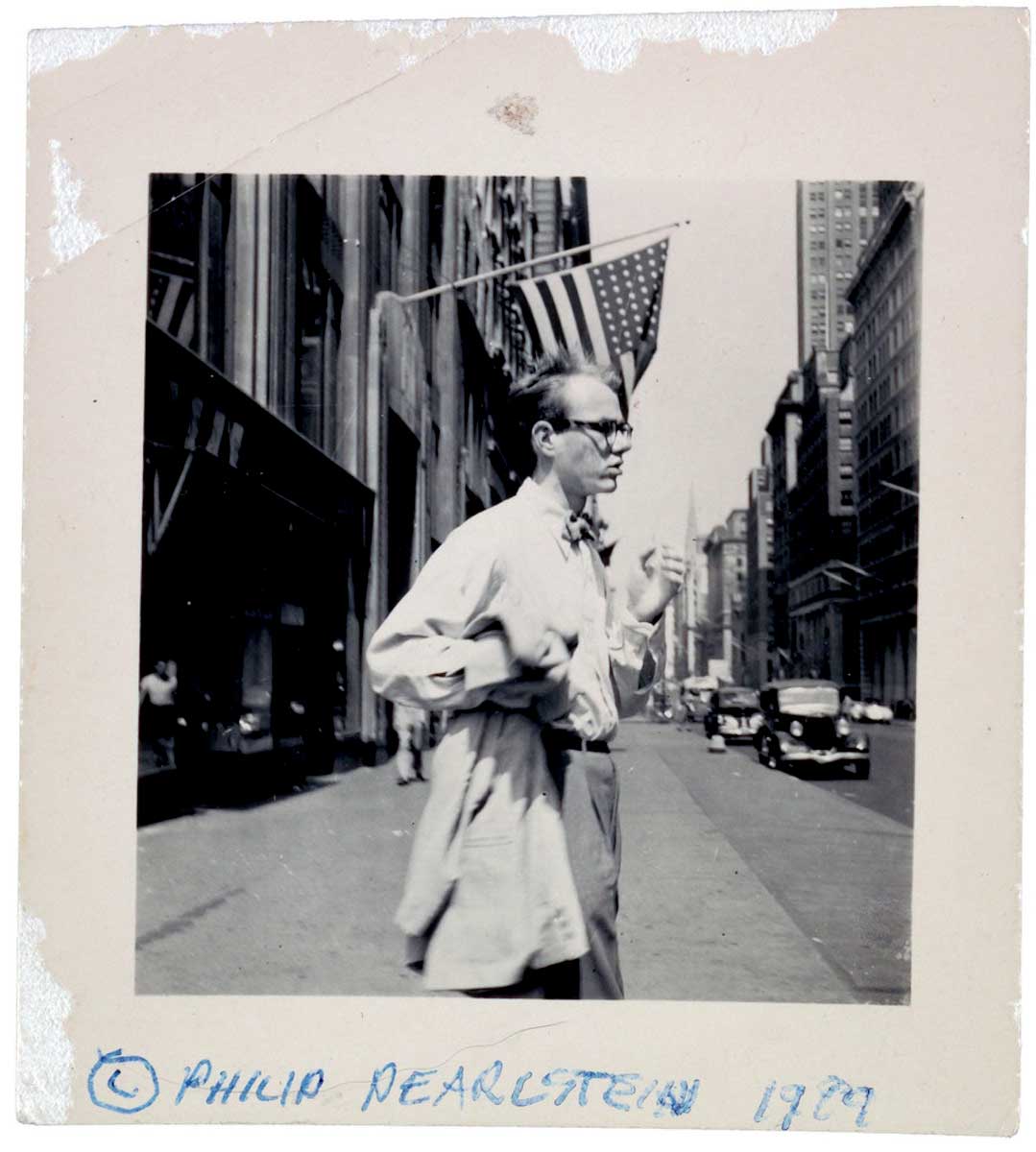
Born in Pittsburgh, Pennsylvania, on August 6, 1928, Warhol was born to Slovakian immigrants in a poor neighborhood during the Great Depression. As a child, Warhol contracted a rare disease called Chorea, leaving him bedridden for an entire school year.
It was during this time that Warhol learned to draw from his mother, who worked as an embroidery artist. He’d be sick in bed but was able to draw. It soon became his favorite way to spend time.
Warhol had obvious artistic talent and enrolled at the Carnegie Institute for Technology (now called Carnegie Mellon University) to study pictorial design. After graduating with a Fine Arts degree, he moved to New York at age 21 with big dreams.
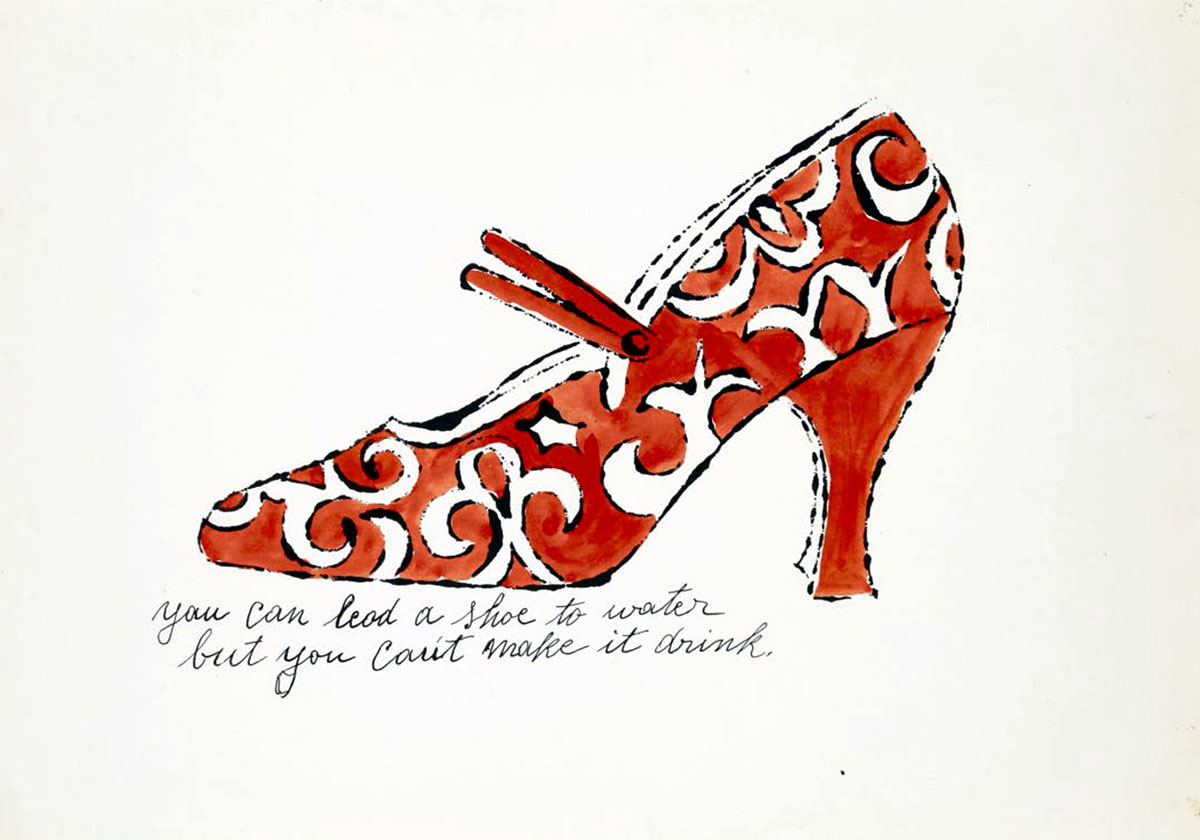
He became a successful commercial illustrator on Madison Avenue in the 1950s during the heyday of advertising. He was hired to draw for Glamour, Vogue, and Harper’s Bazaar, to name a few, using a blotted line technique he created.
His work in the commercial scene taught him many tricks of the trade, and he would later use this advertising know-how in the world of high art in terms of branding and popularity. His time as a commercial illustrator was a major piece of the Warhol puzzle.
The Birth of Pop Art and the 1962 Breakthrough
In the late 1950s, Warhol began to focus his efforts on painting and is now known as the “godfather” of Pop Art. It was a true extension of what the 1950s were all about. People were buying plastic, dressing for fun, and demanding more options than ever before. Life was a lot more colorful than at any other time in history.
Pop Art literally means popular art. In short, it’s art for the masses: art for everyone. It was as much a cultural phenomenon and a lifestyle on its own as it was a style that artists were emulating.
According to Richard Hamilton, a British pop artist, Pop Art is “popular, transient, expendable, low-cost, mass-produced, young, witty, sexy, gimmicky, glamorous, big business.”
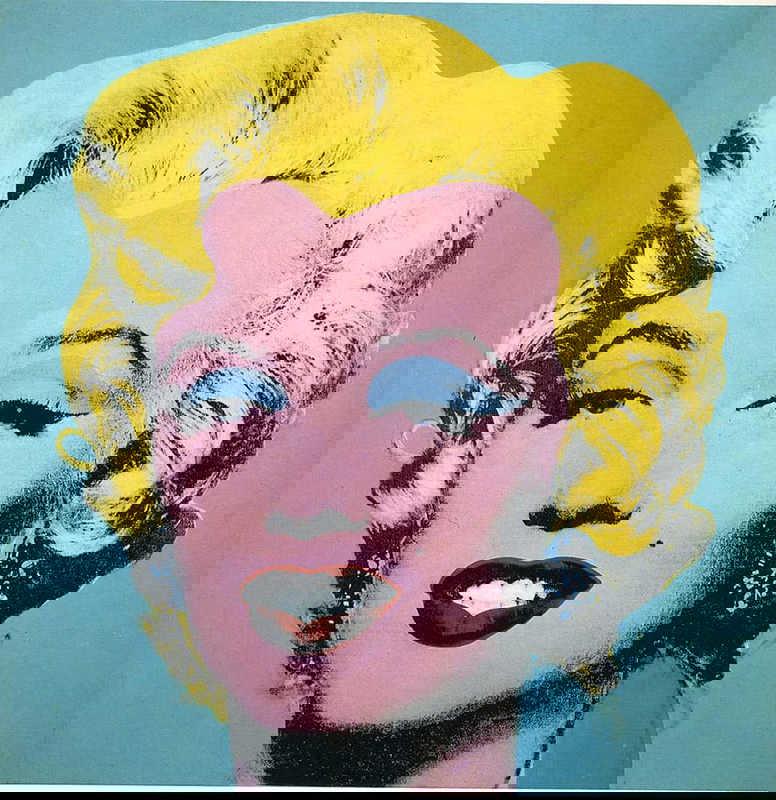
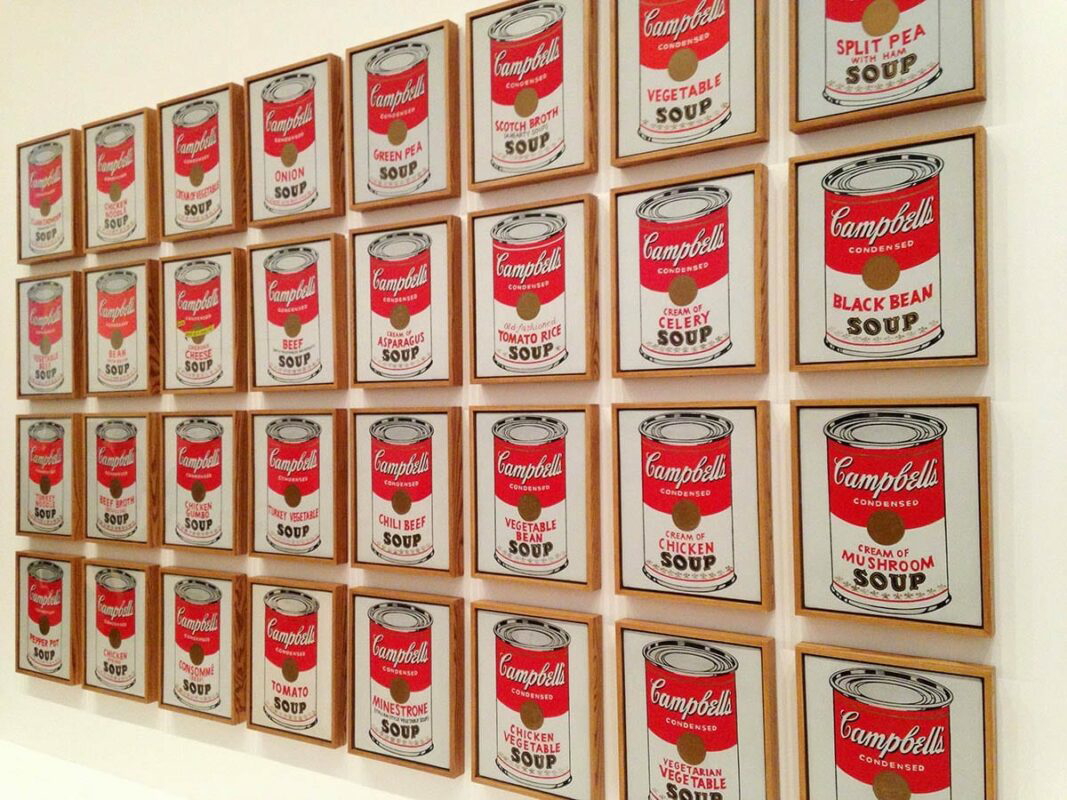
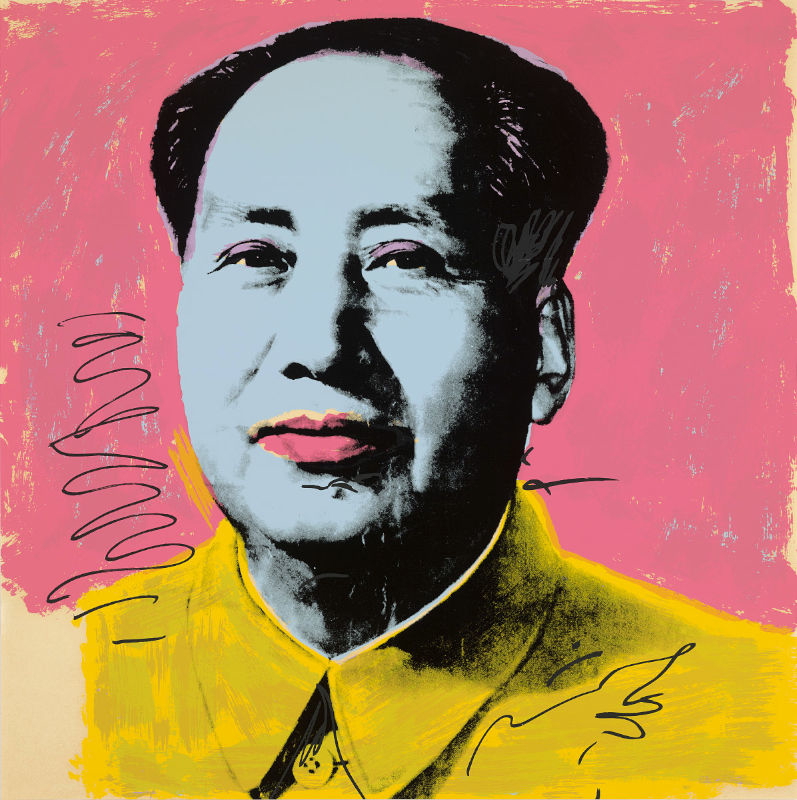
At the start of his career as an artist, Warhol painted common items like Coca-Cola bottles, vacuum cleaners, and hamburgers. In 1962, he debuted his iconic Campbell’s soup cans and would later exhibit painted screen prints of celebrities including Elizabeth Taylor, Michael Jackson, Elvis Presley, and most famously, Marilyn Monroe.
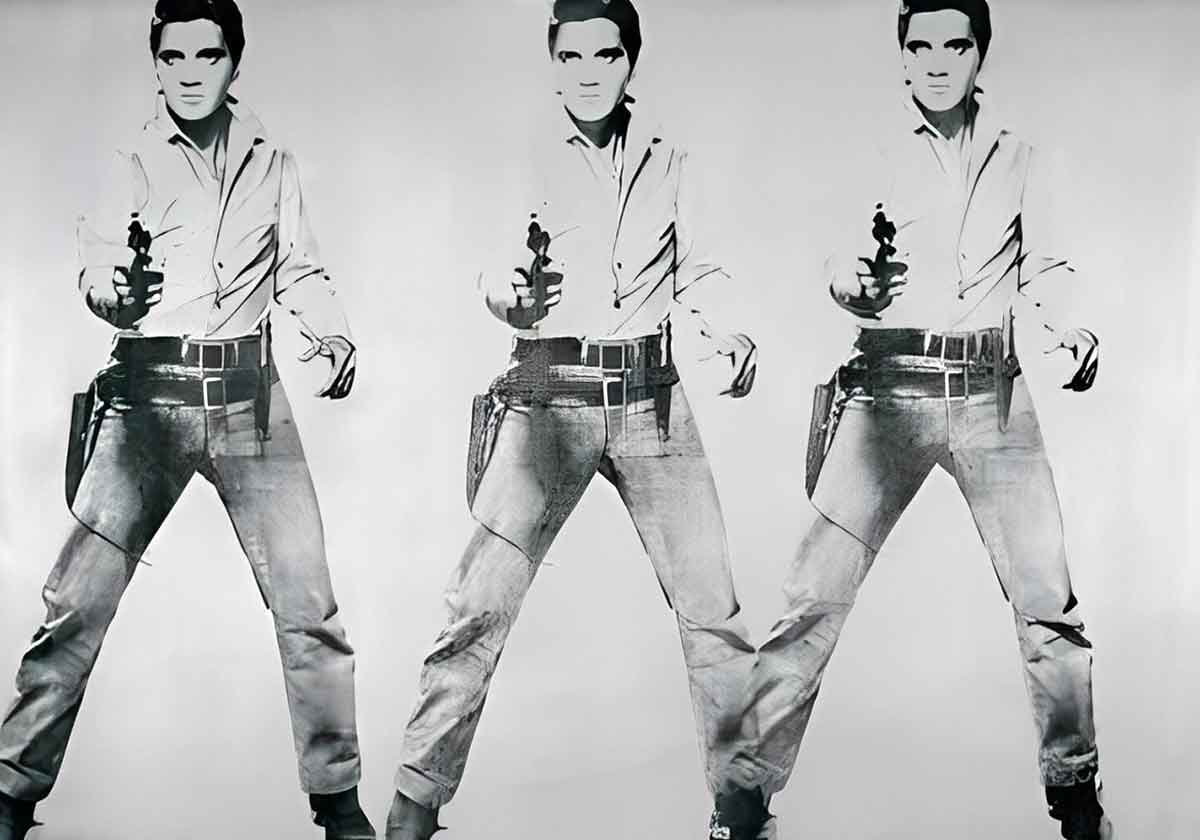
The silkscreen process became his trademark. Before Warhol, silkscreen printing was mainly used for making wallpaper on a large scale. It was the perfect medium for his mass-produced art about a mass-produced culture.
Inside the Silver Factory and the Celebrity Obsession
Warhol’s art studio was lovingly called The Factory. It went along with themes of art as mass production. The Factory was often filled with movie stars, drag queens, and the underground scene of New York, quickly becoming a cultural hub for celebrities and socialites.
It was obvious that Warhol was enthralled by the idea of celebrity and relished in his own fame. He would frequent Studio 54 and other prominent nightclubs. Warhol was the pinnacle of “cool.”
It was here that Warhol would start experimenting with video art, the likes of which had never been done before. In his films, he would direct his subjects to look directly into the lens or, in one instance, he filmed poet John Giorno sleeping for six hours. Anyone who visited The Factory, from Bob Dylan and Salvador Dalí to Lou Reed and Edie Sedgwick, was sat in a chair and filmed for three minutes. Some assert that reality TV and celebrity obsession as we know it today was inspired by Warhol.
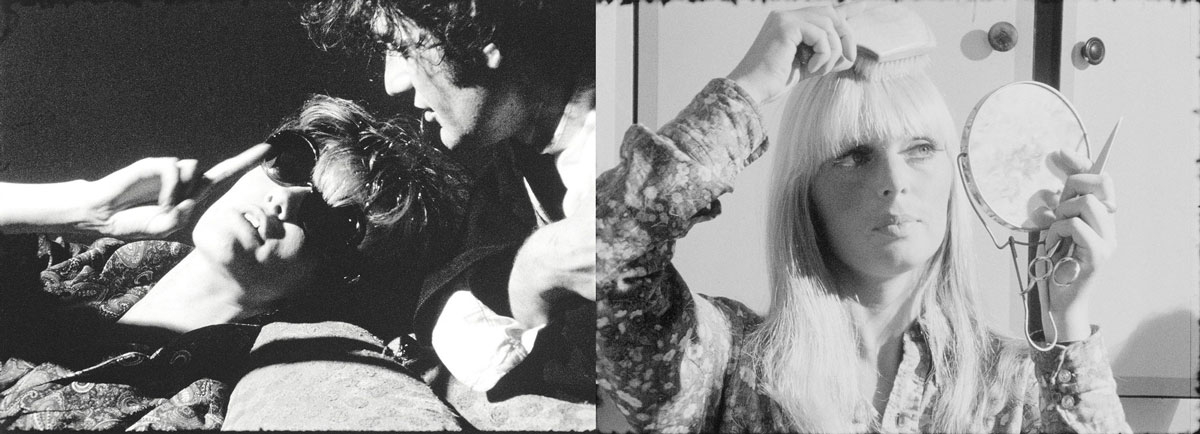
The Chelsea Girls (1966) was Warhol’s first major box-office success. It was projected using two 16mm projectors side-by-side on a single screen, featuring split-screen audio that operators would manually fade between. It brought underground cinema straight into commercial theaters.
The 1968 Shooting, Celebrity, and Death
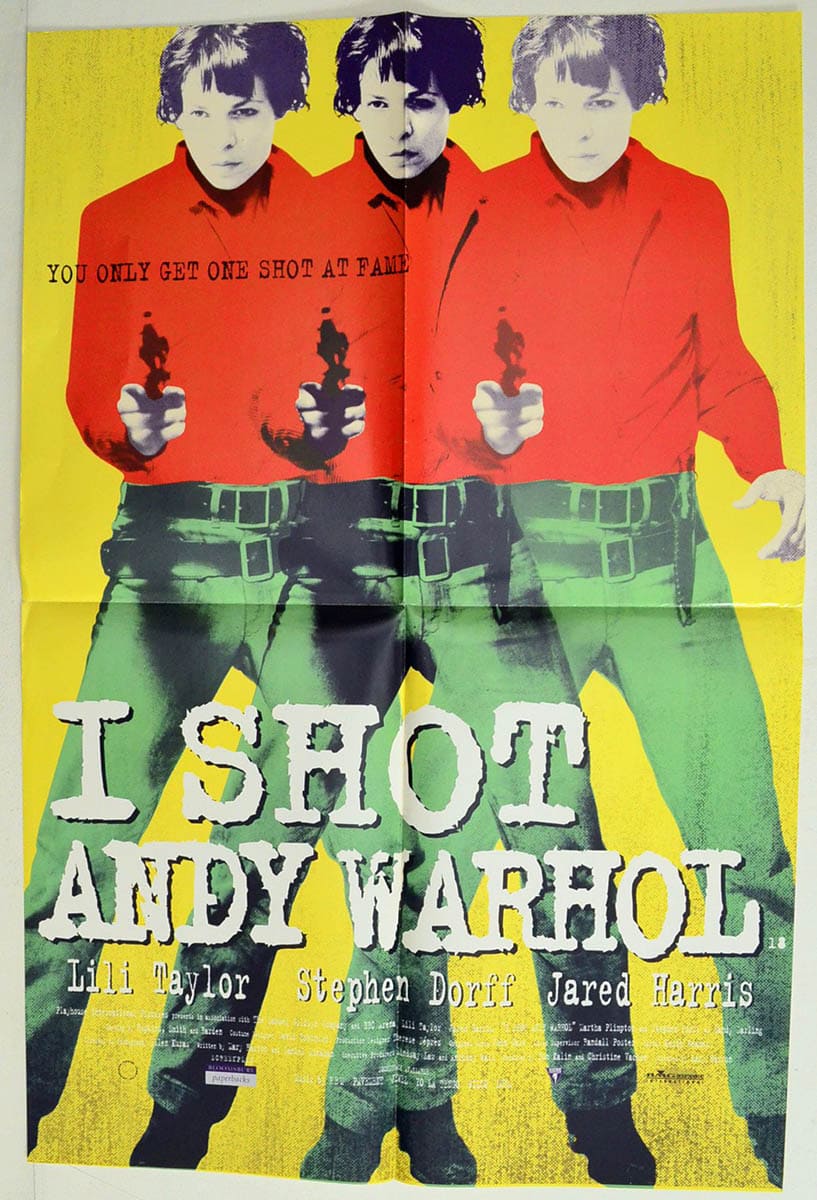
Most of Warhol’s art was driven by celebrity and death. He was obsessed with fame and was driven by it. He was also intrigued by death as the polar opposite. Being a celebrity meant you were free from death: your legacy was beyond your lifespan. Perhaps that’s true.
He flirted with death in 1968 when he was shot by Valerie Solanas, a radical feminist who was an aspiring writer. Rumor has it that Solanas was upset to learn that Warhol had not wanted to use the script she had written for one of his films. Luckily, Warhol survived. He spent a few weeks in the hospital and had to wear a surgical corset for the rest of his life.
In 1982, Warhol struck up a deep friendship and artistic partnership with the young prodigy Jean-Michel Basquiat. The pairing re-energized Warhol. Basquiat persuaded Warhol to put down the screen-printing squeegee and pick up a paintbrush again for the first time in decades. Together, they created over 100 collaborative canvasses.
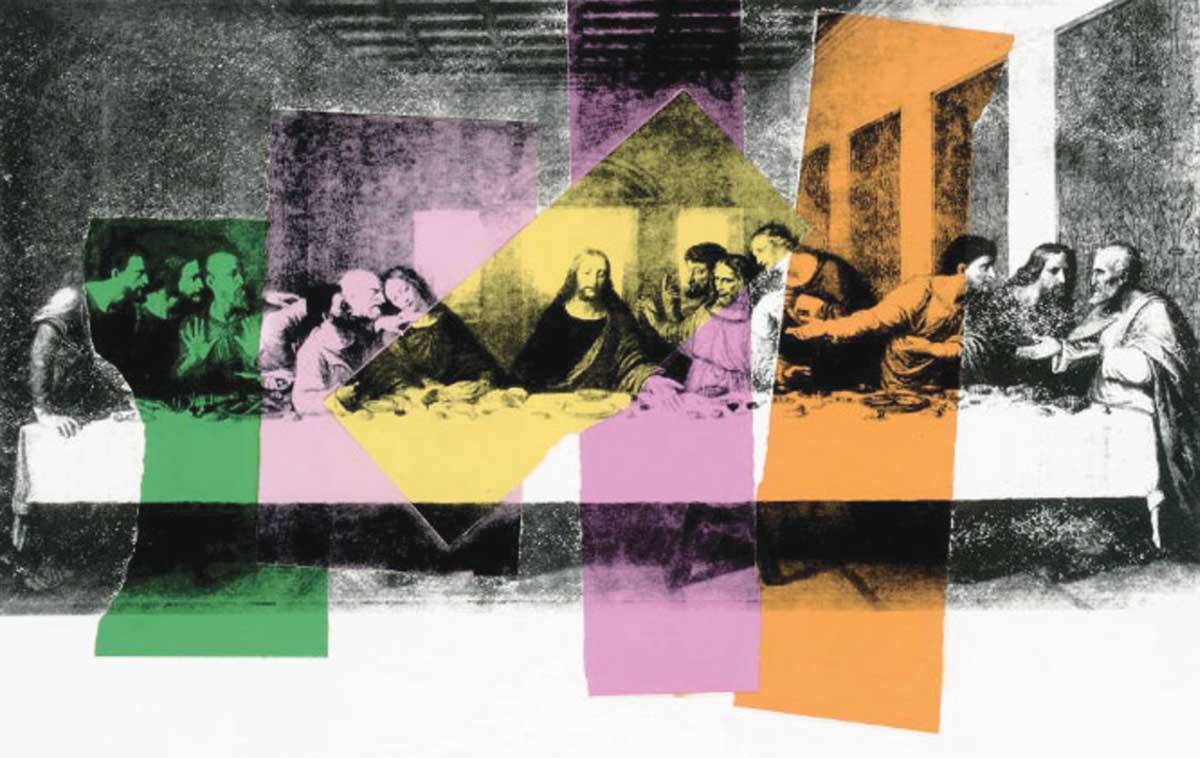
In the 1980s, Warhol started experiencing issues with his gallbladder. In February 1987, he was admitted to the hospital for a routine surgery to have his gallbladder removed. Sadly, and very unfortunately, Warhol died of complications on February 22, 1987. He was 58 years old.
A memorial was held at the gorgeous St. Patrick’s Cathedral in New York City. Thousands of people were in attendance.
Andy Warhol: The Brand
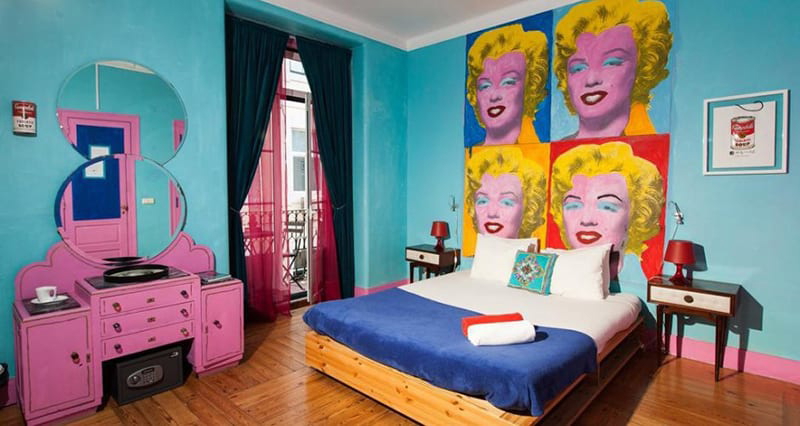
Warhol was a brand all on his own and, in some ways, a piece of art in and of himself. He reinvented himself with fashion statements, wearing obvious wigs and sunglasses day and night. Warhol did reportedly have extremely sensitive eyes, but he was a trendsetter all the same.
He expanded beyond painting, printing, and film, writing multiple books and even dabbling in sculpture, photography, and television.
Even today, decades after he was making art, his reproducible images are everywhere, from T-shirts to coffee mugs. In many ways, he changed the way we see the world forever, and whether you like him or not, his effect on modern art is still felt more than 50 years later.
Both his illustration style of the 50s and his silkscreen printing techniques are still widespread among current artists, and using commonplace objects as works of art, which was unheard of before Warhol, is prevalent in art galleries worldwide nowadays.
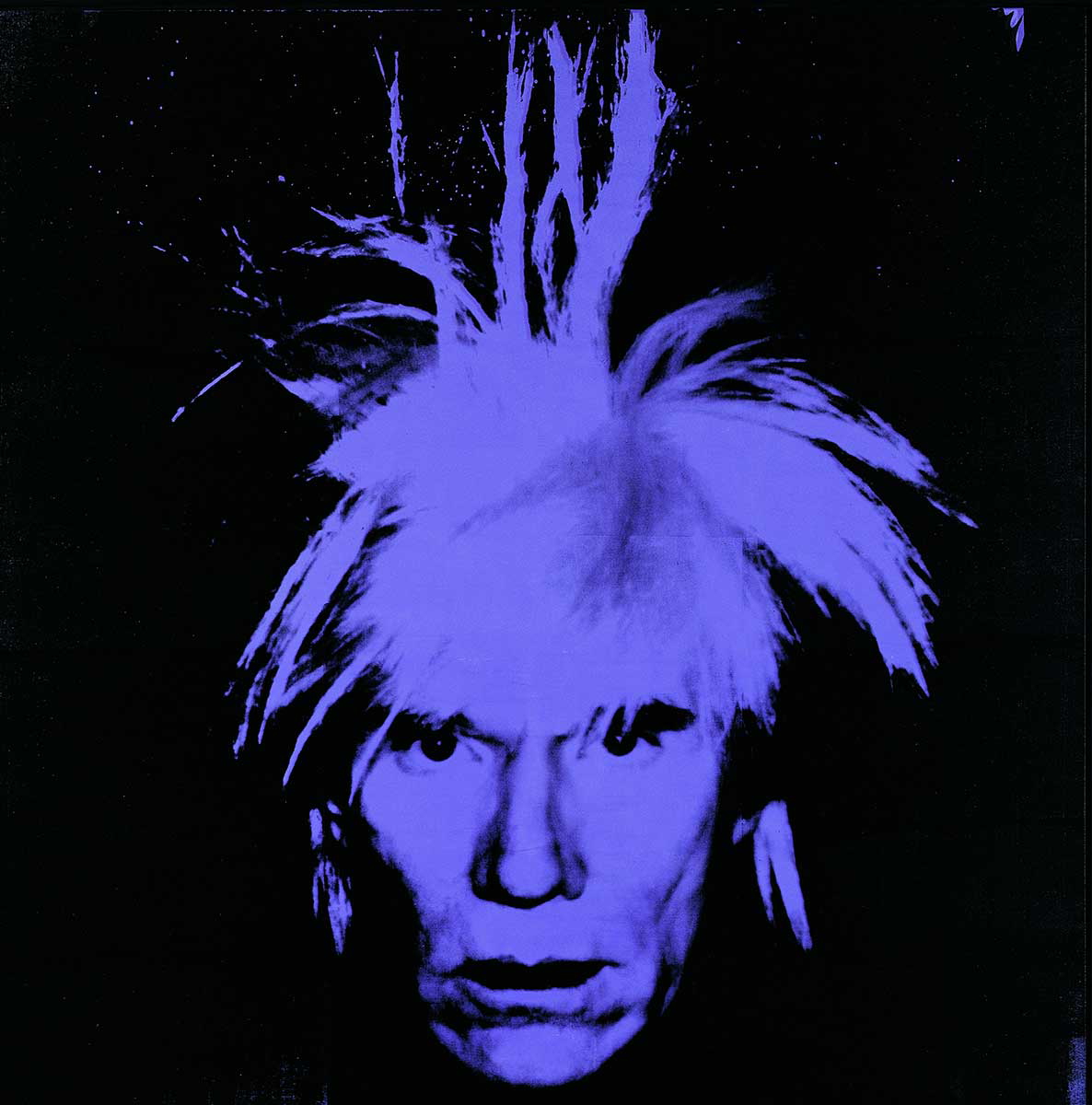
You can think about it in terms of personal branding as well. In the 1960s, when Warhol was printing his own portrait over and over again, this was not the norm. Yet, it’s interesting how it affected the way people saw him. Sharing our “personal brand” is something anyone with Facebook or Instagram does every day, subconsciously or otherwise. It’s yet another way Warhol was ahead of his time.
The man and his art are now huge brands, and in the ultimate case of irony, his work about consumer culture ended up becoming consumer culture. In his own words: “Making money is art and working is art, and good business is the best art.”
Popularity and Controversy
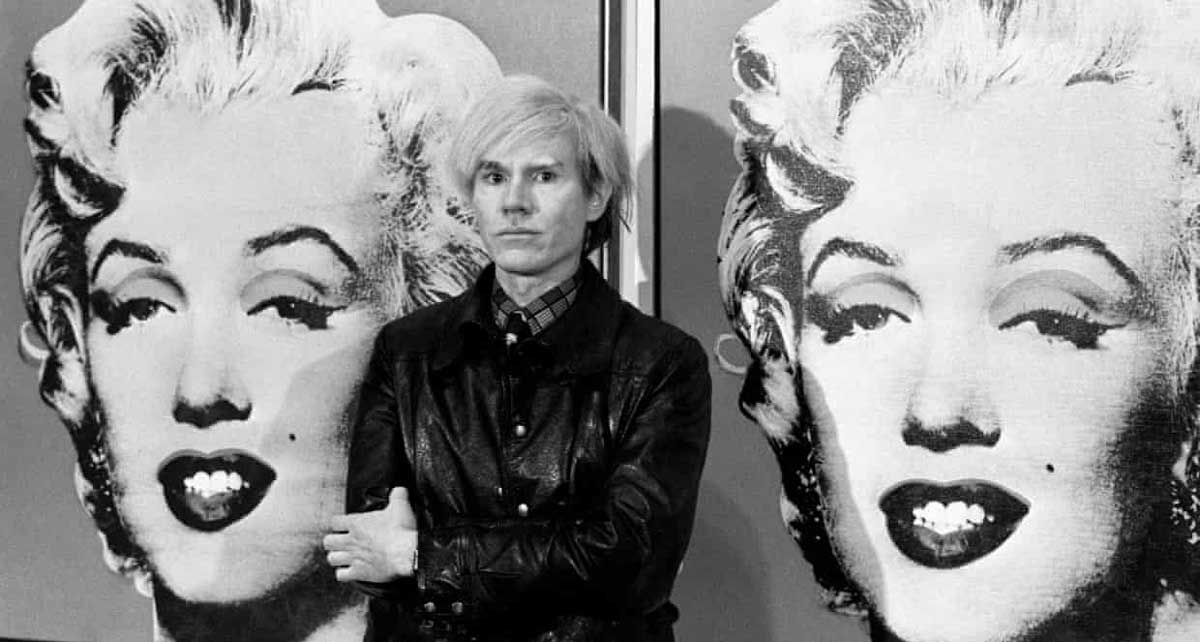
Warhol was a mysterious man and quite a controversial figure in the art world. Not everyone was convinced that his work should even be considered art. Some saw his work to be a brilliantly ironic representation of mass consumer culture. Others saw it as fraudulent and ridiculous.
One major opposition to his work was that it was “unoriginal,” which his supporters might argue was the whole point. The art world was shaken up by the question of whether originality had anything to do with the value of art. Warhol brought to life the notion that perhaps it’s the idea behind the artwork that’s important versus the skill used to make it.
Warhol was suspected to be a gay man and lived rather openly as such, although he claimed to have remained a virgin his entire life. It’s interesting that even during the 1960s, there didn’t seem to be much emphasis on this fact. It just goes to show that he was such an important artist not much else mattered.
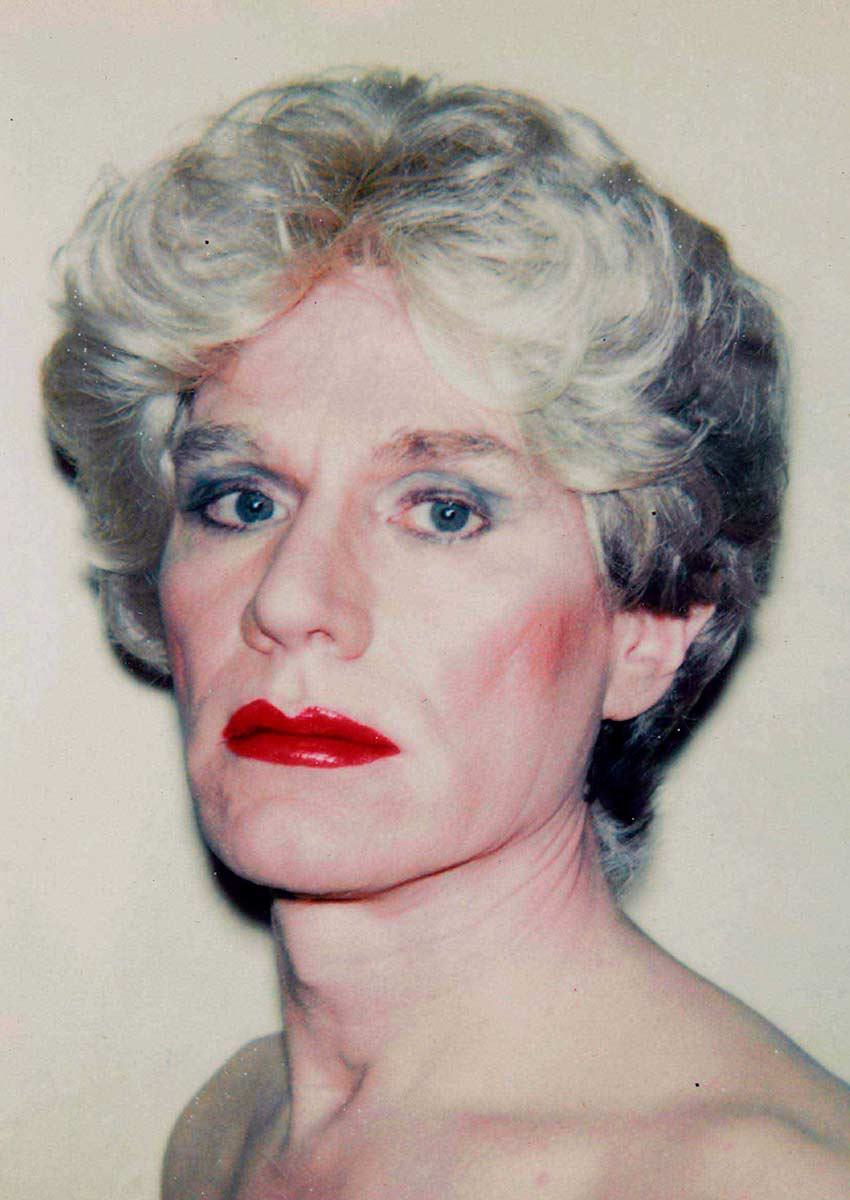
His life and work were completely intertwined. He once said, “If you want to know all about Andy Warhol, just look at the surface of my paintings and films and me and there I am. There’s nothing behind it.”
It’s cryptic statements like these that illuminate his strange demeanor and how he often frustrated the public. Was his work a satire? Was his Pop Art making fun of mass consumerism and pop culture? Or was he celebrating materialism in how he lived his life and expressed himself?
Warhol is a stunning contradiction – one that the art world continues to debate. One thing is for certain. The world after Warhol has never been the same.