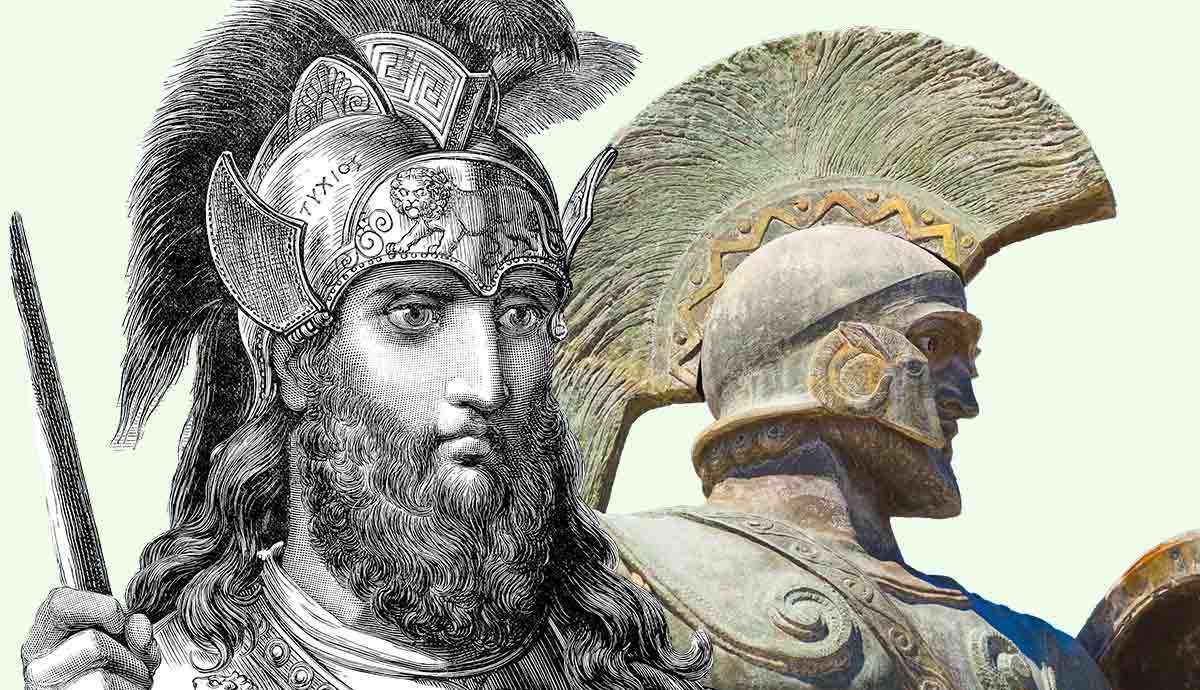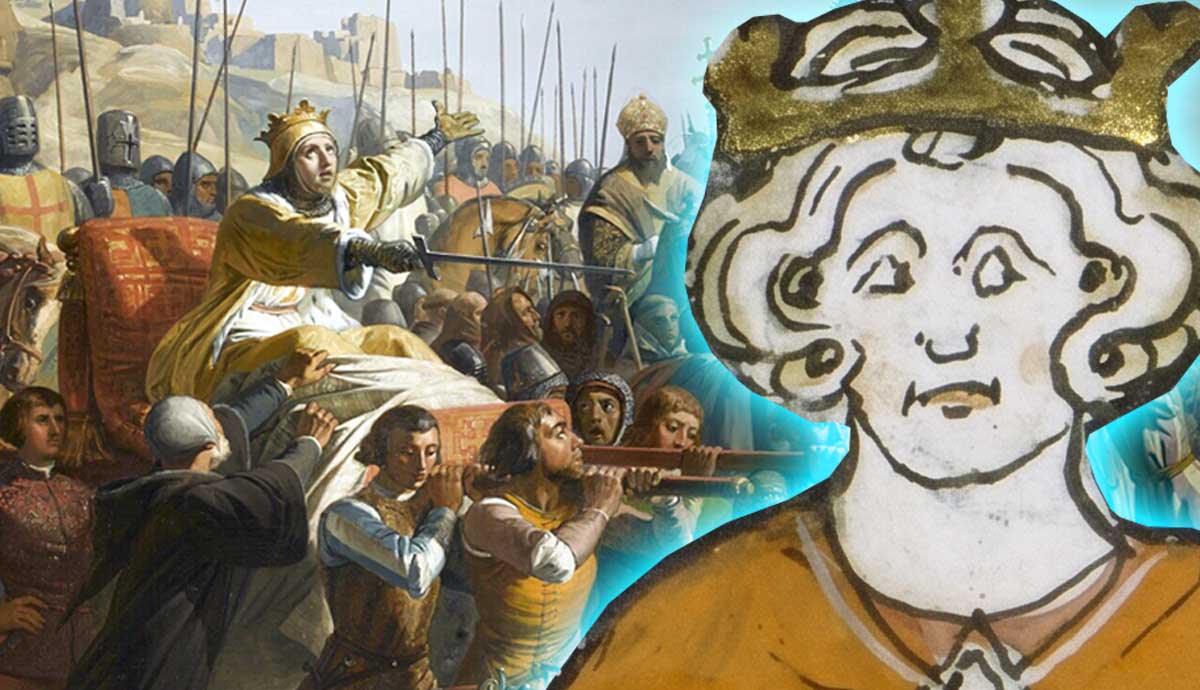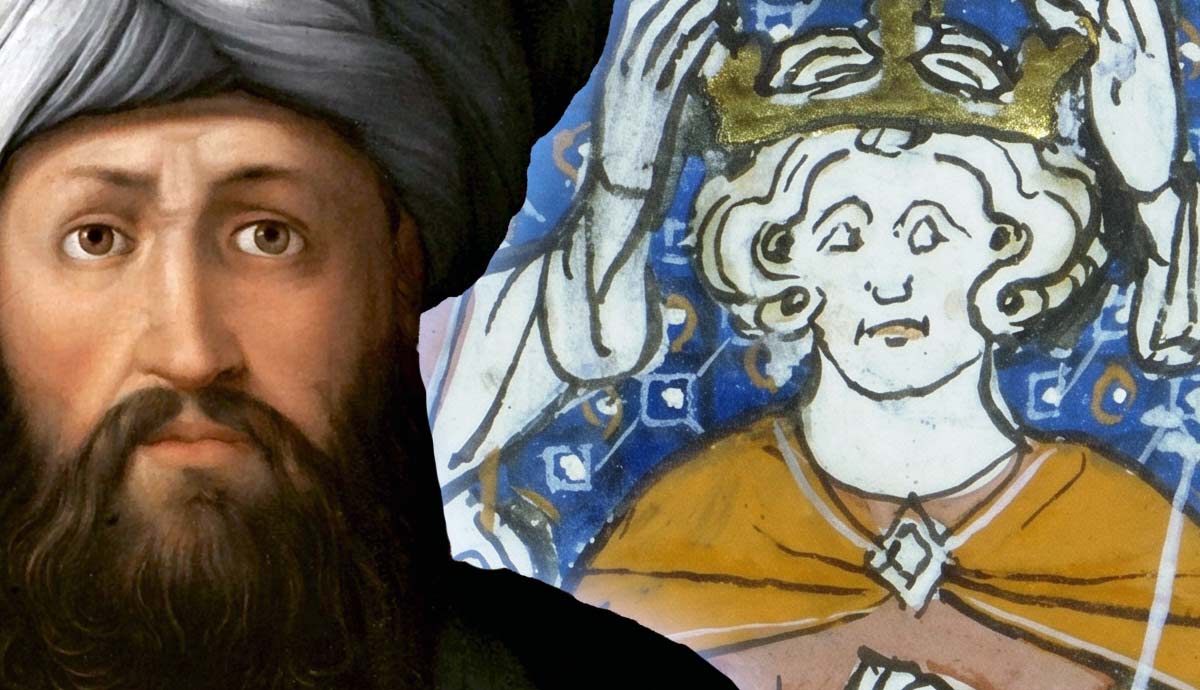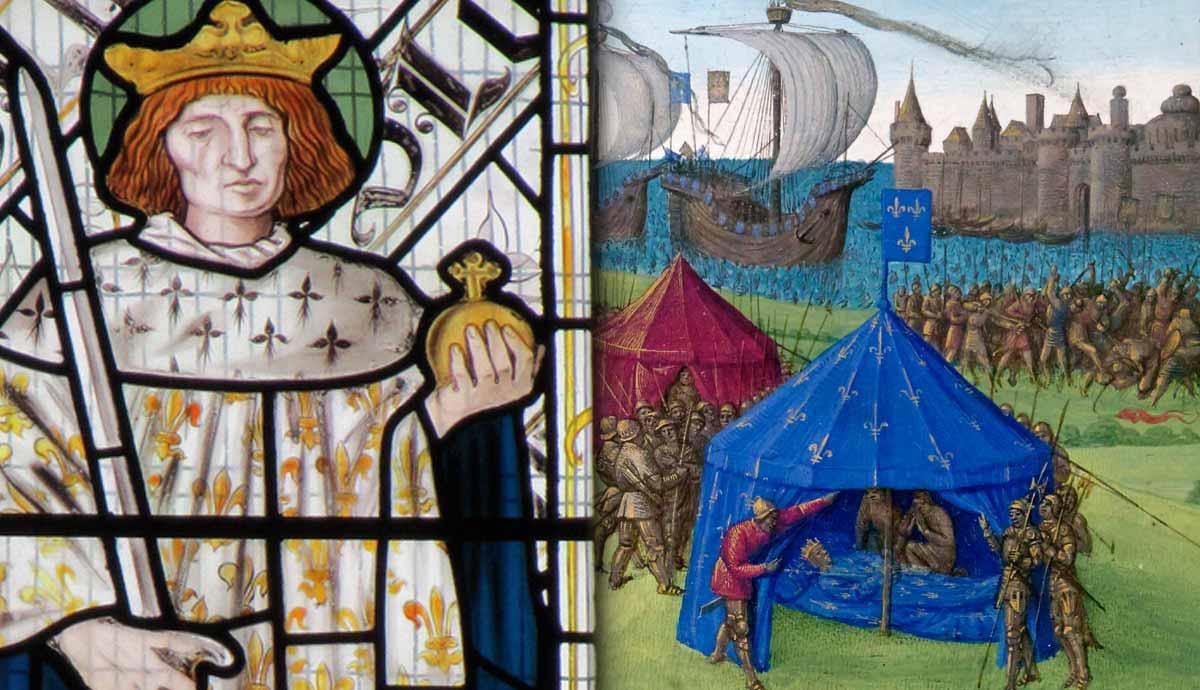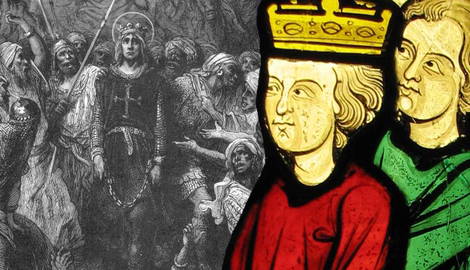

In the Western European Christian tradition, a Crusade was a kind of holy war sanctioned by the Catholic Church, in which Western Europeans could gain salvation by fighting on behalf of God and the Church to protect the Christian holy sites in Jerusalem. This article will discuss the Seventh Crusade, which was fought between the years 1248 and 1254.
King Louis IX of France’s Crusader Heritage
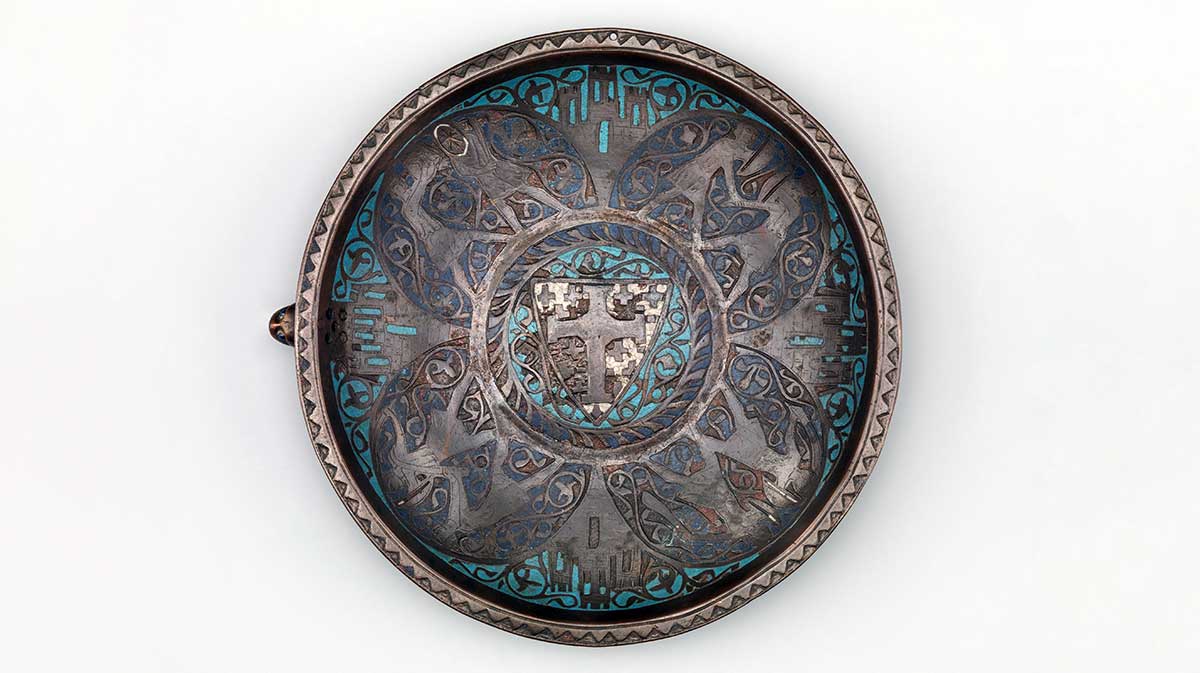
King Louis IX ruled France between the years 1226 and 1270. He was only twelve years old when his father, King Louis VIII, died while on the Albigensian Crusade. King Louis IX has gone down in history as a devoutly pious king, with a passion for justice and peacemaking. However, one of the great goals of his reign was to be a successful Crusader king.
Louis was not the first of the Capetian Kings of France to go on Crusade. His great-grandfather, King Louis VII, had led a French Army on the Second Crusade in the years 1146-1148. This Crusade had been a disaster, but it began the tradition of French monarchs leading Crusading expeditions.
Phillip Augustus, the son of King Louis VII and the grandfather of King Louis IX, had led another army to the Holy Land as part of the Third Crusade in the years 1189-1190. Later in 1226, King Louis VIII, the father of Louis IX, led an expedition into Languedoc in what is now Southern France as part of the Albigensian Crusade.
Louis IX Vows to Go On Crusade
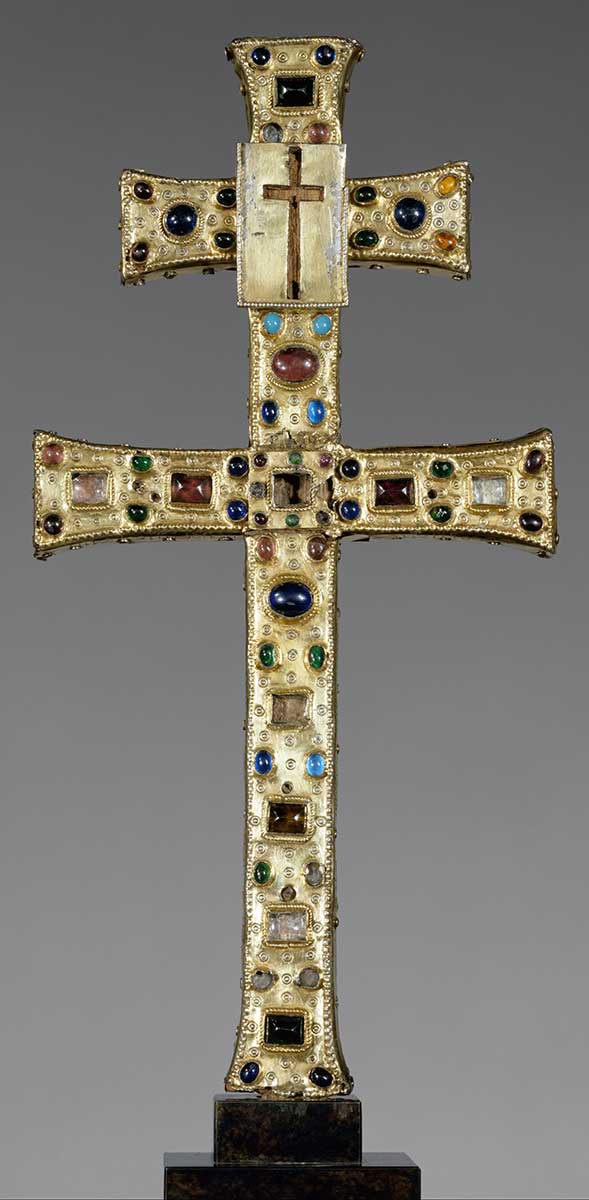
In December 1244, King Louis IX of France was seriously ill, and the court feared for his life. One day, while he was in a coma, and two maidservants were arguing over whether he was dead, the king woke up and asked for the cross.
In asking for a cross, he was making a vow to go on Crusade, and in making this vow, he was acting in opposition to many in his kingdom who increasingly questioned the practicality of a king abandoning his kingdom to go on Crusade, as well as its value in obtaining salvation.
The king’s mother, Queen Blanche of Castile, opposed her son’s Crusade and tried to persuade him to give up his vow, but he was adamant about his decision. Crusading continued to hold value and resonance for people, including the king, despite the doubts of many.
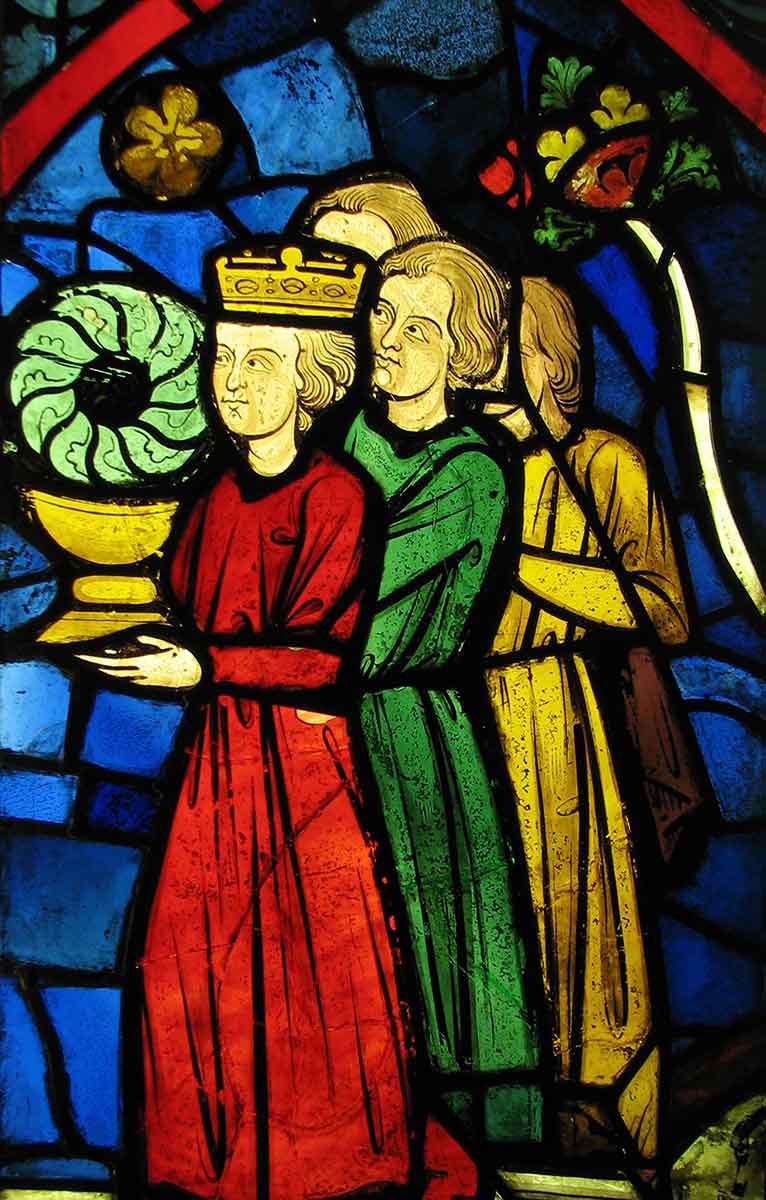
Considering the great influence that Queen Blanche had exerted over the king in the years since he had ascended the throne at the young age of twelve, there may well have been an aspect of rebellion and personal emancipation to the king’s determination to go on Crusade.
As it happened, this vow was made at the perfect moment, for earlier that fall, Khwarezmian Turks had conquered the city of Jerusalem. They then destroyed the Crusader army and their local Muslim allies at the Battle of La Forbie.
The news of this defeat had not yet reached France when Louis made his vow, although these events would have made his departure on the Crusade the more pressing.
Preparing for the Crusade

King Louis IX spent over three years preparing for his expedition. In 1245, he met with Pope Innocent IV, who sent a legate to preach the Crusade in France, and the pope also granted the king a tenth of the revenues of all the bishoprics, churches, and monasteries in France, for the Crusade. The king also levied tailles, or arbitrary payments, from the cities of France.
The revenues of the church and the towns of France sufficed to cover most of the cost of the Crusade. He used this money to recruit an army of around 15,000-25,000 troops.
Aside from nobles from the royal demesne who would have had the king as their direct lord, the king was also able to convince his brothers, Robert Count of Artois, Alphonse, Count of Poitiers, and Charles of Anjou to come with contingents of soldiers from their appanages, and he was able to recruit troops from the Counties of Champagne and Flanders because their Counts were sympathetic to Louis IX.
Furthermore, William Longuespee, Earl of Salisbury, a great English nobleman, brought a small force of English knights to join the expedition, and once the king arrived in Cyprus, many knights from there, and the other Crusader principalities in the Holy Land and Greece, as well as a force of Knights Templars, joined him.
To take his army to the Holy Land, Pisa and Genoa provided ships in return for promises of commercial favors in the Holy Land.
The Capture of Damietta
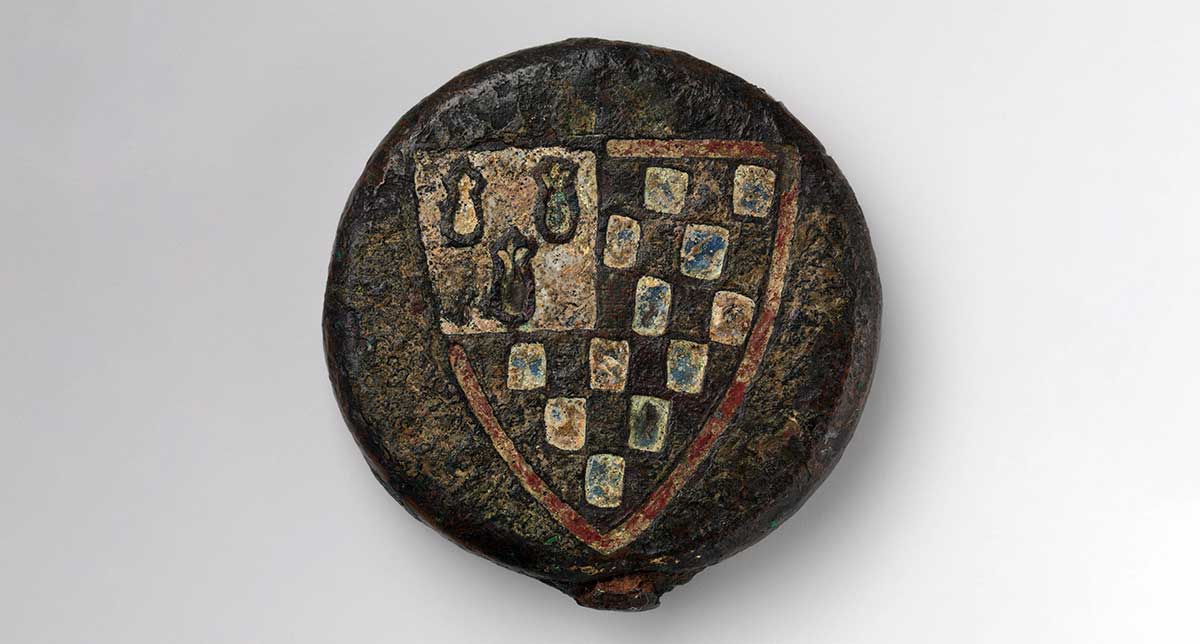
King Louis IX finally set out for his expedition in the summer of 1248. On August 25, the king and his fleet embarked for the Island of Cyprus. Cyprus by this time was a Crusader kingdom ruled by a dynasty of Kings of French origin called the Lusignans.
Because it was September when King Louis IX arrived in Cyprus, it was too late in the year for the invasion to begin. So, he and his army spent the winter of 1248-1249 in Cyprus planning their campaign and preparing to attack.
Rather than land in Palestine directly, Louis IX and the other French barons were convinced by the Crusader Barons to attack Egypt.
Egypt was a wealthy and populous country that threatened Palestine from the south, and as long as it was held by the Muslims, the Crusaders could never hope to hold the Holy Land for long. The Crusaders had learned this from hard experience. Because of the failure of the King of Jerusalem, Amaury, to conquer Egypt for the Crusaders in the 12th century, Nur al-Din and his nephew, Saladin, had conquered it.
Realizing the importance of Egypt, the Fifth Crusade in 1217-1221 had tried to conquer Egypt but had done no more than capture Damietta after a year-long siege, before their army was bogged down and destroyed in the Nile delta.
Now, with Louis IX and his forces massing in Cyprus, it seemed like an excellent opportunity to renew the old plan to conquer Egypt to regain and secure their hold on Palestine.
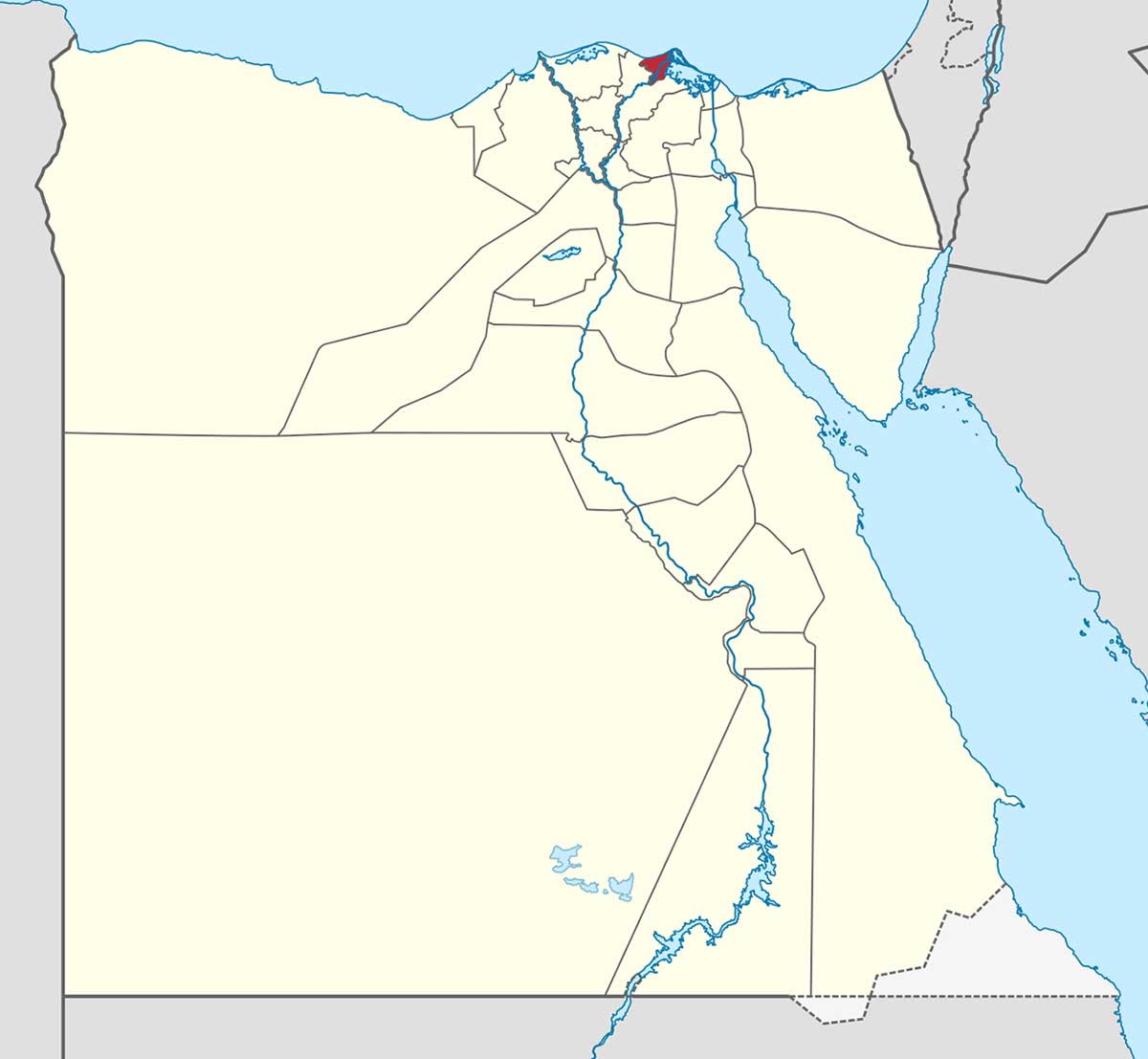
By May of 1250, a fleet of 1,800 ships had been gathered at the Port of Limassol on Cyprus to take the Crusader army to Egypt. Unfortunately, a storm soon scattered much of the fleet, and so when in early June of 1249 Saint Louis and his flagship the Montjoie arrived off the Egyptian port city of Damietta, he had no more than one-third of his army with him.
The troops of the Egyptian Sultan Ayub, meanwhile, waited on the shore to repel the Crusaders. As the French troops began disembarking from their ships to attack, King Louis himself, against advice, jumped into the sea armed with his shield and his lance and rushed to the shore with his first wave of knights. They were soon able to clear the shore and secure a beachhead.
The Sultan’s troops became discouraged, so they retreated and left Damietta to be occupied by King Louis and the Crusaders.
Meanwhile, the French army could not yet move inland to attack Cairo because the floods were starting and would bog down any advance until October or November. So, the French army stayed outside Damietta, biding its time. In October of 1249, however, reinforcements led by Alphonse, Count of Poitou, arrived, and the floods began to recede, so Louis met with his council to plan the next stage of the campaign.
A Pyrrhic Victory at Al Mansourah
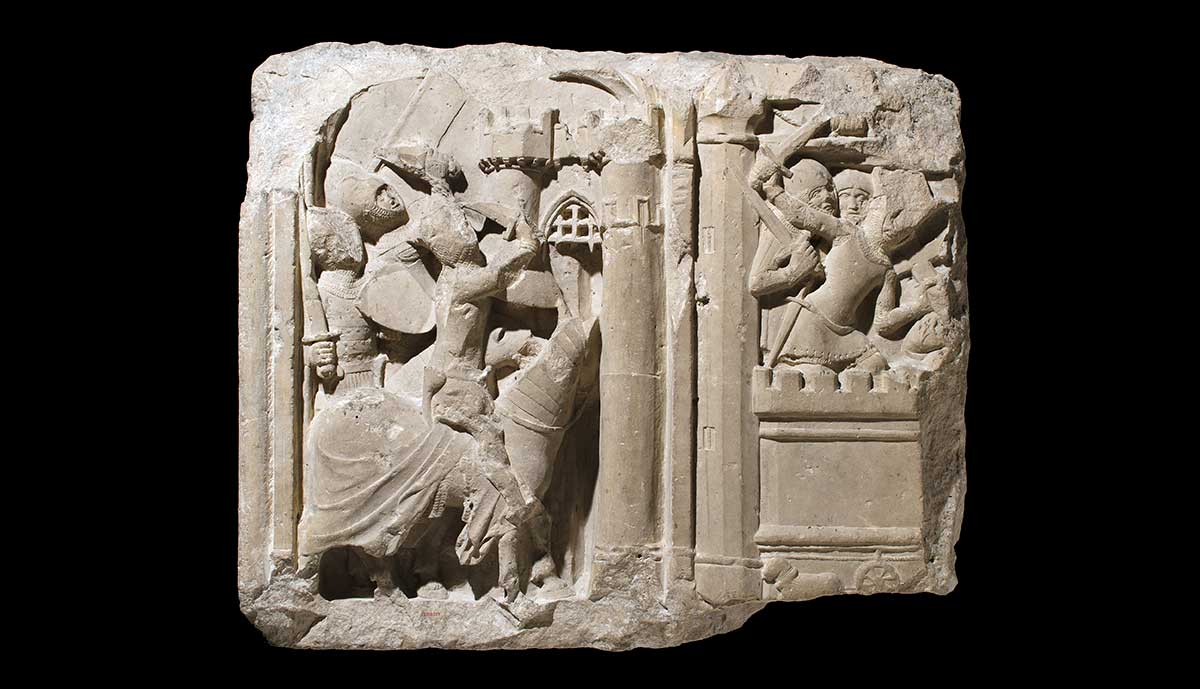
At the end of October 1249, the French army moved out. They planned to march down the Nile valley and capture Cairo, thereby conquering and securing Egypt for the Crusaders.
They marched south through the Nile Valley, crossing the many streams and canals in their path, and engaging in occasional skirmishes with the Egyptian army. Finally, they arrived at a tributary of the Nile called the Bahr Es Seghir, where they faced the Egyptian army encamped across the river, and shortly beyond the Egyptian camp lay the city of Al Mansourah, whose capture was the next goal of the Crusade.
The Crusaders spent the next month and a half or so unsuccessfully trying to cross the Bahr es Seghir in the face of Egyptian resistance. However, in early February, the Crusaders were able to bribe a local to show them a ford downstream, which they could cross.
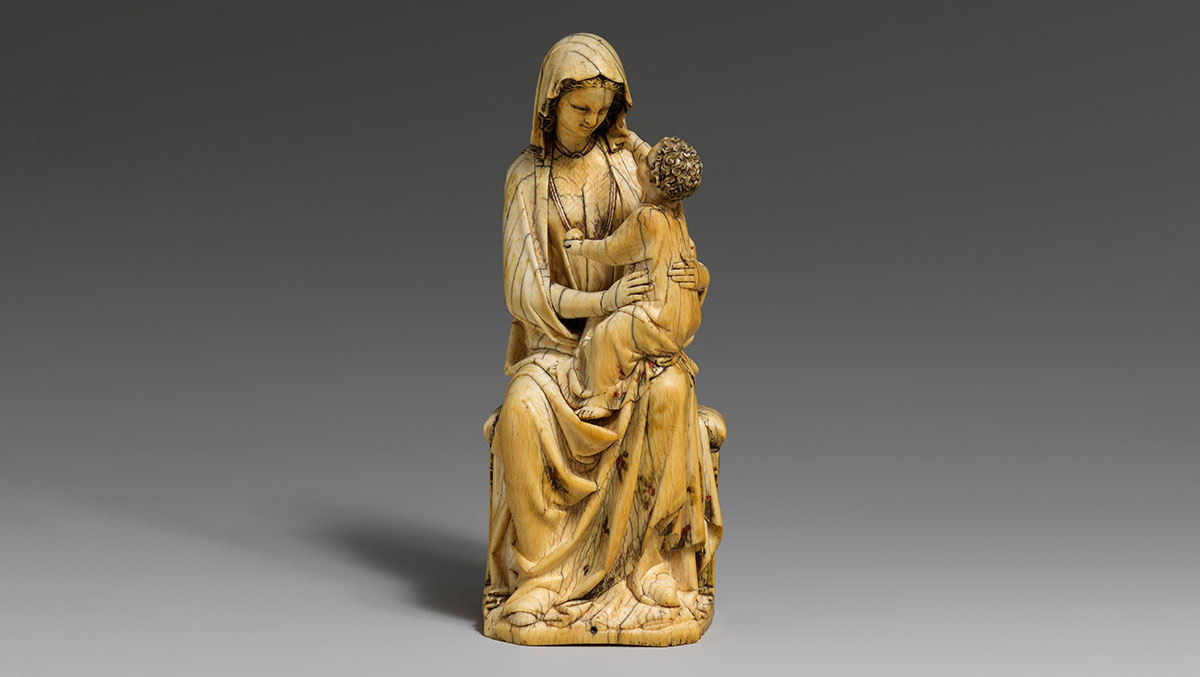
The vanguard was under orders not to engage in battle without the permission of King Louis. However, once they had crossed the river, they found that they had taken the Egyptian encampment off guard. Despite the caution of the Master of the Templars, they attacked.
The Egyptian camp was soon overrun, many Egyptians were killed before they could get their weapons, and the Vizier, Fakhr Ad Din, was killed after rushing to arms from his bath. Refugees from the camp soon fled to the town of Al Mansourah.
Against the advice of the Templars, Count Robert of Artois led the Vanguard in pursuit and soon rode into the town. They were then ambushed and almost completely wiped out by the Egyptian troops garrisoned in the town, led by their general, Baibars Al Bundukdari.
In all, over 500 Knights were killed, a serious loss of leadership and elite troops in an army that contained only about 2,500-2,600 knights. The Count of Brittany was among those few who managed to escape, and he was able to warn Louis as he crossed the ford with the bulk of the Crusader army.
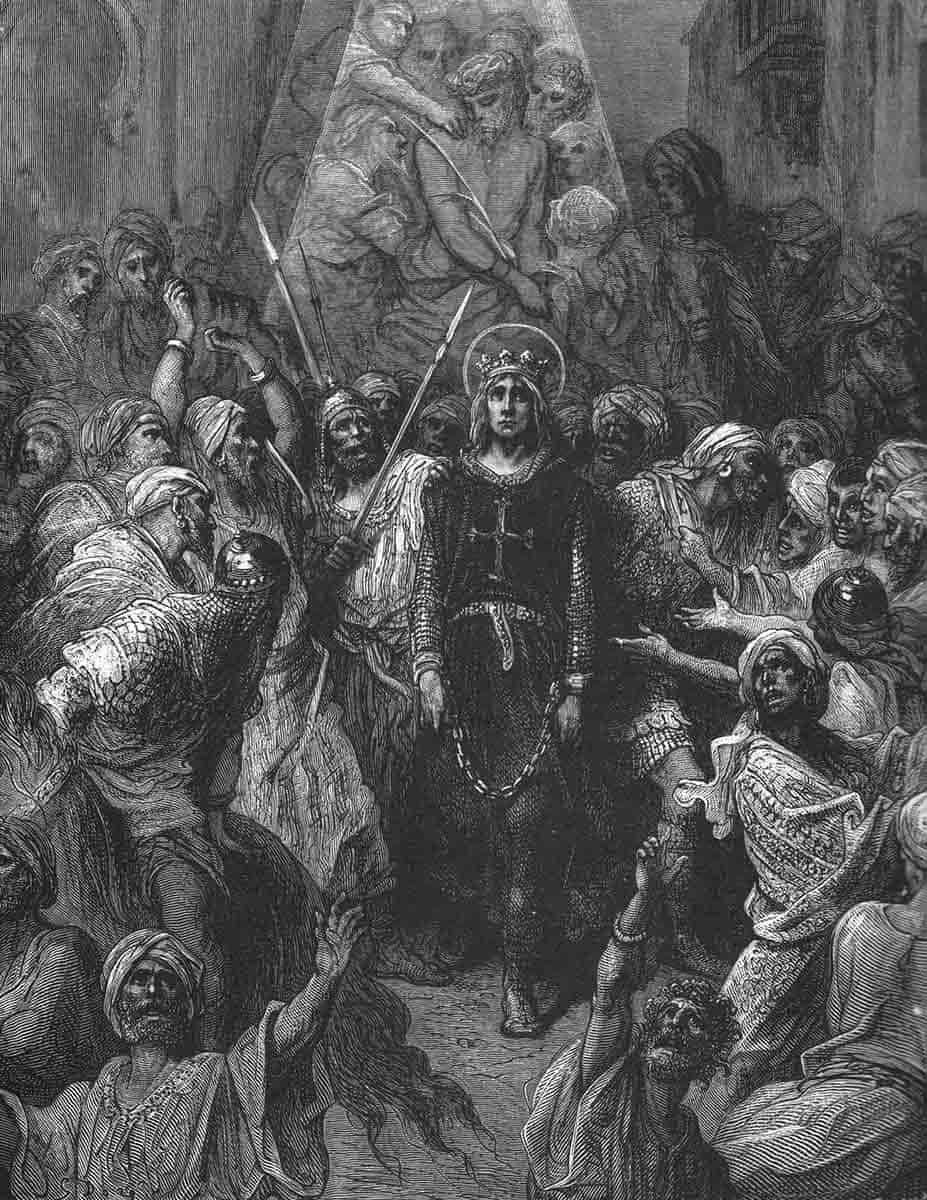
King Louis now formed the main body of his army to face an Egyptian counterattack. The force of this counterattack soon pushed Louis and the Crusaders back, but the king was soon able to rally his troops and regain his lost ground. The battle remained undecided until evening, when a pontoon bridge over the Bahr Es Seghir was completed, and crossbowmen were rushed across the river, at which point the Egyptians finally retreated into Al Mansourah, and King Louis and his army kept the field.
Unfortunately, Louis had lost more troops than he could afford, and so he was unable to attack the town of Al Mansourah. Louis had word that the Sultan of Egypt, Ayub, had died, and there was strife between his son and heir, Turanshah, and the Mamluk slave commanders raised by his father. So Louis and his army remained, hoping that soon there would be a palace revolution that would throw Egypt into chaos and give him the advantage again.
Meanwhile, a few days after the Battle of Al Mansourah, the Egyptian army attacked again, and after another long and hard-fought battle, they were repulsed.
The Disastrous Retreat
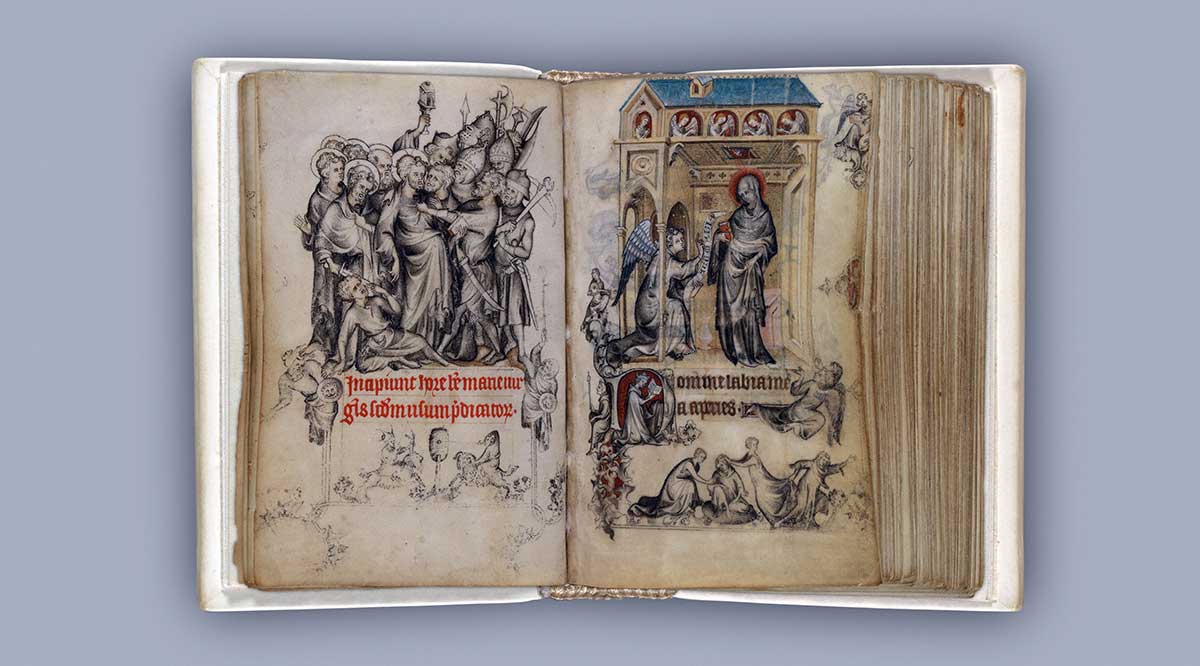
By now, the new Egyptian Sultan Turanshah had arrived, and so a new effort was made to force the Crusaders to retreat by having boats brought by camel and launched in the Nile River above the Crusaders’ camp. This was done to cut the Crusaders’ supply link with Damietta.
The Egyptians captured many boats bringing supplies to the Crusader camp, so the Crusader army was soon short of food, and disease began to ravage them. With the army severely weakened, the Egyptians becoming stronger, and with no evident opportunities coming from discord within the Egyptian ranks, King Louis IX and his barons decided it was time to retreat.
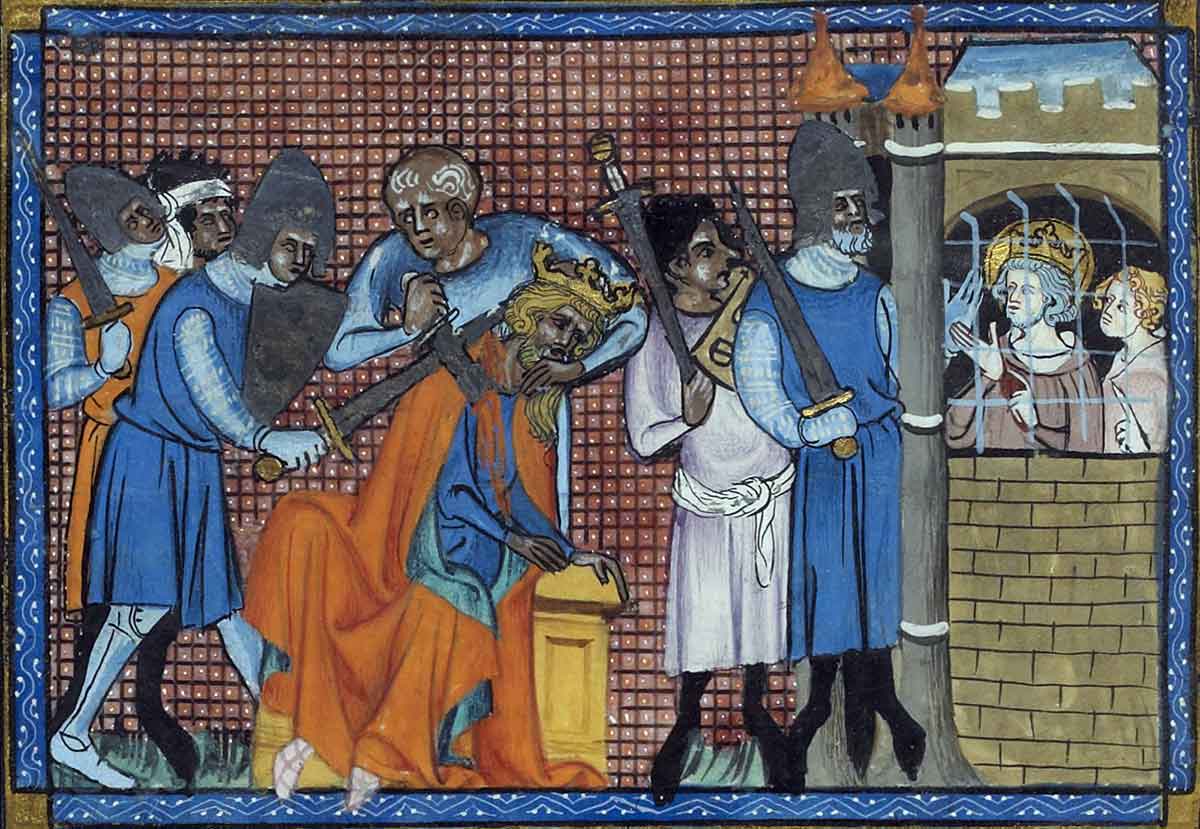
Most of the army marched along the banks of the Nile, while the sick and wounded Crusaders were loaded onto boats. The Crusaders started up the Nile, hoping to return to Damietta and regroup.
The Christians had neglected to destroy the bridge that they had thrown across the Bahr Es Seghir, and so the Egyptian army soon followed and began attacking the retreating Crusaders. The king had to flee to a nearby village, where he took shelter in a house, with only a few knights to guard him, and chased off Egyptian soldiers.
The Duke of Brittany was sent to negotiate terms with the Egyptians to allow the army to escape. Meanwhile, however, a soldier named Marcel, who had probably been bribed by the Egyptians, spread word that the king had surrendered, and they all had to drop their arms, thus ending the negotiations.
The ships carrying the sick and wounded were soon captured, and the sick and wounded prisoners were unloaded and beheaded by the hundreds.
Many of the prisoners on land were offered conversion or death, and many refused to be converted and so were put to death with the sword. The Egyptians, however, on further reflection, decided that they ought to spare the rest of the prisoners and use them as a bargaining chip to get concessions.
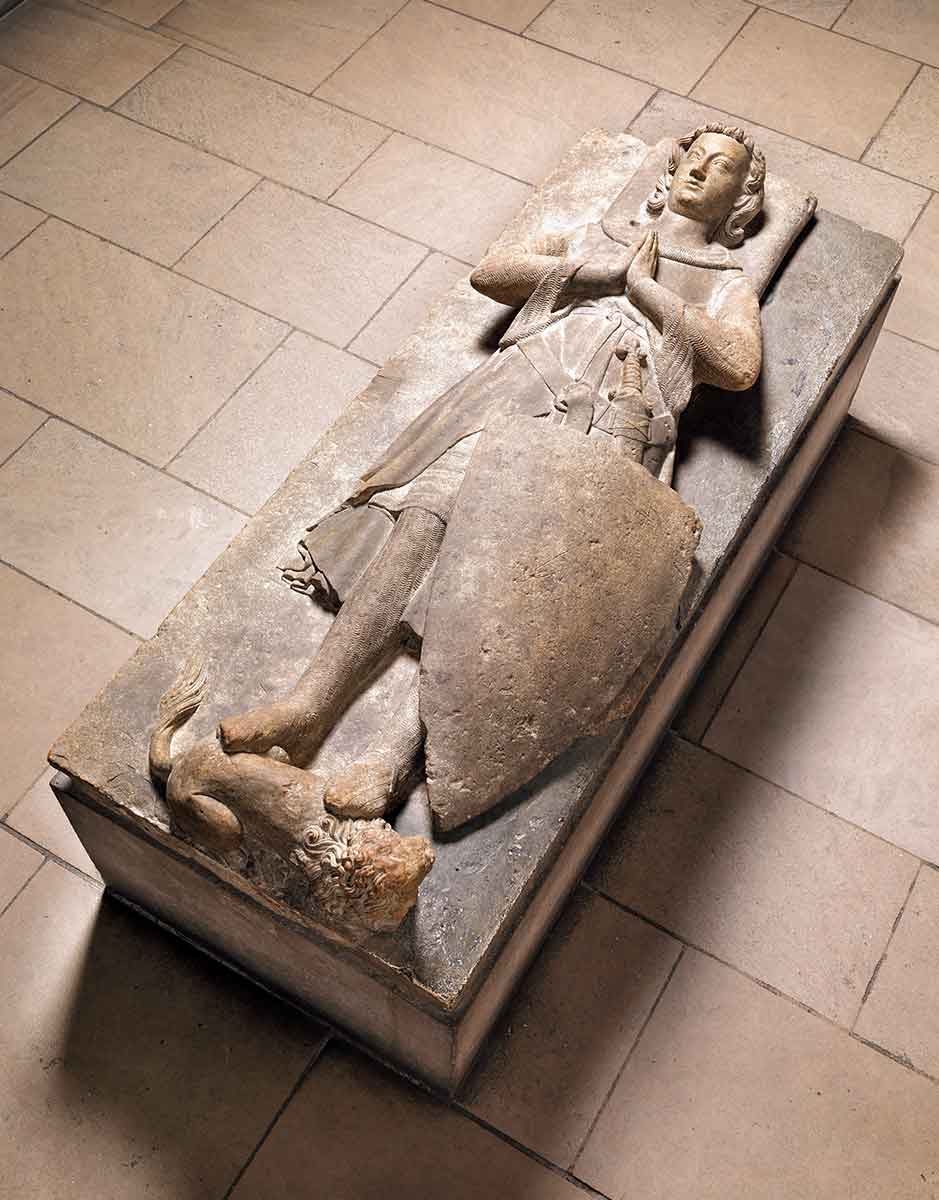
Meanwhile, Louis IX himself was soon captured. Louis was very sick, but Muslim doctors were sent in to care for him, and he soon began to mend.
The Egyptian sultan demanded that all the Crusader holdings in the Levant be turned over to him. Louis IX, however, said that he did not have the authority to do so, because Emperor Frederick II held the title King of Jerusalem. However, they soon made a deal that Damietta would be given back in exchange for King Louis, and 800,000 bezants, or 400,000 livres of Paris, would be paid for the surviving prisoners and captured supplies.
After a deal had been concluded, the Sultan Turanshah was finally overthrown and murdered by the Mamluk officers who made one of their number, Aibek, the new sultan.
The new ruler of Egypt decided to keep the deal that his predecessor had reached with Louis IX and the other crusaders, and in May, the down payment of 200,000 livres of Paris was paid to the Egyptians. Damietta was also handed over, and Louis IX and his brothers were freed. They then sailed to the city of Acre.
The Decision to Stay
Louis IX had to now decide if he would return home to France or stay a little longer and see if he could repair some of the damage that his failure had caused.
The loss of so many knights from the Crusader principalities had weakened them and left them vulnerable to attack. As a result, the Barons of the Crusader states implored the king to remain for a time. However, the kingdom of France itself was in peril, because given that King Henry III of England might attack.
As a result, most of the French barons advised the king to return to France. However, King Louis decided he would remain in the Holy Land for a time because his kingdom would be fine with his mother and regent Blanche of Castille still there, while if he left the Holy Land, then the Crusader principalities would certainly fall.
Most of the French barons, including the king’s two brothers, Alphonse of Poitiers and Charles of Anjou, went home to assist the queen mother and regent Blanche of Castille and to send money and reinforcements. Louis and a small force remained behind.
Getting the Captured Crusaders Freed
Because of the palace revolution in Egypt, in which the Mamluk commanders had overthrown and murdered their sultan, the Egyptian Mamluks and the Ayyubid rulers of Damascus were now in a state of war. The cousins of the Ayyubid rulers of Damascus had been the Ayyubid rulers of Egypt, who had now been overthrown and killed by the Mamluks.
This state of things allowed King Louis IX to gain concessions by playing the Egyptian Mamluks and the Ayyubid rulers of Damascus against each other. An initial offer by the rulers of Damascus of an alliance between them and the Crusaders had to be rejected by Louis IX because his men were still prisoners in Egypt. However, because of this offer, King Louis was able to pressure the Egyptian Mamluks to free many prisoners, and they soon were able to make an agreement in which the rest of the Crusader prisoners were freed, and the rest of the ransom was cancelled.
In return, Louis would lead his forces to support the Mamluk attack on the Sultanate of Damascus, and after Damascus was defeated, the Christians would get Jerusalem and other lands in Palestine. Their forces ended up unable to combine for their attack, and the Mamluks and Ayyubids made peace, thus nullifying the alliance with the Crusaders.
Meanwhile, King Louis IX began an extensive project of repairing the walls of the coastal Crusader cities. He spent the first year, 1250-1251, repairing the walls of the city of Acre, which at this time was the capital and chief port city of the Latin Kingdom of Jerusalem. He also went on to repair the fortifications of the cities of Caesarea, Jaffa, and Sidon.
At Sidon, the workmen on the fortifications were surprised and massacred by the Damascene army before they could finish repairing the walls. King Louis subsequently came to the city and personally helped bury the bodies of the slain Christian workmen, after which he built a new series of fortifications around the city.
The Return Home
Meanwhile, in the summer of 1252, Blanche of Castille, the mother of King Louis IX, who had been left as regent, died, leaving a leadership vacuum. King Louis IX heard of her death the following year. After her death, King Louis knew he needed to return to France as soon as possible.
The barons and churchmen of the Kingdom of Jerusalem agreed that the king could now go home, as he had done everything he could to strengthen the kingdom after the failed Egyptian expedition, and now he could do more good back home.
In July 1254, King Louis IX and his family and entourage landed at the port of Hyeres, after six years of absence and four months at sea.