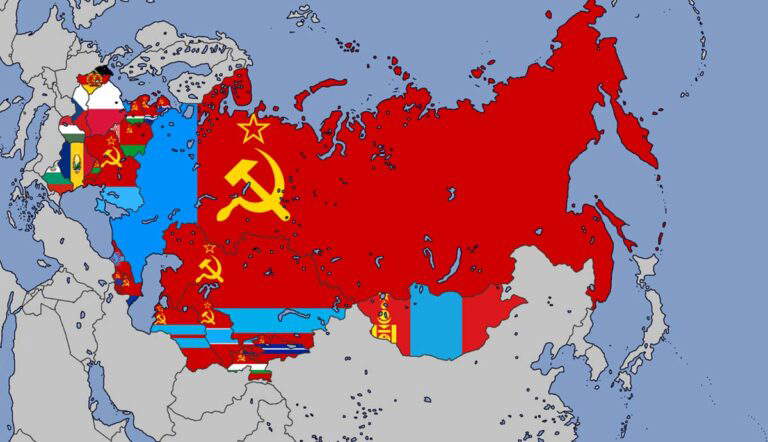
The Soviet Union controlled everything within its satellite states, including the agricultural sector, the secret police, the media, and education.
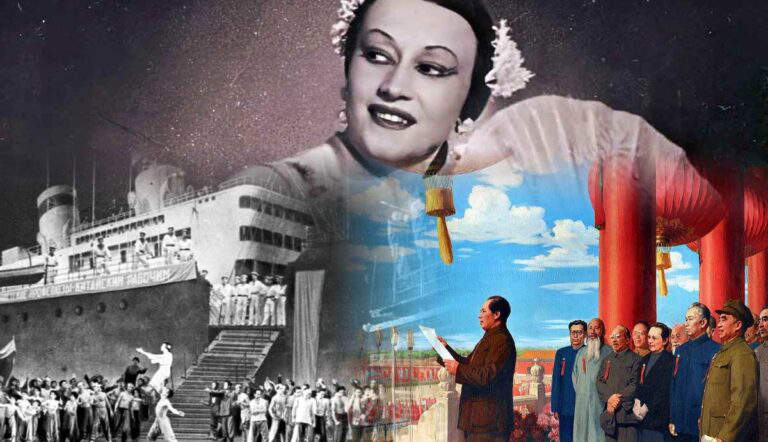
The Red Poppy was a Soviet ballet intending to showcase China's struggle against British imperialism. Instead, it caused a diplomatic rift in Sino-Soviet relations.
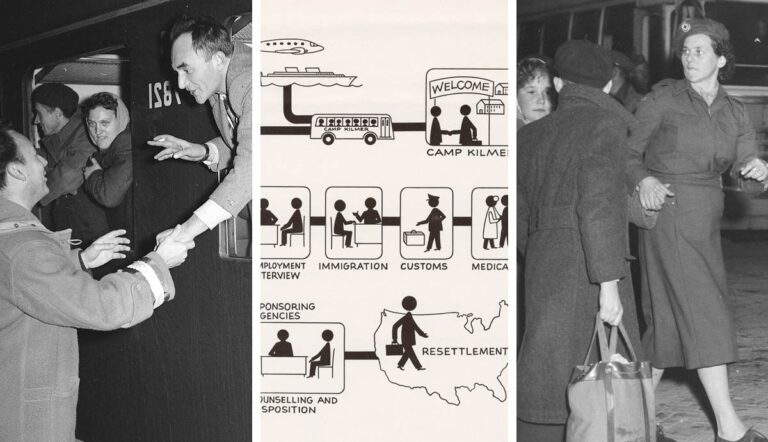
Almost 194,000 people fled Hungary after the Hungarian Uprising of 1956. Countries all over the world stepped in to help solve the Hungarian refugee crisis.
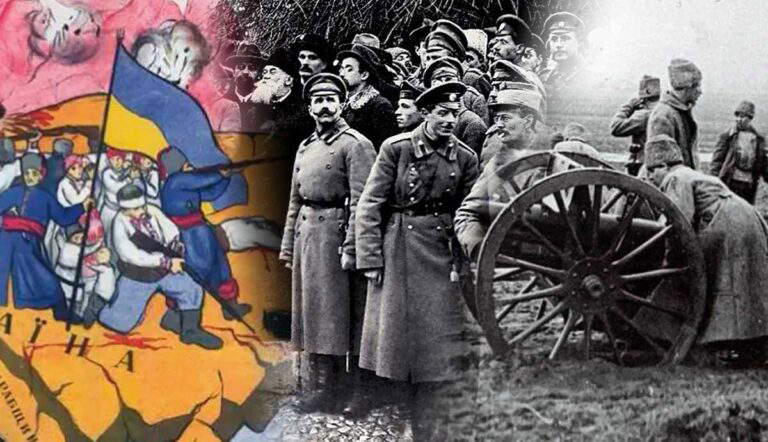
During 1917-1920, the Ukrainian People’s Republic laid the foundation for Ukrainian modern history as an independent state.
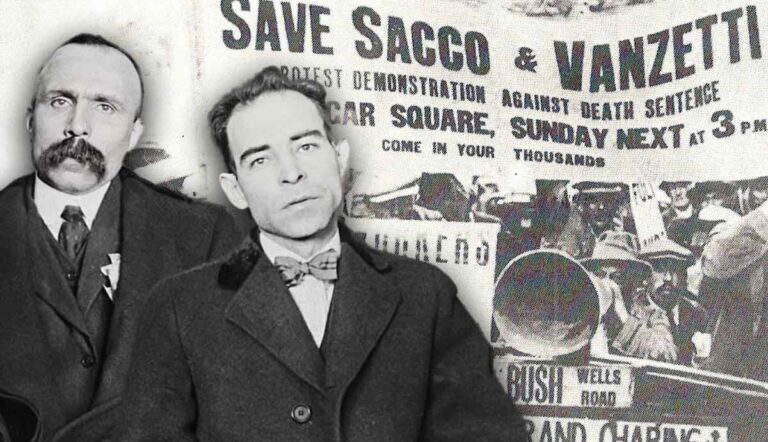
The Sacco & Vanzetti case (1920-1927), the world-famous trial of two Italian-born anarchists, divided America and exposed injustice in the country’s justice system.
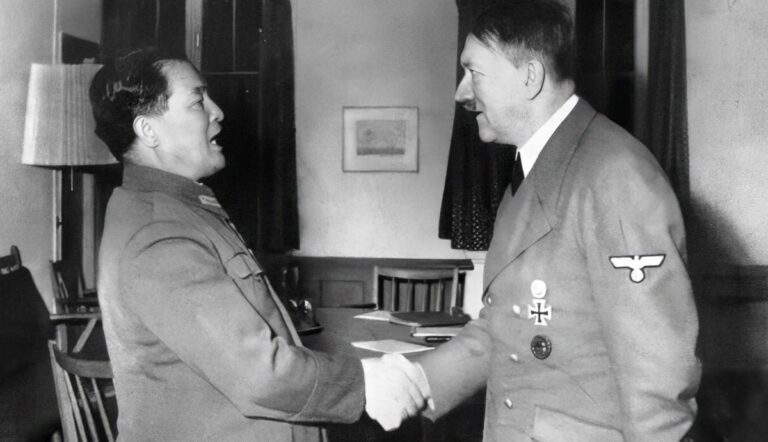
China welcomed German political and military advisers in 1927-1938 in an attempt to modernize the country during the Chinese Civil War.
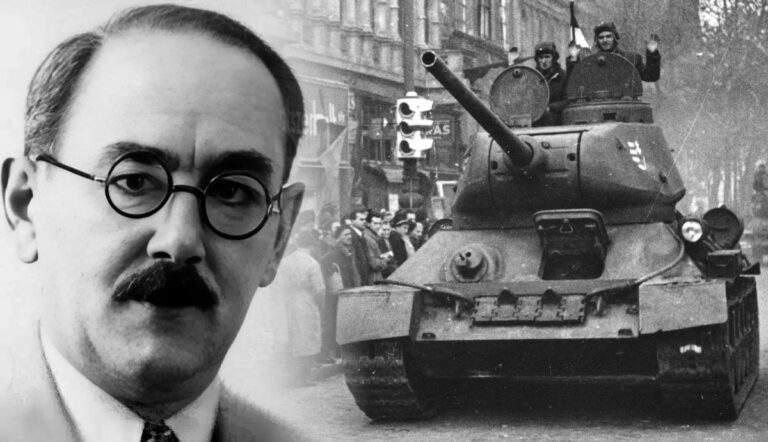
In 1956, Hungarian statesman Imre Nagy became the leader of the Hungarian Revolution. However, his role in the uprising cost him his life.
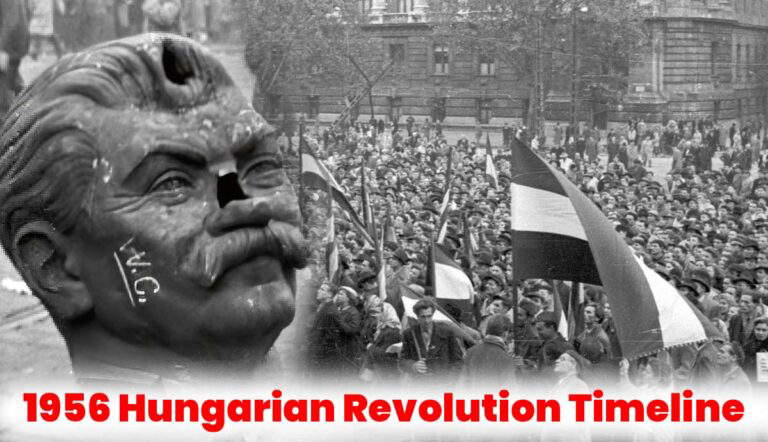
Here is the timeline of the twelve days of the 1956 Hungarian Revolution.