HomePhilosophy
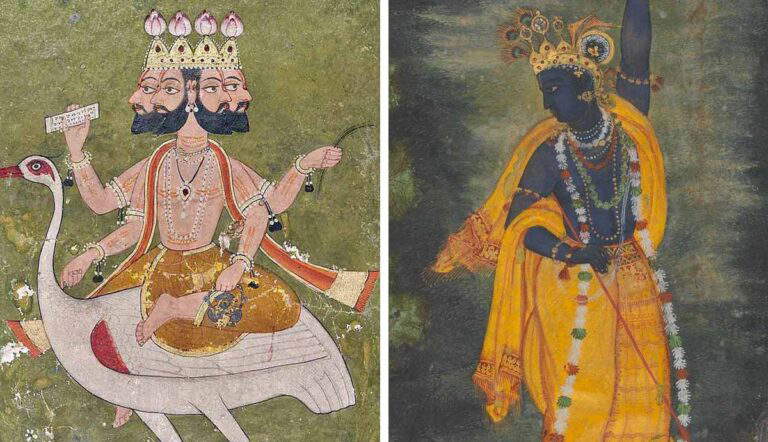
In the constellation of Indian philosophy, Mīmāṃsā is the quiet star that holds the sky together. Focused on the meaning of Hindu rituals, it brought the authority of testimony to the forefront.
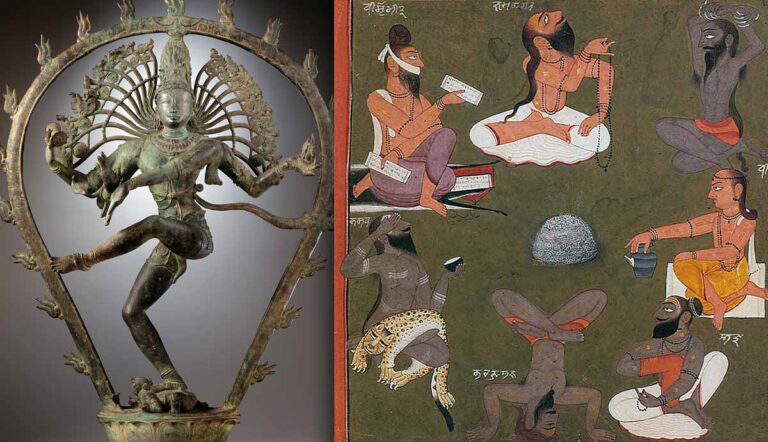
Vedānta transformed the ancient Vedas into a rigorous metaphysical project. Its central debate is centered on non-dualism and theism.
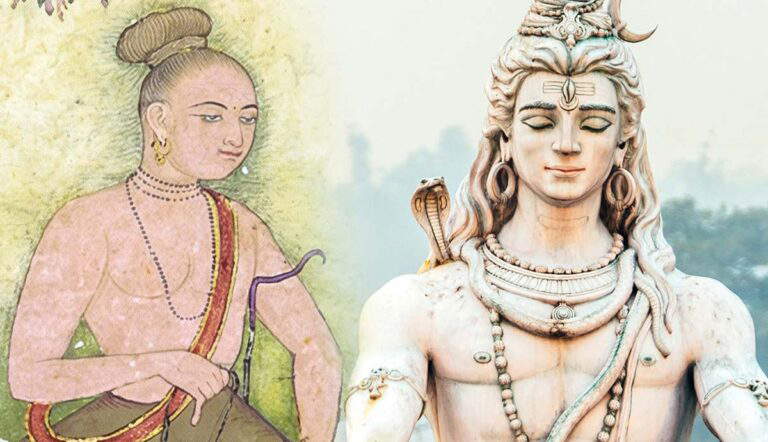
Yoga was not primarily about flexibility or relaxation. It was a systematic school of thought, codified by the sage Patañjali, that sought liberation from suffering.
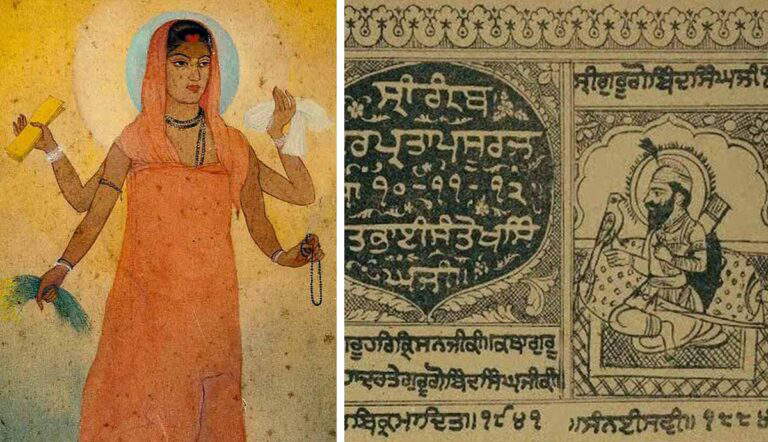
Step aside, Democritus and particle physicists. Vaiśeṣika, a Classical Indian philosophical system, explained the world in terms of atoms more than two millennia ago.

Exploring the intersection of bureaucracy and morality, this analysis deconstructs Hannah Arendt’s most notable work, Eichmann in Jerusalem.

Flusser’s philosophy of photography offers an account of image-production technologies and their increasing presence in our lives.
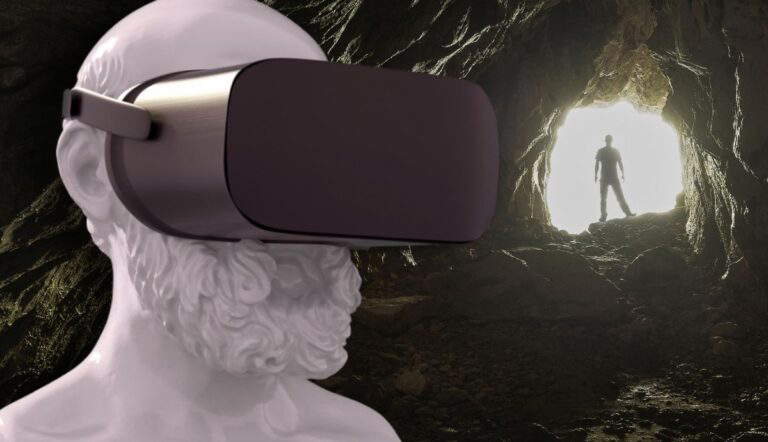
What happens when Plato’s cave meets the metaverse? Do we become trapped by shadows, shaped by avatars and algorithms?

Gilles Deleuze, along with Felix Guattari, offer a way of understanding desire in an era in which technology is ever-present in our lives and shapes our relations with others.