
History is replete with brutal dictators, emperors, warlords, kings, and khans who have caused untold misery and loss of life through their conquests. The actions of a single human can cause the death of millions, leaving a legacy of infamy that echoes through the ages and leaves an indelible mark on human society.
Meanwhile, there are those whose actions have saved millions of lives, and their memory is rarely preserved with such fervor in the collective and individual minds.
The children and grandchildren of those who were saved barely recognize the names of those whose efforts contributed to their existence. Yet these heroes existed, and through their work, countless millions are alive today.
Here are 7 people who saved the most lives throughout human history.
1. Norman Borlaug: Fighting World Hunger
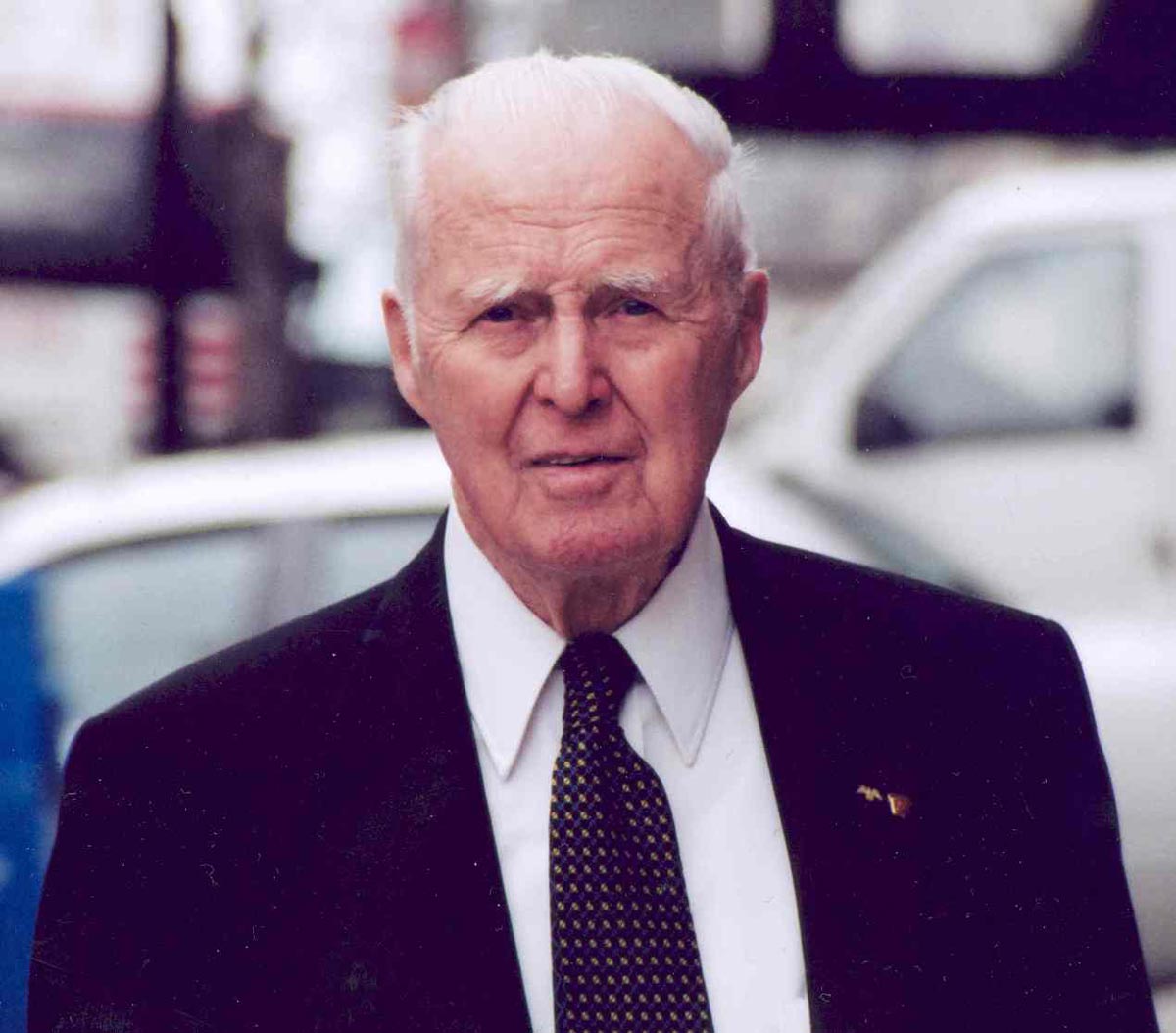
Awarded the Nobel Prize for a lifetime of work, Norman Borlaug was an American agronomist who led the Green Revolution, changing the way the world farms, and leading to massive increases in crop yields. His efforts were central to the huge reduction in global hunger.
Born on March 25, 1914, Borlaug studied biology and forestry at the University of Minnesota, earning a Ph.D. in 1942. After a brief stint at DuPont, Borlaug joined the Rockefeller Foundation to work on wheat improvement in Mexico. By experimenting with novel varieties, Borlaug led scientific efforts to develop strains that were more hardy and had higher yields.
He then began work in India and Pakistan, where rapid population growth had led to critical food shortages. Because of his efforts, better wheat and rice varieties were introduced to developing countries, greatly reducing hunger around the world. Borlaug was in high demand as a consultant, serving on panels and committees dealing with agriculture, resource management, and population growth. His work culminated in the establishment of the Norman Borlaug Institute for International Agriculture in 2006.
He died on September 12, 2009, and his legacy is one of unambiguous benefit to mankind. It is difficult to say exactly how many people were saved as a result of his work, but it is likely more than a billion.
2. Edward Jenner: A Vaccine for Smallpox
Arguably the biggest killer of the 18th century, smallpox was an extremely infectious disease with a high mortality rate, especially among children. Victims suffered from fever and vomiting while their skin was covered in painful blisters. Survivors were left scarred and often blind by the disease’s horrific rampage. Today, it is eradicated, with the last case ever being reported in 1977. This wouldn’t have been possible without a vaccination.
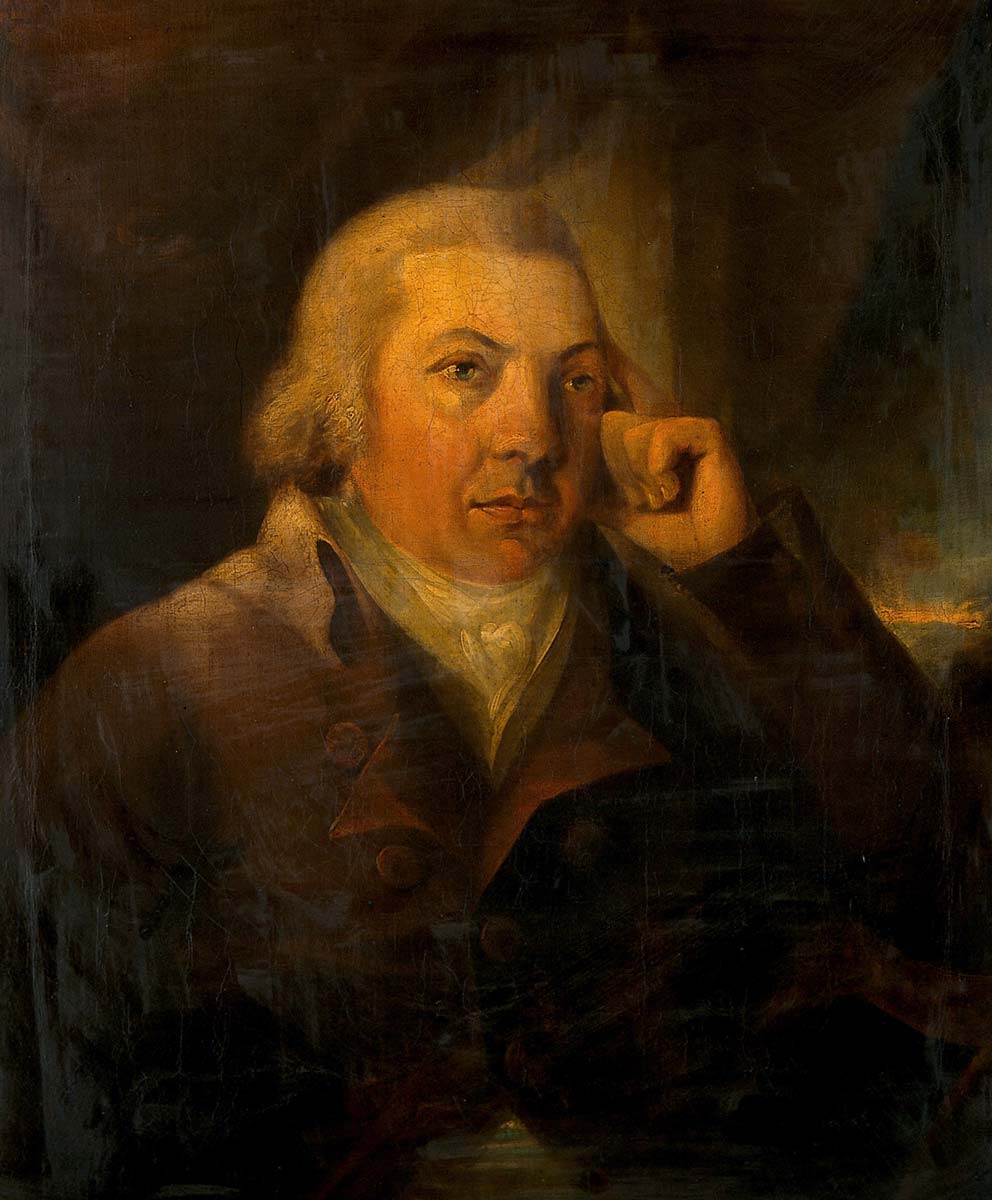
The foundation for the vaccine came from folklore in Britain that claimed milkmaids who got cowpox never contracted smallpox. In 1796, Edward Jenner tested this theory by injecting pus from a cowpox pustule into the arm of eight-year-old James Phipps (with his father’s permission). Jenner was able to prove Phipps’ immunity to smallpox as a result. The medical community, however, demanded more proof, and Jenner “vaccinated” several more children, including his 11-month-old son.
These experiments turned Jenner’s theories into facts. His work resulted in mass vaccinations, and hundreds of millions of people were saved from the horrendous disease. Although the vaccine remains available, it is no longer necessary. Jenner initiated a process that led to the complete elimination of one of humanity’s most deadly diseases.
3. Maurice Hilleman: Over 40 Vaccines
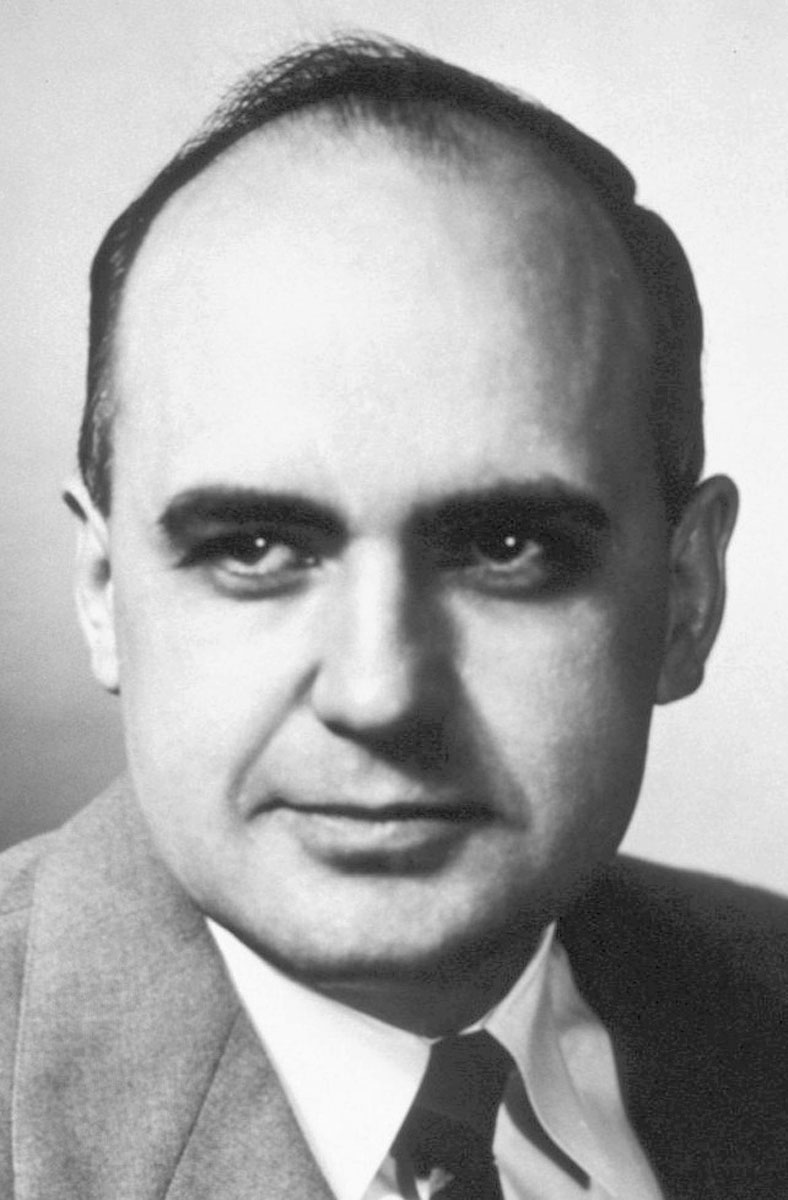
Hugely underrecognized in public memory, Maurice Hilleman can be said to have saved hundreds of millions of lives through his work in creating multiple vaccinations for many of humanity’s most pernicious ailments.
Born in 1919, Hilleman grew up on a farm in Montana during the world’s deadliest flu pandemic. After earning his doctorate at the University of Chicago, Hilleman went to work for pharmaceutical company E.R. Squibb, where he began developing and producing vaccines. When a flu epidemic broke out in Asia in 1957, Hilleman predicted it would come to America. His warnings were dismissed, but he bypassed regulatory agencies and went straight to manufacturers, who heeded his warnings and began producing vaccines. The epidemic did hit America, exactly as Hilleman predicted. It claimed the lives of around 70,000 people—far fewer than the estimated one million who would have died had Hilleman not taken action.
After that, he worked on mumps, measles, rubella, and a host of other vaccines, modernizing medical science and giving humanity a massive defense against most of the world’s common diseases. Today, eight of the 14 most commonly recommended pediatric vaccines were developed by Hilleman.
Much of Hilleman’s success was due to his unrelenting work ethic. He was no joy to work with. He worked a seven-day week, and those who couldn’t keep up with his rigorous demands were unceremoniously fired. Nevertheless, he was a hero credited with saving many millions of lives.
4. Louis Pasteur: Germ Theory, Pasteurization, and a Vaccine for Rabies
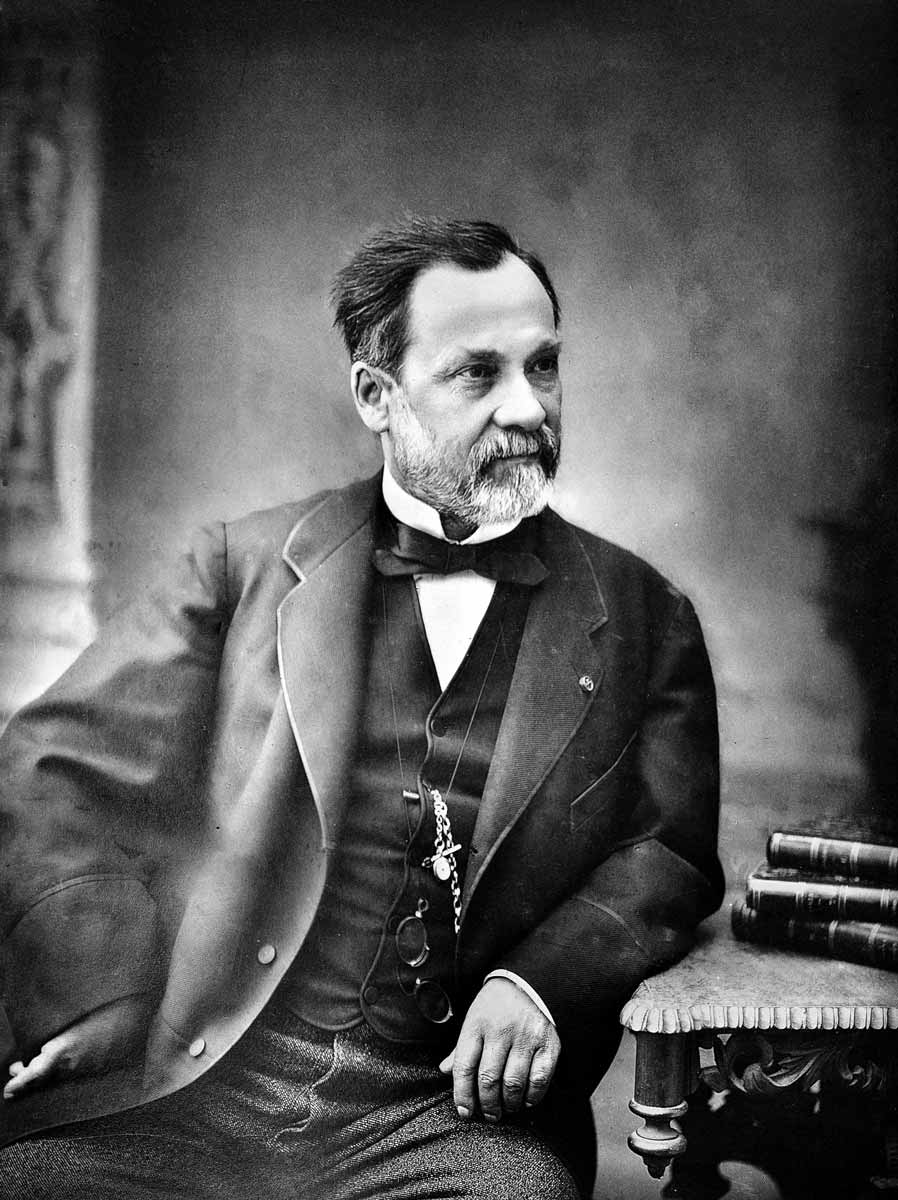
Known mainly for the process that bears his name, pasteurization, Louis Pasteur was, in fact, responsible for many other life-saving endeavors. In the middle of the 19th century, Pasteur conducted a wide range of experiments and studied fermentation processes, which helped him refine his understanding of germ theory. This represented a massive leap for medical science and formed the basis for Pasteur’s further experiments. He disproved the idea of spontaneous generation, which held that fleas arose from dust and maggots from rotting meat.
His work on germ theory led to cleanliness and sterilization being considered important parts of medical practice. Through his studies, Pasteur made significant advances in understanding how diseases spread, and some of his methods for reducing their transmission are still used today.
No less important was his work in combating individual diseases through vaccinations. He created vaccines for chicken cholera, anthrax, and arguably his most important of all, rabies. With the help of these vaccines and his other work, Pasteur championed the dynamic of preventative medicine, which has become standard practice around the world today.
It is extremely difficult to estimate how many lives have been saved through Pasteur’s initiatives, but over 100 million people is easily conceivable.
5. Florence Nightingale: The Lady With the Lamp
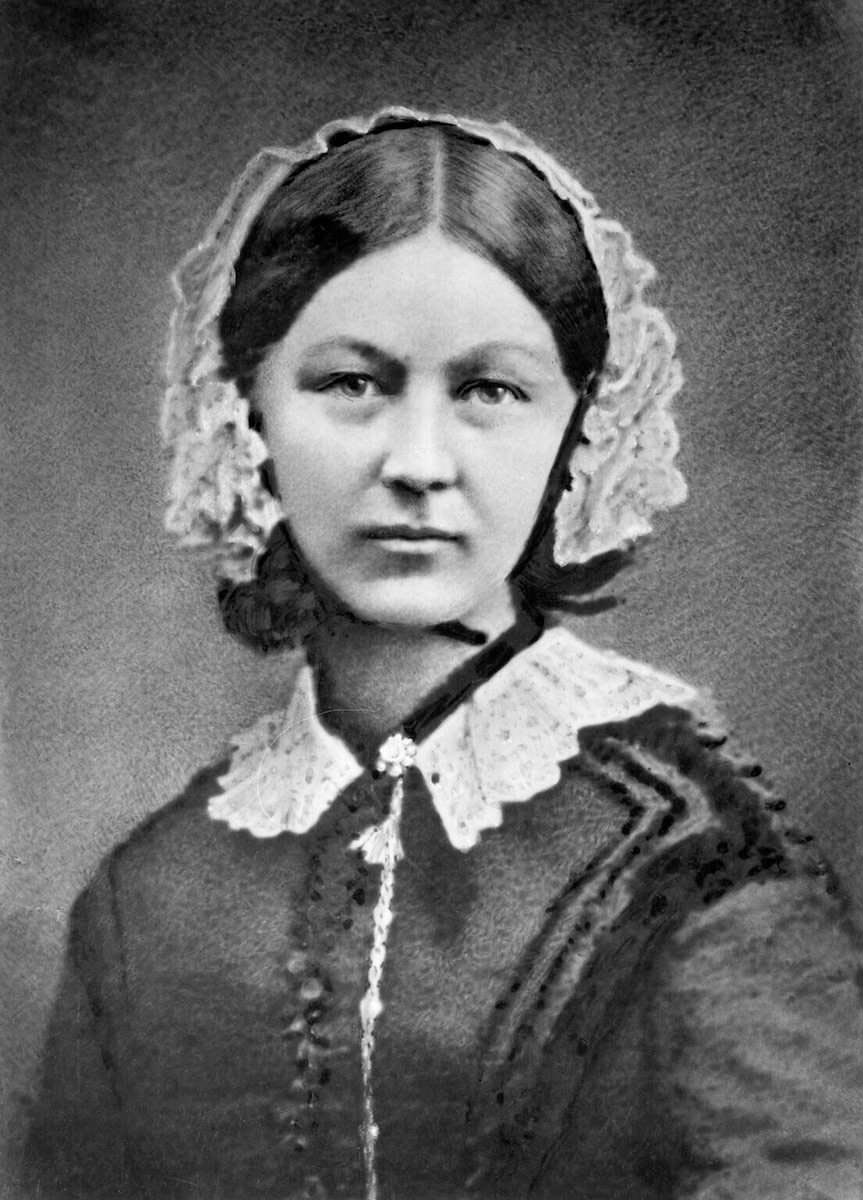
Known mainly for her nursing work during the Crimean War, Florence Nightingale rose to prominence in Victorian society. Holding a lamp and lighting the darkness, she was a vision of comfort for injured and dying soldiers. Her work towards improving standards for those suffering cannot be pinpointed to a single, overriding aspect, but it is widely accepted that through her methods and her legacy, many millions of people were saved, while the standards she set continue to save millions more.
In 1860, Nightingale opened the second secular nursing school in the world, following on from La Source, opened by Countess Valérie de Gasparin in Switzerland. Nightingale set the precedent for the professionalism of the industry. While her hands-on methods of sanitation were revolutionary, what made her work so widely accepted was the way she presented it.
She had the mind of a scientist and used statistics to back up her claims. She was also a prolific writer and aimed her literature not only at academics but also at the undereducated and barely literate. By writing in simple English, she made her ideas accessible to the actual nurses and medical staff, as well as a huge cross-section of society who could implement any aspect of nursing. Simply observing correct sanitation was a considerable advancement in medical care, whether it was in a hospital or in the home.
6. Jonas Salk
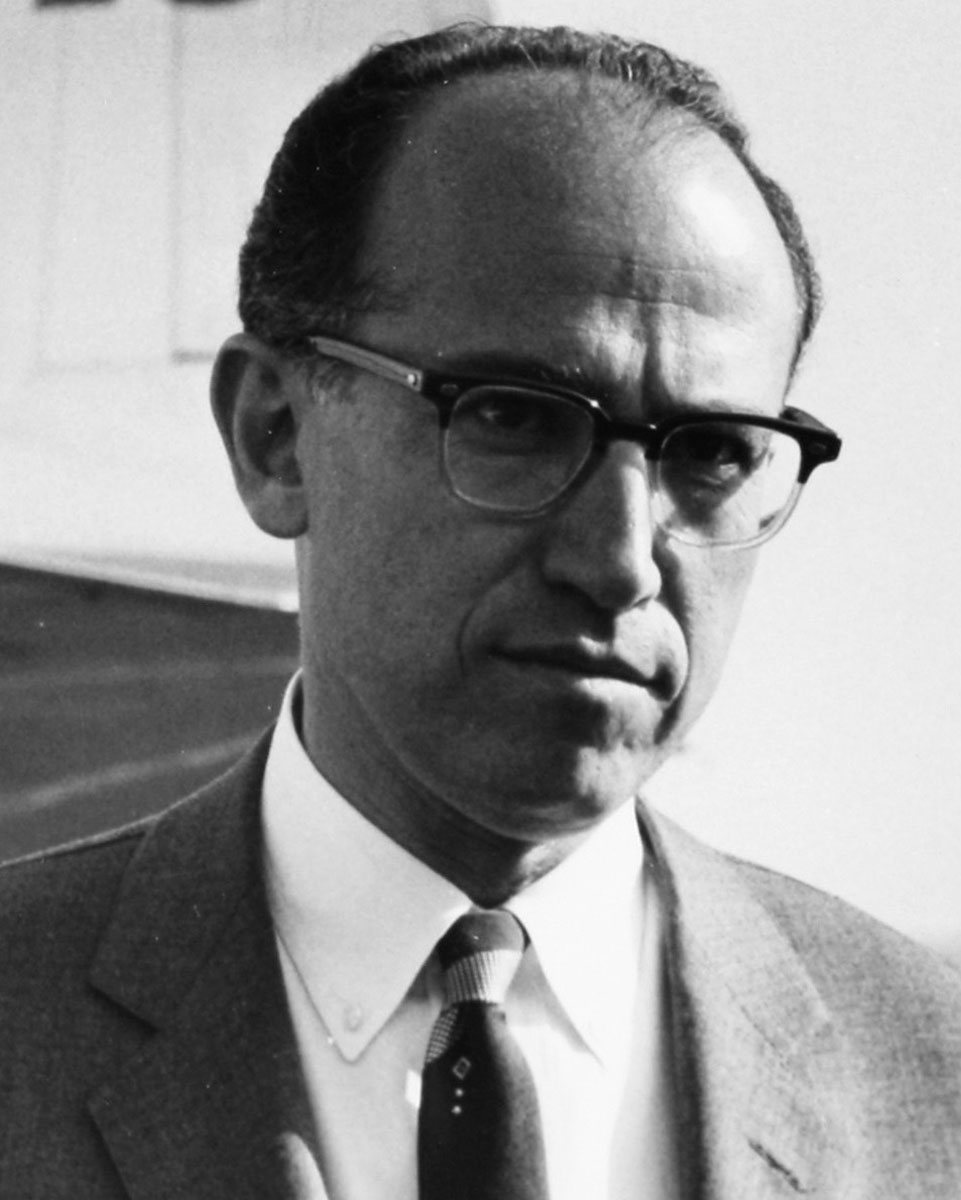
For thousands of years, polio was a major concern for societies across the world. Endemic to human beings, this disease mainly targets children and can cause death, with survivors often left disfigured and paralyzed. To this day, there is no specific treatment, and the disease cannot be cured. It can, however, be prevented. And that is where Jonas Salk focused his efforts.
Born on October 28, 1914, in New York City, Jonas Salk was the eldest of three sons born to Daniel and Dora Salk. He earned his medical degree in 1939 from the New York University School of Medicine before starting a research fellowship at the University of Michigan, where he worked on an influenza vaccine. In 1947, he became the director of the Virus Research Laboratory at the University of Pittsburgh School of Medicine and began working on a vaccine for paralytic poliomyelitis, better known as polio.
In the mid-1950s, the vaccine was rolled out, and polio rates began dropping immediately. Salk never patented his discovery, nor did he earn any money from it. He wanted it to be distributed as widely as possible across the world without any fear of legal infringements.
7. Albert Sabin
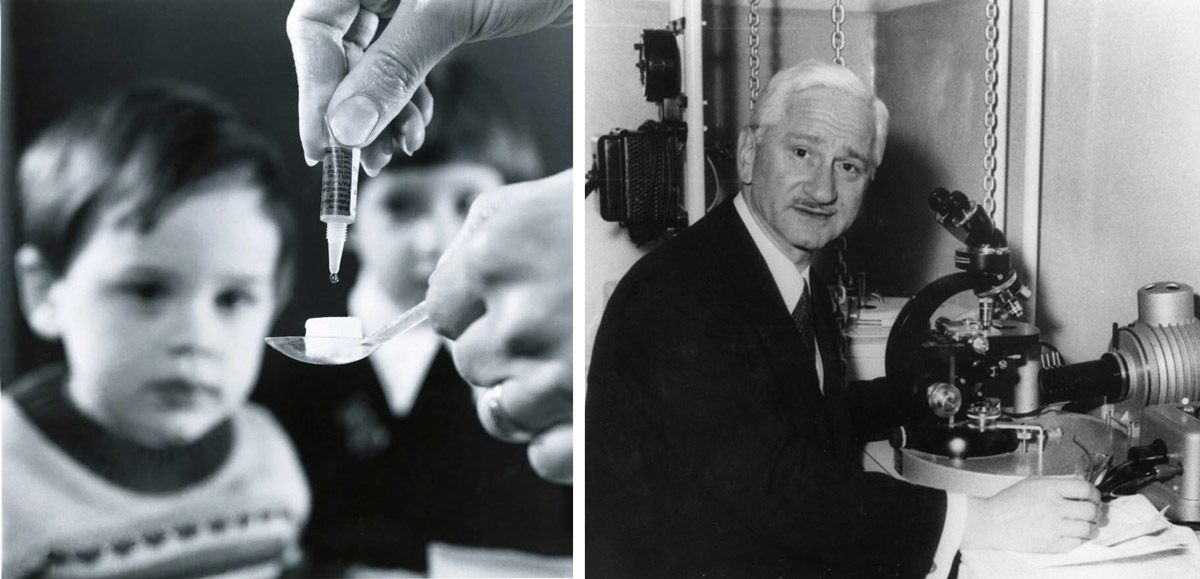
Following Salk’s work was Albert Sabin, who improved the delivery methods for the polio vaccine. Sabin was born in 1906 in Białystok, then part of the Russian Empire, and in 1921 his family emigrated to the United States. He earned his medical degree from New York University in 1931 and worked in the field of infectious diseases. During World War II, he helped develop a vaccine for Japanese encephalitis. In the 1950s, despite the tensions of the Cold War, Sabin worked with Soviet colleagues to perfect an oral version of the vaccine, which proved effective at blocking the virus in the intestines before it could enter the bloodstream.
Rollout of Sabin’s vaccine was slow as the US health system supported Salk’s version. The USSR, however, was not so reticent and administered over a hundred million doses, even supplying other countries, such as Japan, which had been hit hard by polio. Eventually, the results spoke for themselves, and the vaccine was adopted and became the predominant version in the United States as well.
Such was the effectiveness of the vaccine that from 1988 to 2022, the number of confirmed polio cases dropped from 350,000 to just 30. While other doctors and scientists also deserve credit for eradicating polio, it cannot be denied that Jonas Salk and Albert Sabin were the central figures in conquering this horrendous disease. Many tens of millions of lives were saved as a result of them.
Many Other Names
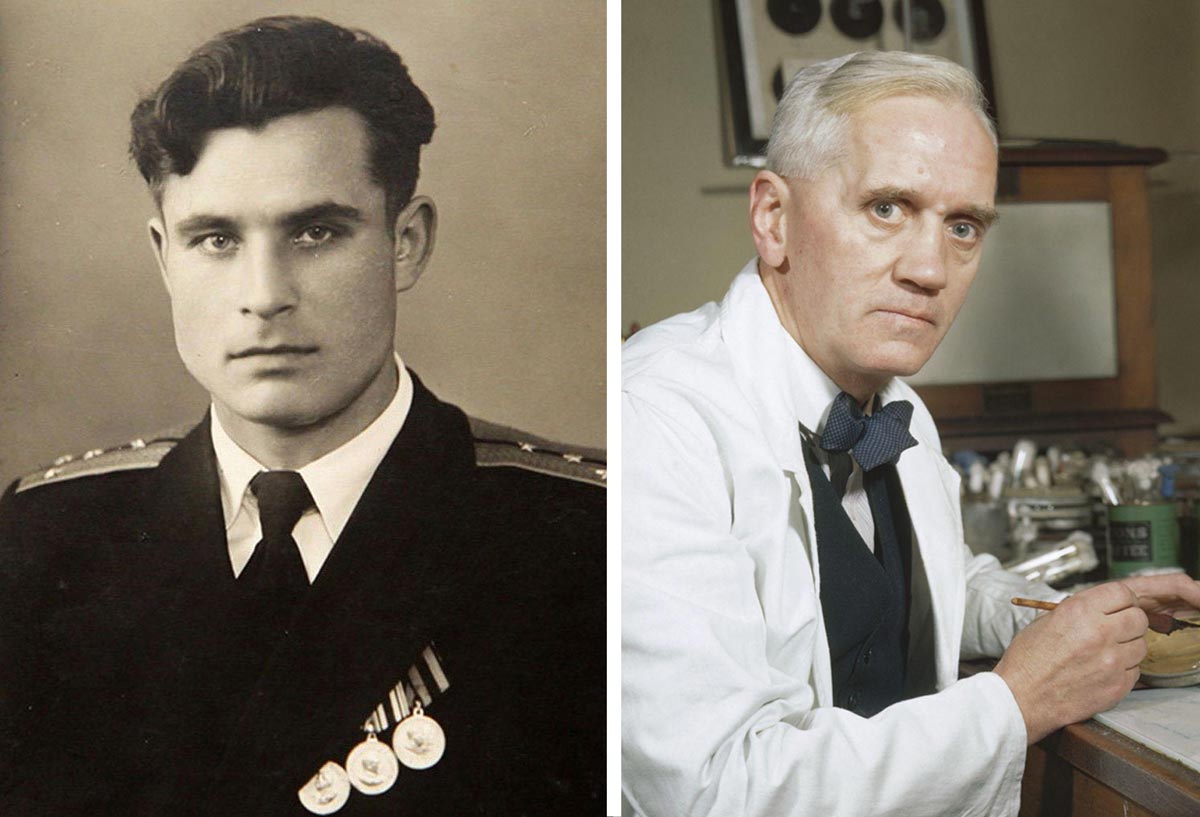
Ultimately, defining metrics for the number of people saved is difficult. There are no set standards for calculating such things, and as a result, people who deserve consideration can easily be overlooked.
While certain politicians deserve credit for guiding the world toward a less deadly place, there are also ordinary people who saved lives through simple actions rather than through concerted, lifelong efforts. Vasily Arkhipov saved the world in 1962, during the Cuban Missile Crisis, when, as an executive officer on board a nuclear submarine, he vetoed the launch of nuclear weapons. The same could be said for Stanislav Petrov, another Soviet officer, who, in 1983, ignored protocol and disobeyed orders when he received reports of a nuclear attack. Instead of starting a chain of events that would have led to a nuclear war, he dismissed the reports as false alarms. Needless to say, a nuclear war could have cost hundreds of millions, even billions, of lives.
Other names deserving of recognition include Alexander Fleming, who accidentally discovered penicillin, and Henry Dunant, who established the Red Cross and won the first Nobel Peace Prize.
And of course, credit has to be given to the unnamed people from prehistory who invented soap!