






While artists have different ideas about what success looks like, most probably share a desire to sell their work and would like to make a livelihood from their art. Many also prioritize industry recognition and a positive critical reception of their work. Whatever success looks like to you as an artists, there are some tried and tested approaches to finding success. Read on for five tips for success and five things to avoid. What works for you depends on your art and your goals, but most artists will find some food for thought on the list.
1. Embrace Reproductions to Diversify Your Audience & Income Streams
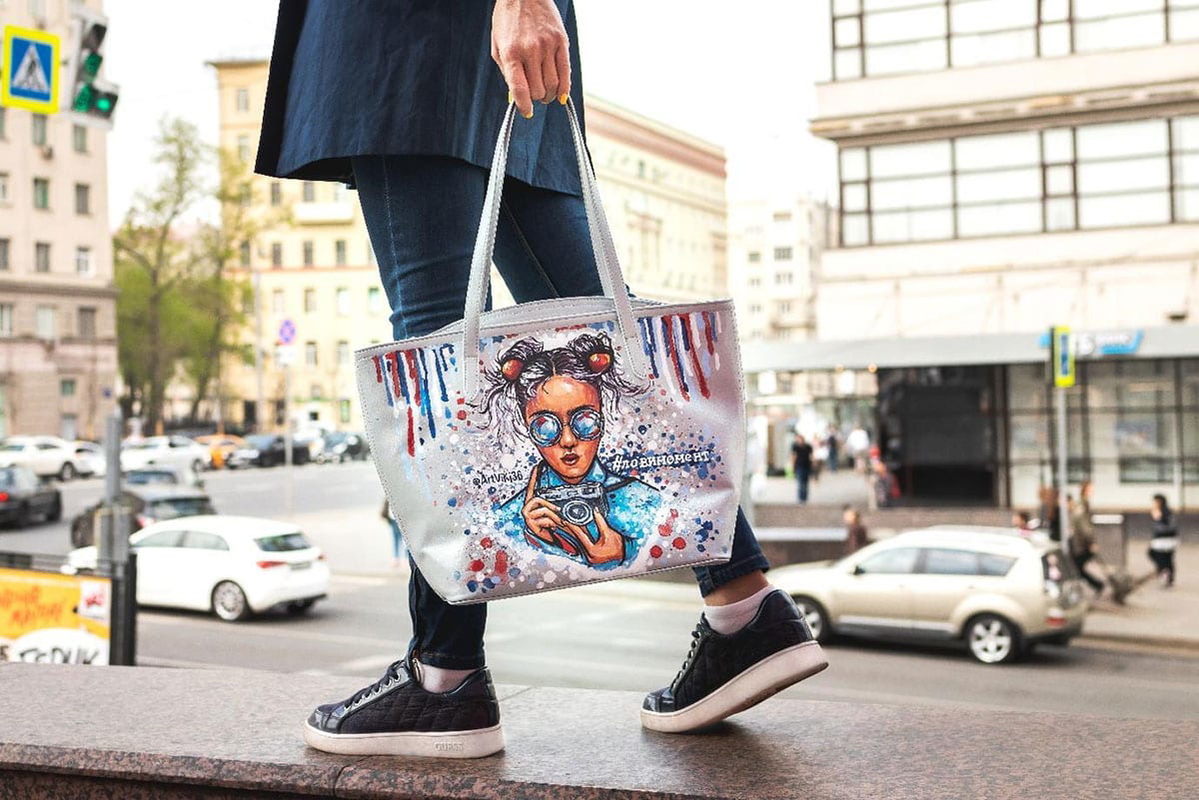
While some people appreciate the “exclusivity” in art, others want to see their art enjoyed by a wide audience. A wide audience also means more potential income streams.
Creating reproductions of your work can be fun, rewarding, and lucrative. Creating prints of your originals can increase your earning potential without more studio hours. Prints can be priced much lower than your originals, making them available to people who might not be able to afford original artwork.
This is a low-impact, well-paid work that you can repeat with all your best pieces. After selling prints of artwork, you can sell the original for more because you will have increased its value.

Firstly, you must have your artwork professionally photographed. Ask for digital copies for the web, for printing, and a hard-copy print for your portfolio. Ensure your photographer has experience with photographing artwork. Some excel at this, while others don’t.
Contact printers for prices, including delivery. It is best to shop around as their prices will vary. Order one print of the same artwork from each printer to compare their service and product. Do everything you can to ensure the quality of your reproductions.
Print on Demand
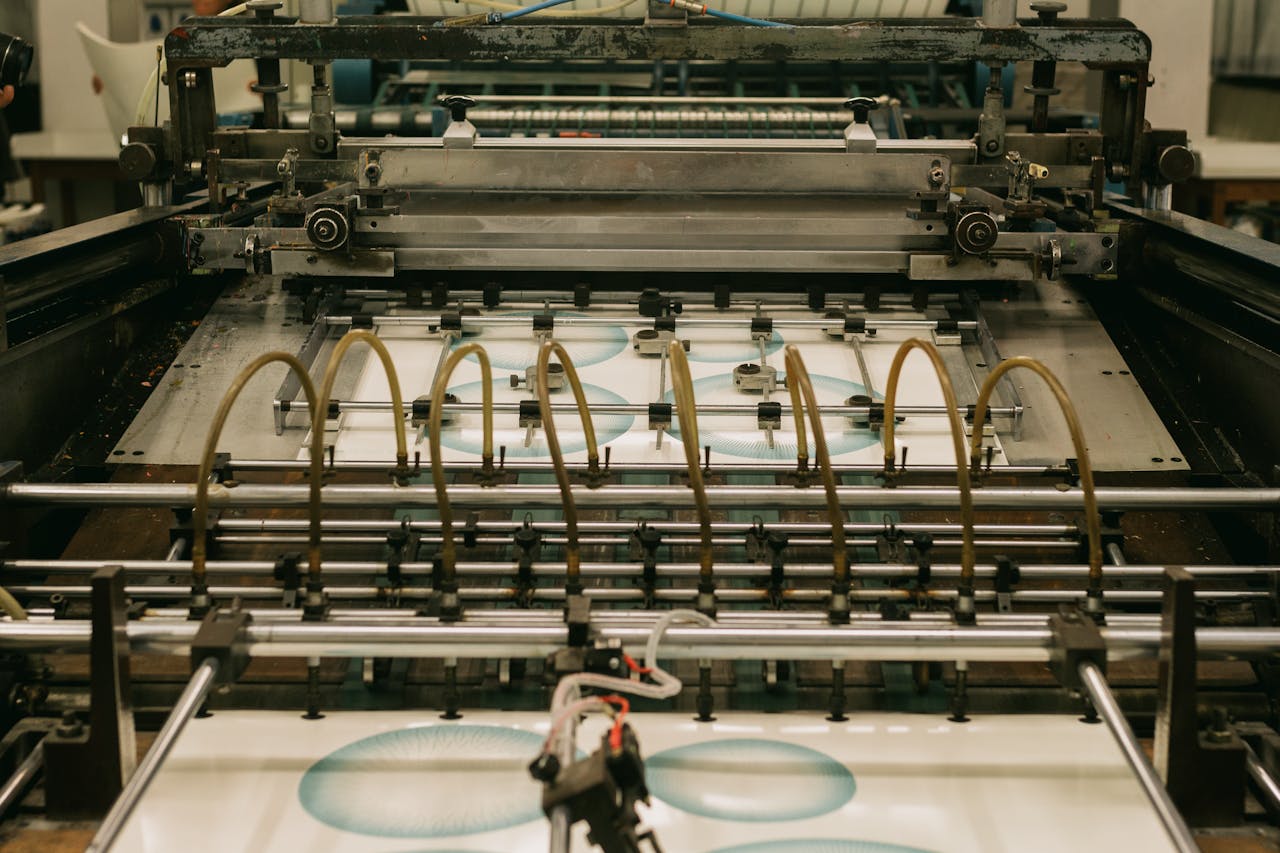
Print on Demand (POD) simply means that when a customer orders a print from your website, the order goes straight to your printer via an app integrated into your site. The printer then prints the work and sends it straight to your customer. You pay the printer for the job and applicable shipping fees; the difference is now your profit.
Many artists choose a POD service to place their art onto merchandise like canvases, posters, fabric, clothing, and a myriad of homewares and sell them on platforms like Shopify and Etsy. This way, you can sell your prints without holding inventory and avoid large upfront costs.
Printmaking
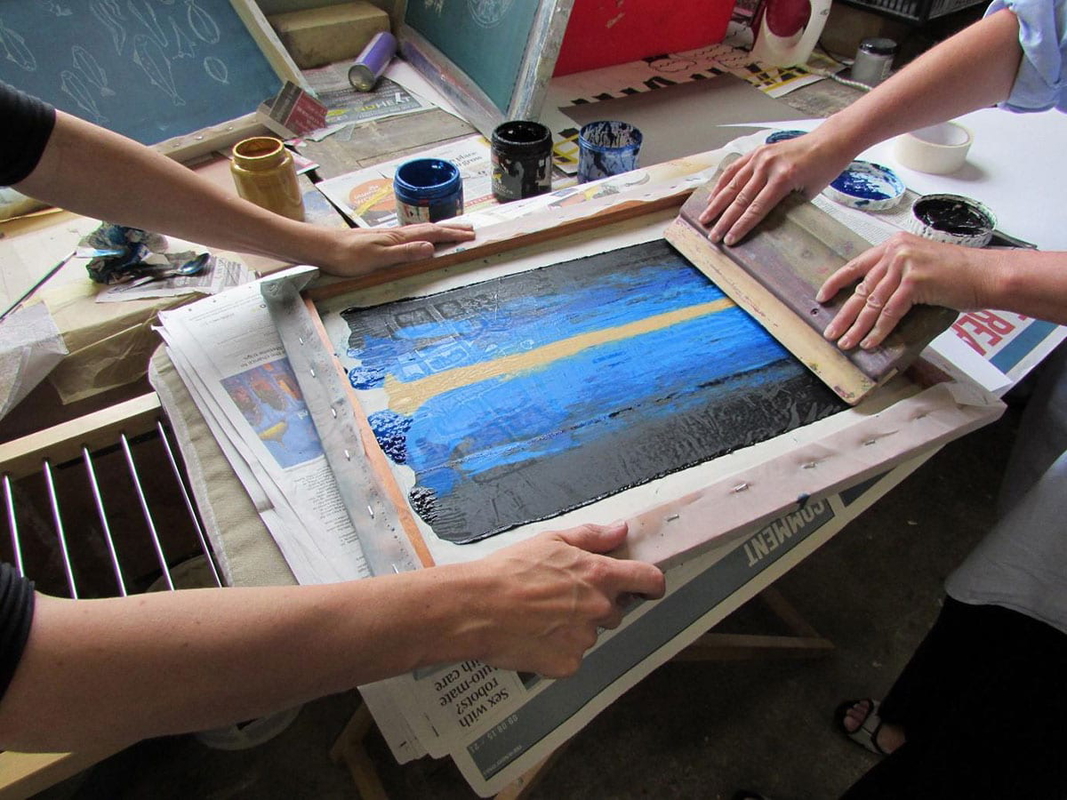
Printmaking is an exciting field in which you can make multiples of your work and sell as many as you wish to produce. They are significantly faster to produce than making more originals. However, printmaking requires some expertise and expensive equipment. Therefore, it is best to find a course near you to learn the art of printmaking. If there is a community art center near you, you may be able to access courses, a printing press, and printmaking groups.
There are several forms of printmaking. Regardless of which one you choose, you will end up with any number of reproductions that you can sell. Most of these processes allow you to do reruns if you sell out unless you decide to create a limited-edition print run. In this case, decide on the number in the print run, and then stick to it!
Art Licensing
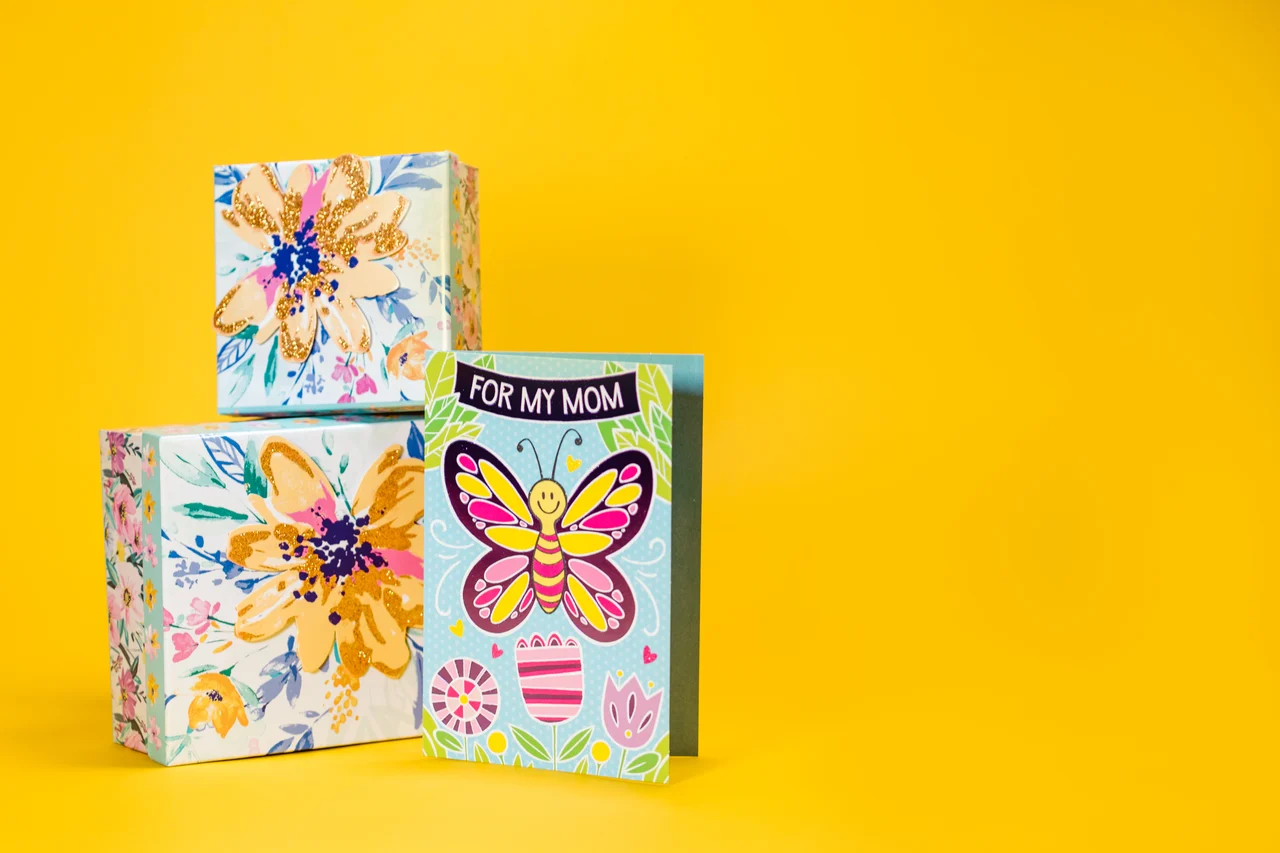
Art Licensing is about selling rights for your artwork to companies or people who want to use it commercially. When starting out, it may be best to use an agent to help you find clients. They will often become repeat buyers. The agent will also deal with legalities like the protection of your copyright, contracts, and ensuring the quality of reproductions.
If you want to license your work yourself, you might want to do a course on how to license your art. There are many traps you can fall into, so be aware and informed of what can go wrong before you begin.
2. Use Marketing to Increase Awareness of Your Art
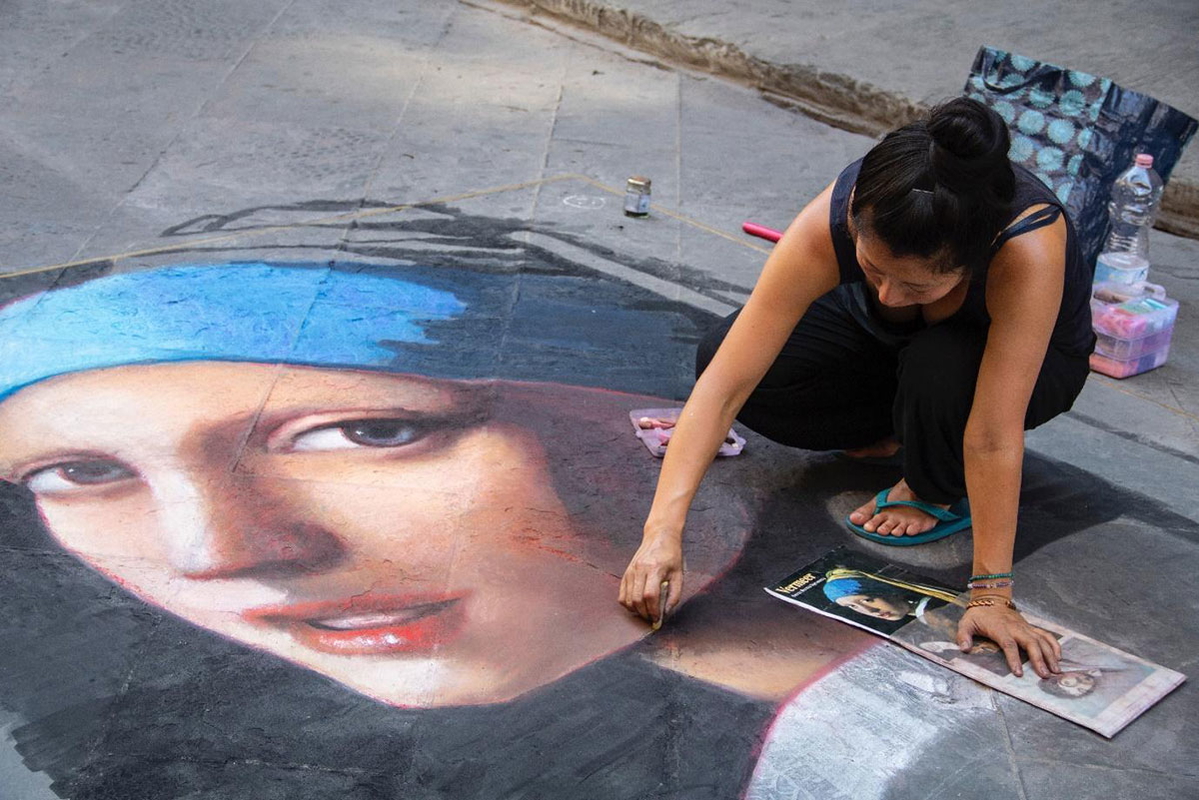
In this digital age, remaining visible means displaying your artwork online and via social media. Many artists blog about their work and post videos of their creative process. By engaging with people, artists build a community of fans and interact with them regardless of where they are in the world.
When exhibiting your work, remember your public relations and press releases. Local newspapers and the “what’s on” type of local websites and blogs welcome stories. Write about your art and your story and send it off well before the opening.
Once you have a following, you can make public commentary and invite interviews. In the meanwhile, write your own monograph, make artist books, comics, illustrated children’s books, or write your memoir. These obviously take time, but it is rewarding and adds to your creative capital.
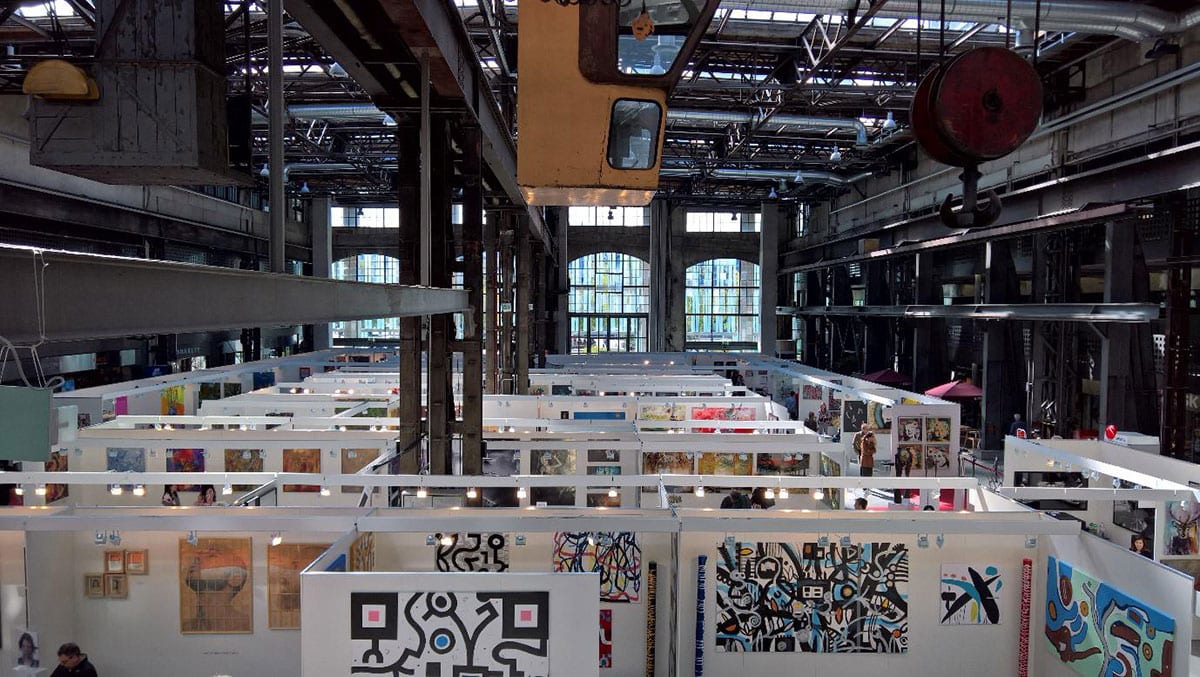
When you have a body of original work to sell, search for local, national, and international Art Fairs where you can display and sell your work. Some fairs sell stall space, and others allow you to exhibit one or more works. If you have a stall, you may also be able to sell your prints if you have them. Be sure to read all the literature they send you and stay within their guidelines.
If you struggle with marketing, due to time or lack of experience, think about getting some help. You can find experienced art marketeers that you can hire on an as-needed basis on freelancer websites.
3. Generate a Regular Income by Freelancing and Consulting
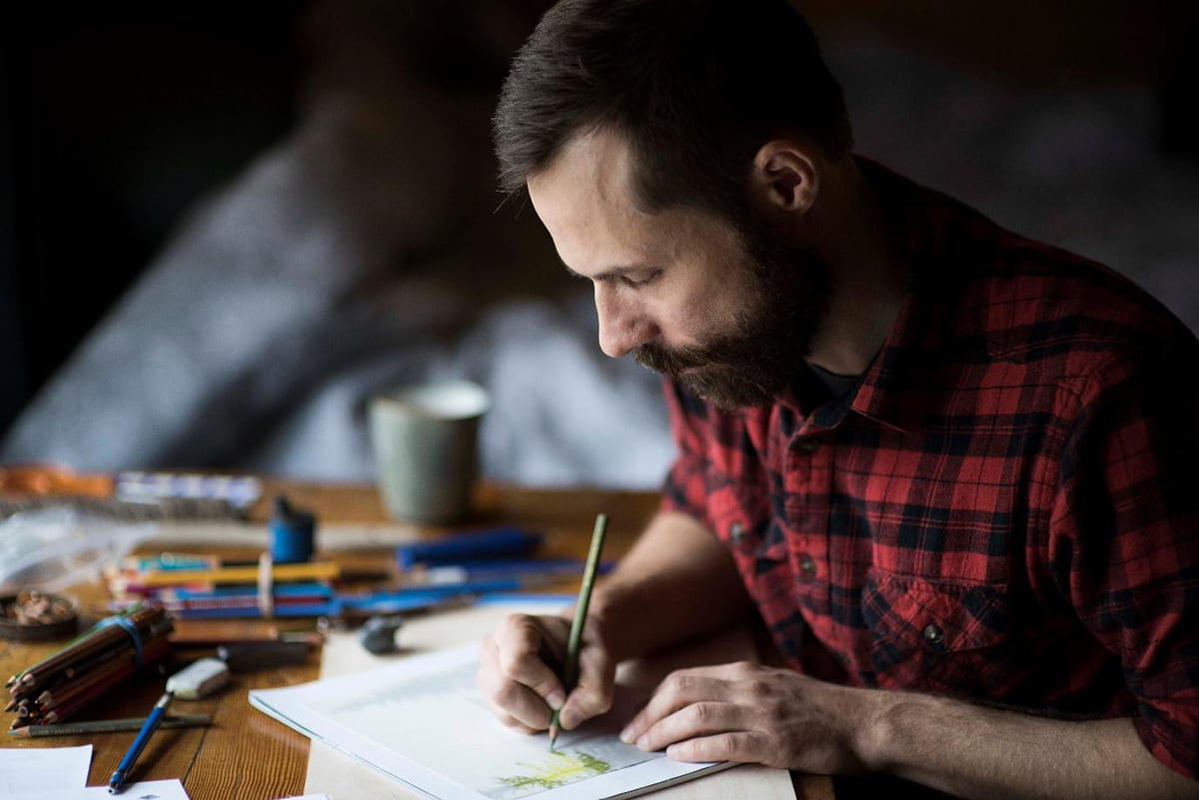
For writers, cartoonists, illustrators, and digital artists, there’s a significant amount of work on freelancing platforms, like Upwork. If you have a portfolio of work, you can upload your best pieces into your profile to connect with clients who need your kind of work. Be prepared to pitch yourself both for your talents and your ability to fulfil a brief. The aim is to nurture these relationships so you can get repeat customers and regular work.
Freelancing platforms take a percentage of your payments which reduces as you fulfill your jobs with good reviews. They have a robust mediation service and use a licensed Escrow service to ensure your clients pay you the contracted amount. The entire transaction with your client happens on the platform, which provides safeguards that are difficult to achieve if working on your own.
There are job banks like Americans for the Arts, where you can apply for a myriad of jobs in the arts. But remember that the competion on these platforms is fierce. You need patience and perseverence. While you don’t want to undervalue your work, be prepared to work your way up.
Alternatively, independent freelancing and consulting using your own website, blog, social media, and LinkedIn to find and win clients might appeal to you. While this might sound like freedom to you, there are risks involved with finding customers, getting paid, miscommunications, and contracts breached.
4. Emulate A Successful Artist You Admire
Instead of reinventing the wheel. Have a look at some successful artists’ websites that you wish to emulate. Read their biographies and ‘About Me’ pages for inspiration. Look at their social media accounts and do what they did. In other words, adopt their ‘success’ process.
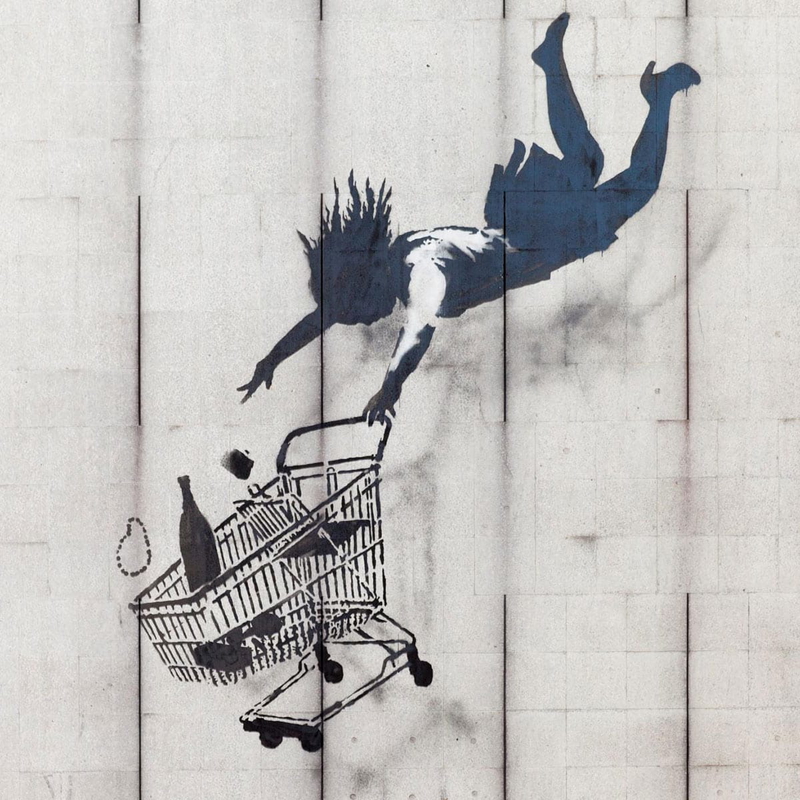
Banksy, for example, has achieved great success for his unique graffiti art and his famed anonymity. Social media has enabled him to achieve great heights of success and, ironically, to preserve his privacy and safety.
5. Explore Art Patronage
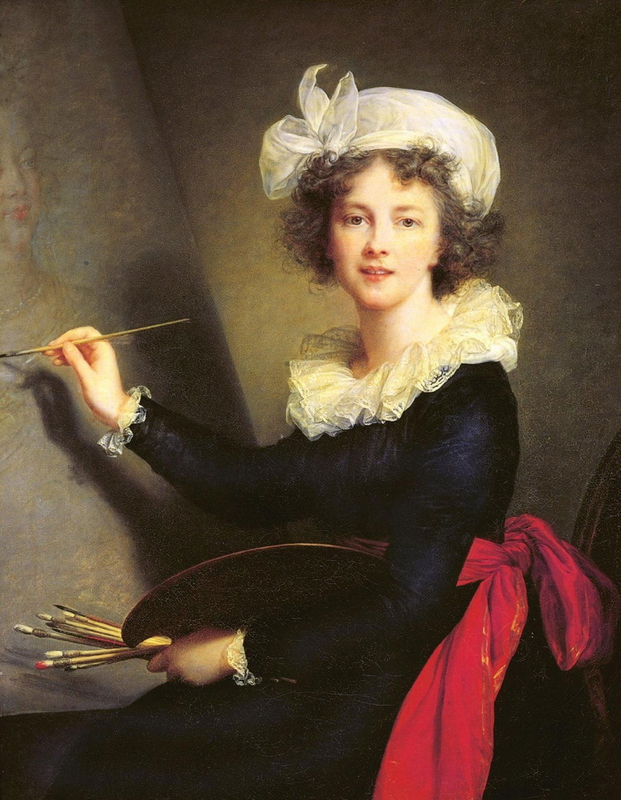
Arts patronage is a business ‘partnership’ similar to sponsorship, between an artist and a person or business (patron) who wishes to help that artist. Help can take the form of financial aid, support, and access to the patron’s network and privileges. The patron may wish to acquire some of that artist’s work in the process.
In early modern Europe, patronage originated in the church and was significant in the development of art. One of the most famous examples is the enormous body of work the church and the wealthy Medici family commissioned from Michelangelo during the High Renaissance in the late 15th and early 16th century in Italy. Without those patrons, it is unlikely Michelangelo would have created such enduring and historically significant masterpieces.
Patronage was essential to many artists’ livelihoods by providing them with financial rewards, materials, and a place to live and work. Depending on who the patron was, some artists and musicians were rewarded with lasting fame. One such example is Squarcialupi, often described as the most famous musician of 15th-century Italy. Even though none of his music has survived, he is still famous in the world of music, because he enjoyed the support of a Medici family patron.
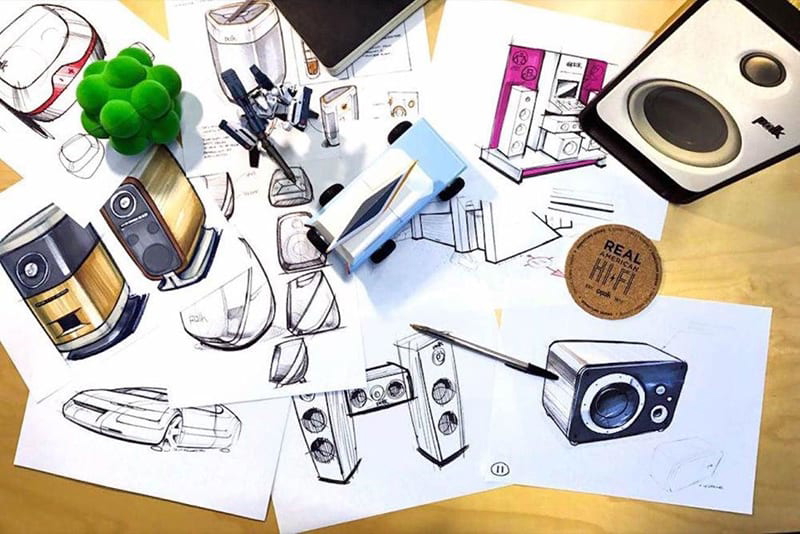
To find your own patron, you can canvas businesses and philanthropists. If you need studio or exhibition space and collectors of your work, a well-connected patron can expose you and your work to their networks.
An alternative is the online platform Patreon where you can build a community of fans acting as patrons by donating small amounts on a regular basis to fund your passion and work.
A rising number of businesses that are involved in creating a creative climate are choosing to invite art consultants to meetings and brainstorming sessions. Creatives are valued for their inspiration, creative powers, and thinking outside the box. The business makes gains in their creative capital, and the art consultant has valuable work which can set them up as experts in their field…it’s a win-win.
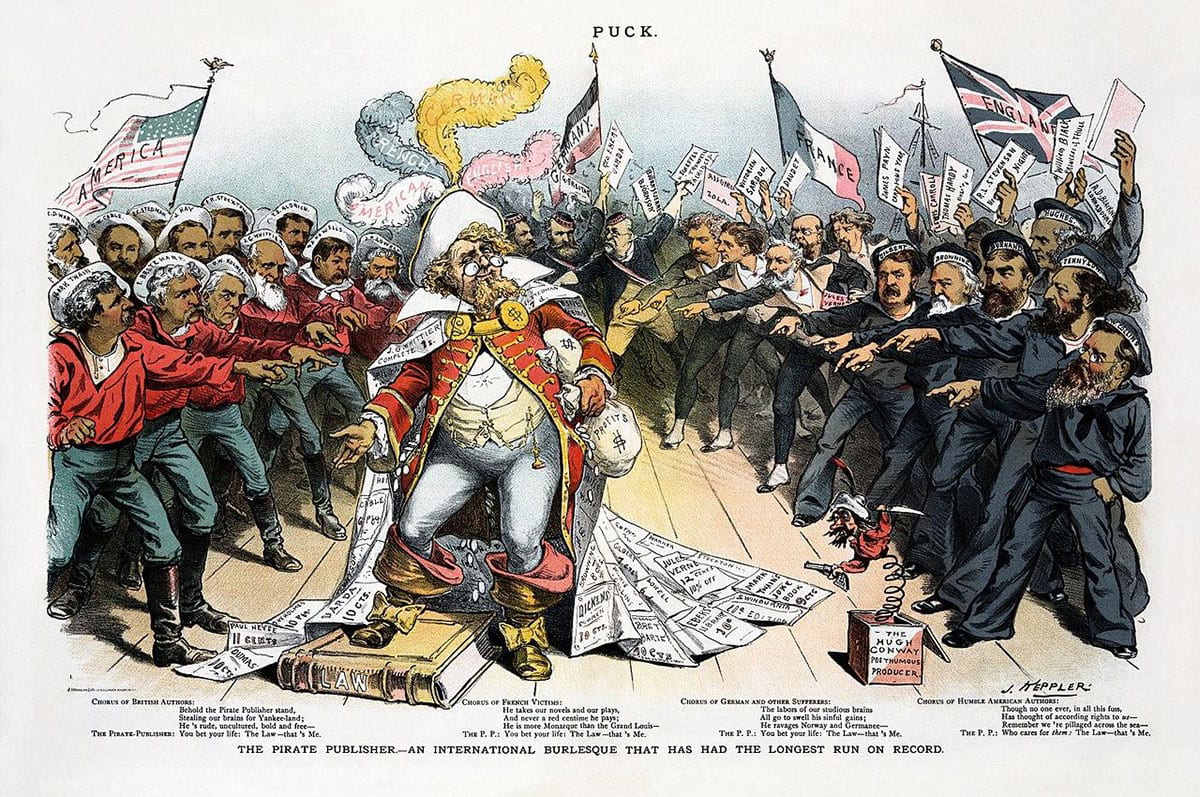
Galleries can sometimes act as a patron for artists through enhanced representation, sending their work to art shows, fairs, and competitions. However, not all galleries do this, and it’s an arrangement you must negotiate.
When you find a patron, remember that it may be a 2-way street. Ask if they want something in return and articulate what that ‘something’ will be. Formulate a contract where everything is stated, including your ownership of the copyright. You do not have to hand over your copyright, and it is best that you don’t unless you negotiate an appropriate price. Once you have sold the copyright to your work, you no longer own those images and have no usage rights unless otherwise stated in the contract.

It is best to register your copyright ownership immediately upon finishing each work. Always sign and date your work, use the © copyright symbol, and document each stage/draft of your work with photographs and safe storage of those drafts.
In most countries, and particularly in countries that have signed the Berne Convention for the Protection of Literary and Artistic Works, you automatically own the copyright of your work immediately upon completion of that work. However, when it comes to litigating infringements on that copyright, the best way to prove your ownership is to register it immediately upon completion.


