When Alexander the Great led his army into India, he believed that he was following in the footsteps of the god Dionysus. Our account of Dionysus’ conquest of India comes from Nonnus of Panopolis, a Greek poet writing in Alexandria in the 5th century AD. His Dionysiaca is the longest surviving poem from antiquity, comprised of 48 books composed in the then-archaic Homeric dialect and dactylic hexameter. Nonnus compiled various myths about the god Dionysus, and he is the only surviving source for the god’s mythical conquest of India.
The Incredible Thrice-Born God and the Infancy of Dionysus
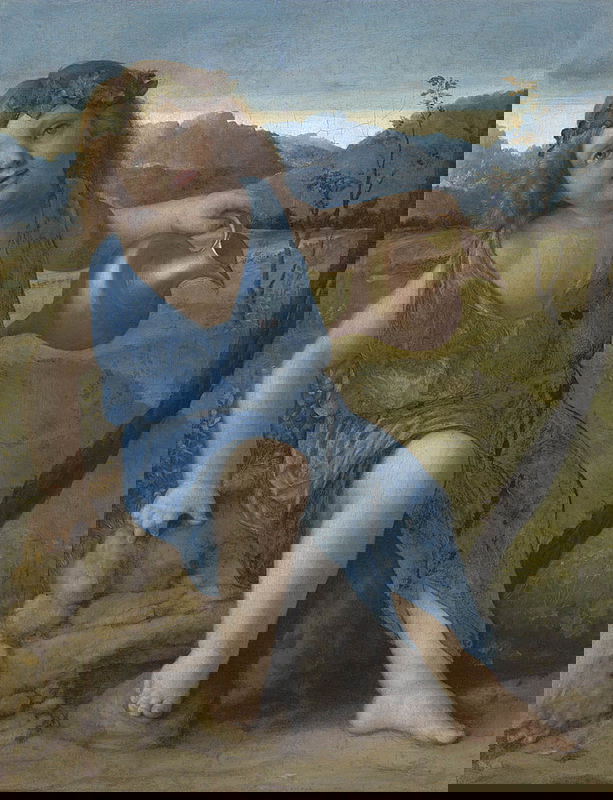
In his compilation of Dionysian mythology, Nonnus opens with an invocation of the muses and a promise to sing Dionysus’ life in full. He also provides essential “background information” before jumping into the god’s story. He tells the myth of Typhon stealing Zeus’ thunderbolts, Cadmus founding the city of Thebes, and Cadmus’ grandson Actaeon suffering a brutal death after seeing the goddess Artemis bathing.
The Birth and Death of Zagreus
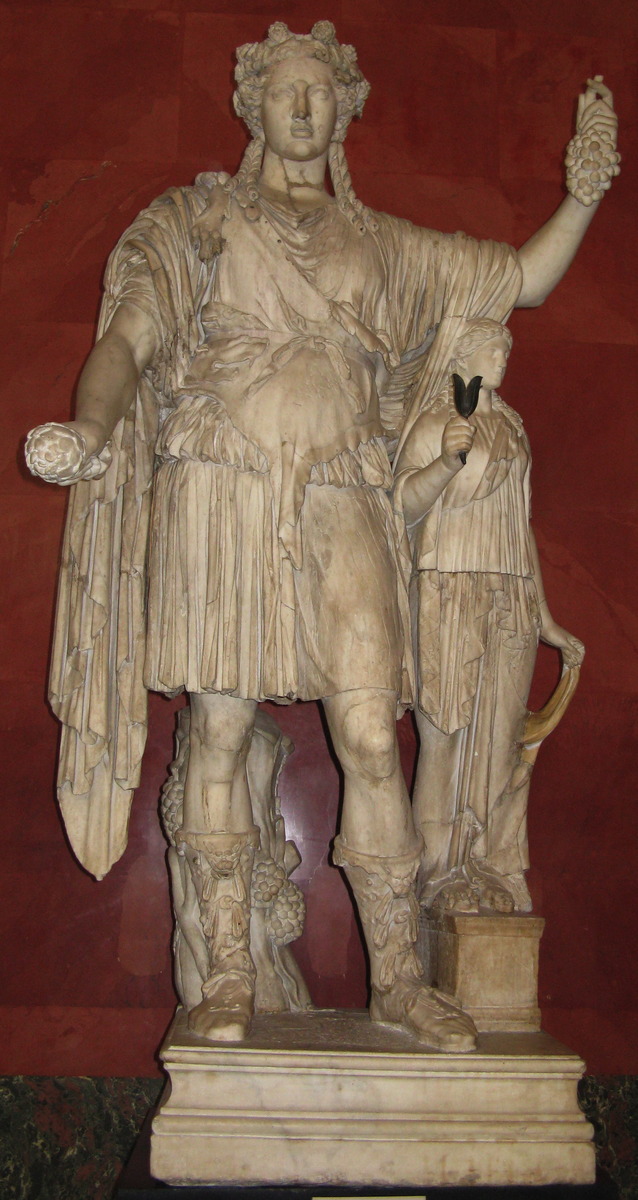
Nonnus begins with the birth of the god. While Dionysus was commonly known as the twice-born, in Nonnus’ narrative, Dionysus experiences three separate births. The first of these births belongs to Orphic mythology, an esoteric religion that existed alongside the more familiar Greek pantheon and mythology. He says that Dionysus is born to Zeus and his daughter, Persephone. Demeter, fearing that her daughter would be kidnapped and violated, hid Persephone in a cave and used snakes to guard her. Zeus took on the guise of a snake to visit and molest his own daughter. From this incestuous union, Persephone gives birth to the horned baby Zagreus.
It was clear that Zeus intended Zagreus to be his successor, which angered his wife, Hera. In a vengeful wrath, Hera urges the Titans to destroy the child. The Titans lure the baby god into a vulnerable position and subsequently dismember him. Athena managed to rescue the child’s heart, which she delivered to her father Zeus. He cut up the heart and mixed it into a sweet nectar to create a potion containing Zagreus’ essence.
Impregnation of Semele and Delivery by Zeus
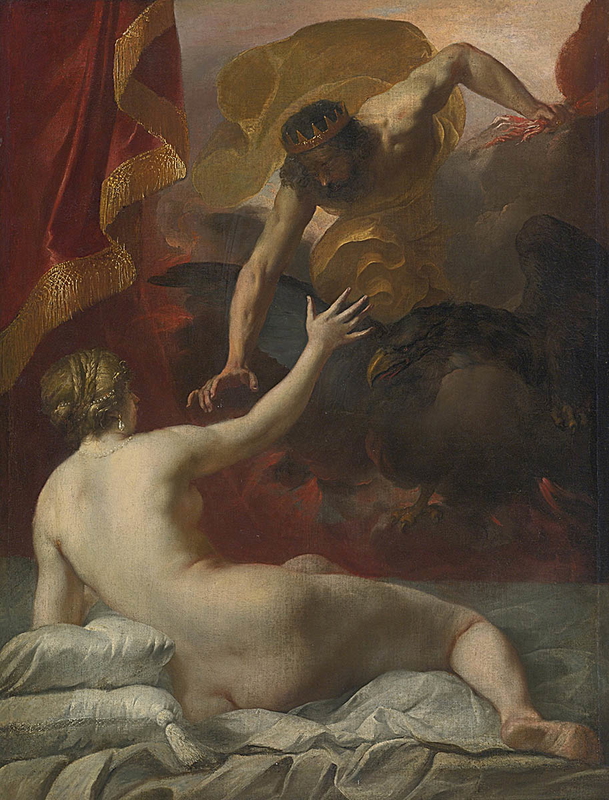
Zeus then seduces a mortal Theban woman named Semele. Zeus visits the young woman’s bed, and together they conceive a child. Zeus gives her the potion he made from Zagreus’ heart to drink, ensuring that their baby is a reincarnation of Zagreus.
Once more, Hera hatches a plan to sabotage Semele’s pregnancy. The goddess appears to Semele in disguise and convinces the woman to ask Zeus to appear to her in his divine form. Zeus gives in to Semele’s request and reveals his true form to the mortal. Unable to withstand the presence of divinity, Semele is immediately immolated by fire.
The unborn yet godly infant is then expelled from his mortal mother’s womb, which serves as Dionysus’ second birth in the narrative. Zeus takes up his premature son and stitches him into his thigh to continue maturing. Once the baby is fully developed, Zeus experiences labor pains and gives birth to the god Dionysus, his third birth.
Dionysus’ Chaotic Upbringing
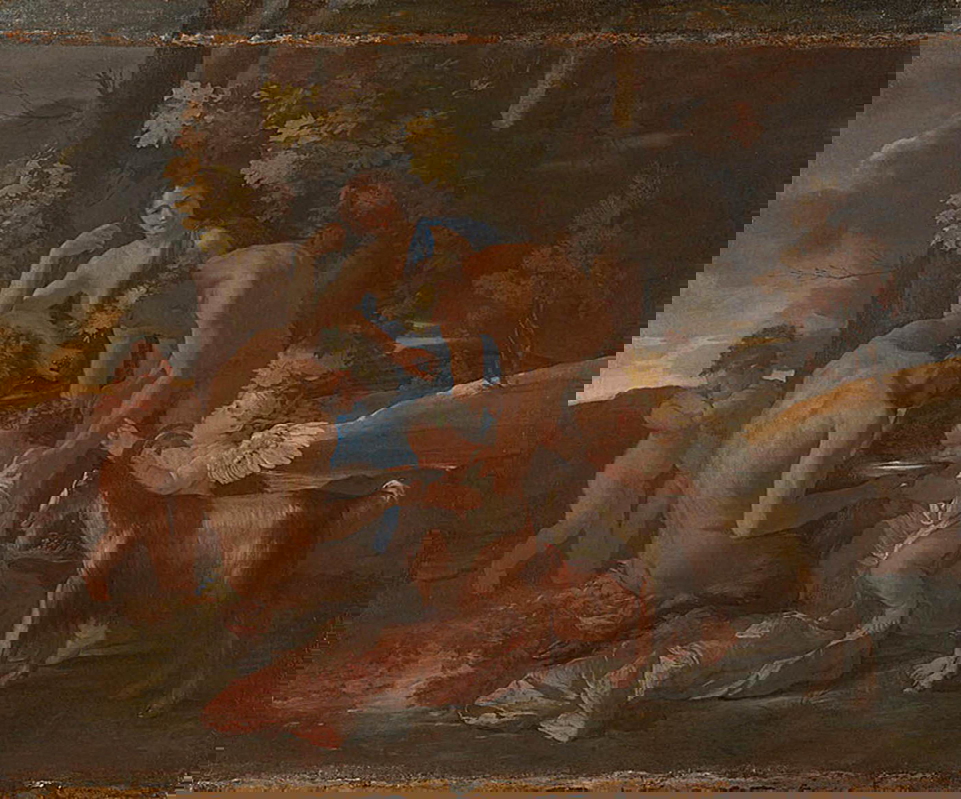
Dionysus is still not spared Hera’s wrath. Zeus gives the baby to Hermes to hide. He first places him with Semele’s sister, Ino. He is soon discovered, and Hera drives Ino’s husband, Athamas, insane, and he starts massacring all his children. This forces Ino to jump into the sea with her child Melicertes, becoming the sea gods Leucothea and Palaemon.
Dionysus again survives, and this time Hermes takes him to the wooded mountains of Phrygia under the protection of the goddess Rhea. There he is raised in the wild by nymphs and satyrs, most notably Silenus.
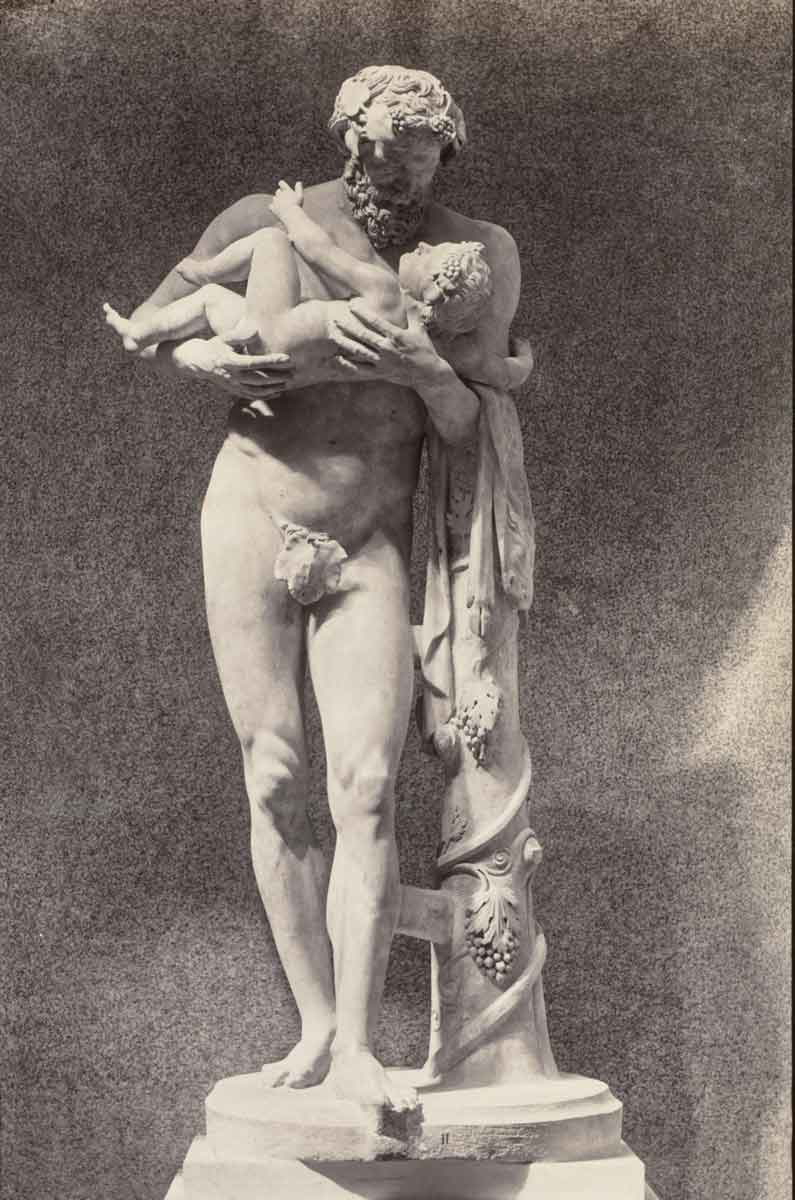
One of the most important stories from Dionysus’ formative years is when he falls deeply in love with a beautiful young satyr named Ampelos. When Ampelos is gored to death by a wild bull, a grieving Dionysus transforms his lover’s body into the very first grapevine, thus discovering wine.
Zeus Orders the God of Wine to Wage War in India
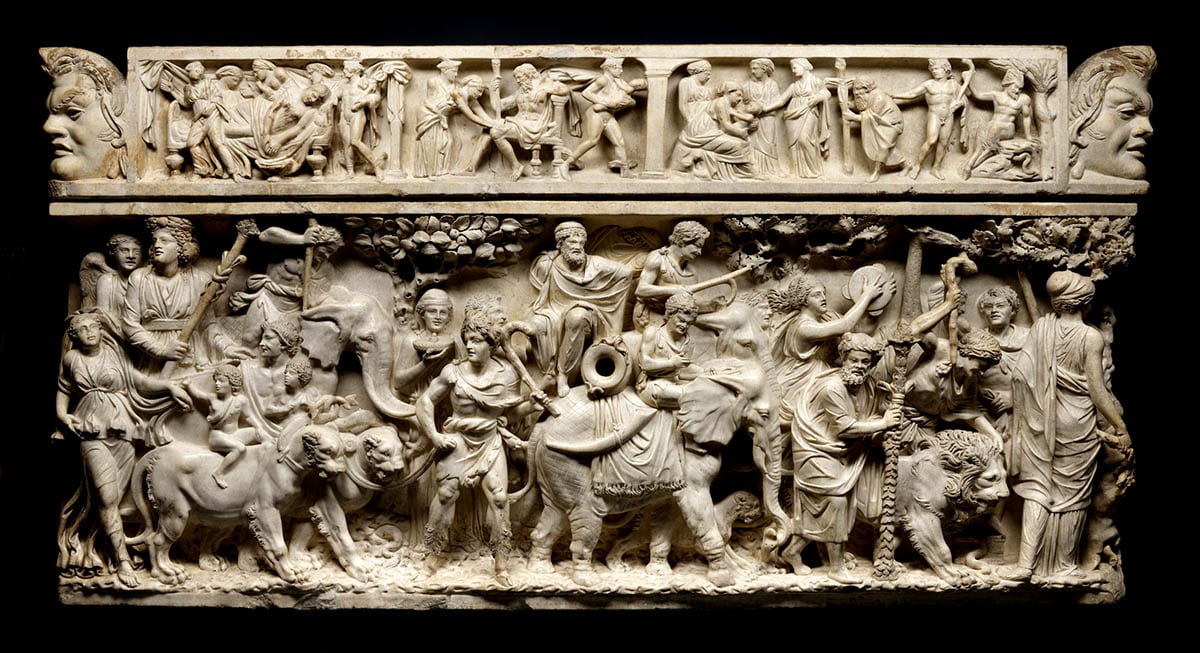
More than half of Nonnus’ work deals with Dionysus invading India, a story not preserved in any other source. Starting in Book 13, Dionysus is ordered by Zeus to prepare for war against the impious natives of India. Rhea is ordered to prepare troops for the conquest. In typical Homeric style, the epic poet provides the readers with a catalog of heroic and divine troops. The Dionysian army was made up of a large contingent of Bacchants or maenads. Hera immediately sees this as an opportunity to do away with Dionysus and tries to sabotage the army. Rhea gives Dionysus a protective, magical shield forged by Hephaestus.
As they march into India, the first major conflict takes place at Lake Astacid against the Indian general Astrais. When the Indians cut Dionysus off from the water supply, the god turns the lake supplying the enemy into sweet, intoxicating wine. Not knowing what wine is, the Indian soldiers drink the wine and become intoxicated and helpless. Dionysus’s army easily binds and captures them without shedding a drop of blood.
As Dionysus pushes deeper into India, he faces King Deriades, a fierce monarch who despises wine. The battle rages near the Hydaspes River. When the river-god Hydaspes rises up to drown the Bacchic army, Dionysus retaliates with fire and wine. He pours unmixed wine and fires torches into the river, causing the waters to literally boil and scald the Indian troops trapped inside. Hydaspes is forced to beg Dionysus for mercy.
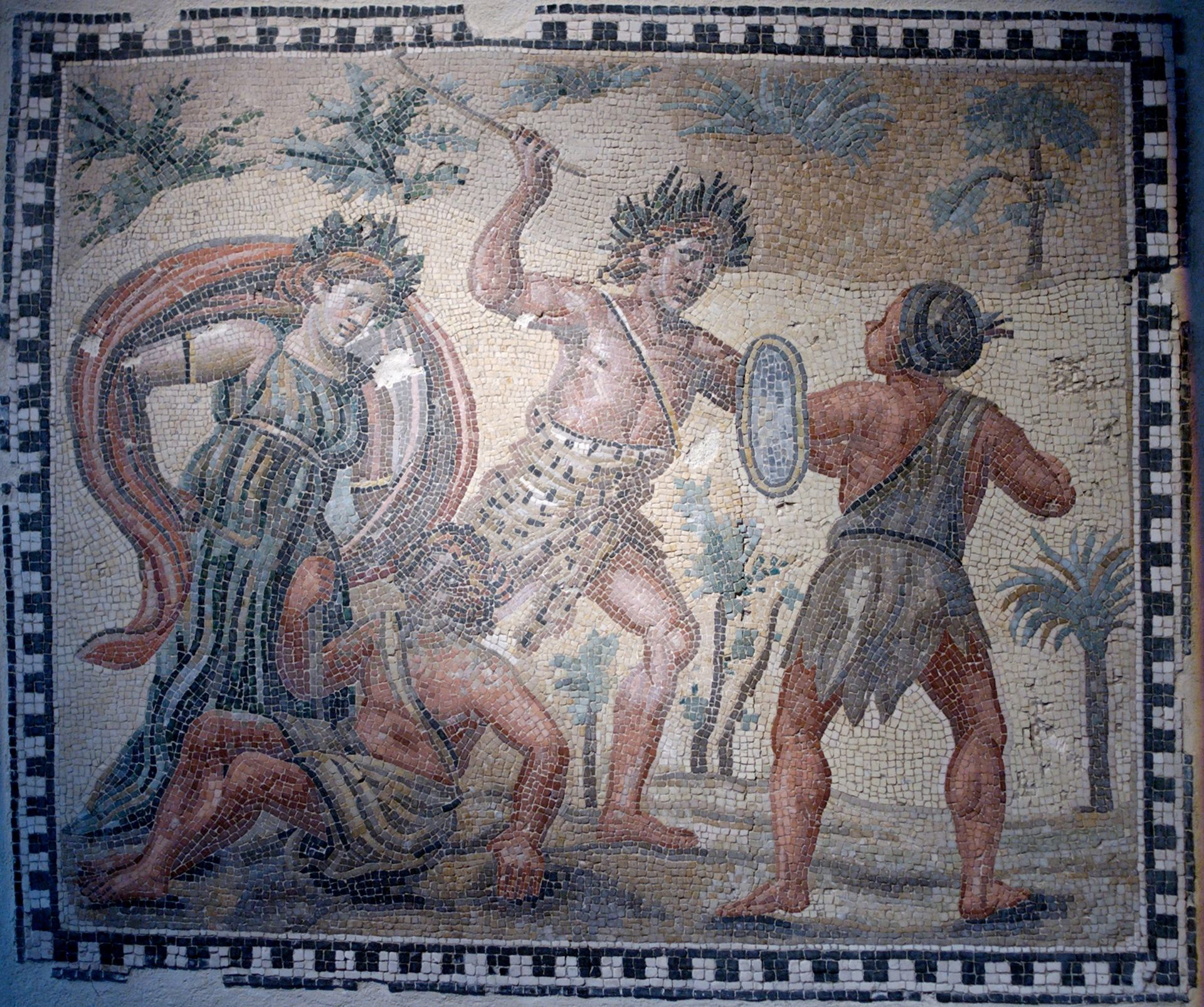
Still determined to get rid of Dionysus, Hera enlists the help of a Fury named Megaira, whom she instructs to madden Dionysus, while Hera puts Zeus into a deep sleep. Megaira successfully drives Dionysus mad, and he disappears. During his absence, the Indian king Deriades and his son-in-law, Morpheus, successfully routed the bacchants. With their god still absent from the battlefield, some of Dionysus’ troops are driven into the city walls, where they are slaughtered by the Indians. Zeus awakens to see what has happened during his slumber and immediately orders Hera to release Dionysus from his madness. To do this, she must breastfeed him and anoint him with ambrosia, a sign of his adoption as her child. He is free to return to the battlefield.
The war culminates in a spectacular, shapeshifting duel between Dionysus and King Deriades. Dionysus taunts Deriades by constantly shifting his form. He transforms into a lion, a raging bull, a striking panther, a violent wildfire, and a leafy tree, completely baffling the Indian king. He then entangles Deriades using a net made of living grapevines. Helpless and driven to despair, Deriades leaps into the Hydaspes River to his death.
With Deriades dead, the remaining Indian people surrender and embrace the cult of the vine. Dionysus sets up victory pillars, institutes the first Bacchic mysteries in the East, and begins his triumphant, wine-fueled march back to Greece, having successfully proved his divinity to the cosmos. Dionysus’ return is often represented, known as the Triumph of Dionysus.
Dionysus and the Nymphs
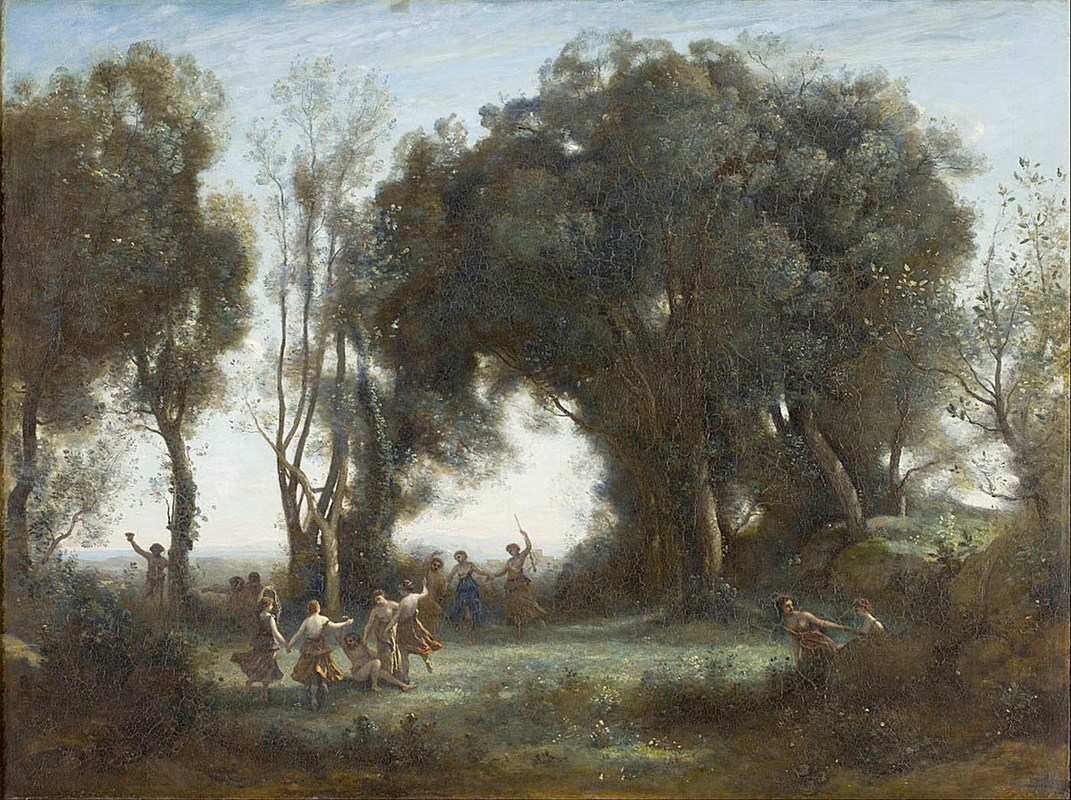
Nonnus offers several interesting digressions on Dionysus’ interactions with the nymphs. The first of these appears in Book 15 and involves a woodland nymph named Nicaia. Dionysus turns a river into wine to drug the nymph. He then takes advantage of the unconscious woman and impregnates her. From this union, the god’s daughter, Telete, is born. Telete, whose name is linked to the Dionysian mysteries, becomes one of her father’s attendants. When Nicaia is forced from her position as a companion of Artemis, Dionysus names the city of Nicaea in her honor.
Similarly, another nymph endures the same treatment in the final book of the poem. Aura, a Titaness in the service of Artemis, is also pursued and impregnated by Dionysus. However, rather than accepting her role as the mother of the god’s child, she refuses to accept her pregnancy. Aura continues to take part in activities with the other nymphs despite her compromised chastity.
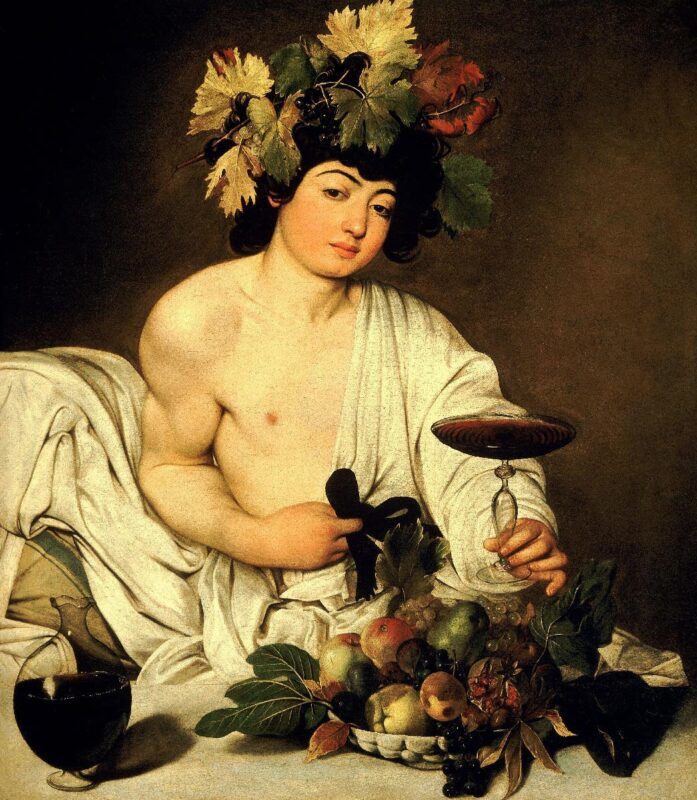
Eventually, the nymph gives birth to twins. However, in her abject refusal of motherhood, she cannibalizes one of her own children. Her remaining son, Iacchos, is saved by Athena. Aura is then transformed into a spring. This is punishment for a separate incident when she taunted Artemis. Iacchos is another figure that features in the religious mysteries of Dionysus.
Dionysus’ Homecoming and Spread of his Cult
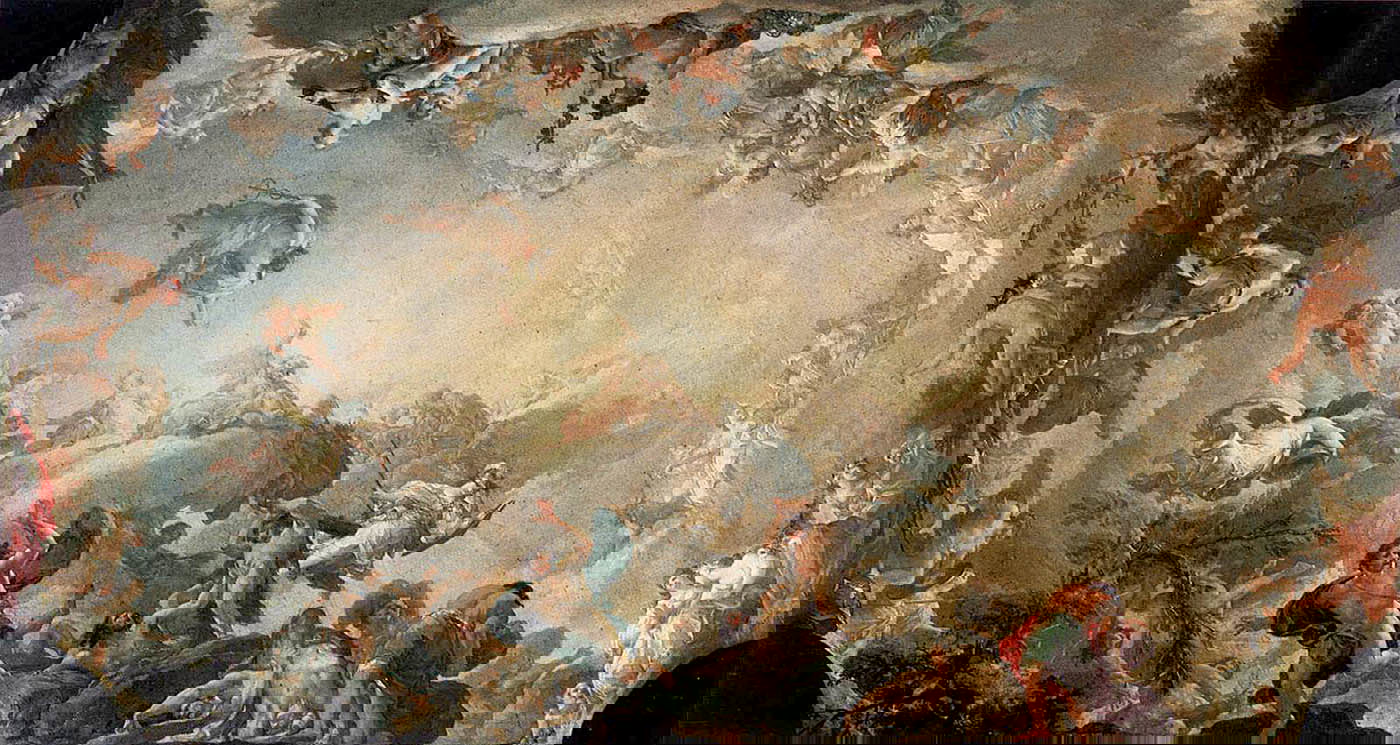
While war is raging between the Indians and the bacchants, another conflict plays out on Mount Olympus, between the deities that sympathize with Dionysus and those that support the Indians. Hera defeats Artemis, but Athena, who sides with Dionysus, defeats Ares. Apollo confronts Poseidon, but both gods are calmed by Hermes to prevent any further conflict.
Once these individual duels are concluded, Dionysus makes his way back to Greece to take his place on Mount Olympus. But to do this, he must establish his cult in mainland Greece. This proves difficult as his cult appears foreign and “manic,” and is therefore seen by many of the Greeks as a threat.
King Pentheus of Thebes
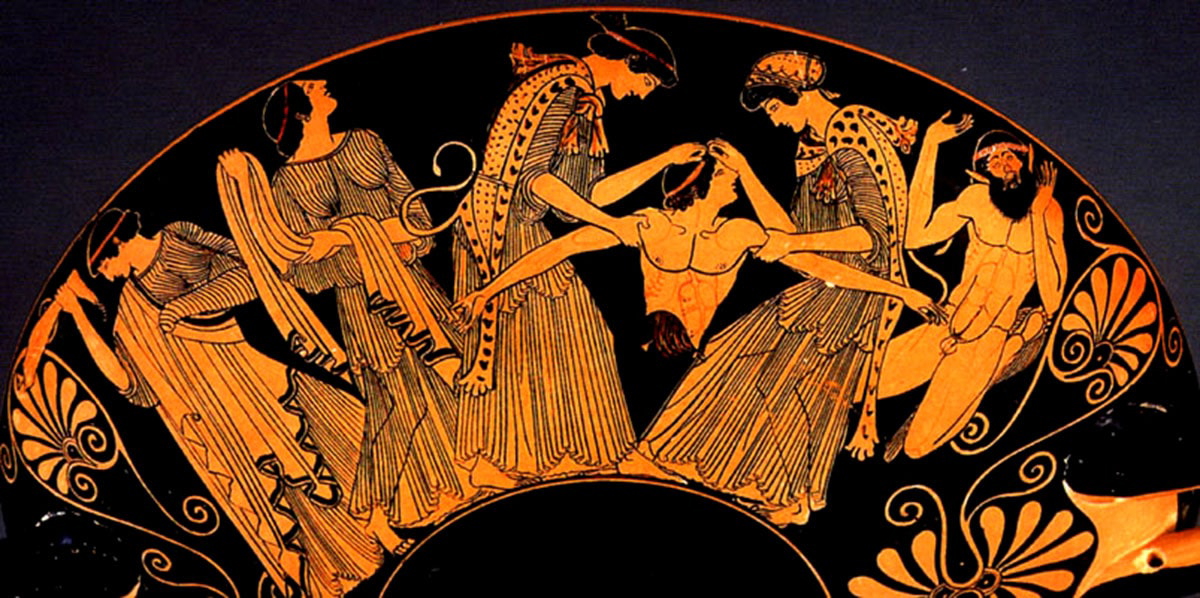
Dionysus was first rejected at his birthplace, Thebes, by his cousin, King Pentheus. To punish Pentheus, who mocks the god, Dionysus infuses the Theban women with divine madness. They flee to Mount Cithaeron. When Pentheus goes to spy on them, his own mother, Agave, blinded by Bacchic frenzy, mistakes her son for a wild lion and tears him limb from limb.
King Perseus of Argos
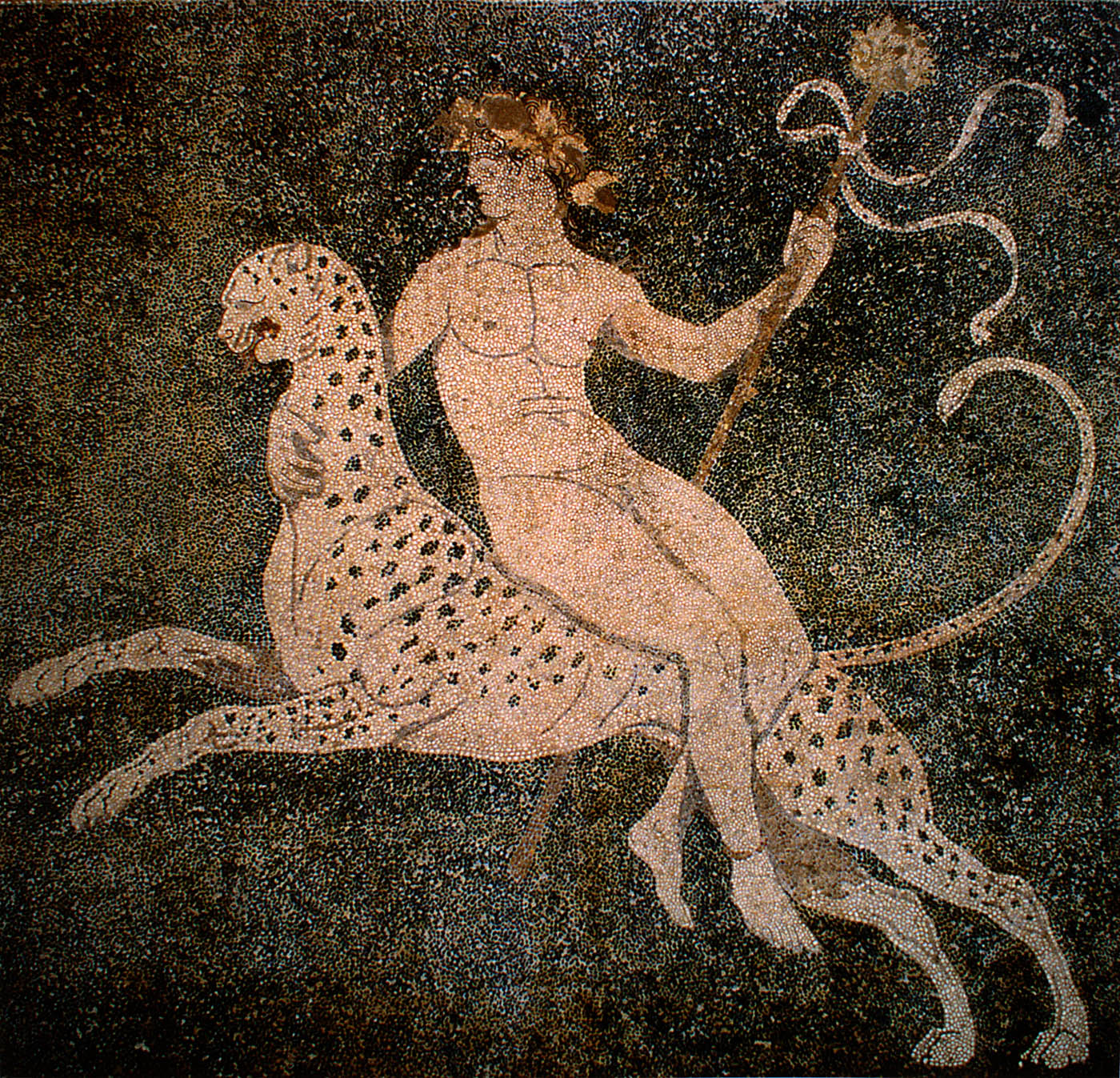
Moving south into the Peloponnese, Dionysus faces King Perseus, the legendary son of Zeus who slew Medusa. Perseus refuses to let the Bacchic revelers enter Argos. A massive battle erupts where Perseus uses the severed head of Medusa to turn thousands of Dionysus’s ecstatic followers into stone. Infuriated, Dionysus drives the Argive women mad, causing them to murder their own infants. To stop the horrific slaughter, Hermes intervenes. Perseus relents, acknowledges Dionysus’s divine parentage, and builds a temple to the god in Argos.
Misunderstanding in Athens
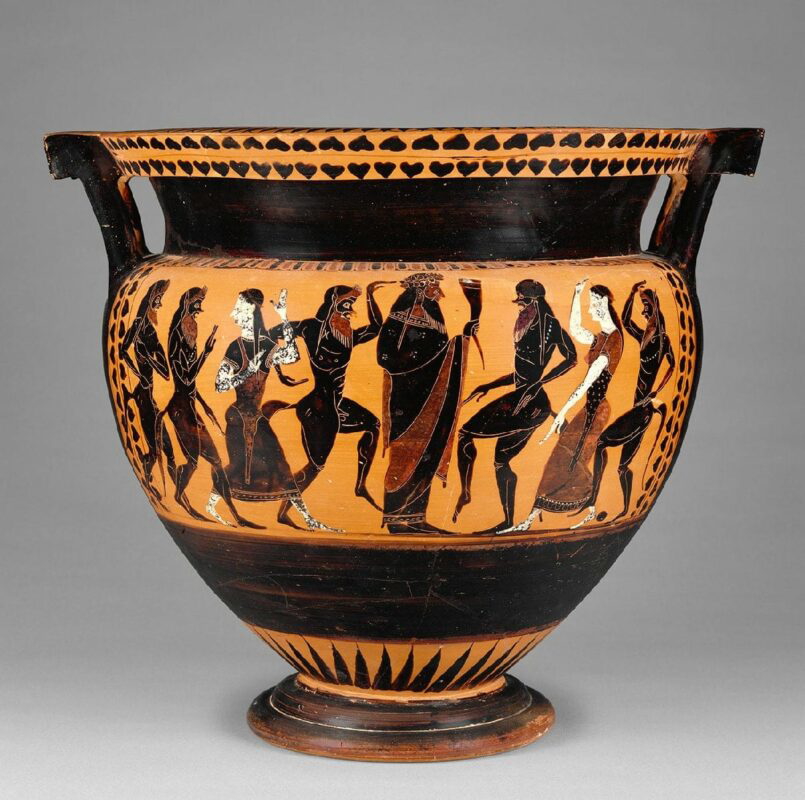
In Athens, Dionysus peacefully introduces wine to a hospitable old farmer named Icarius. He shares this new, magical liquid with local shepherds. Having never experienced alcohol, the shepherds mistake their sudden intoxication and subsequent hangovers for deliberate poisoning. In a fit of panic, they murder Icarius. His grieving daughter, Erigone, hangs herself in despair. Dionysus punishes Athens with a plague of madness until the citizens institute a festival to honor them, cementing his worship there.
With the war in India was won, and his cult firmly established in Greece, Dionysus is finally allowed to join the gods on Mount Olympus, with even Hera welcoming him.
Despite the rich mythological content of the Dionysiaca, the poem is rarely studied. Some classicists claim that the work is mediocre and unoriginal in its subject matter, but others disagree. It is also valued as a pagan epic published during the rise of Christianity.
Book Summary of the Dionysiaca by Nonnus of Panopolis
| Book Numbers |
Key Mythological Events Covered
|
| Books 1–2 |
The Typhon Crisis: The monster Typhon steals Zeus’s thunderbolts, throwing the cosmos into chaos. Zeus defeats him with the musical aid of Cadmus.
|
| Books 3–5 |
The Foundation of Thebes: Cadmus searches for Europa, slays Ares’s dragon, sows the dragon’s teeth to create the Spartoi, marries Harmonia, and founds Thebes. Includes the tragic death of his grandson Actaeon.
|
| Book 6 |
The First Dionysus (Zagreus): Zeus impregnates Persephone, producing the infant king Zagreus. Hera sends the Titans to brutally dismember and consume him. Zeus preserves his heart and destroys the Titans.
|
| Books 7–8 |
The Conception and Semele’s Tragedy: Zeus mixes Zagreus’s heart into a nectar potion for Semele, implanting the reincarnated god. Tricked by a disguised Hera, Semele demands to see Zeus’s true cosmic form and is incinerated.
|
| Book 9 |
The Thigh-Birth and Infancy: Zeus rescues the fetus and sews him into his thigh. Upon birth, Hermes hides the horned infant with river nymphs, then with Aunt Ino, constantly evading Hera.
|
| Books 10–12 |
Childhood and the Invention of Wine: Hera drives Ino mad. Dionysus is sent to Rhea in Phrygia, growing up among Satyrs and Nymphs. His beloved companion Ampelos is killed by a bull and transformed into the first grapevine.
|
| Books 13–14 |
The Gathering of the Host: Zeus orders Dionysus to conquer impious India. Rhea assembles a supernatural, ecstatic army of Maenads, Satyrs, Centaurs, and Seilenoi led by old Silenus.
|
| Books 15–16 |
Early Campaign and the Wine Miracle: Dionysus turns a lake into wine to intoxicate and easily capture the enemy army. He later intoxicates and seduces the fiercely chaste nymph Nikaia.
|
| Books 17–24 |
The Outbreak of Major War: The Bacchic army pushes deeper into India, facing King Deriades. Dionysus fights the River-God Hydaspes, pouring wine and fire into the currents to make the river boil.
|
| Books 25–35 |
Theomachy and Hera’s Sabotage: The war mirrors the Iliad as the Olympian gods take sides. Hera drives Dionysus into a temporary madness, leaving his army on the brink of annihilation until Athena restores his sanity.
|
| Books 36–40 |
The Fall of India: A massive cosmic battle culminates in a duel. Dionysus terrorizes King Deriades by shapeshifting into various wild beasts and fire before trapping him in living grapevines. India surrenders.
|
| Books 41–43 |
The Contest for Beroe: Dionysus returns westward and falls in love with the nymph Beroe (Beirut). He engages in a massive, earth-shaking duel with Poseidon for her hand, but Poseidon ultimately wins her.
|
| Books 44–46 |
The War at Thebes (Pentheus): Dionysus returns to his birthplace. King Pentheus rejects the Bacchic cult and attempts to ban it, resulting in Pentheus being torn apart by his own mother, Agave, in a divine frenzy.
|
| Book 47 |
Campaigns in Argos and Athens: King Perseus resists the cult in Argos using Medusa’s head until a truce is brokered. In Athens, the farmer Icarius is accidentally killed by drunk shepherds, leading to his daughter Erigone’s suicide.
|
| Book 48 |
The Third Dionysus and Apotheosis: Dionysus seduces the huntress Aura, who gives birth to twins; one survives to become Iakkhos (the Third Dionysus). Dionysus flings Ariadne’s crown into the stars and ascends to Mount Olympus to sit beside Zeus.
|