It would be easy to chart the history of civilization through a timeline of its wars. Most great kingdoms and empires were built and destroyed through conquest, from the very first classical records to the present day. However, compiling a list of the most epic battles that shaped history is a daunting task, as there are so many important and epic battles to choose from. With that in mind, here are 15 of the most titanic and epic battles whose effects would reverberate throughout the ages.
| Battle Name | Date | Why It Mattered |
| Battle of Salamis | 480 BC |
Stopped the Persian invasion of Greece, saved the growing Greek city-states from subjugation, and kick-started the rapid cultural and political growth of Athens.
|
| Battle of Gaugamela | 331 BC |
Served as the climax of Alexander the Great’s conquests, causing King Darius III to flee, destroying the Persian Empire, and placing Asia under Alexander’s control.
|
| Battle of Cannae | 216 BC |
Rome’s most significant and bloodiest ancient defeat. It forced massive reforms in Roman society and military doctrine, laying the groundwork for Rome’s professional army.
|
| Battle of Arausio | 105 BC |
A catastrophic Roman defeat by Germanic tribes that led to the Marian reforms of the military. It also fostered a public desire for strong leadership, paving the way for the end of the Republic.
|
| Battle of Actium | 31 BC |
Mark Antony and Cleopatra were defeated by Octavian’s forces. This marked the official death of the Roman Republic and the birth of the Roman Empire under Augustus.
|
| Battle of the Milvian Bridge | AD 312 |
Constantine defeated his rival Maxentius after experiencing a Christian vision. This victory directly led to the legalization of Christianity and the relocation of the imperial capital to Constantinople.
|
| Battle of Tours | AD 732 |
Halted the Umayyad Caliphate’s military expansion into Western Europe, solidified the Frankish kingdom, and helped usher in the Carolingian Renaissance.
|
| Siege of Constantinople | AD 717–718 |
Successfully defended the Byzantine capital against a massive Umayyad invasion, serving as a major bulwark that halted Arab expansion into early medieval Europe.
|
| Battle of Hastings | 1066 |
William of Normandy defeated the Anglo-Saxons, placing a Norman ruling class over England. This fundamentally altered English culture and language, tying its history to continental Europe.
|
| Sack of Constantinople | 1204 |
Western Crusaders fractured and severely weakened the Byzantine Empire from within. This accelerated the empire’s decline, making it unable to withstand the later Ottoman conquest.
|
| Siege of Orleans | 1428–1429 |
Joan of Arc miraculously lifted the English siege, turning the tide of the Hundred Years’ War in favor of the French and leading to the eventual expulsion of the English from France.
|
| Battle of Myeongnyang | 1597 |
Admiral Yi Sun-sin miraculously defeated a massive Japanese fleet with only 13 ships, ruining Japan’s naval campaign, protecting Korea, and triggering political instability in Japan.
|
| Battle of Borodino | 1812 |
The bloodiest battle of the Napoleonic Wars. Though a technical French victory, it failed to destroy the Russian army, leading to Napoleon’s disastrous retreat and the ultimate collapse of his empire.
|
| Battle of Warsaw | 1920 |
Known as the “Miracle on the Vistula,” a desperate Polish counterattack stopped the Bolshevik army, guaranteeing Polish independence and halting the global westward spread of Communism.
|
| Battle of Stalingrad | 1942–1943 |
The bloodiest battle in human history. It resulted in the total destruction of the German Sixth Army, shattered the myth of Nazi invincibility, and permanently turned the tide of World War II against Germany.
|
1. How Did the Battle of Salamis (480 BC) Save Western Civilization?
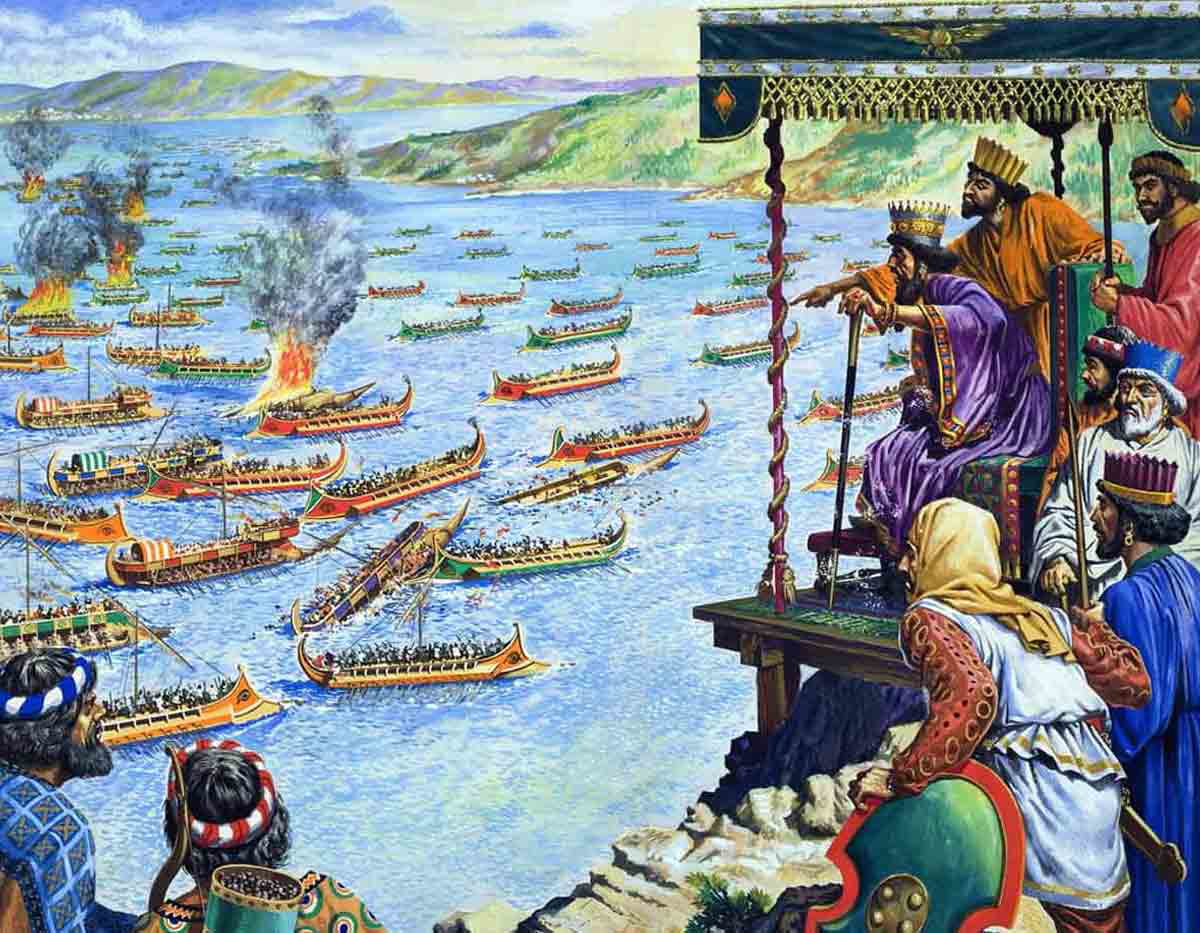
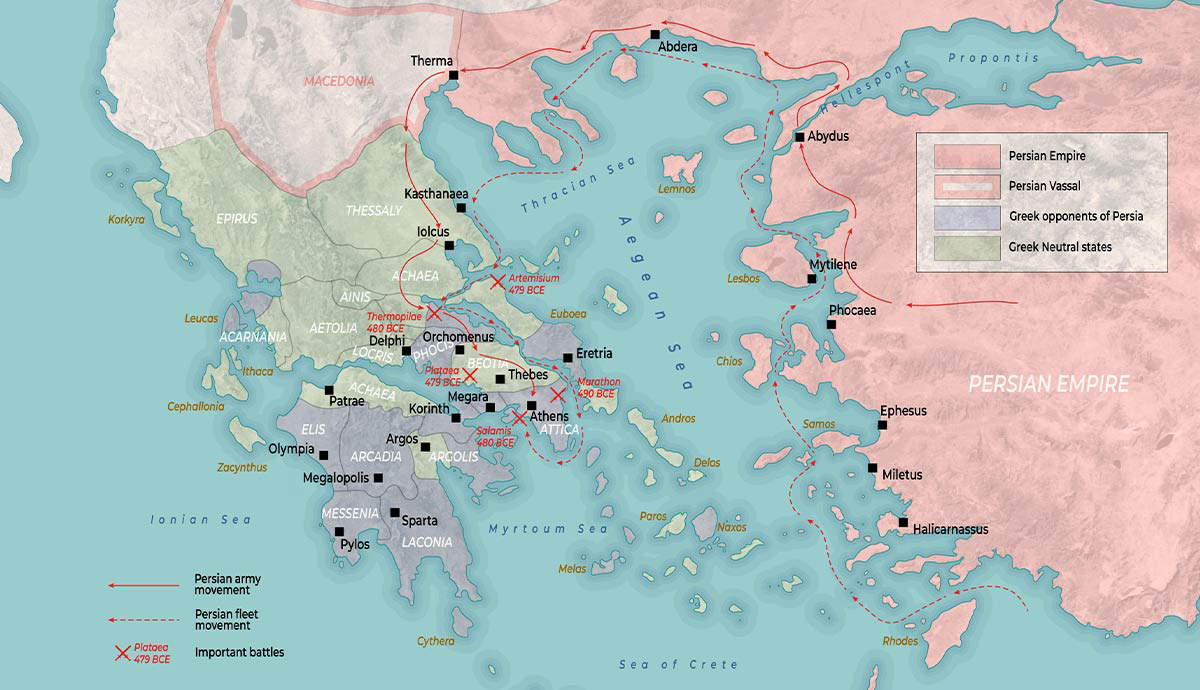
The Greco-Persian Wars were full of epic battles, but the battle that normally comes to mind is Thermopylae, immortalized in Gerard Butler’s movie 300. However, the clash that was significantly more influential was the naval engagement at Salamis. There, the Athenian fleet was similarly outnumbered by the Persians, yet unlike the Spartans, they were able to achieve a decisive victory, stopping the invasion in its tracks.
Following his victory at Thermopylae, Persian ruler Xerxes looked to invade all of Greece. He gathered an enormous fleet and set sail for another of the major Greek city-states, Athens. Led by Themistocles, the Greeks baited Xerxes and the Persians into the Straits of Salamis near Athens. The larger invading fleet hoped to envelop the Athenians, clearing the way for an invasion of the Peloponnese. However, the narrow channel of water was difficult to maneuver in, and the Persians were soon disorganized. As a result, the Athenians were able to quickly form up and overwhelm them, easily picking off the Persian ships at the front and sending them crashing into either their reserves or running them aground.
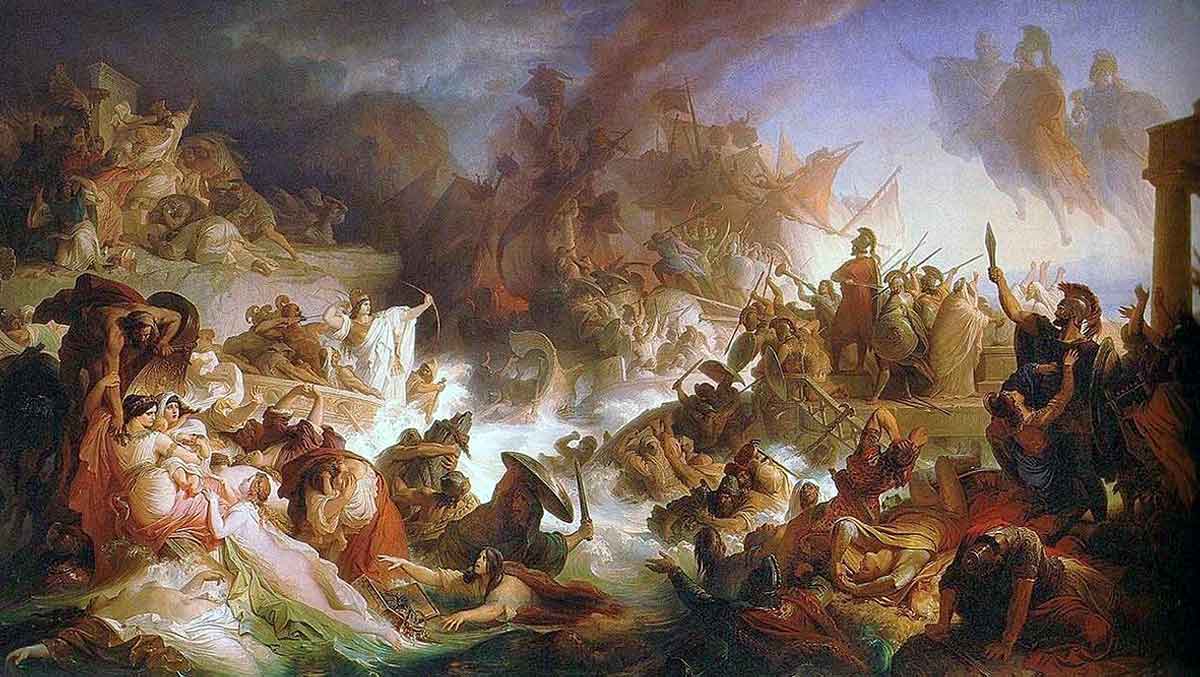
The Persian fleet was devastated, forcing Xerxes to retreat across the Aegean. His remaining land forces were soon defeated at the Battle of Plataea. The significance of Salamis is that it ended the Persian invasions of Greece and kick-started the rapid growth of Athens.
Had Xerxes succeeded in his plan to defeat Athens, he would have laid the groundwork to invade the rest of Greece, stunting the growth of the city-states that would dominate the next century, culminating in the vast empire of Alexander the Great. As it stands, however, the Battle of Salamis was an epic naval clash that stopped the invasion of one of the most powerful forces in the ancient world.
2. Why Was the Battle of Gaugamela (331 BC) the Climax of Alexander the Great’s Conquests?
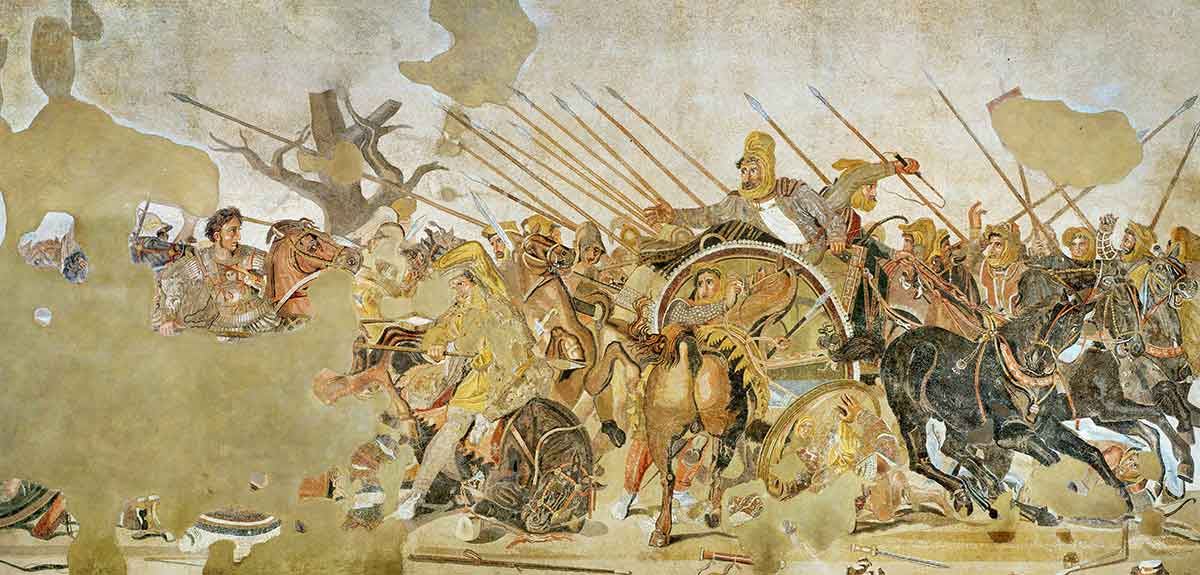
Alexander the Great fought many epic battles and is famous for never losing a battle. Nevertheless, the Battle of Gaugamela stands out as both a brilliant tactical victory and the battle that brought the mighty Persian Empire under his control.
Following his loss at the Battle of Issus, the Persian king Darius III was determined not to make the same mistakes, so he spent two years gathering a new army. He marched his 100,000-strong army to a flat plain near Gaugamela, looking to take advantage of his superior numbers. He probably outnumbered Alexander’s troops by 2:1.
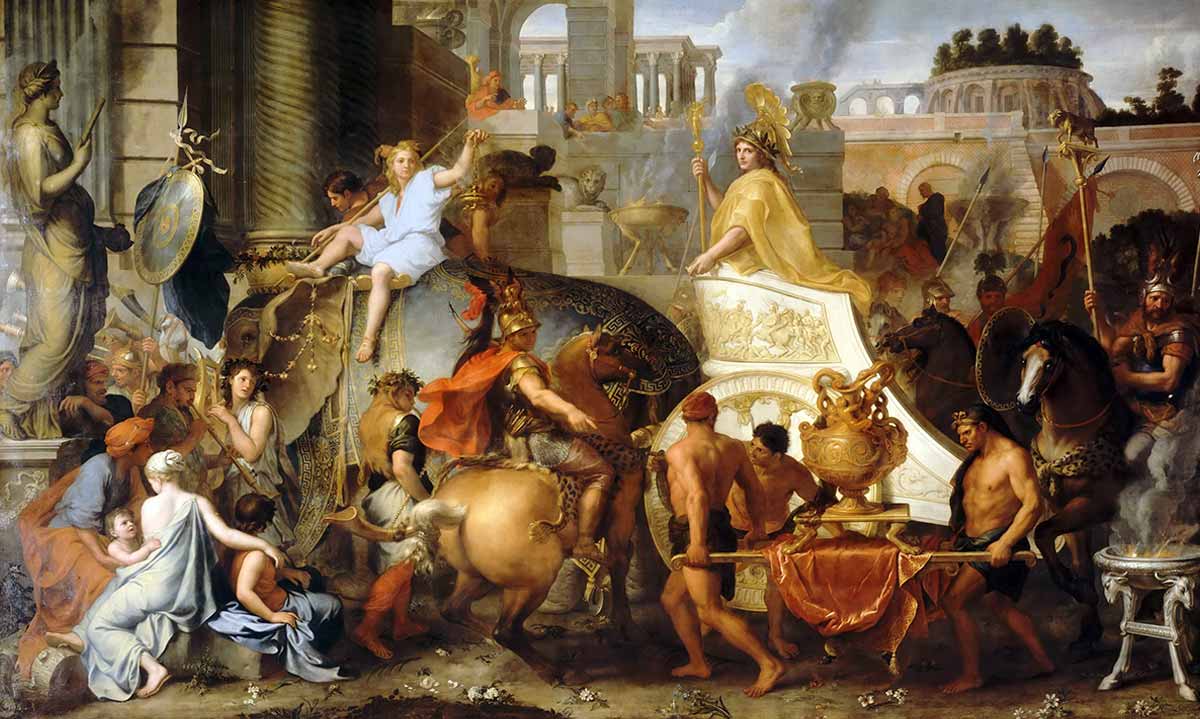
Alexander could not march his army directly at the Persians as their longer line would surround them. Therefore, he led his elite Companion cavalry diagonally to the right, marching parallel to the Persian line. Darius, terrified of being outflanked, ordered his own left-wing cavalry to move with Alexander, tracking him. As the Persian cavalry kept shifting right to follow Alexander, a gap opened up in the center-left of the Persian line. This was exactly what Alexander was waiting for. He instantly wheeled his cavalry around, formed a massive wedge with his nearby infantry, and charged directly into the gap, aiming straight for Darius III, knowing that taking the king would send the Persian army into chaos.
Seeing Alexander’s terrifying wedge charging directly at him while the unstoppable Macedonian phalanx pushed from the front, Darius panicked. He turned his chariot and fled the battlefield. When word spread that the King had run, the Persian lines collapsed. Persian casualties were heavy, while the Macedonians lost few. Alexander marched into Babylon as the new king of Asia, while Darius was assassinated by his own satraps.
3. What Made the Battle of Cannae (216 BC) the Turning Point for Rome?
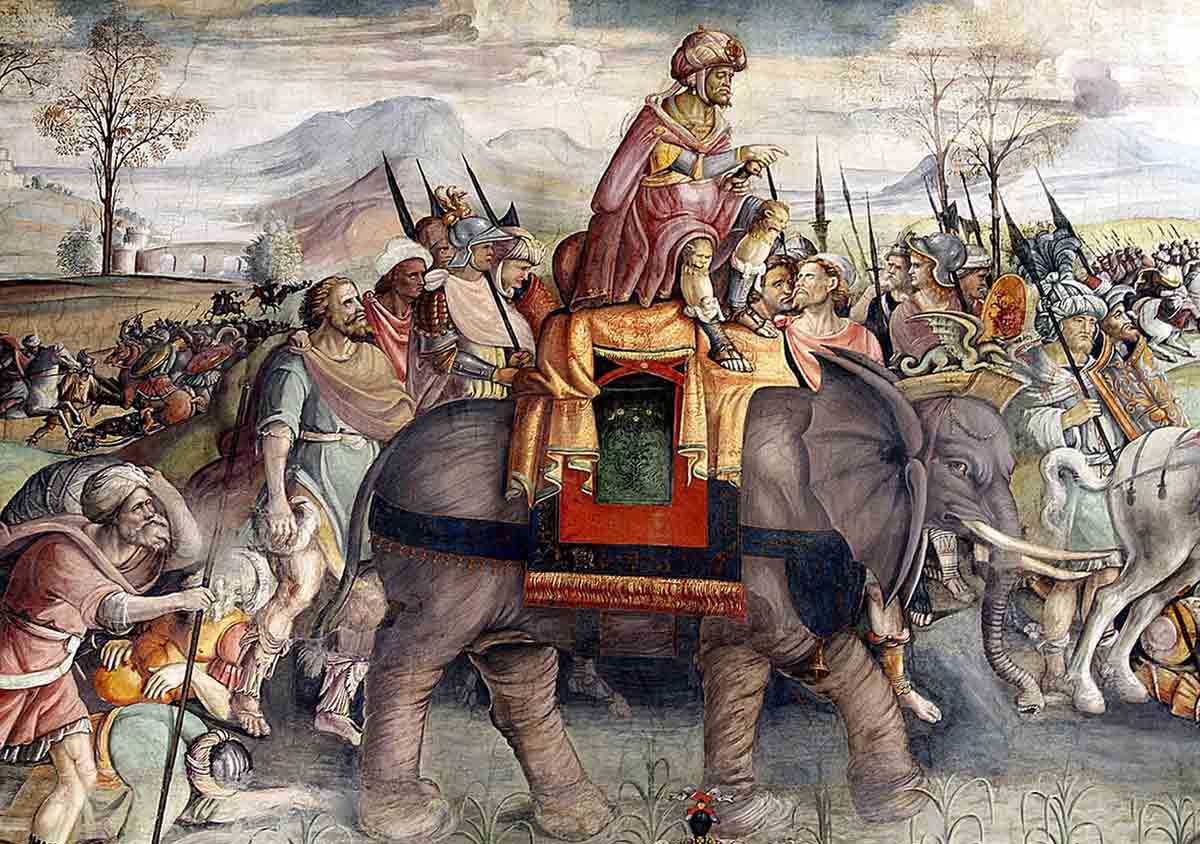
The most significant defeat in ancient Rome’s history, this epic battle was also one of the bloodiest fights until the modern era. The Carthaginian General Hannibal managed to completely annihilate a greater Roman force, sending panic throughout the capital.
After daringly crossing the Alps with his entire army, Hannibal had inflicted defeats at Trebia and Lake Trasimene, which had caused the Romans to raise a large army to stop his invasion. The two sides met in southeastern Italy after the Carthaginians had razed the surrounding countryside.
The Roman generals, commanding a force nearly 40,000 men larger, attempted to drive through the weak Carthaginian center, believing their superior numbers would easily overwhelm their enemy. However, this was all a ploy created by Hannibal, as the flanks of his army soon enveloped the Roman force. Surrounded, the Romans were easily cut down, with almost the entire army of 80,000 killed by the end of the day.
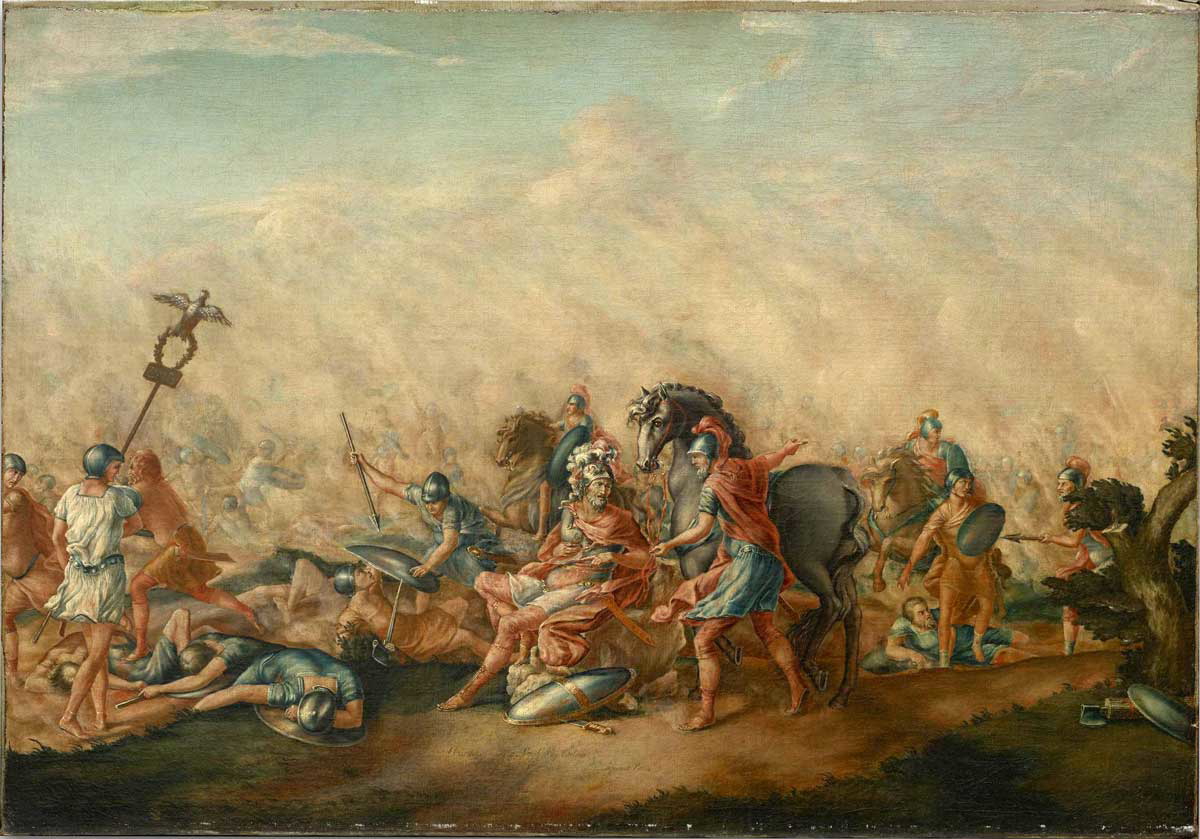
The defeat sent panic through Rome, whose leaders began to resort to desperate measures, including enlisting slaves/younger men, consulting oracles, and even human sacrifice. However, they still refused to surrender. Eventually, Rome would regather its strength and decisively defeat Hannibal at Zama 14 years later.
The significance of Cannae was that it drastically reformed Roman society. Military doctrine was completely reworked as the army was made much more flexible under a unified command. The defeat at Cannae also set in motion the development of Rome’s professional army that would dominate the centuries to come. Despite being a heavy defeat for Rome, Cannae was a significant battle in the development of one of antiquity’s greatest empires.
4. How the Battle of Arausio (105 BC) Reshaped the Roman Military Machine?
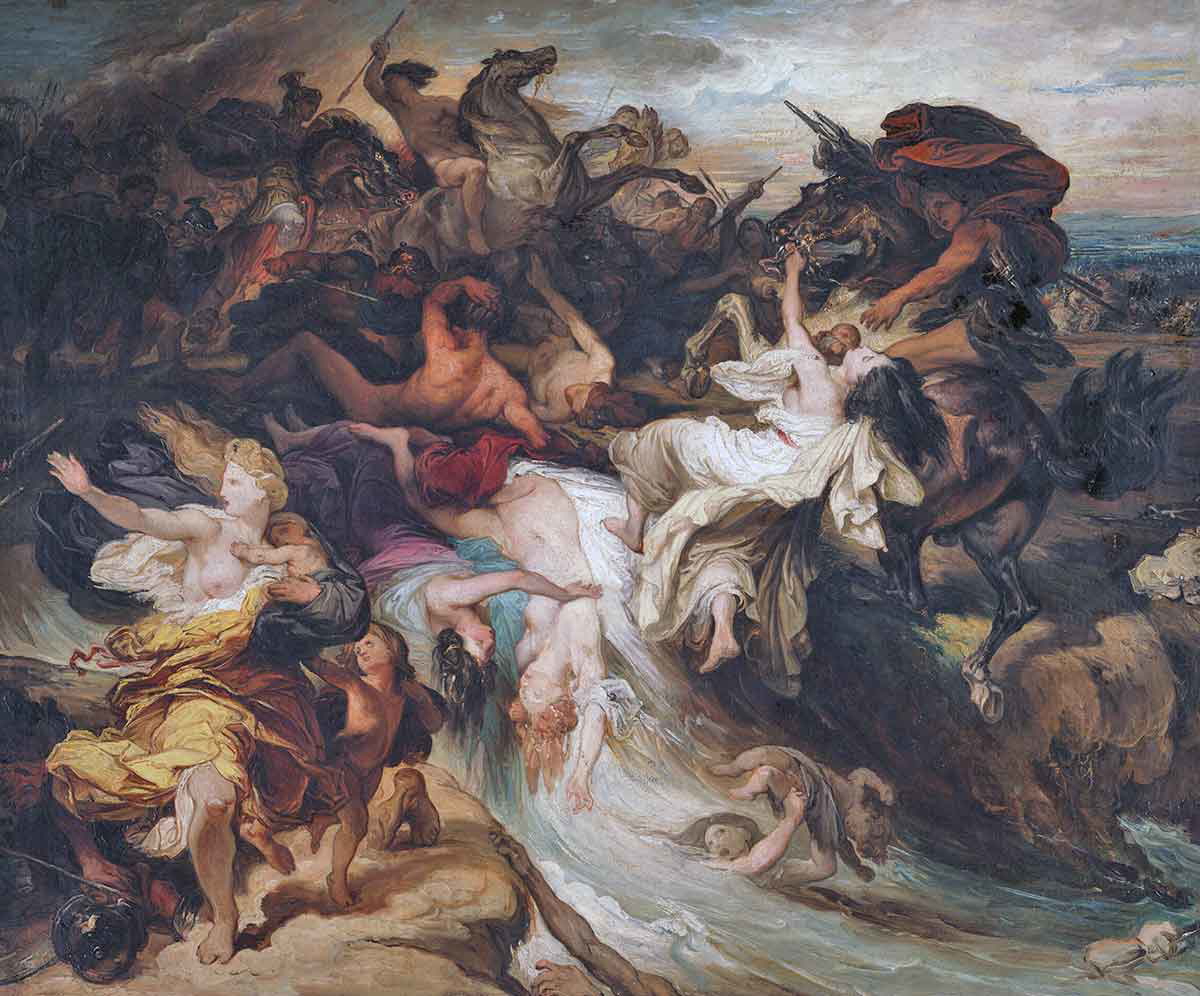
The clash at Arausio was another epic battle and another epic defeat for Rome. Less known than Cannae, the battle of Arausio saw the destruction of an even larger force than what Hannibal managed. Indeed, 80,000 Romans were killed by a mix of Germanic tribes in an event that would shape the development of Rome for centuries to come.
In 105 BC, Roman forces marched north to stop the migration of the Cimbri and the Teutons. They were split under the command of Gnaeus Mallius Maximus and Quintus Servilius Caepio. The arrogance and hostility between the two generals meant they decided to camp on opposite sides of the River Rhône. As a result, the Germanic forces were able to easily overpower the divided army, taking turns to trap each force against the river and destroy them.
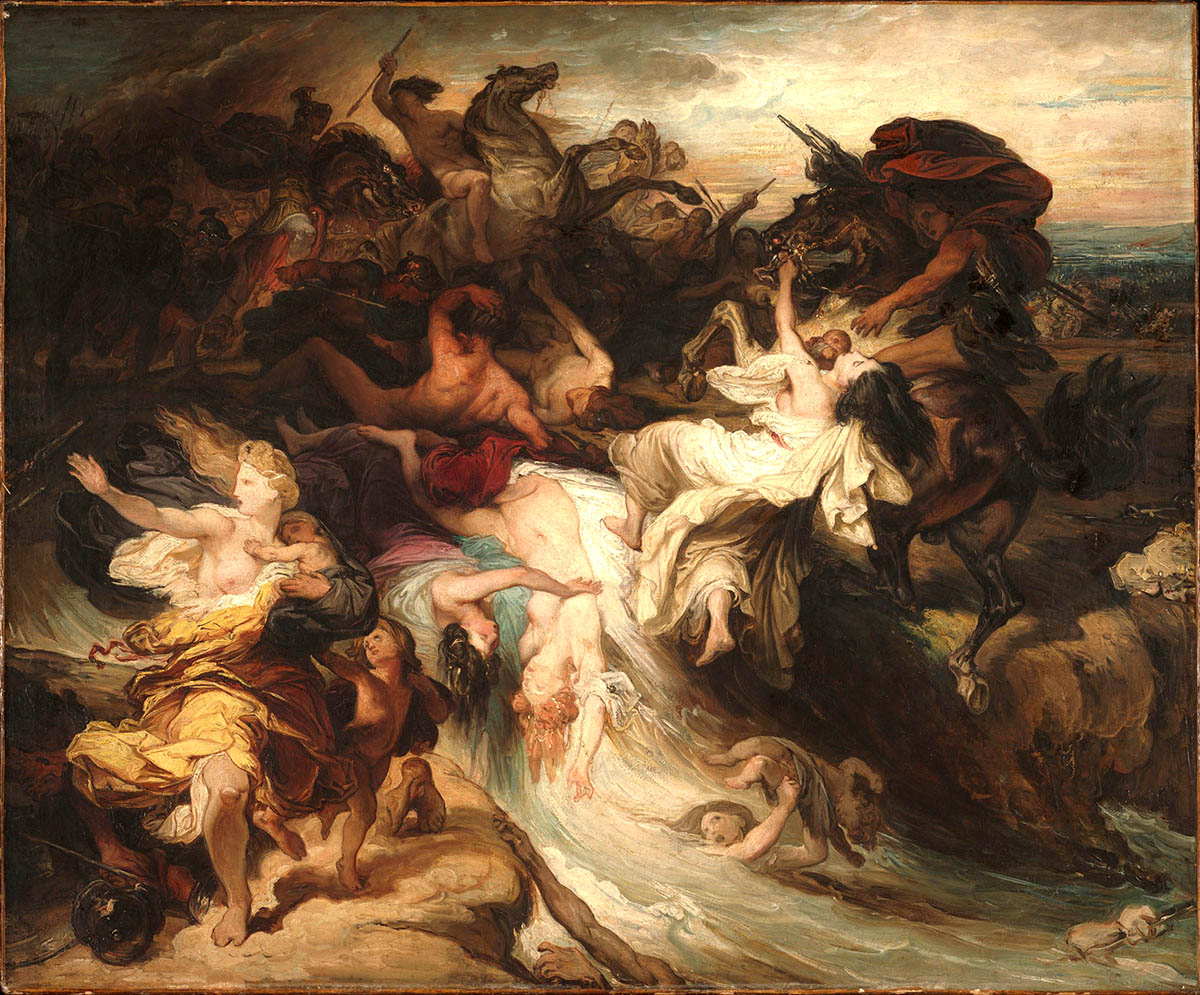
Like Cannae, the epic scale of the Battle of Arausio sent shockwaves throughout Rome, which had lost a very large army and left a dangerous enemy at its doorstep. Rome quickly elected Gaius Marius as consul, ignoring electoral rules to send their best general to the front. Many of the subsequent changes following Arausio happened under his tenure. The soldiery was expanded to include broader society, uniform equipment, and the formation of the cohort.
The defeat at Arausio also reinforced the public’s idea of the need for strong leadership. Marius was elected consul for five successive years after the defeat (seven in total). This was an early example of the cult of personality that would ultimately be exploited by Julius Caesar, Augustus, and others to bring an end to the Republic. While Arausio was not the primary reason such events later occurred, it put in place many of the instruments that would be used to engender them.
5. How Was the Roman Empire Born at the Battle of Actium (31 BC)?
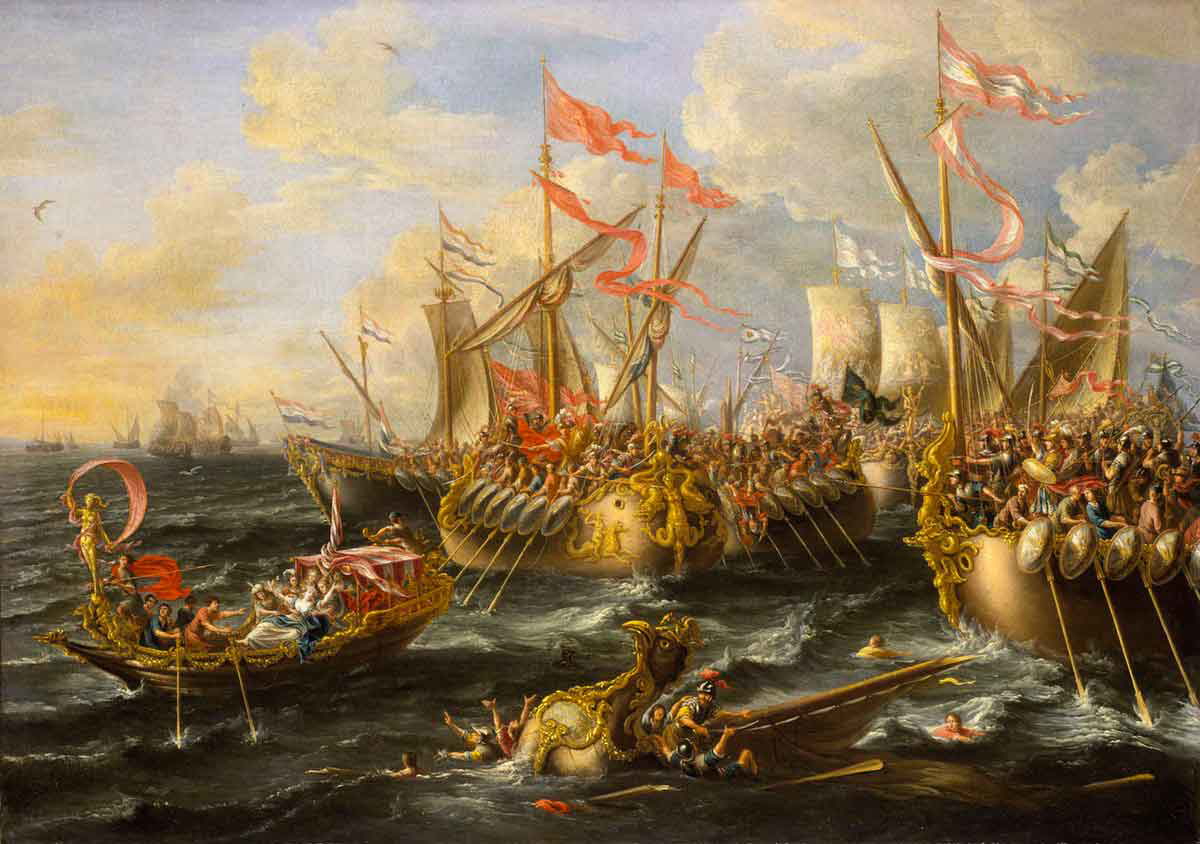
Following Julius Caesar’s assassination in 44 BC, his principal heirs, Mark Antony and Octavian, split Rome’s territories between themselves. What followed was a decade-long “cold war” in which these two men vied for superiority. They took different approaches, with Antony setting himself up as a king in the east alongside the Egyptian queen Cleopatra, while Octavian represented himself as representing Rome’s traditional interests. He successfully had Antony declared a public enemy of Rome, justifying war.
The matter was resolved in 31 BC when their two forces met at Actium in western Greece. Antony and Cleopatra’s fleet was trapped inside a gulf, blockaded by Octavian’s brilliant military right-hand man, Marcus Vipsanius Agrippa. Agrippa cut off Antony’s supply lines, causing disease and starvation to ravage Antony’s camp. Desertions skyrocketed. Realizing they were being choked out, Antony and Cleopatra decided to fight their way through the blockade and escape back to Egypt.
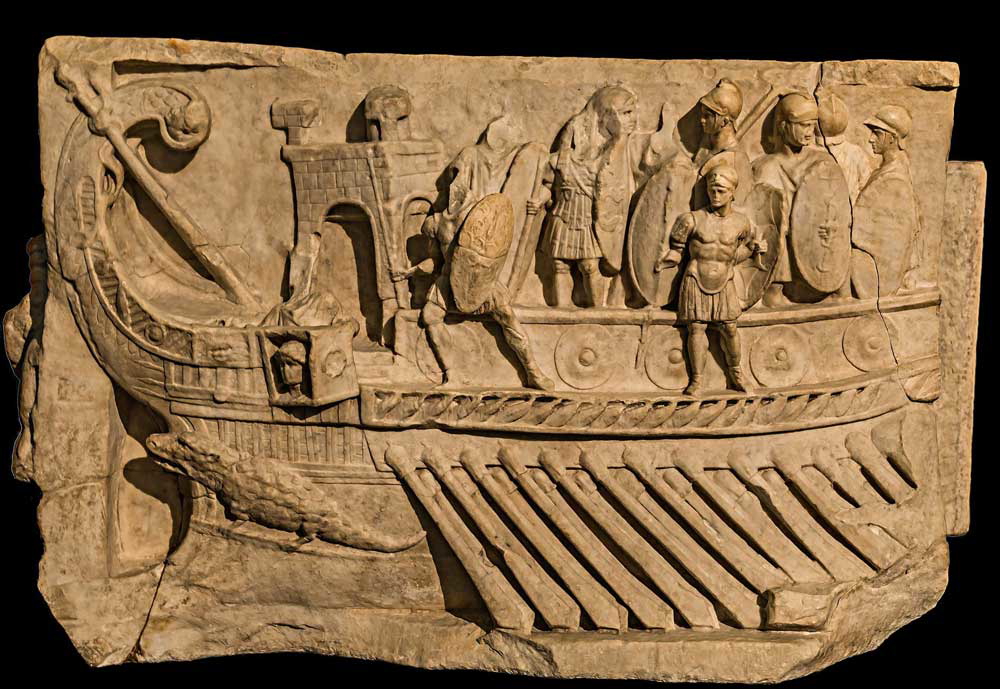
Seeing an opening in the chaotic melee, Cleopatra’s squadron of 60 Egyptian ships hoisted their sails and bolted straight through the gap, heading south for Egypt. Antony, seeing his lover and the treasury escaping, completely lost his nerve. He abandoned his flagship, boarded a smaller vessel, and sailed away after her, leaving his remaining soldiers and sailors to their fate. Demoralized by their leader’s desertion, Antony’s fleet fought on bravely for a few hours, but Agrippa used fire arrows and combustible chemicals to burn or capture most of the remaining ships.
Both Antony and Cleopatra committed suicide in Egypt the following year, while Octavian established himself as the undisputed leader of the Roman world. This was formalized a few years later, in 27 BC, when he was awarded the title Augustus, a title that would be used by Rome’s emperors for centuries to come. This battle marks one of the biggest turning points in Rome’s history, as the Republic was officially dead, and the Empire was born.
6. Why Did the Battle of the Milvian Bridge (AD 312) Change the Future of Global Religion?
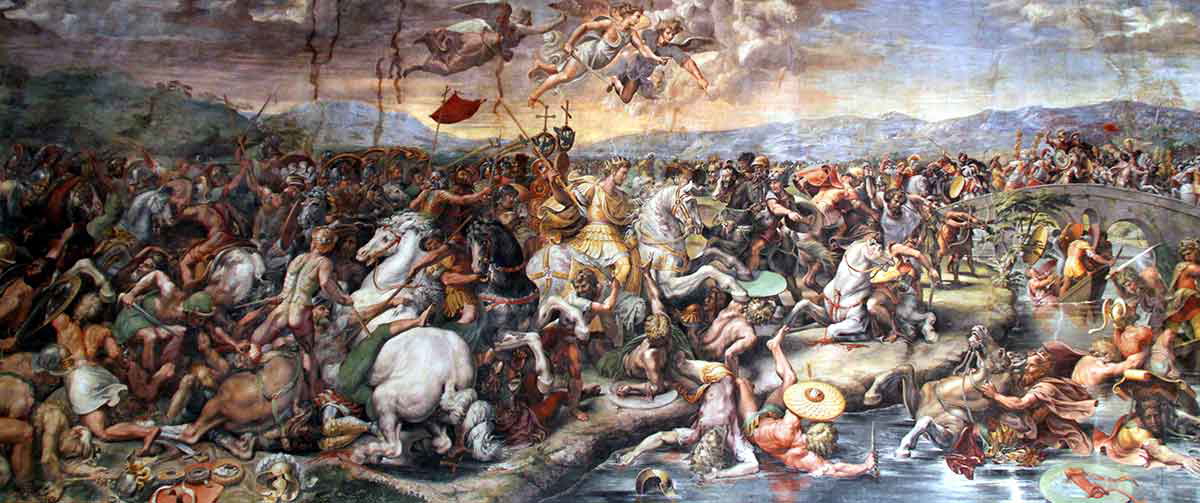
The Battle of the Milvian Bridge was a showdown between two claimants to imperial power in Rome, Constantine and Maxentius. While Maxentius controlled Italy, Constantine marched across the Alps with Roman soldiers from Britain and Gaul to assert his claim. Maxentius abandoned the safety of Rome and marched out to meet Constantine. He crossed the stone Milvian Bridge and a wooden pontoon that he constructed for additional support. He then deployed his men with their backs to teh Tiber River.
While the Sibylline Books reportedly assured Maxentius of his victory, when the pagan leader Constantine arrived on the battlefield, he reportedly had his own sign. He looked up at the sun and saw a vision of a cross of light in the sky. Beneath it were the words, in Greek, “in this sign, you shall conquer.” That night, Constantine claimed Christ appeared to him in a dream, telling him to use the sign against his enemies. The next morning, Constantine ordered his soldiers to paint a new symbol on their shields: the Chi-Rho, representing the first two letters of Christ’s name in Greek.
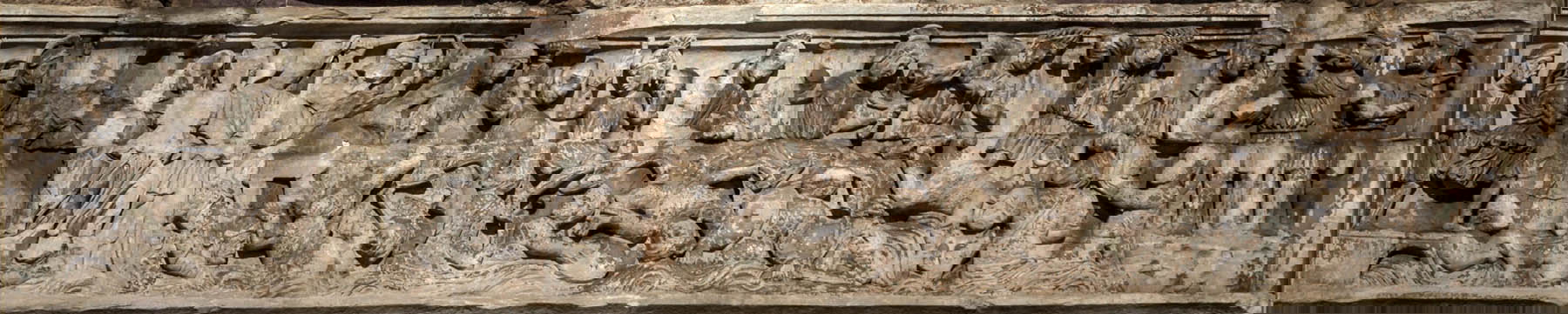
Constantine launched a ferocious cavalry charge that shattered Maxentius’s front lines. The elite Roman troops broke and panicked. Thousands of Maxentius’s soldiers tried to retreat across the narrow river into Rome. The bottleneck was a disaster. The temporary pontoon bridge collapsed under the immense weight of thousands of fleeing, armored men. Maxentius himself fell into the rushing Tiber River and drowned, dragged down by the weight of his heavy armor.
The day after the battle, Maxentius’s body was dragged from the river. Constantine had his rival’s head chopped off and paraded through the streets of Rome as he made his triumphant entry into the city. Constantine then fundamentally changed the trajectory of the Roman Empire by legalizing Christianity and moving the Empire’s capital to the East, constructing the grand new city of Constantinople.
7. How Did the Battle of Tours (AD 732) Halt Islamic Expansion in Western Europe?
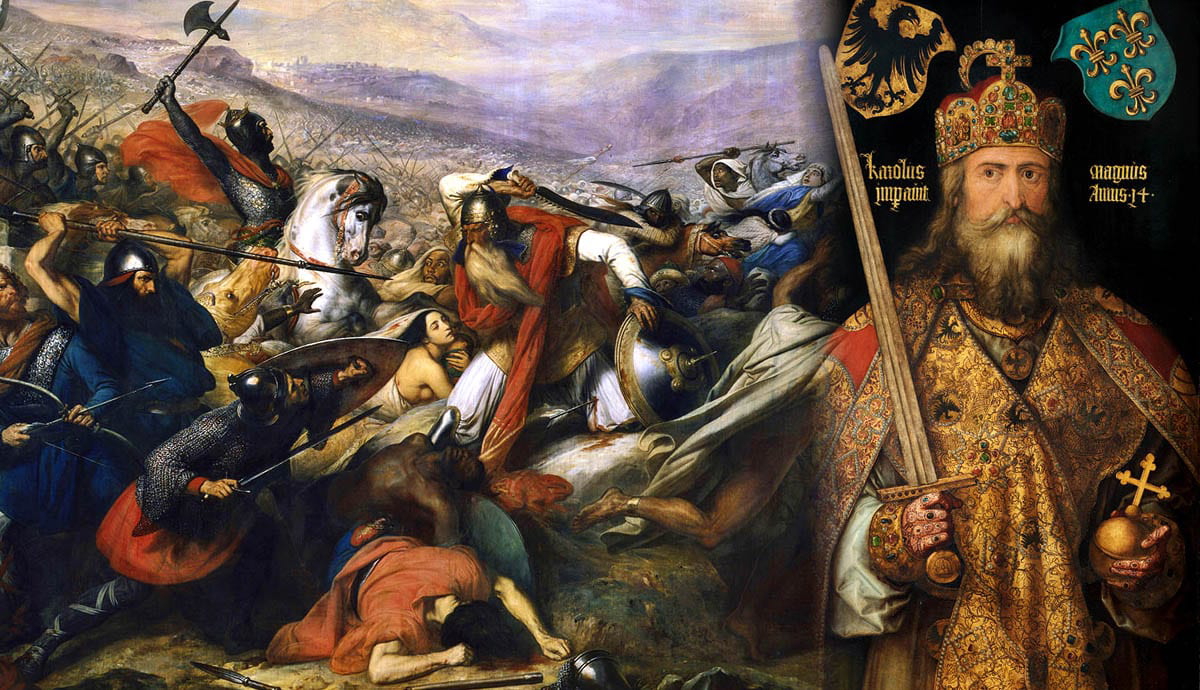
Out of all the battles on this list, the one that has been debated the most as to whether it is truly an “epic battle” is the Battle of Tours. Historically hailed as a triumph of Christendom over the invading Umayyad Caliphate, the significance of the clash has come into question in recent years.
The battle itself was a confrontation between the Umayyad Caliphate and a Frankish army led by Charles Martel. The previous decades had seen the Umayyad armies advance through all of Spain and now half of France. Odo of Aquitaine called for help to stop the invading army, and Martel was the first to respond. Protected by hills and forests, the Franks were able to catch the Caliphate’s forces by surprise. Withstanding their cavalry charges, Charles Martel was able to lead his army to drive off the Umayyad army, preventing their invasion force from advancing any further.
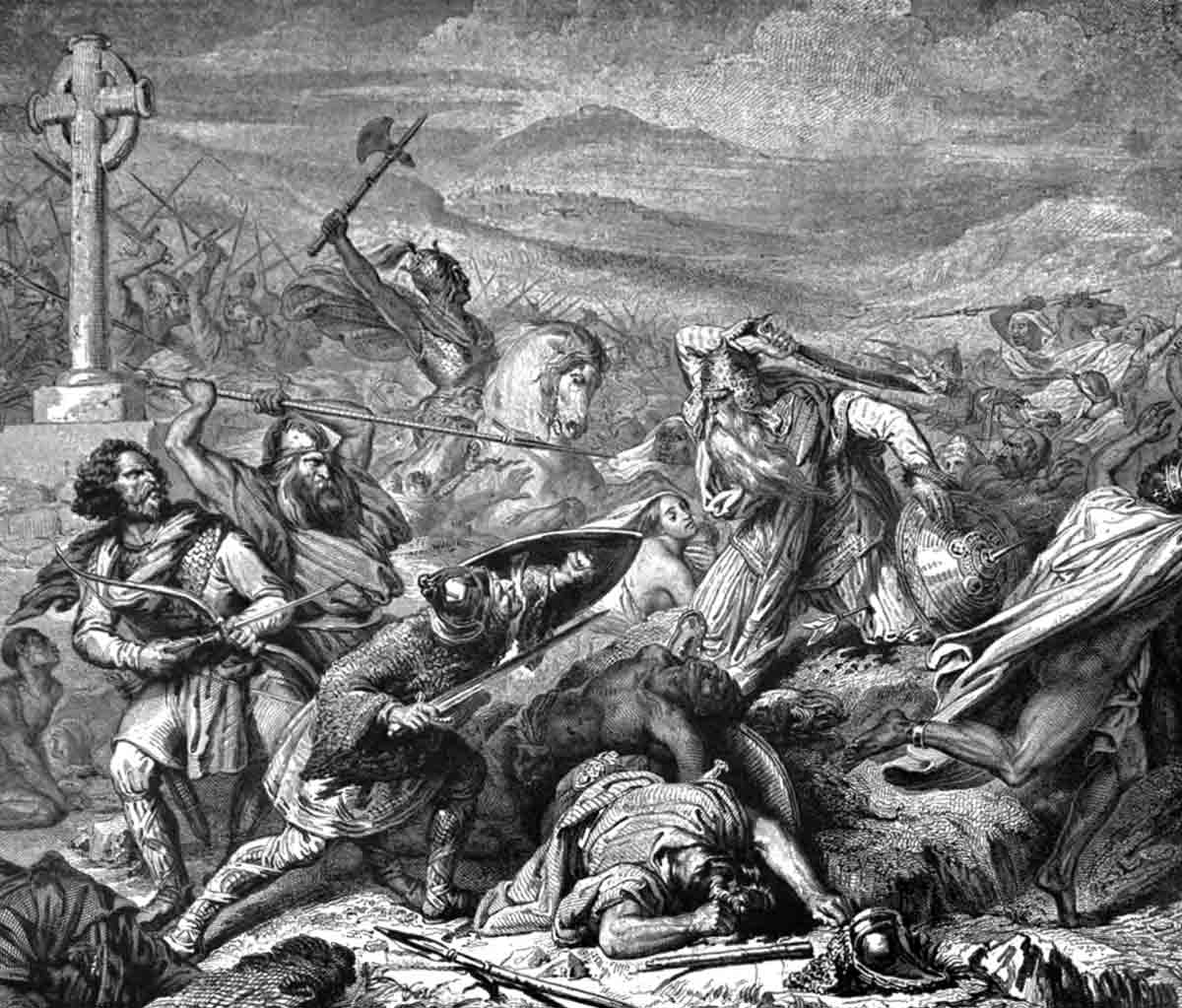
Traditionally, the Battle of Tours has been seen as a decisive moment that prevented Islamic expansion into Europe and solidified the Frankish kingdom. However, its importance has recently been revised by historians, arguing that the Umayyad army was just a raid and the Caliphate’s expansion into Europe was already at its limit. Moreover, contemporary sources, both Christian and Muslim, did not see the Battle of Tours as significant.
However, the importance of the battle only strengthened as centuries passed. Charles Martel used the victory to gain favor with the pope, eventually helping to usher in the Carolingian Renaissance. Regardless of its actual impact on the Umayyad invasion, the Battle of Tours would be used to frame conflicts between Christian Europe and the Islamic Middle East, even up to the present day. Although it may have been only a small skirmish that defeated a raiding party, its effects were felt throughout the ages.
8. Why Did the Failure of the Siege of Constantinople (AD 717-8) Save Early Medieval Europe?
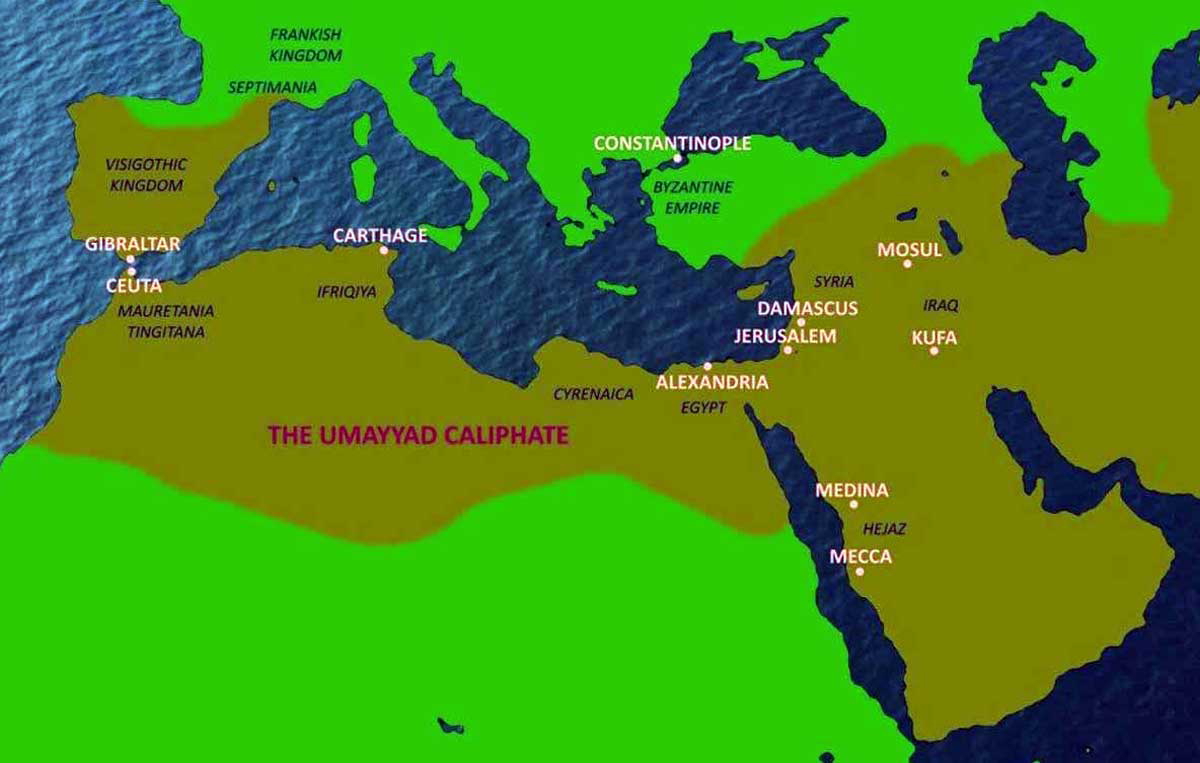
An even greater battle that may have had a greater effect on stopping the Muslim conquest of Europe was the Siege of Constantinople.
A few years before the Battle of Tours, the Umayyad Caliphate invaded the Byzantine Empire, which was gripped by internal political issues at the time. The Caliphate made easy gains and soon reached the capital of Constantinople, besieging it by both land and sea. A better-equipped, yet still daring, relief force of Byzantine sailors soon destroyed the Caliphate’s fleet, leaving the land army to struggle through a brutal winter. Reinforcing armies were defeated by both land and sea, and the Caliphate was soon forced to abandon the siege. To add further devastation, the retreating armies were wrecked by storms on their way home.
Unlike Tours, the siege continues to be seen as a bulwark against Arab expansion. Constantinople was abandoned as a target in favor of quick raids and border skirmishes. The Byzantine Empire was also strengthened, unifying again under Leo III, and would continue to dominate the region for the following centuries.
9. What Was the Strategic Significance of the Battle of Hastings (1066)?
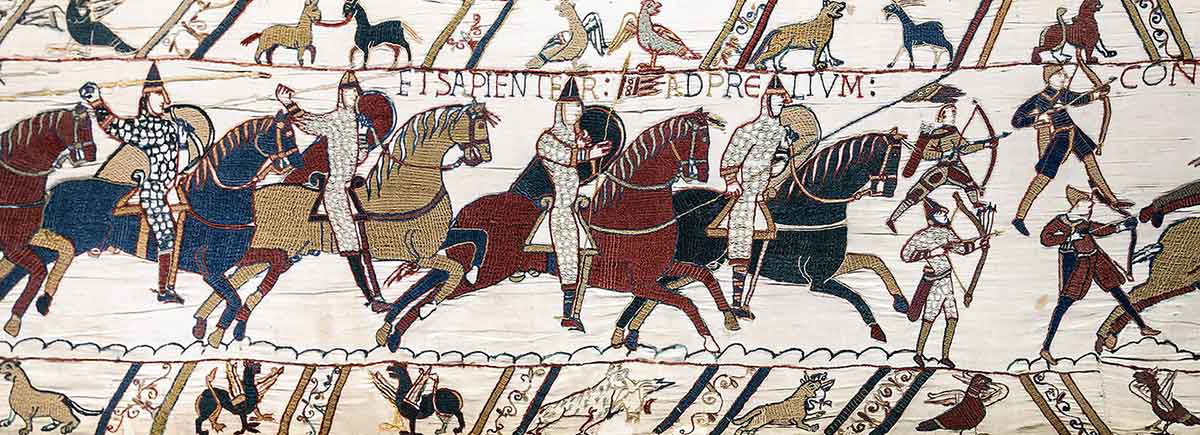
Apparently, Edward the Confessor, the childless Anglo-Saxon king, had promised both the Duke of Normandy and Harald Hardrada, the King of Norway, that he would name them as his successor. But when he died, he was succeeded by the English nobleman Harold Godwinson. As a result, both men attacked in 1066, the Norwegians from the north and the Normans from the south, leaving Godwinson to prepare for a war on two fronts.
Hardrada landed first, taking the city of York. Godwinson executed a swift march north and managed to defeat Hardrada at the Battle of Stamford Bridge on September 25th. William of Normandy landed in England just three days later, forcing Godwinson to march his exhausted troops back south. They would face the Normans in the Battle of Hastings on October 14 and lose. Reportedly, the Anglo-Saxons lost 2,000 men to the Normans, 4,000 men, but no bodies have ever been found, making it challenging to reconstruct the details of the battle.
The Battle of Hastings had a major impact on English history, placing a Norman ruling class over the Anglo-Saxon population. This fundamentally changed the language, architecture, and culture of the island. It also removed England from the Viking sphere of influence and tied it to continental Europe, embroiling the island in conflicts with France, Spain, and beyond for centuries to come.
10. How Did the Sack of Constantinople (1204) Shatter Christendom From Within?
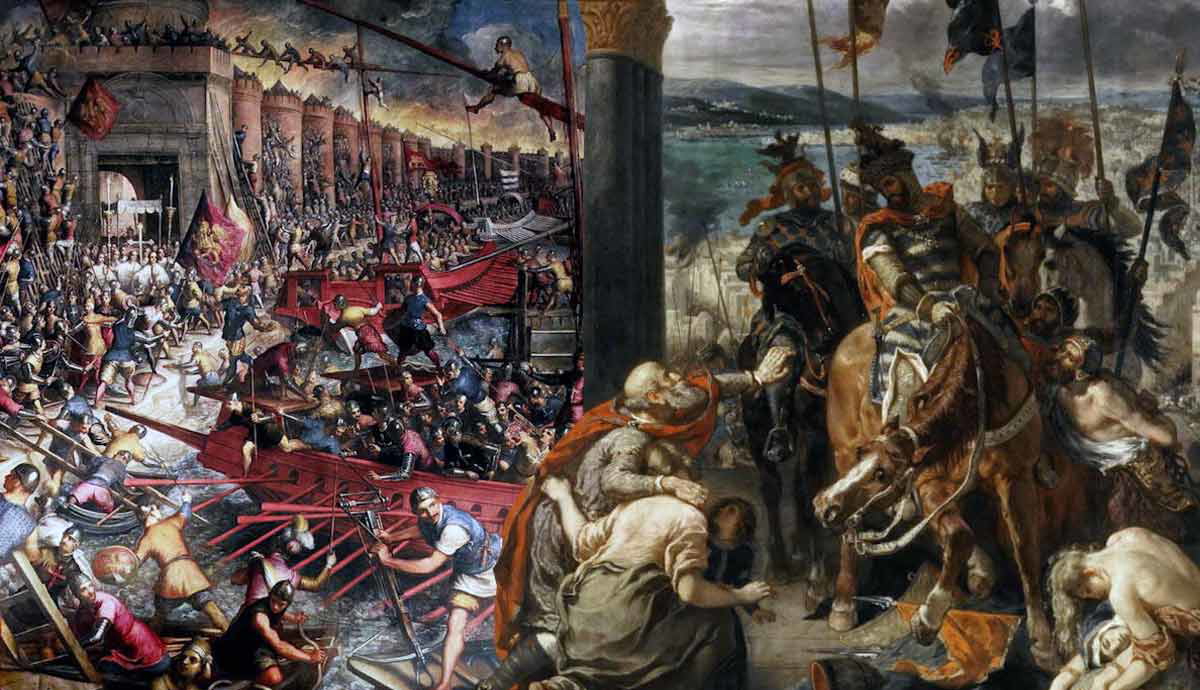
The Byzantines would not be able to hold out forever. This time, the threat came from the West. In 1204, the Sack of Constantinople would help accelerate the downfall of Christianity in Anatolia.
In 1202, a Crusader army gathered at the request of Pope Innocent III to retake Jerusalem and defeat the Egyptian Sultanate. Departing from Venice, this invasion force was beset by issues from the very beginning. A number of factors had meant that the turnout for the Crusade was much lower than anticipated, standing at just over 10,000 instead of the 30,000 expected. As a result, the Crusaders were unable to pay the Venetian shipbuilders they had hired to prepare their fleet. Refusing to let them leave, the Venetians forced them to divert their aims to repay their debts. This led to the first attack against Christian armies by Crusader forces, who looted the city of Zara, which had recently rebelled against Venice.
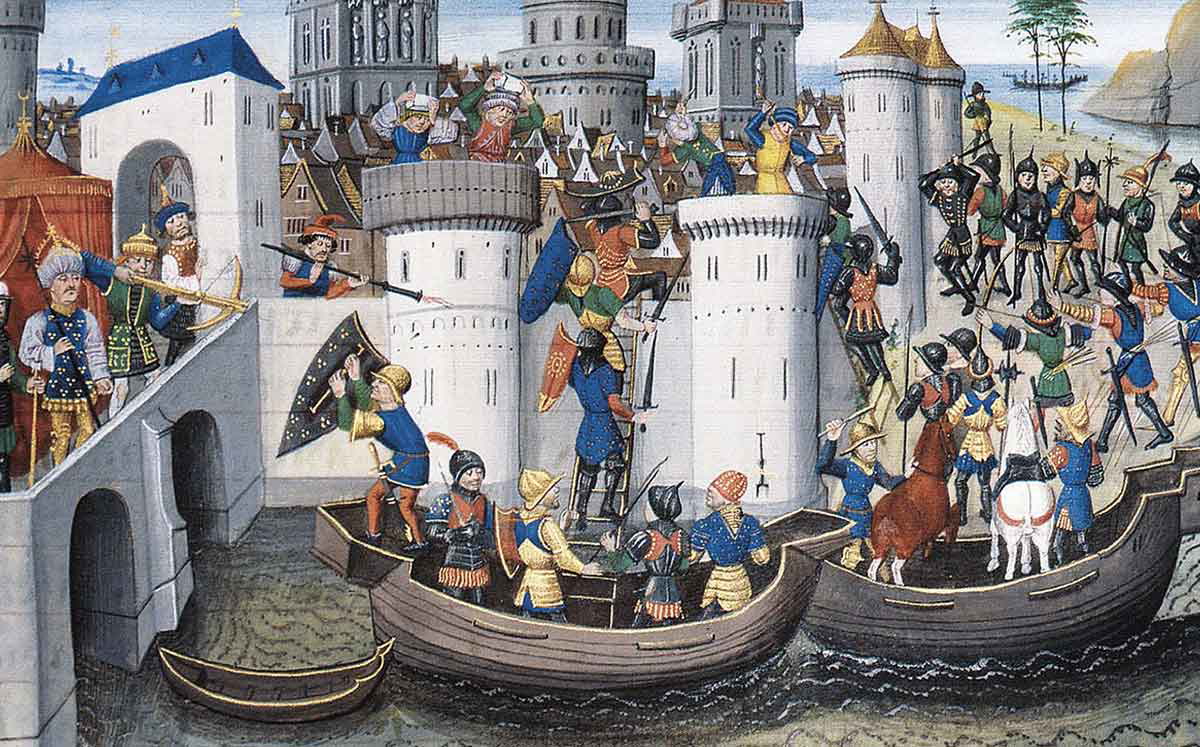
Continuing on to Jerusalem, the Crusader army was then diverted to Constantinople, where they aimed to put Alexios, the son of Emperor Isaac II Angelos, on the Byzantine throne. When he was overthrown and murdered, the Crusaders attacked and looted the city for three days, stripping it of its significant riches. Many soldiers were outraged by this. Thus, they returned home and did not continue on the Holy Land as intended, disintegrating the crusading army. They were soon defeated by the vastly superior Sultanate forces, ending the Fourth Crusade in disgrace.
The major effect of the crusade was the destruction of Constantinople. As previously seen, the city was the main defense against expansion from the east. The Byzantine Empire was now fragmented and severely weakened, losing an enormous amount of wealth in the looting of its capital. Unable to restore its previous strength, the empire continued to decline and was eventually defeated when the Ottomans seized the city in 1453. Had the Fourth Crusade not crippled the Byzantines, it may have been able to withstand the challenge of the Ottomans.
11. How Did the Siege of Orleans (1428-9) Change the Course of the Hundred Years’ War?
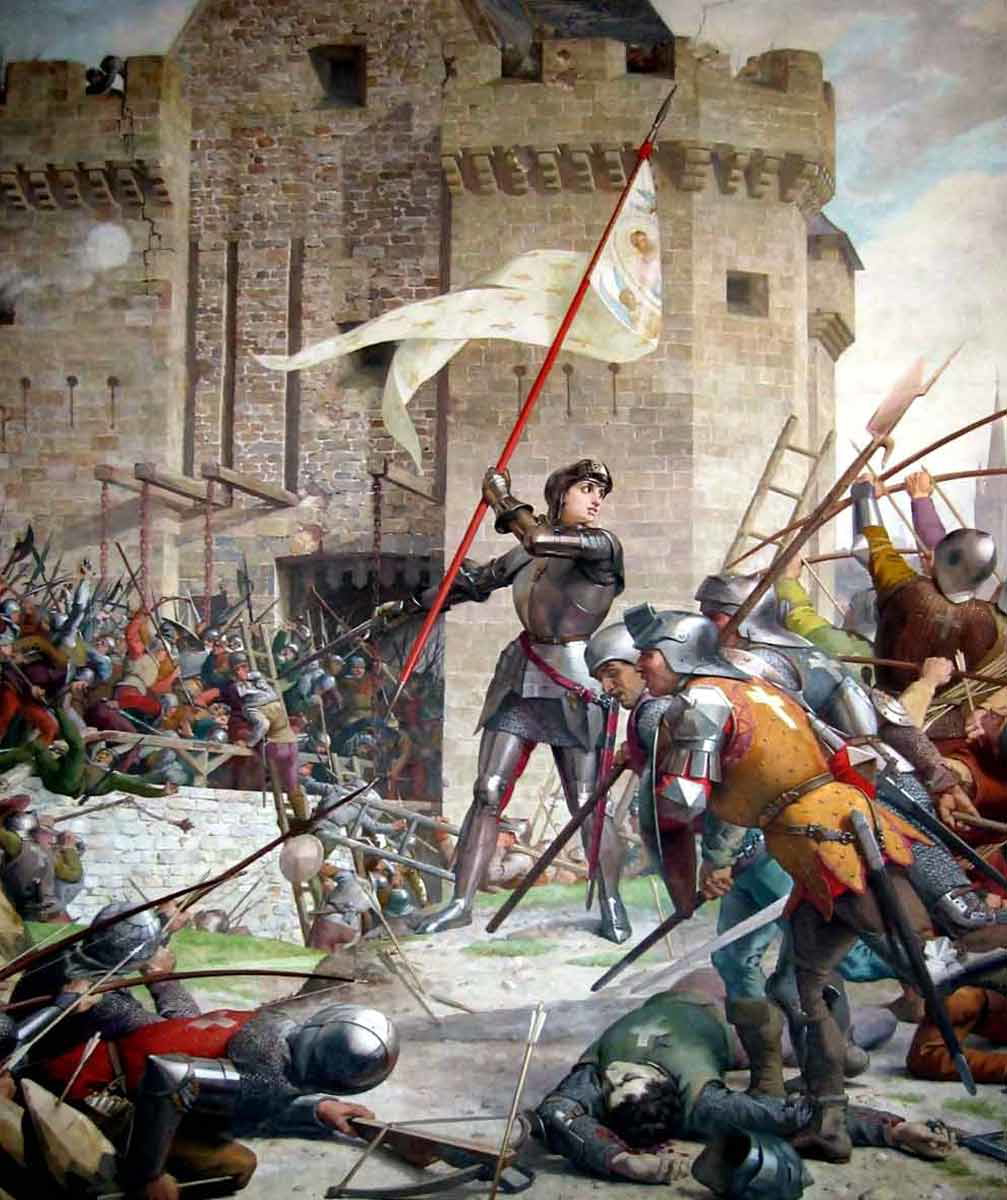
England has done well to highlight the epic battles of the Hundred Years’ War in which it was victorious: Agincourt (thanks to Henry V), Crecy, and Poitiers in particular. However, the most decisive and most miraculous clash of the conflict was the siege of Orleans.
In 1428, England was at its strongest in France. Key battles and an alliance with Burgundy had brought the English to the precipice of a decisive victory over the French. They descended upon the city of Orleans, hoping its capture would lead to the capitulation of the rest of France. French nobles urged the dauphin (the heir apparent to the throne) to surrender and withdraw south, potentially even to Scotland. The Duke of Bedford, leading the siege, rejected the offer, believing the city would soon fall. This angered his Burgundian allies, who left the English to besiege the city by themselves.
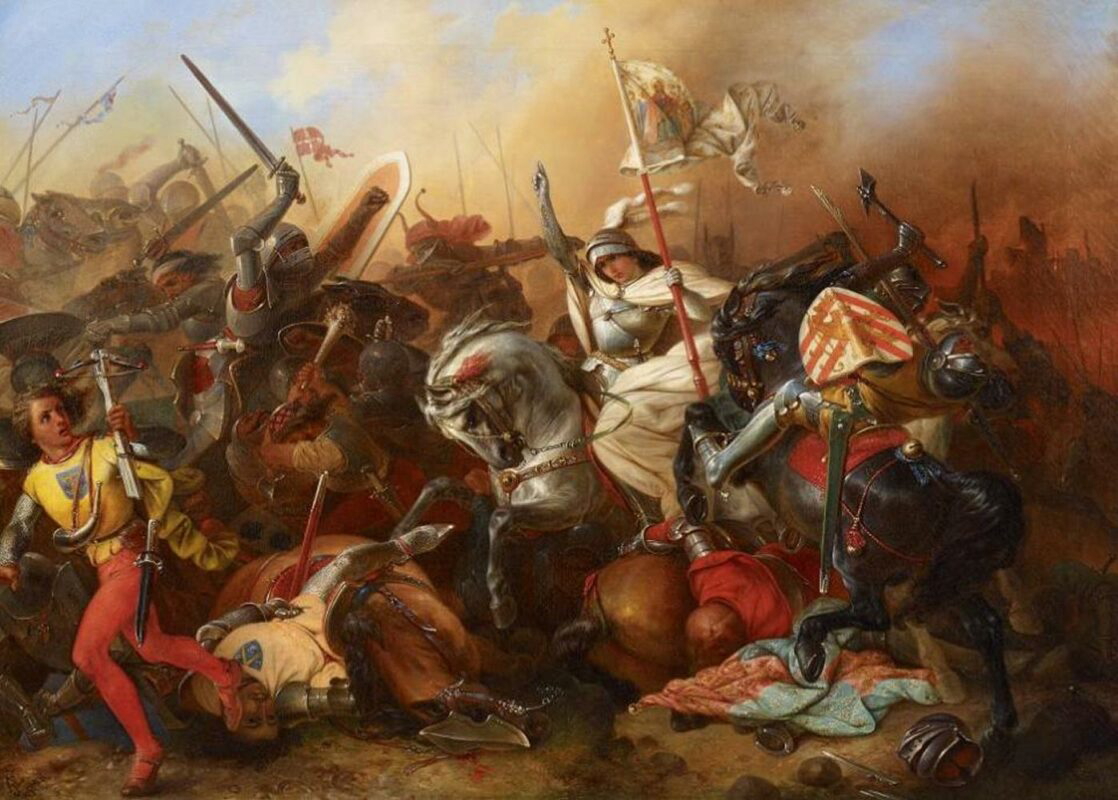
It was at this time that the timely arrival of Joan of Arc, an unknown peasant girl up to this point, helped lift the siege. Believing she was on a mission from God to have the dauphin crowned, she managed to rally the defenders into several daring raids on the besieging army, breaking them within nine days. News of the victory brought a groundswell of support, and a bolstered army marched on to Reims, where the dauphin was eventually crowned.
The French continued to reverse English gains, eventually driving them out of almost all of France by 1453 and ending the war. The heroic, last-minute arrival of Joan of Arc has been immortalized in paintings, statues, and films. Had Orleans succumbed to the English, the entire landscape of Europe would have likely been vastly different.
12. How Did Admiral Yi Sun-sin Achieve the Impossible at the Battle of Myeongnyang (1597)?
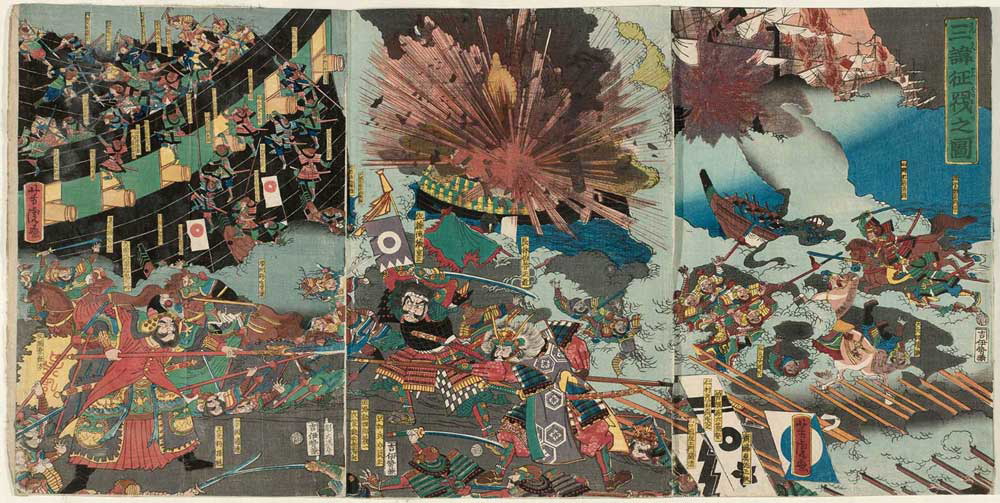
Perhaps the greatest upset on this list, the epic naval Battle of Myeongnyang was the master stroke of one of history’s greatest military commanders: Admiral Yi Sun-sin.
In the midst of the Japanese invasion of Korea, Yi had been a victim of internal politics and the incompetence of rival admirals and politicians. As a result, any successes he had managed to make were quickly reversed by the Japanese. A disastrous defeat had rendered the Joseon navy almost useless, left with 13 warships and 1,500 men, compared to an estimated 200-300 ships for Japan. The invading army thought it now had an open path to the Yellow Sea and would be able to ferry supplies and reinforce its forces on the mainland.
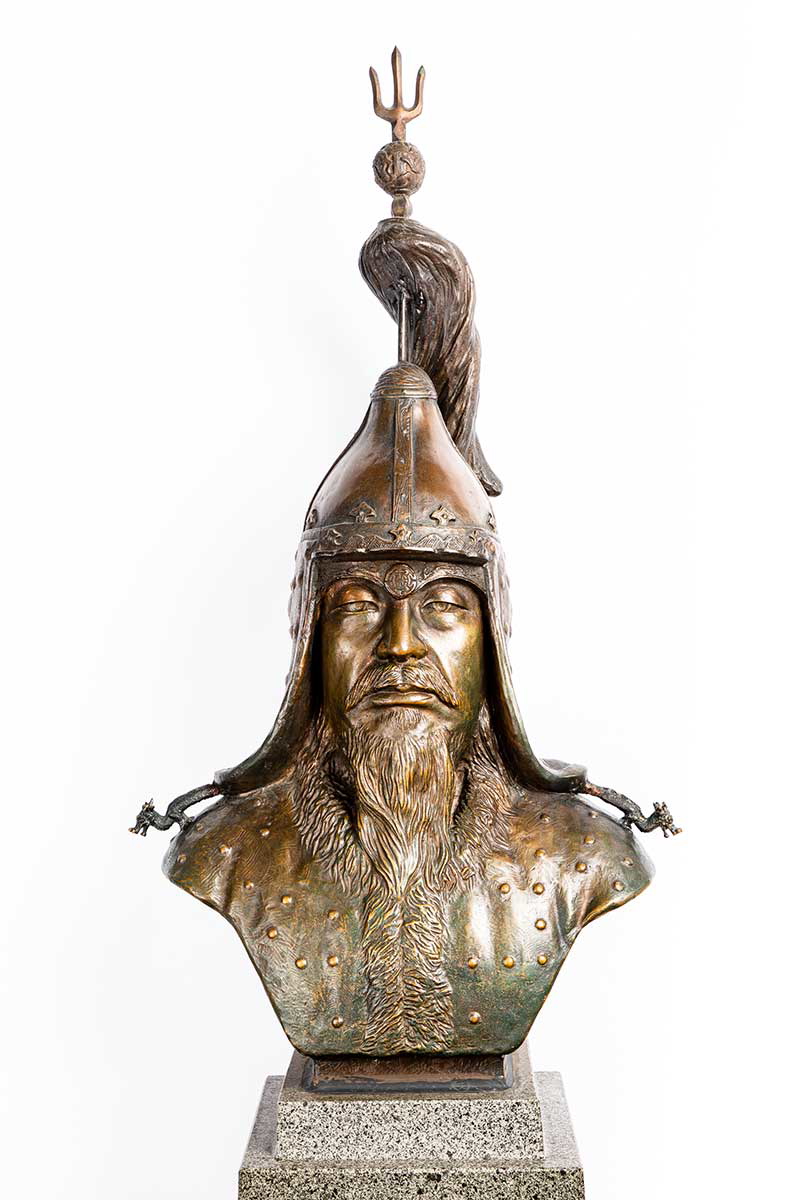
Yi prepared extensively for what he realized would be a decisive battle. He established himself in a narrow passage of the Myeongnyang Strait, where he felt he could use the tide and landscape to help with his defense. Like at Salamis, soon after the battle began, the larger Japanese force was stuck in the Strait, making it easy for Yi to line up his ships and destroy much of the fleet. The Japanese admirals soon had to retreat and attempt to attack the western coast of Korea. However, assistance from Ming forces meant they eventually had to withdraw.
Myeongnyang turned the Korean campaign into a disaster for Japan, leading to political instability and the decisive battle of Sekigahara. Had it not been for Yi’s tactical brilliance, the Joseon Kingdom may have crumbled soon after.
13. Why Was the Battle of Borodino (1812) the Bloodiest Turning Point of the Napoleonic Wars?
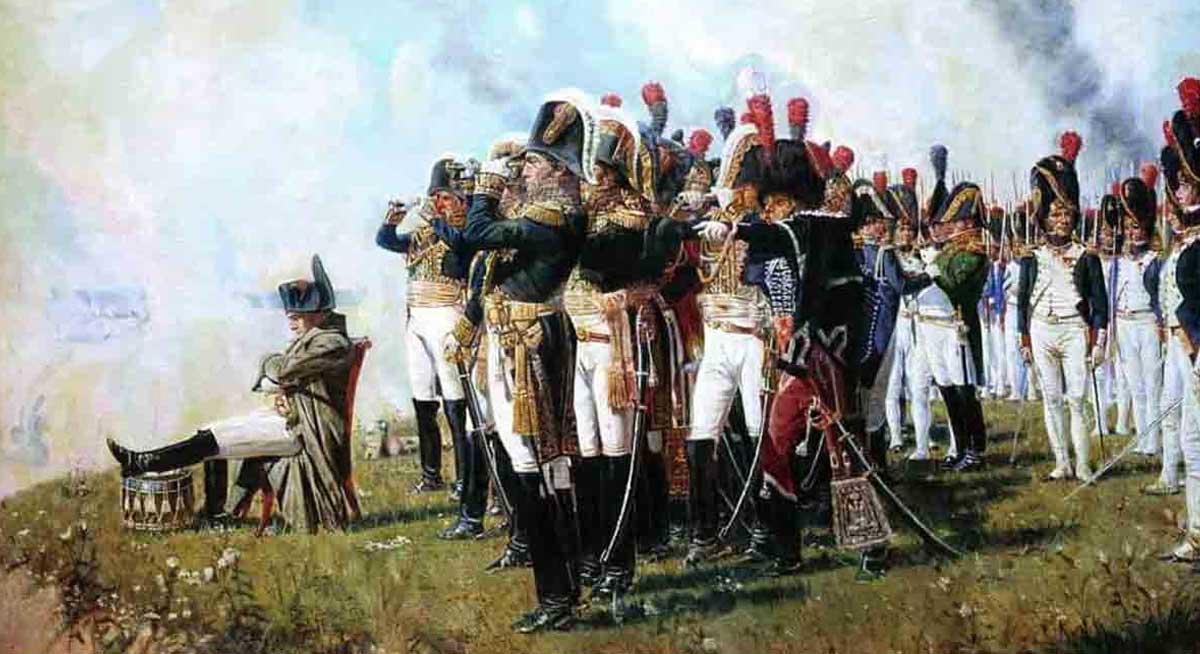
Austerlitz and Waterloo receive the most attention as epic battles of the Napoleonic Wars. The bloodiest, and maybe most important, however, was the Battle of Borodino. After a series of stunning French victories, Borodino was the Russian obstacle that would eventually lead to the disintegration of Napoleon’s empire.
The Grande Armée began its invasion of Russia in 1812 and saw a number of successive victories. The inferior Russian army attempted to chip away at the invading forces without engaging them in the field. Slowly pushed back further and further, the newly appointed Field Marshal Kutuzov decided to take a stand at Borodino, a town just outside of Moscow. The battle involved around 300,000 men, as the French attempted to seize key strategic points from which they could launch an assault on Moscow itself. The Russians resolutely defended their position, incurring huge French casualties.
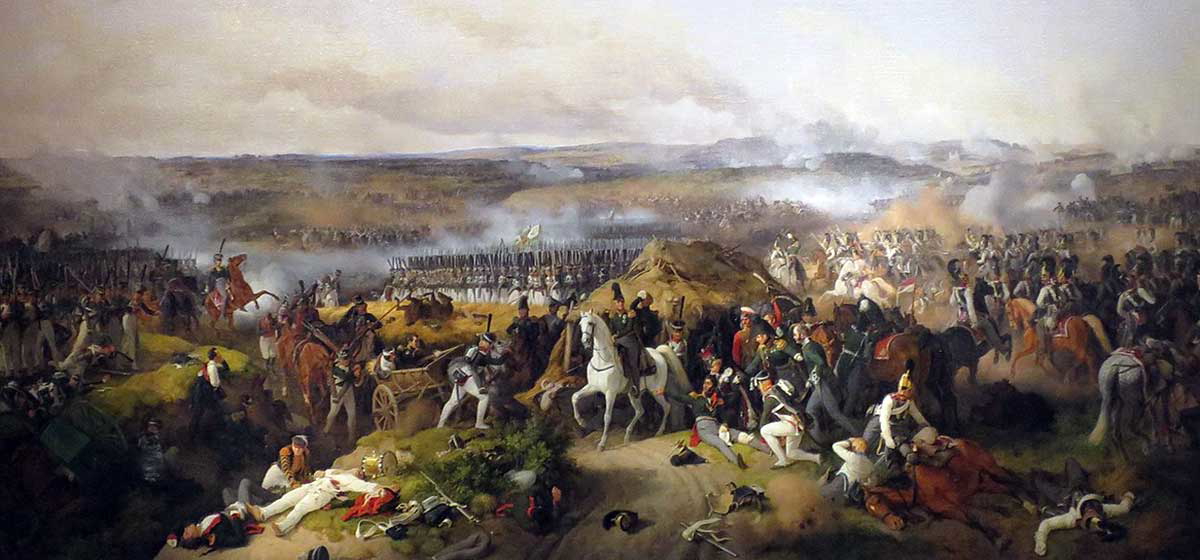
Napoleon eventually emerged as the winner, forcing Kutuzov to withdraw. In a moment that has been analyzed extensively by historians since, Napoleon refused to commit his guard troops and decisively smash the Russian army, fearing fiercer resistance and further casualties. Able to retreat back to Moscow, Kutuzov decided to abandon the city, devastating the land around it to make it unusable by the pursuing French forces.
Baited into the city, the severely weakened Grande Armée was made to wait for a surrender that never came. Overstretched supply lines and a ransacked city meant the French were forced to withdraw as winter came, beginning the long march which would eventually end in the destruction of Napoleon’s empire.
Although a French victory, the inconclusive nature of the battle meant that it was a crucial turning point in Napoleon’s conquest. The annihilation of the Grande Armée as the French soldiers retreated from Moscow due to the cold, starvation, disease, and harassing Russian troops left France severely weakened, culminating in a decisive defeat at the Battle of Leipzig.
14. How Did the Battle of Warsaw (1920) Halt the Global Spread of Communism?
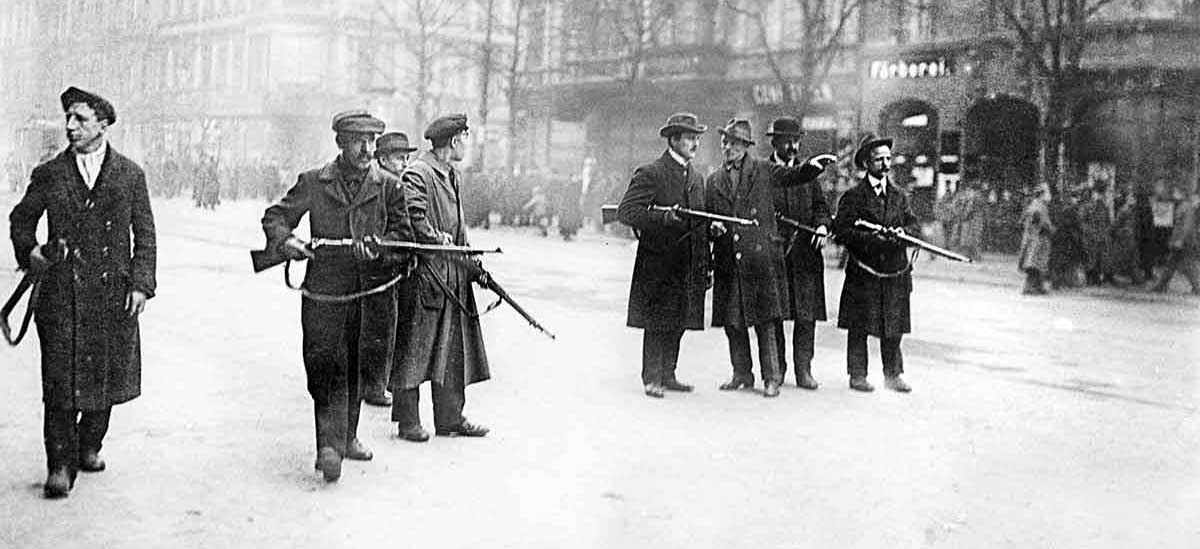
Due to the titanic scale of each World War, many conflicts and epic battles of the interwar period are often overlooked. This is especially the case in Eastern Europe, where newly formed states from the remnants of the German, Austro-Hungarian, and Ottoman Empires were trying to establish themselves.
No different were Poland and the Soviet Union. The former was created by the Treaty of Versailles, and the latter in the midst of a revolution and civil war. In 1920, the Bolshevik leadership had fended off challenges from opposing White Russians and was securing the last parts of its vast new empire. Now, they looked to expand communism internationally, with Poland as its primary target.
Soviet armies made quick inroads at the start of the war, shattering the fledgling Polish forces and making any attempts at counterattacks almost impossible. By August, a Soviet victory seemed imminent, with Bolshevik forces approaching Warsaw. In a plan called ridiculous by Polish commanders (and deemed suicidal by the Soviet command) a last-ditch surprise counterattack from the south threatened to cut off Russian supplies, which were already overextended. Luckily, cracked Soviet codes meant Polish soldiers were able to move quickly, forcing the Bolsheviks to retreat.
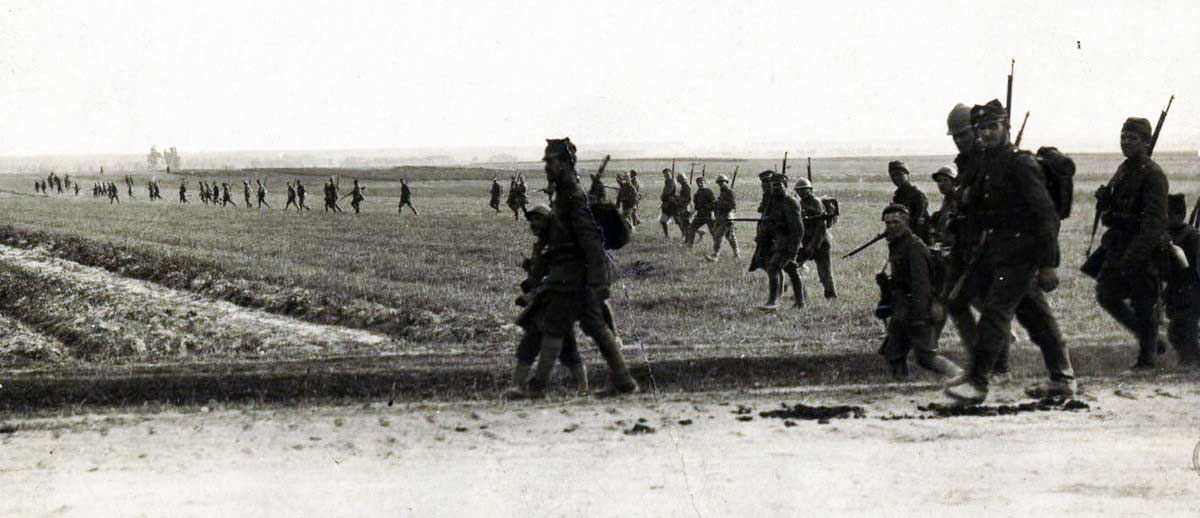
The failure to take the Polish capital meant that the Soviet Union was unable to pose a serious threat again. The Russian High Command blamed Joseph Stalin, who at the time was in charge of a contingent of Soviet forces. It is reported that he disobeyed orders to reinforce Commander Mikhail Tukhachevsky, instead trying to seize glory for himself by capturing the city of Lvov (now Lviv).
Poland was able to sign a peace deal guaranteeing its independence (for now) and stopped the spread of communism further westwards in Europe. Had it not been for the last-ditch attempt of Polish defenders, the Soviet Union would have likely conquered Poland and pushed on to Germany, where they had more support waiting to launch another revolution. The epic battle has since been described as the “Miracle on the Vistula.”
15. How Did the Battle of Stalingrad (1942-1943) Turn the Tide of World War II?
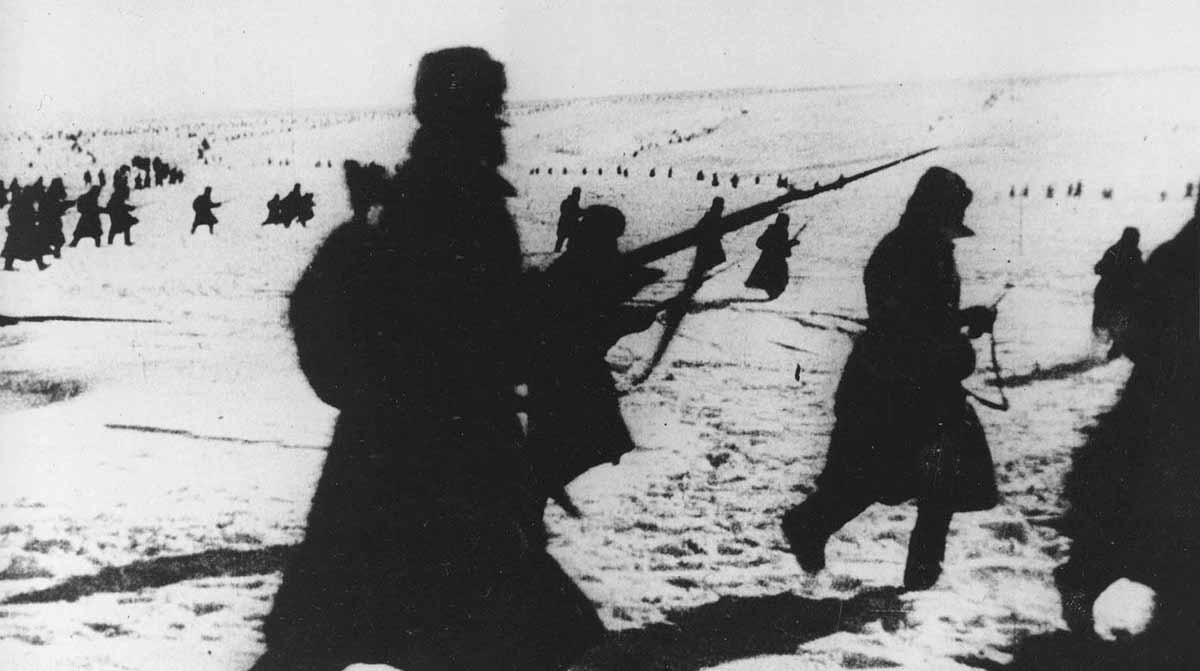
Arguably the most pivotal and epic battle in terms of scale, the Battle of Stalingrad was also the most devastating. The battle witnessed up to 4 million casualties and 1.5 million deaths, and shifted the tide of the most significant conflict of the 20th century.
In 1942, Nazi Germany was in complete control of Europe. It had chased the Allies out of France two years previously, and was advancing through the Soviet Union at a rapid pace, targeting the oil fields in the Caucasus, which would drive its future expansion.
As his forces advanced, Hitler became obsessed with taking the city that bore his rival’s name, Stalingrad. Instead of focusing on a general advance, he poured manpower and resources into the attack, further stretching the supply lines of Army Group South.
Fierce fighting descended on the city, with close-quarters urban combat and even the return of trench warfare. At the most dire part of the battle the Germans got within 100 meters of the Volga River, which would have completely cut off Soviet reinforcements in the city. Waves of defenders rushed across the river to hold the city, and the Germans were unable to completely break resistance.
The city held, and winter helped further grind the battle to a standstill. This gave the Soviet commanders the chance to regroup and plan a counterattack, which they launched on November 19. Codenamed Operation Uranus, a rapid attack broke through the Axis flanks and surrounded the city. Germany had concentrated all of its resources in Stalingrad, leaving weaker Italian, Hungarian, and Romanian forces to defend either side of their front. With the city encircled, Soviet troops slowly closed their trap, pressing the Germans into smaller and smaller pockets.
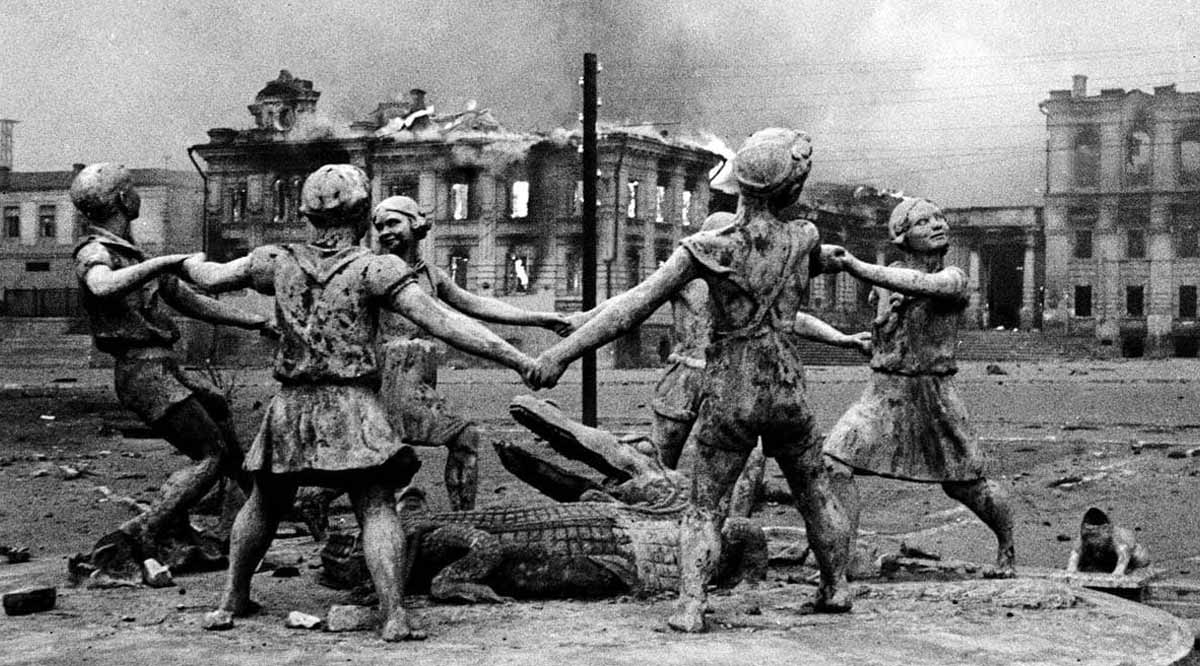
Hitler refused to allow the Sixth Army to break out, leaving them to be reinforced by air. Once this became untenable, its leader, Field Marshal Friedrich Paulus, was forced to surrender, becoming the first German Field Marshal to ever do so. The Sixth Army was the first German force to surrender in the Second World War.
The defeat sent shockwaves throughout Europe, reinvigorating Soviet forces and shocking Germany. For the first time, Nazi propaganda admitted failures (although it did try to keep the public from the full extent of defeat). Both inside and outside Germany, the image of an unstoppable Nazi war machine was shattered and turned the tide of the war. From that point on, Soviet forces kept advancing towards Europe, going all the way to Berlin. Had Hitler triumphed at Stalingrad, Germany would likely have become unstoppable and won the war, making this epic battle a strong contender for the most important battle in history.