





About Magnus Wijkander
Magnus is an independent researcher with an MSc from Radboud University, Nijmegen in Cognitive Neuroscience with a minor in Neurophilosophy. Their interests lie in the philosophy of science, metascience, and the workings of the brain.
Education
MSc Cognitive Neuroscience with Minor in Neurophilosophy
Radboud University, 2022
BA Cognitive Science
Gothenburg University, 2020
Areas of Expertise
About Magnus Wijkander
Magnus is an independent researcher with an MSc from Radboud University, Nijmegen in Cognitive Neuroscience with a minor in Neurophilosophy. Their interests lie in the philosophy of science, metascience, and the workings of the brain.
Education
MSc Cognitive Neuroscience with Minor in Neurophilosophy
Radboud University, 2022
BA Cognitive Science
Gothenburg University, 2020
Areas of Expertise
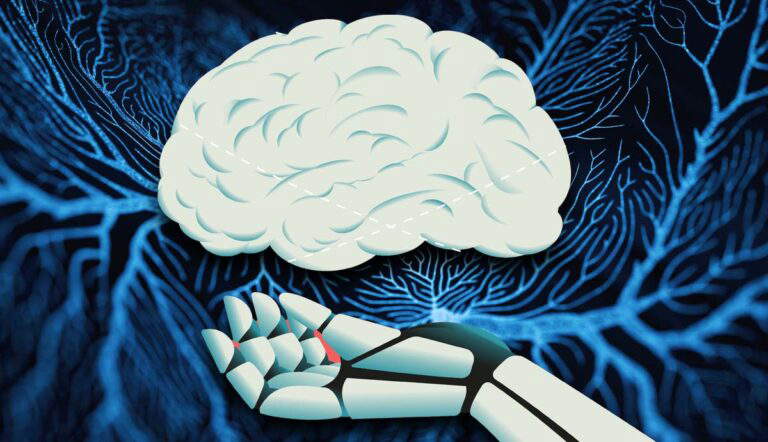
Who Actually Owns Your Thoughts in the Age of Neuroscience?
Explore the encroaching ethical crisis of brain colonization and the struggle to protect the last bastion of human privacy.
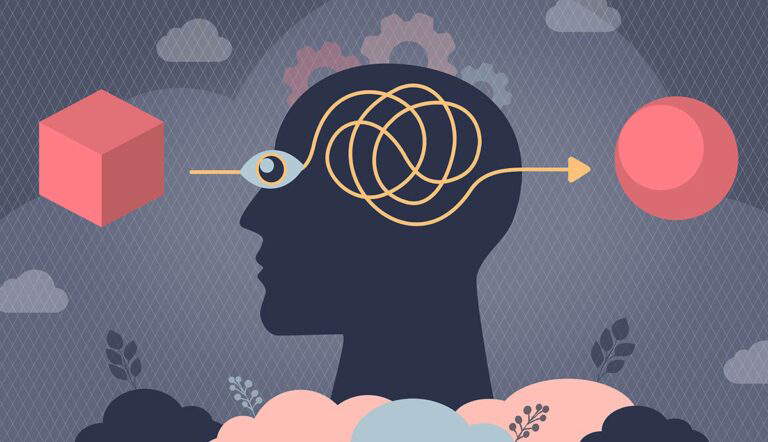
How Neuroscience Is Shaking the Foundation of Our Legal System
Can brain scans predict criminal intent? We examine the tense collision between modern neuroscience and the age-old foundations of our justice system.

Why Is the Explanatory Gap the Unsolvable Problem of Neuroscience?
The Explanatory Gap is the challenge of reconciling subjective mental experience with the objective physical processes studied by neuroscience.
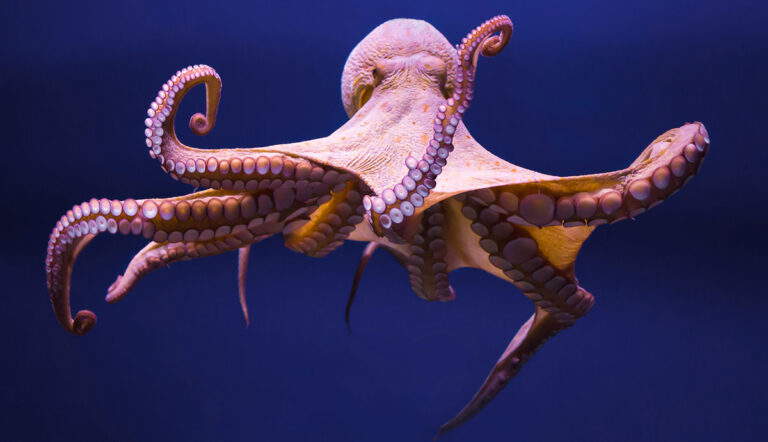
What If Cephalopods Are the Closest Thing to Alien Intelligence?
What if the most profound encounter with a truly alien intelligence isn’t light-years away, but lurking beneath the waves of our oceans and seas?
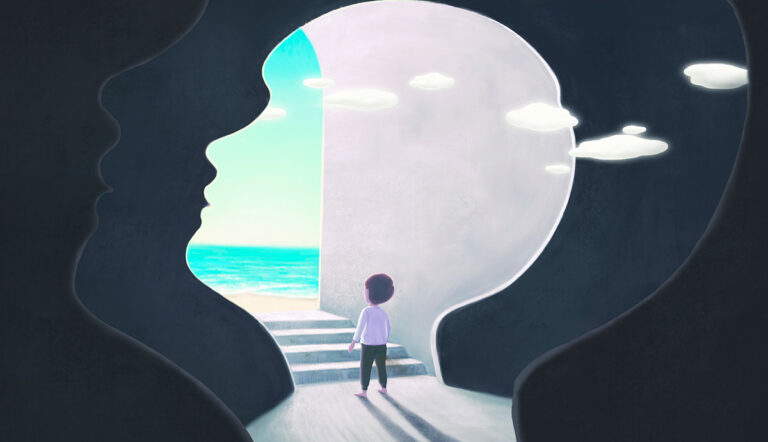
Why Choose Idealism? The Case for a Mind-Dependent Reality
Idealism is the view that reality is fundamentally mental and is taken to contrast physicalism directly. What is the argument for idealism?
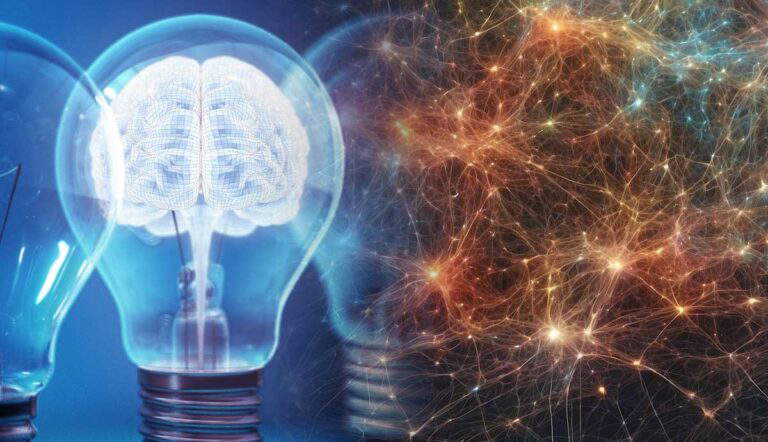
Metaphors in Brain Science Can Be Misleading and Here’s Why
Metaphors in brain science shape our understanding. While offering valuable insights, they can also mislead. As science progresses, new metaphors emerge, reflecting our evolving knowledge.

What Is Naturalism? (Definition & Criticism)
Naturalism is the metaphysical assumption that makes modern science possible. Is naturalism justified and viable?

What Are the Arguments Against Physicalism?
Thanks to physics, physicalism has been a strong metaphysical position, but over time, confidence in it has slowly been eroded.

Are We Prediction Machines? Predictive Processing & Brain Science
Predictive processing unifies brain function, treating action and perception as two sides of the same coin and possibly extending beyond.

Can Science Change How Humanity Views Itself?
Science has continuously reshaped our self-perception, shifting from metaphysical to naturalistic views, highlighting the fallibility of the human mind.

Positivism: Is it Dead?
The philosophy of science was shaped by positivism from the 19th century to the 20th century. What caused its fall from grace?

Split-Brain: Two Selves in One?
The nature of self is a philosophical problem that has truly stood the test of time—split-brain patients are one of the few times something tangible may give us insights into it.