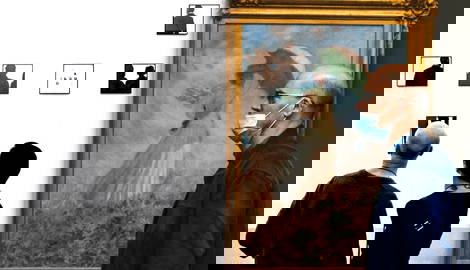

Many of the world’s most valuable masterpieces are not on displayed at the biggest museums or eveb in public spaces. Instead, they’re bought and sold by a select few billionaires and reside in their private art collections. Who are the supe-rich who own some of the world’s most incredible art? Discover the ten most valuable private art collections and the billionaires who own them.
10. Charles Saatchi – Value of Collection: $1 Billion+
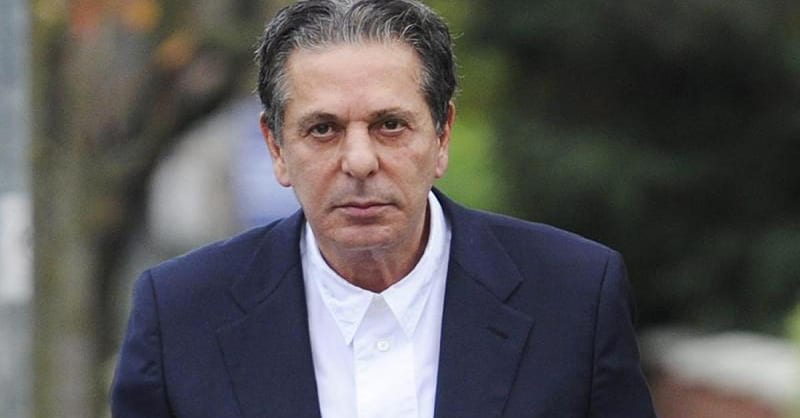
Saatchi is unique in a couple of ways. Not only is he an art collector, but a dealer in the traditional sense as well. Plus, when he decides to sell pieces from his collection, he tends to do so online, foregoing the classic auction houses of Sotheby’s and Christie’s.
Charles was co-founder of the advertising agency Saatchi & Saatch, the world’s largest advertising agency in the 1980s. He applied his aggressive, media-savvy advertising mindset straight to the art market. He single-handedly reshaped the global art market, invented the concept of the “super-collector,” and turned British contemporary art into a multi-billion-dollar global phenomenon.
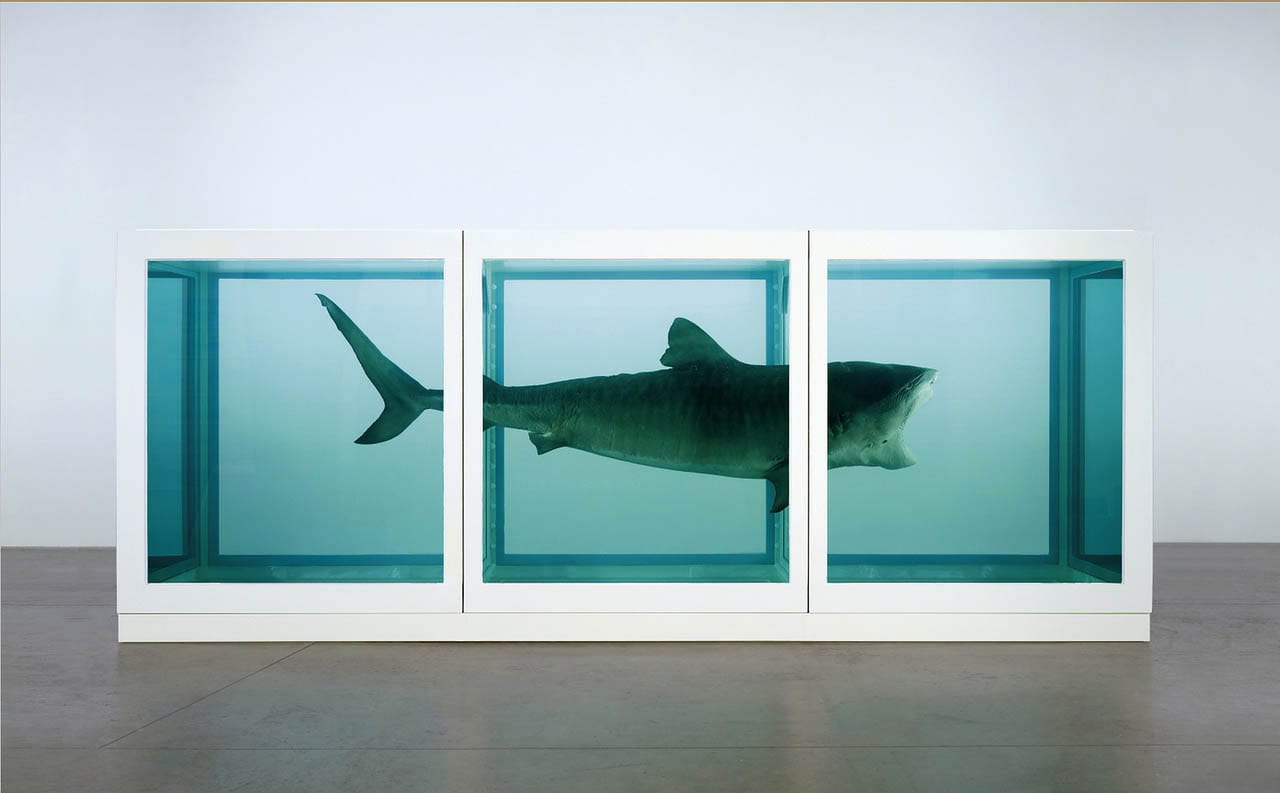
Focusing on Middle Eastern art, he’s a household name in the art community and an important benchmark of the industry. His collection also contains notable works by Tracey Emin, Damien Hirst, and other contemporary British artists. Among the most famous works once in his collection are The Physical Impossibility of Death in the Mind of Someone Living by Damien Hirst, which he sold in 2004, and No Woman, No Cry, by Chris Ofili.
Although the exact value of his art collection is unknown, he’s been known to sell hundreds of thousands of dollars’ worth of art at any given time. In the early 2000s, he sold 90 pieces to David Walsh, an eccentric Australian multi-millionaire who made his fortune inventing gambling algorithms.
9. Bernard Arnault – Value of Collection: $1 Billion+
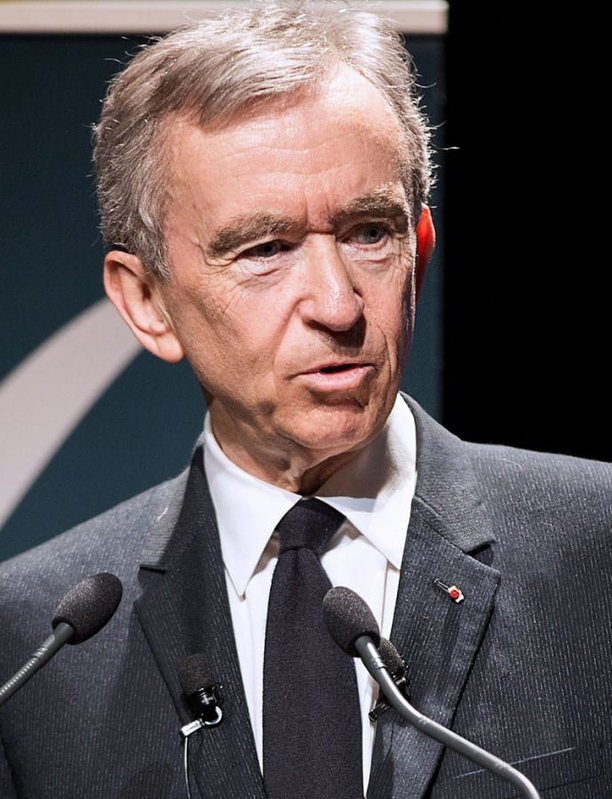
Bernard Arnault is the richest man in Europe, chairman and CEO of the LVMH Group, better known for his Louis Vuitton and Moët & Chandon brands. Arnault has a sizable art collection and built the Louis Vuitton Foundation dedicated to supporting the creation and curation of contemporary art.
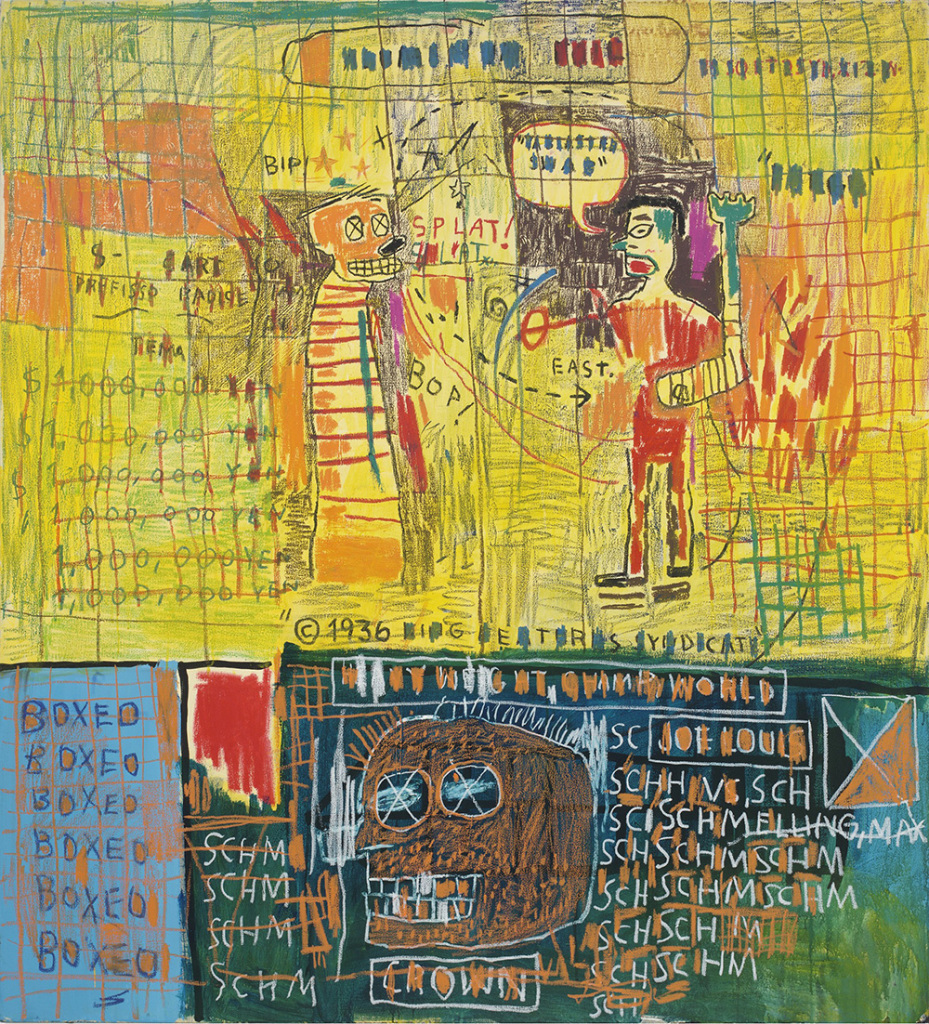
Arnault began seriously collecting art in the 1980s. His very first major acquisition was a 1982 painting of a bridge by Claude Monet, which he reportedly bought for around $200,000. Since then, his tastes have pivoted heavily toward 20th-century modernism and blue-chip contemporary art. The collection includes works by modern masters such as Pablo Picasso, Yves Klein, Max Ernst, and Henry Moore, American artists including Andy Warhol, Jean-Michel Basquiat, Willem de Kooning, Jeff Koons, and Mark Rothko, plus pieces by contemporart artists Damien Hirst, Maurizio Cattelan, Richard Serra, and Takashi Murakami.
The Louis Vuitton Foundation was designed by the legendary architect Frank Gehry. He produced a jaw-dropping, futuristic architectural masterpiece made of 12 massive glass “sails” cutting through the Bois de Boulogne park. It cost an estimated $140 million.
8. Steven Cohen – Value of Collection: $1 Billion+
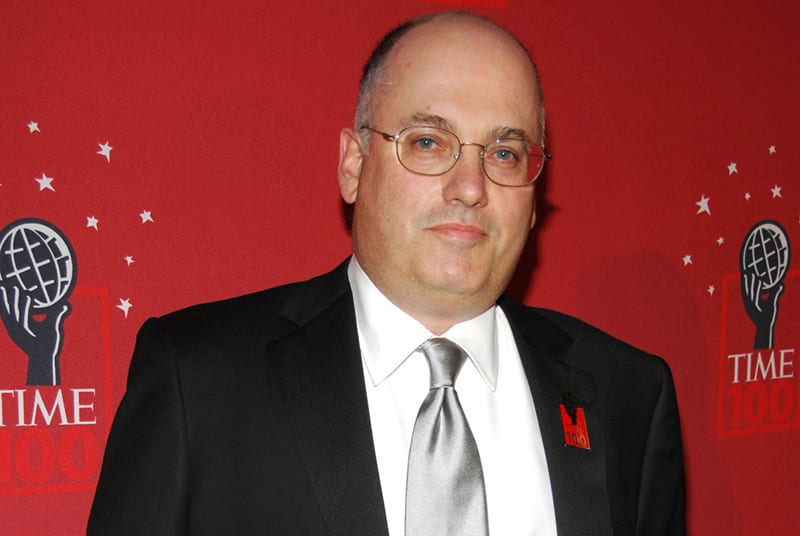
An American investor and hedge fund manager, Steve Cohen is a wealthy buyer with a prestigious art collection. He’s spent hundreds of millions of dollars on a wide variety of work from post-impressionist paintings to modern art.
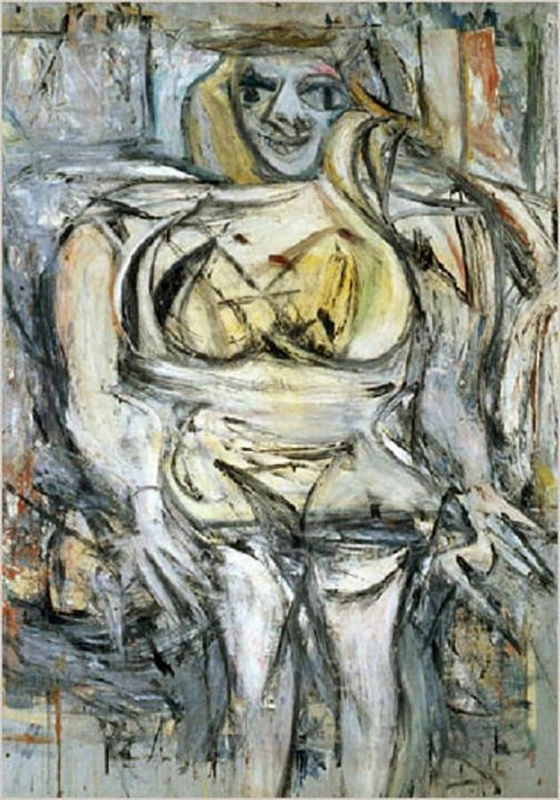
Some of the most notable pieces in his collection include Bathers by Gauguin, Young Peasant Woman by Van Gogh, Madonna by Munch, Police Gazette and Woman III by De Kooning, and one of Pollock’s famous drip paintings.
Cohen bought Damien Hirst’s iconic The Physical Impossibility of Death in the Mind of Someone Living (the 14-foot tiger shark in formaldehyde) from Saatchi. When the original shark began to decay because Saatchi hadn’t preserved it correctly, Cohen didn’t panic. He simply financed Hirst to catch a second shark in Australia, inject it with better preservatives, and swap it into the tank.
In 2006, Cohen agreed to buy Picasso’s 1932 masterpiece The Dream from casino magnate Steve Wynn for a record-breaking $139 million.The day before the painting was supposed to be shipped, Wynn accidentally drove his right elbow straight through the canvas, leaving a six-inch tear. The sale was instantly canceled. Wynn had the painting meticulously repaired, and seven years later Cohen bought the repaired painting for $155 million.
7. Pauline and Panos Karpidas – Value of Collection: $1 Billion+
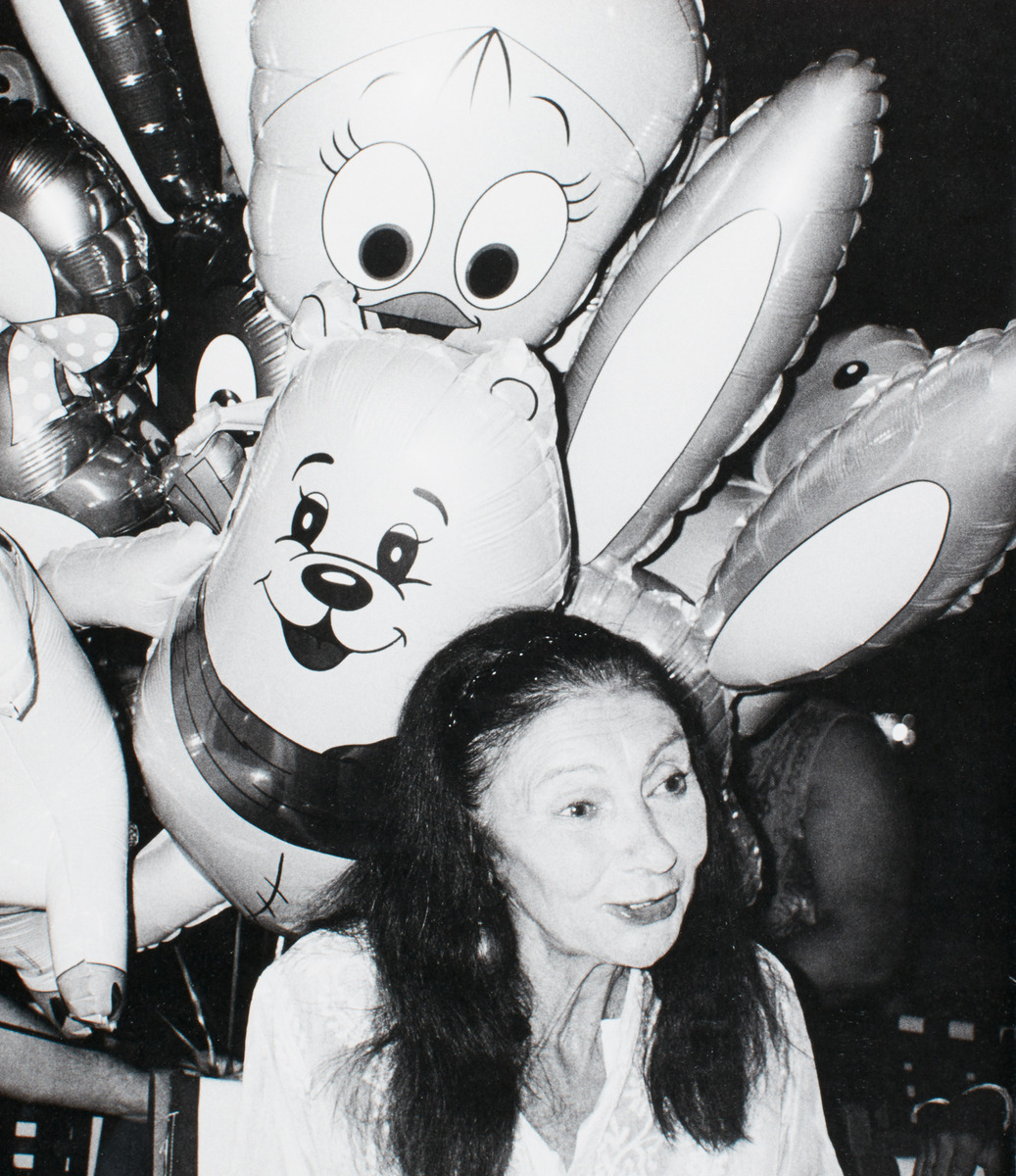
The Karpidas collection was assembled over five decades by the British-Greek matriarch Pauline Karpidas (widow of Greek shipping magnate Constantine Karpidas) alongside her Dallas-based son Panos and his wife Elisabeth. The collection is focused on major works of 20th-century British and European artists featuring paintings and sculptures by Francis Bacon, Henry Moore, and other notable artists.
Pauline convinced gallerist Alexander Iolas to come out of retirement solely to act as her personal advisor. Through him, she gained direct access to the estates and inner circles of the world’s greatest Surrealists. The collection includes Surrealist masterpieces like Magritte’s La Statue volante and La Race blanche, alongside premier works by Salvador Dalí, Max Ernst, Joan Miró, and Giorgio de Chirico.
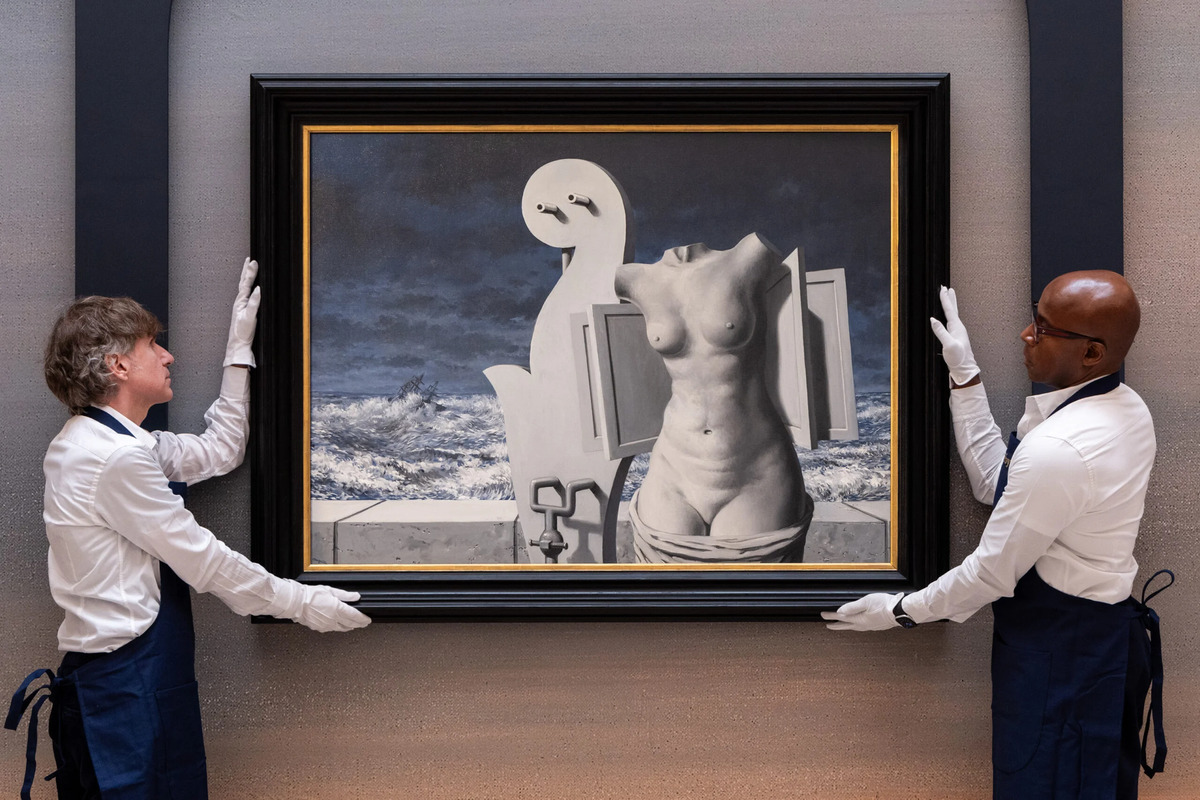
While Pauline manages the European side of the family estate, her son Panos and daughter-in-law Elisabeth brought a massive chunk of the Karpidas collection over to the United States where it is on display in Dallas, Texas.
6. Francois Pinault – Value of Collection: $1.4 Billion
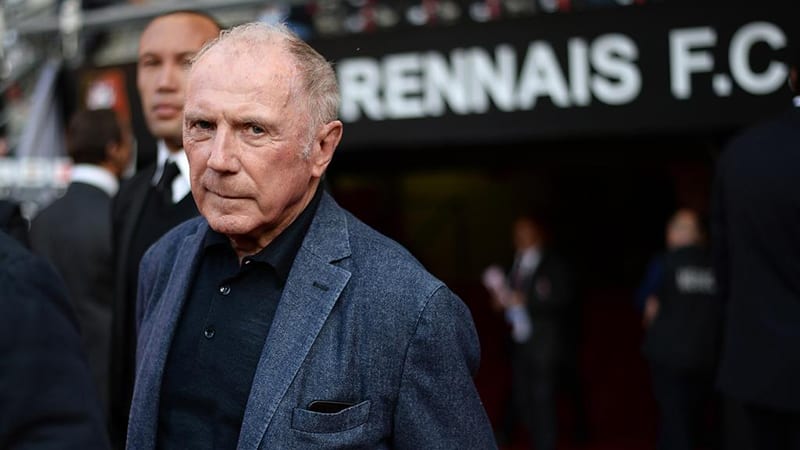
The French billionaire and founder of fashion brands Gucci, Yves Saint-Laurent, and many others, Pinault has been an art collector for more than 30 years. His interest lies in modern and contemporary art with a collection of over 2,500 pieces. You can see some of the Pinault Collection at the Palazzo Grassi in Venice.
Pinault owns works by some of the most prolific artists to ever hit the scene including Rothko, Warhol, and Koons. Notable works include Maurizio Cattelan’s contrversial work Him, Urs Fisher’s Untitled (The Rape of the Sabine Women), and Damien Hirst’s Lullaby Winter.
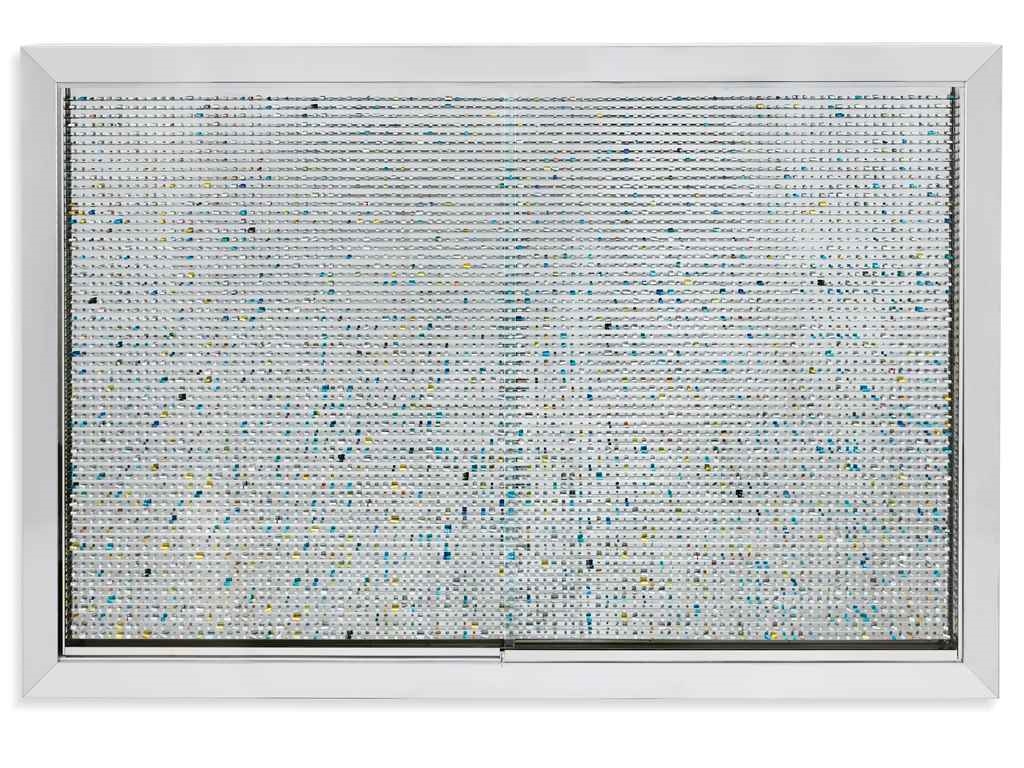
Pinault doesn’t just store his art in vaults. He buys historic European landmarks and transforms them into jaw-dropping private museums. These include the Palazzo Grassi, an 18th-century palace on Venice’s Grand Canal, the Punta della Dogana, a massive, triangle-shaped 17th-century customs house at the mouth of the canal in Venice, and the Bourse de Commerce, Paris’ historic grain and stock exchange dome.
5. Philip Niarchos – Value of Collection: $2.2 Billion
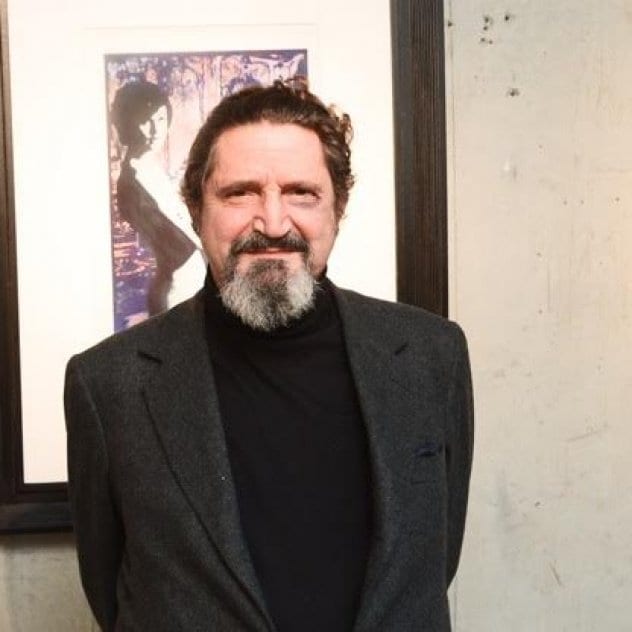
Niarchos was the eldest son of the Greek shipping magnate Stavros Niarchos, who was shrouded with scandal from drug overdoses to murder. Upon his 1996 death, he left Philip a sizable fortune of $5 billion and huge art collection.
Among the masterpieces, it is said to have the largest stockpile of Van Gogh paintings in the world. It seems the art collecting bug stayed in the family. Philip has added some significant purchases to the lot since the collection was passed down.
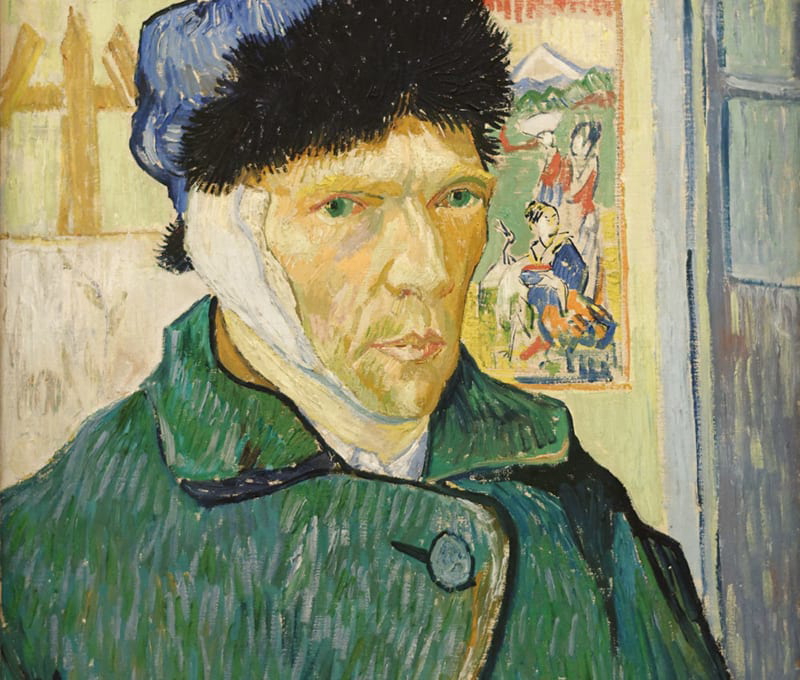
Niarchos was one of the first collectors to put a dollar value on Basquiat’s genius, buying Self-Portrait for $3.3 million, which was vastly more than his other work was going for. Other famous pieces he owns include Self-Portrait by Van Gogh (the one after the ear chop) and Yo Picasso by Picasso.
4. Eli and Edyth Broad – Value of Collection: $2.2 Billion
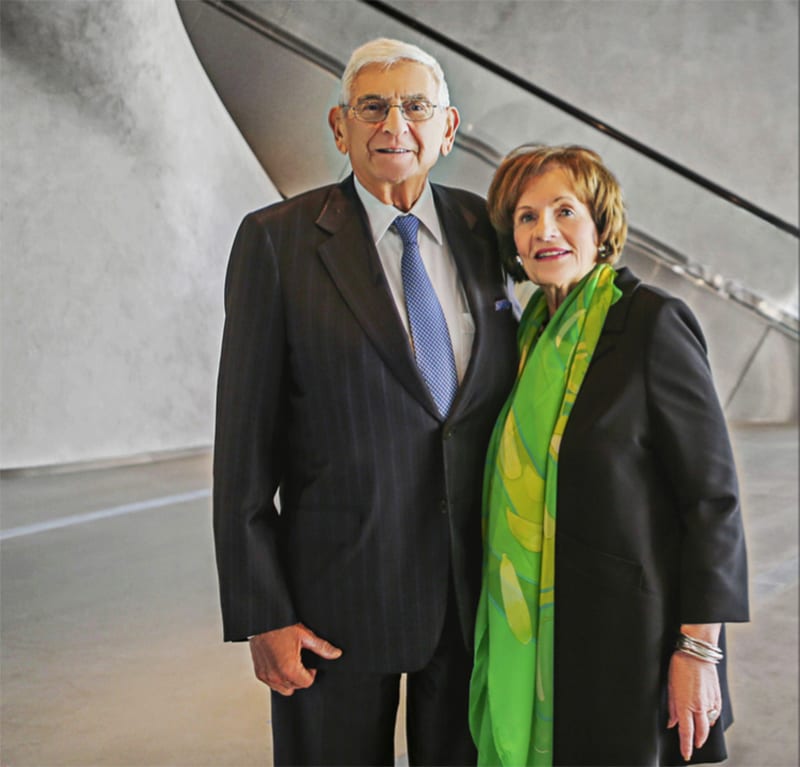
Often referred to as the greatest collection of contemporary art, the Broads have accumulated more than 2,000 pieces. They put many works on display at The Broad Museum in Los Angeles.
Eli Broad is the only person to have started two Fortune 500 companies and does as much in his philanthropic work as in his business ventures. Known for their selflessness, the Broads are on a mission to share their love of art with the world.
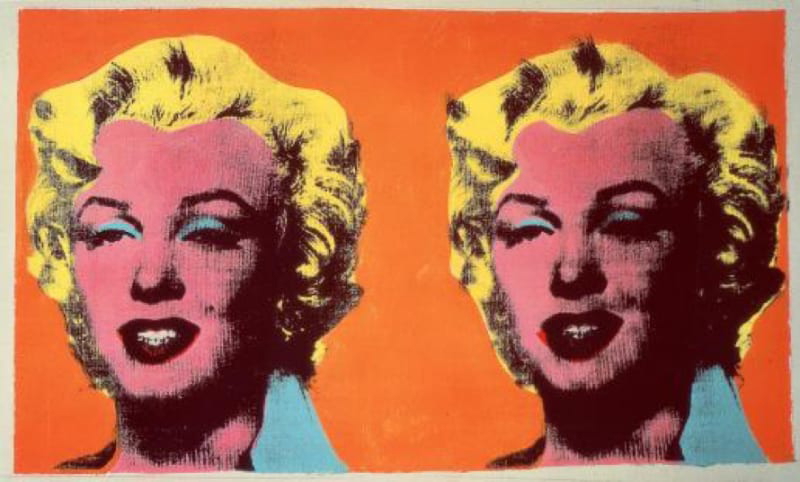
At their museum, you’ll be able to see famous pieces from their collection such as Two Marilyns by Warhol, Untitled by Rauschenberg, and I…I’m Sorry by Lichtenstein.
3. David Geffen – Value of Collection: $2.3 Billion
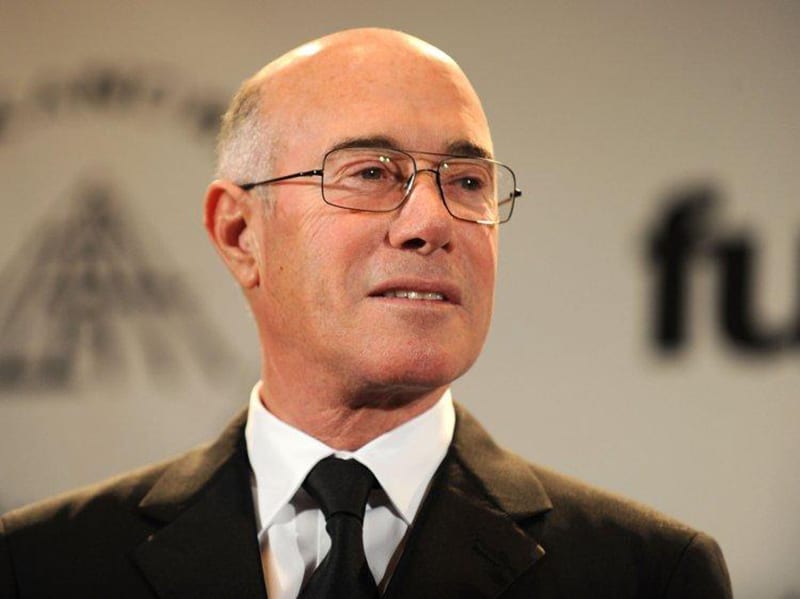
Founder of Asylum Records, Geffen Records, and Dreamworks Animation, Geffen’s art collection has a heavy focus on the midcentury work of American artists. His collection is notable because despite its value it is incredibly small, consisting of fewer than 50 masterpieces. Instead of buying quantity, Geffen only collected absolute “10-out-of-10” iconic trophies of American Post-War and Abstract Expressionist art.
His collection is so strong that it still holds weight even after selling Pollack’s No. 5, 1948 and De Kooning’s Women III. Pieces still held by Geffen include Target with Plaster Casts by Jasper Johns, The Nose by Alberto Giacometti, and Pool and Pink Pole by David Hockney.
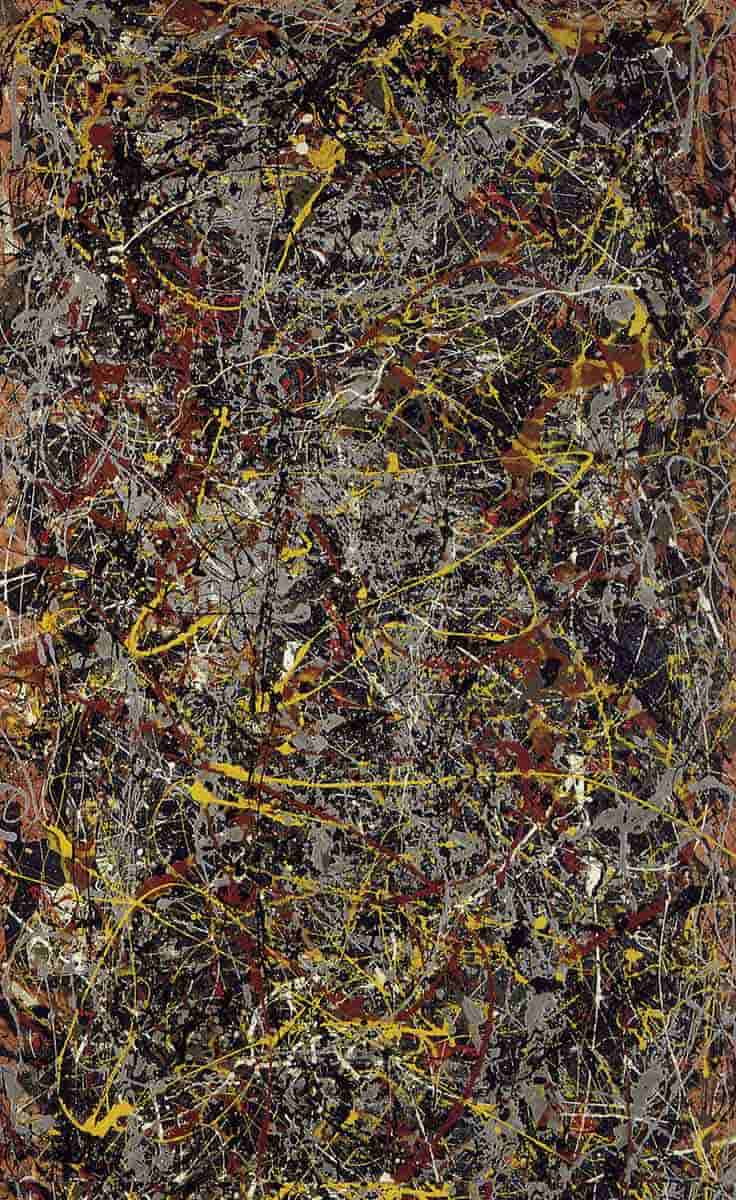
A skilled businessman, Geffen has also been deemed a smart art collector in terms of both buying and selling. In fact, his collection is the largest owned by a single person. It’s more than impressive and has influenced the art world in the U.S. by a landslide.
2. Ezra and David Nahmad – Value of Collection: $3 Billion+
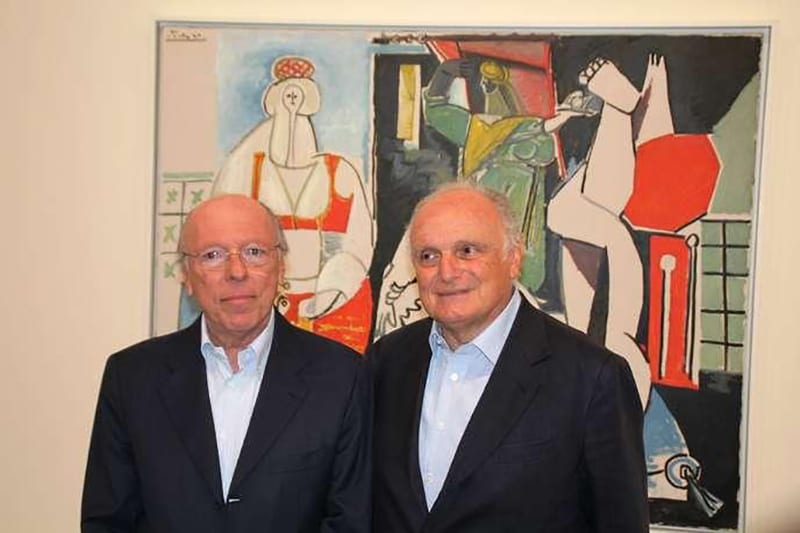
These brothers own one of the most valuable art collection in the world, yet, ironically, are not art lovers themselves. The Nahmads are businessmen through and through and the name of their game has a singular goal – selling for a profit.
With backgrounds in investment banking and blackjack, it’s no wonder that the Nahmads treat art collecting like not much more than a dollar transaction with the thrill of gambling.
How do they do it? Well, they buy expensive pieces, store it for a while, then re-sell it for maximum earnings. Meanwhile, their storage unit is near the Geneva Airport meaning it’s tax-free. Seems they’ve thought of everything to get the most bang for their buck.
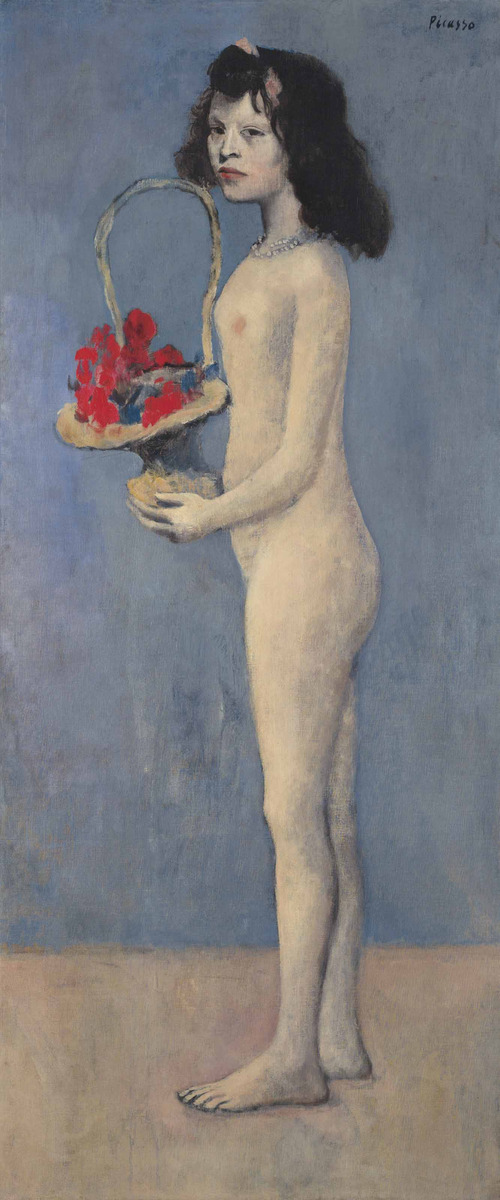
In their warehouse, you’d find up to 5,000 works of art at any given time, 300 of which are rumored to be $900 million worth of Picassos.
After all, the Nahmads believe that business is business and artists like Picasso and Monet are brands, just like Pepsi and Apple. Overall, it’s safe to say that these collectors are not the art world’s favorite pair.
1. The Qatar Royal Family – Value of Collection: $10 Billion+
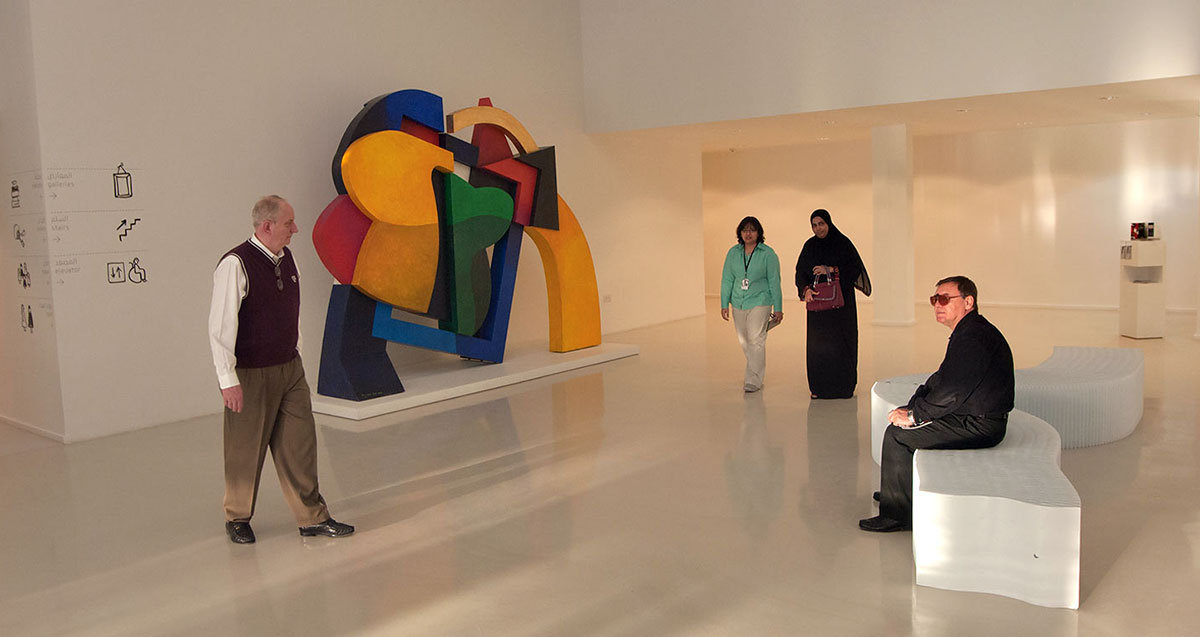
The royal family of Qatar is wodely regarded to have the most valuable private art collection in the world. While some works are on display in Quatar Museums, most are held in private. Their collection includes diverse works by the likes of Picasso, Monet, Andy Warhol, and Giuseppe Arcimboldo, as well as signifcant Islamic art holdings.
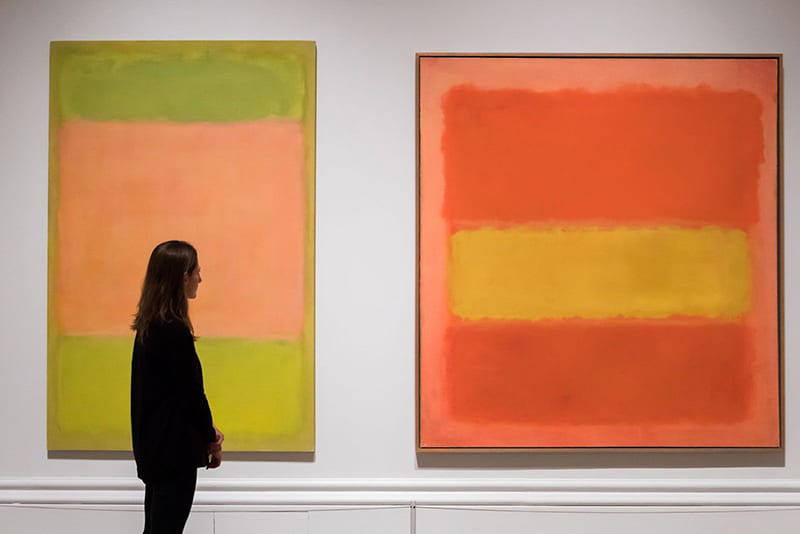
They are known for purchasing entire collections, such as that of David Rockefeller. In 2007, they bought Mark Rothko’s masterpiece, White Center (Yellow, Pink and Lavender on Rose), which Rockefeller sold through Sotheby’s for $72.8 million, which set the record for the most expensive post-war art purchase at the time. After Rockefeller passed away, Christie’s auctioned off the rest of his collection for aroun $832 million. Most of the anonymous purchases are believed to have gone to the Qatar family. In 2015 they also purchased Picasso’s masterpiece, The Women of Algiers (Version O), at a Christie’s auction for $180 million.
As well as canvases, the Qatar family has a significant jewelry collection. It contains 6,000 historic pieces worth well over $1 billion, including priceless Mughal Empire diamonds, Cartier masterpieces, and historic European royal regalia.